

Strawberry Towers: Why Go Vertical?
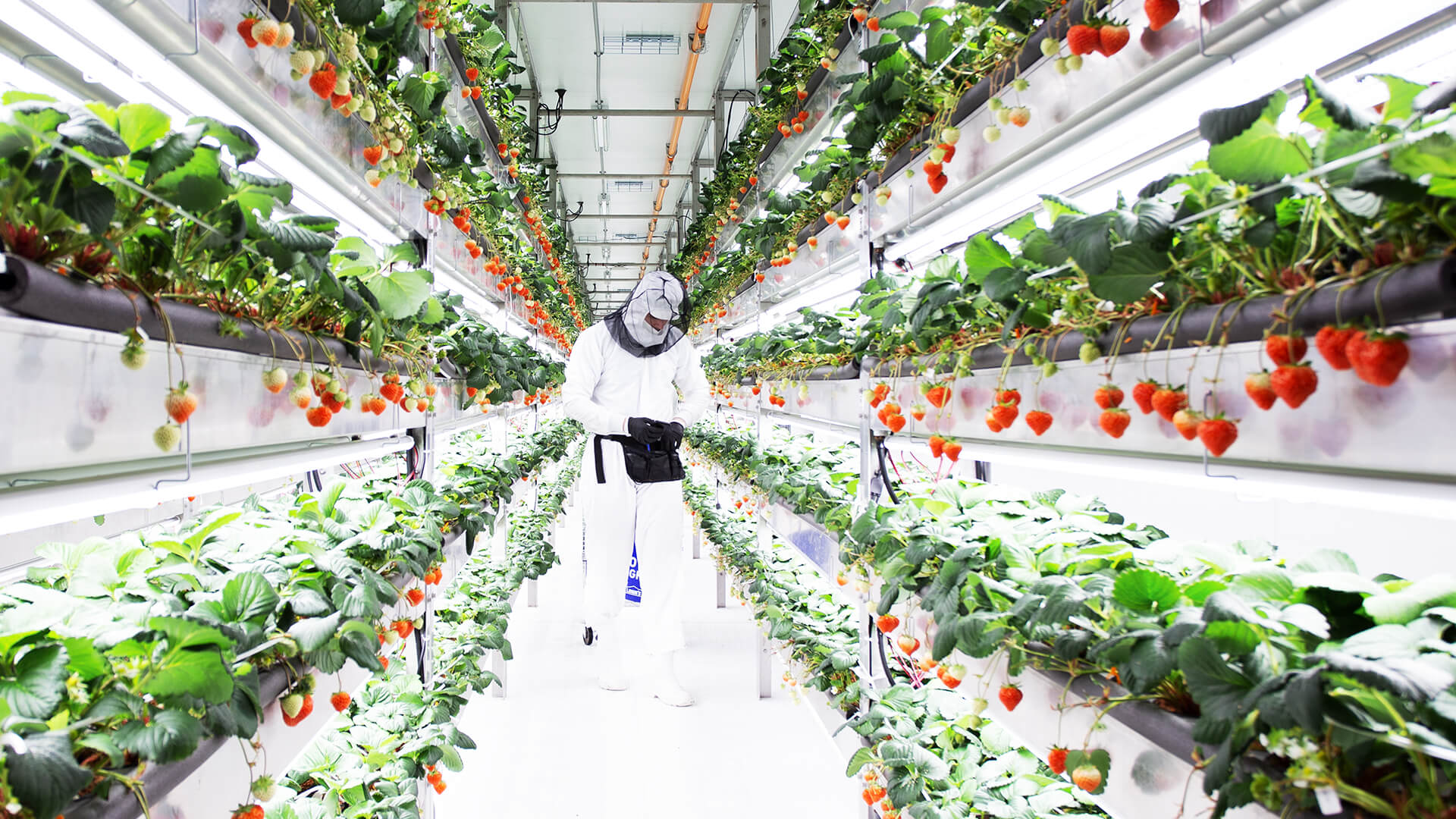
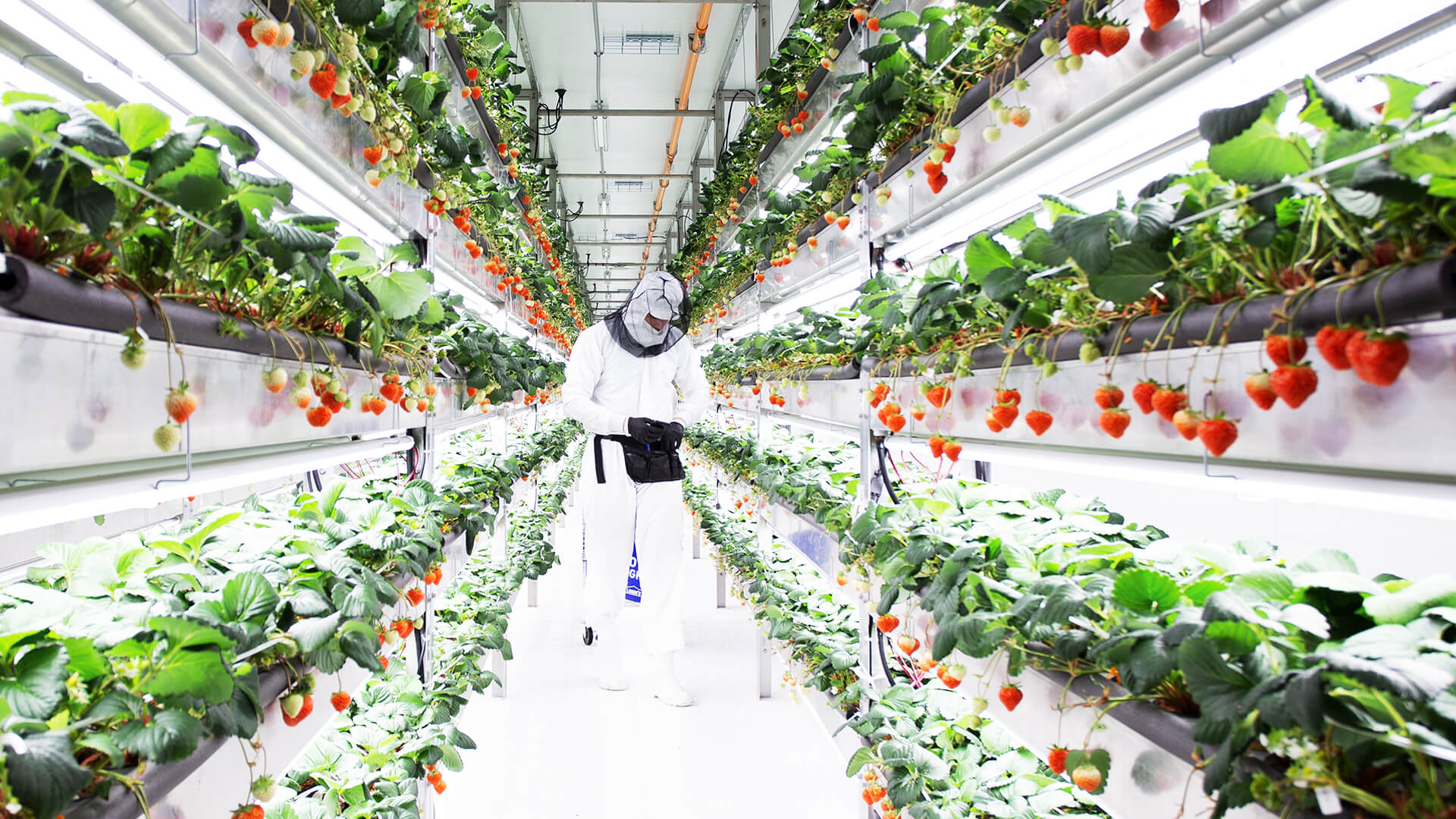
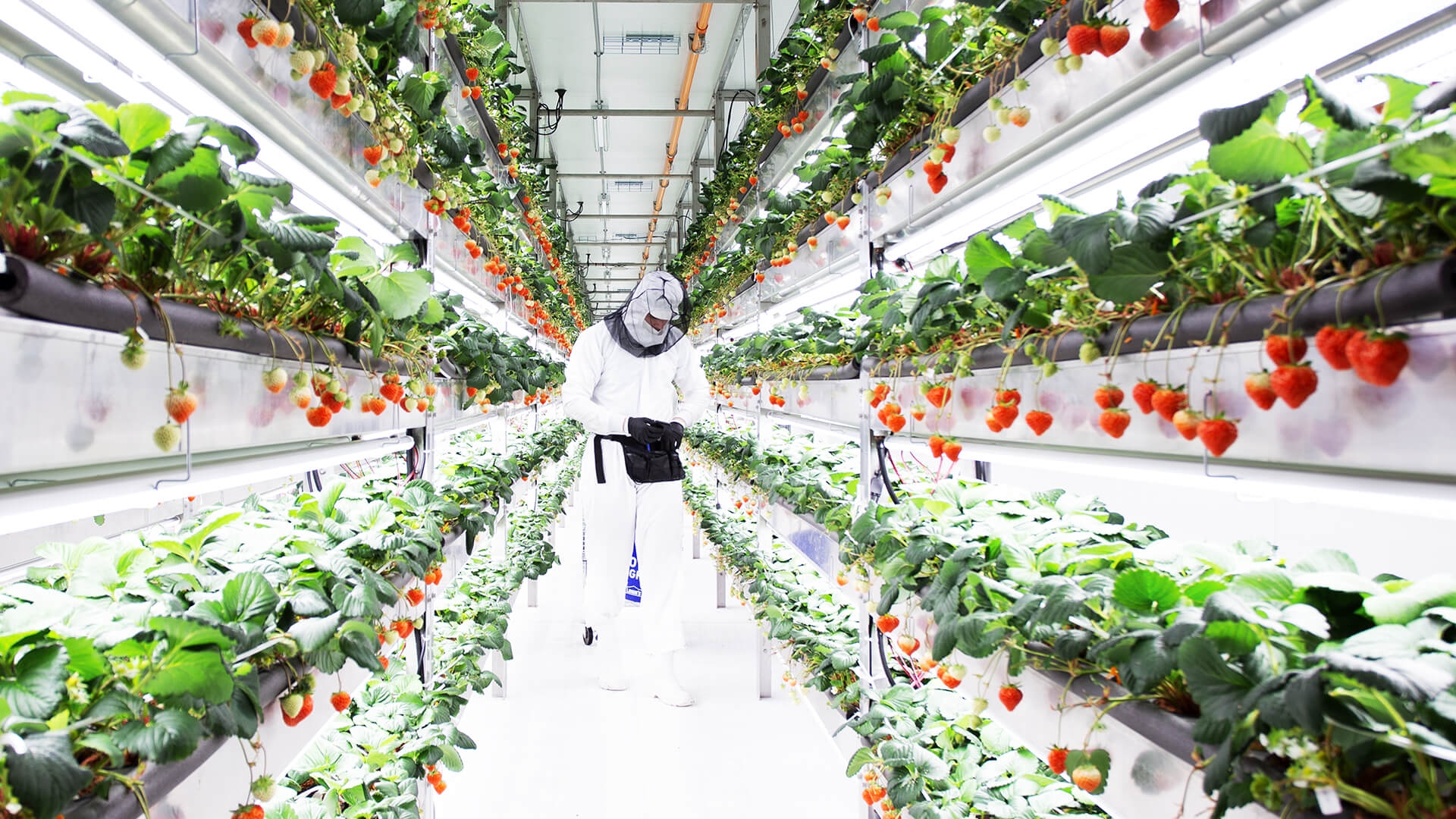
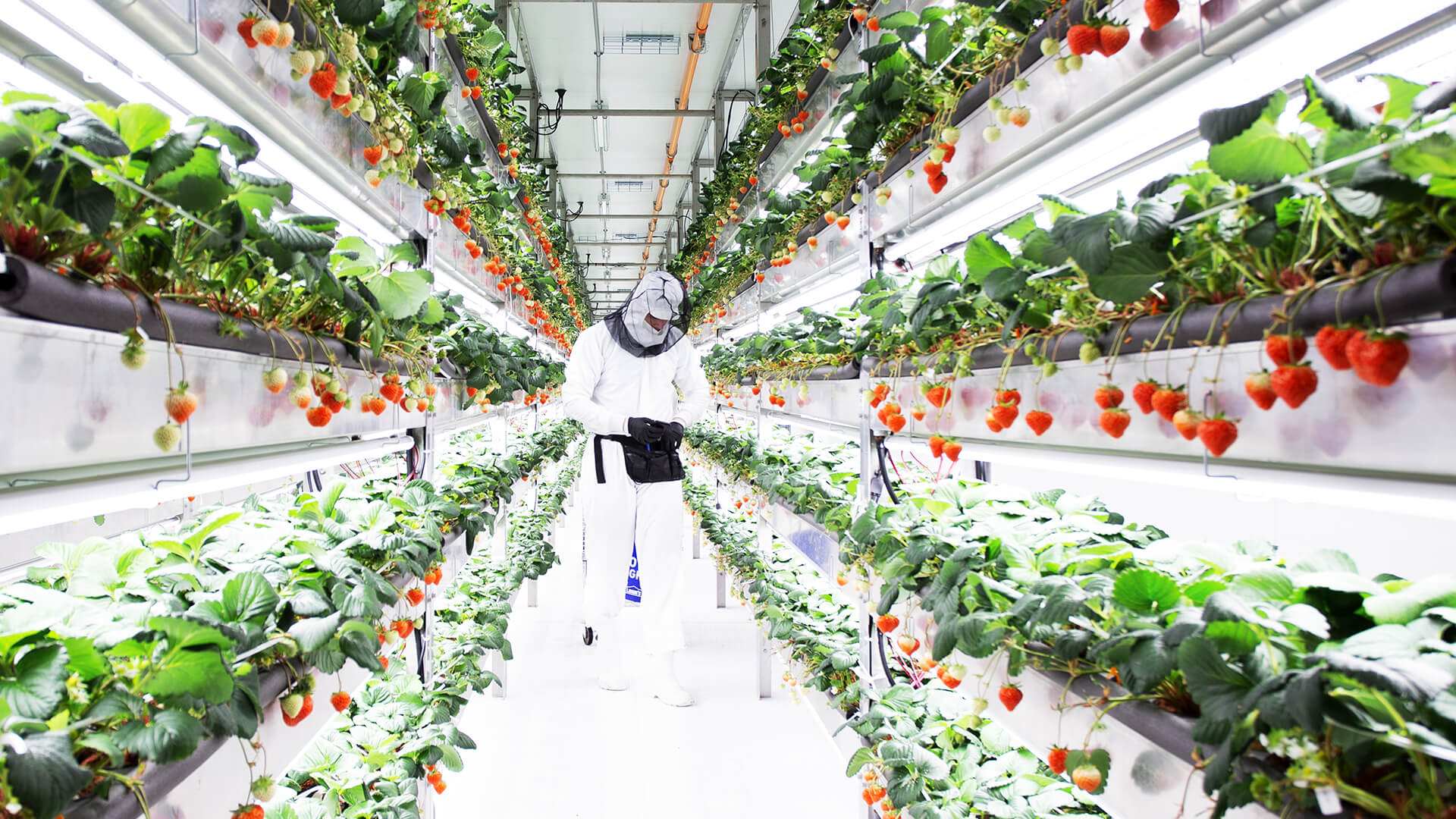
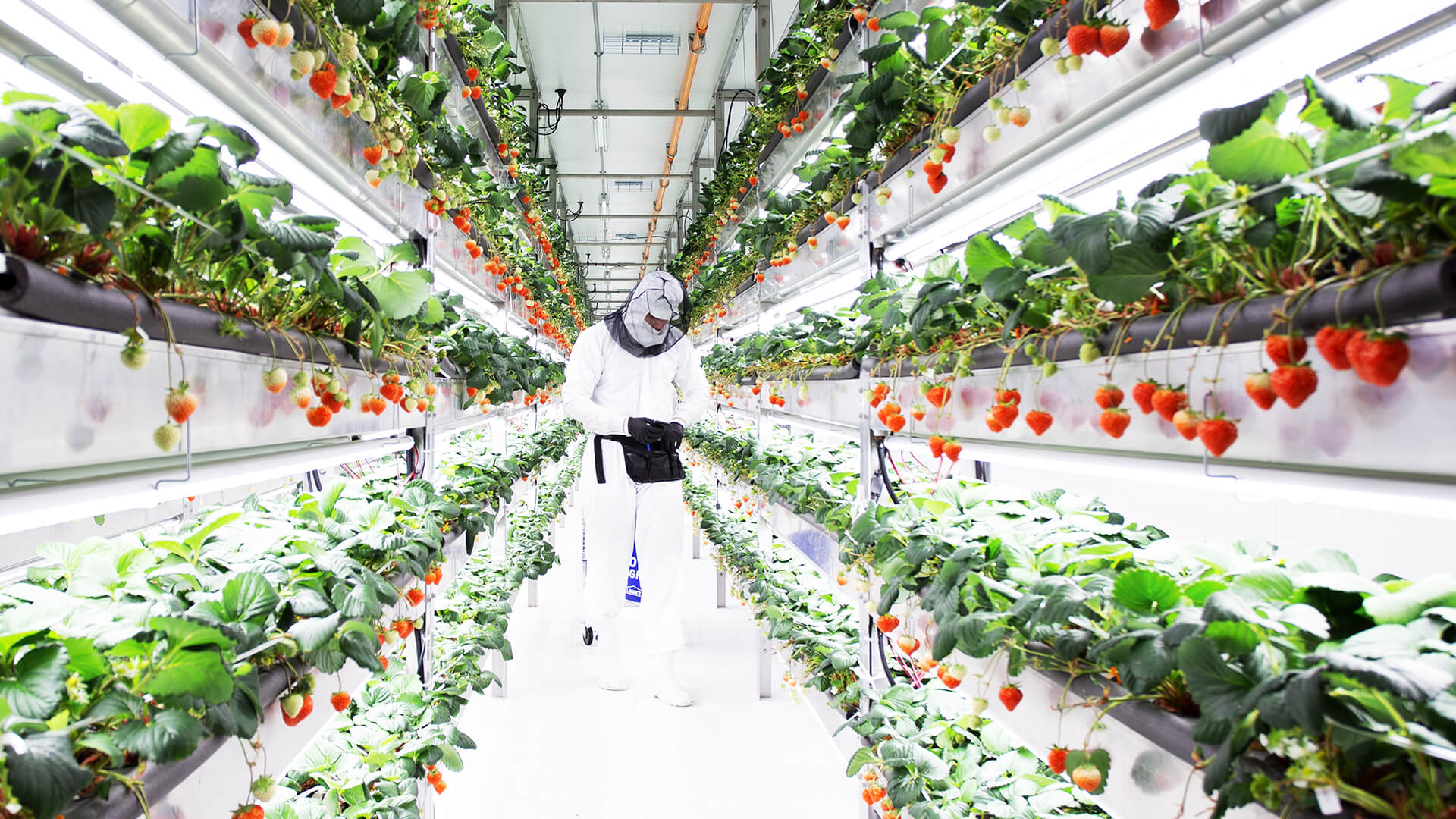
Vertical growing makes year-round indoor strawberry harvests possible. This method maximizes space and optimizes conditions, becoming more accessible as efficient LED grow lights and user-friendly hydroponic systems become more common.
Vertical strawberry growing dramatically reduces the footprint needed compared to traditional row planting, a significant advantage for apartment dwellers or those with limited outdoor space. Vertical systems often increase yields by better utilizing light and air circulation. Elevating plants also minimizes pest problems and simplifies harvesting.
Two main approaches exist: soil-based and soilless. Soil-based systems use potting mix, offering a traditional experience. Soilless systems, like hydroponics, deliver nutrients directly to roots via water, often resulting in faster growth and higher yields. Soil-based systems are simpler initially, while soilless systems are generally more efficient long-term.
Interest in vertical gardening is high. Epic Gardening’s 2024 video on vertical strawberry growing has over 360,000 views, showing demand for this information. People seek ways to grow fresh produce at home, regardless of space.
System Choices: Towers, Pockets, and Rails
Choosing the right vertical gardening system is important. GreenStalk offers modular vertical planters for strawberries and other vining plants. These stackable planters let you customize height and capacity, are relatively easy to assemble, and provide good drainage.
Tower gardens have a central tower with planting pockets. They often use hydroponic systems, circulating nutrient-rich water from a base reservoir. Tower gardens can be expensive and require maintenance for the pump and circulation system. DIY versions from PVC pipe are more affordable but need construction skills.
Wall-mounted pockets are simpler and more budget-friendly. Fabric or plastic pockets attach to a wall or fence, creating a living strawberry wall. They are easy to install but may need more frequent watering and fertilization, as they hold less moisture. They work best with smaller strawberry varieties.
Rail systems involve attaching containers to a horizontal wall rail. This allows flexibility in plant arrangement and easy maintenance access. Costs vary, but they are generally a larger investment than pocket systems. Consider your space, budget, and DIY skills when choosing.
Everbearing varieties, like "Albion’ or ‘Seascape," do well in tower gardens and GreenStalk systems due to their continuous fruiting. Smaller, mounding varieties are ideal for wall-mounted pockets. Day-neutral varieties adapt to most systems.
Vertical Strawberry System Comparison - 2026 Guide
| System Type | Estimated Cost | Space Required | Maintenance Level | Strawberry Variety Suitability |
|---|---|---|---|---|
| GreenStalk | Moderate | Relatively Small Footprint, Vertical Growth | Low to Medium | Excellent for day-neutral and everbearing varieties. |
| Tower Garden | High | Small Footprint, Vertical Growth | Medium | Suitable for various strawberry types, benefits from consistent monitoring. |
| Wall Pockets | Low | Wall Space Dependent | Medium to High | Best suited for smaller, trailing strawberry varieties. |
| PVC Rail System | Low | Customizable, Requires Structural Support | Medium | Adaptable to different strawberry sizes, requires careful construction. |
| Stacked Planters | Low to Moderate | Moderate Footprint, Vertical Stacking | Low | Good for mounded strawberry types, ensure adequate drainage. |
| Hanging Gutters | Low | Requires Overhead Support | Medium | Suitable for trailing varieties, needs consistent watering. |
Illustrative comparison based on the article research brief. Verify current pricing, limits, and product details in the official docs before relying on it.
Lighting: The Sun's Indoor Substitute
Strawberries need six to eight hours of direct sunlight daily. Indoors, replicate this with artificial grow lights. Full-spectrum LED grow lights provide the wavelengths needed for photosynthesis. Light intensity is measured in PAR (Photosynthetically Active Radiation) values; higher PAR means more light for plant growth.
A PAR value of 200-400 µmol/m²/s suffices for vegetative growth, while 400-600 µmol/m²/s is ideal for flowering and fruiting. Wattage depends on growing area size and light distance. Generally, 32 watts per square foot is needed. More light is better than not enough.
Strip lights are cost-effective for smaller setups, while panel lights offer broader coverage for larger gardens. Tube lights are less efficient than LEDs. Photoperiod, the duration of light exposure, is also crucial. Strawberries need 12-16 hours of light daily during the vegetative stage and 10-12 hours during flowering and fruiting.
Focus on lights with high PPFD (Photosynthetic Photon Flux Density) and a balanced spectrum. Consider light heat output, as excessive heat can damage plants. Proper ventilation is essential to dissipate heat and maintain optimal growing conditions.
- Step 1: Calculate the square footage of your growing area.
- Step 2: Determine the required wattage based on 32 watts per square foot.
- Step 3: Choose full-spectrum LED grow lights with a PAR value of 400-600 µmol/m²/s.
- Step 4: Install the lights at the appropriate distance from the plants, adjusting as needed based on plant response.
Nutrient Solutions & Watering
For soilless vertical strawberry gardens, nutrient solutions are essential. These solutions contain macronutrients (nitrogen, phosphorus, potassium) and micron
Maintaining the correct pH level is crucial for nutrient absorption. Strawberries prefer a pH between 5.5 and 6.5. EC (electrical conductivity) measures the concentration of nutrients in the solution. A typical EC for strawberries is between 1.5 and 2.0 mS/cm, but this can vary depending on the growth stage. Regularly monitor both pH and EC using a digital meter.
Watering schedules depend on the system and environmental conditions. Drip irrigation systems are ideal for delivering water and nutrients directly to the roots, minimizing waste and preventing fungal diseases. Avoid overwatering, as this can lead to root rot. Check the moisture level of the growing medium regularly and adjust the watering schedule accordingly. Underwatering can cause wilting and stunted growth.
I’ve found that using a reservoir with a pump and timer simplifies the watering process significantly. It allows for consistent and automated nutrient delivery. Remember to change the nutrient solution every one to two weeks to prevent nutrient imbalances and the buildup of harmful salts. Thoroughly clean the reservoir and system components between changes.
Strawberry Varieties for Vertical Gardens
Selecting the right strawberry variety is essential for a successful indoor vertical garden. June-bearing strawberries produce a large crop all at once, making them less suitable for continuous harvesting. Everbearing and day-neutral varieties, however, produce fruit throughout the growing season, making them ideal for vertical systems. These varieties are more forgiving of indoor conditions and provide a steady supply of berries.
"Albion’ is a popular everbearing variety known for its large, sweet berries and excellent disease resistance. ‘Seascape’ is another excellent choice, offering a similar flavor profile and high yields. ‘Tristan’ is a day-neutral variety that produces beautiful pink flowers and flavorful berries. ‘Mara des Bois" is a French variety prized for its intense aroma and flavor, though it may be slightly more challenging to grow.
Day-neutral varieties, like "San Andreas’ and ‘Portola’, are particularly well-suited for indoor growing as they aren"t as sensitive to day length. They consistently produce fruit regardless of the amount of daylight. When choosing, consider your flavor preferences and local climate. Some varieties are better adapted to warmer or cooler temperatures.
Beyond flavor and yield, disease resistance is an important factor. Look for varieties that are resistant to common strawberry diseases like verticillium wilt and red stele. This will reduce the need for chemical treatments and ensure a healthier harvest.
- Everbearing: "Albion’, ‘Seascape’, ‘Tristan"
- Day-Neutral: "San Andreas’, ‘Portola’, ‘Mara des Bois"
Recommended Strawberry Varieties
- Albion - A popular day-neutral variety known for its consistently high yields of large, firm, glossy red berries with excellent flavor. Good disease resistance, particularly to Verticillium wilt.
- Seascape - Another reliable day-neutral variety. Produces medium to large, conical berries with a sweet, slightly tart flavor. Performs well in containers and exhibits good disease resistance.
- Tristan - A day-neutral strawberry prized for its exceptional flavor – often described as intensely sweet. Berries are medium-sized and consistently produced throughout the growing season. Susceptible to some fungal diseases, so good air circulation is important.
- San Andreas - A day-neutral variety similar to Albion, offering high yields of large, firm berries. Known for its good shipping quality and resistance to common strawberry diseases.
- Monterey - A day-neutral variety producing large, attractive berries with a sweet, slightly acidic flavor. Good for pick-and-eat and has a relatively long harvest window.
- Jewel - A June-bearing variety, meaning it produces a single, large crop. Berries are medium-sized, bright red, and have a classic strawberry flavor. Requires a period of cold for optimal fruiting.
- Ozark Beauty - A June-bearing variety known for its vigorous growth and high yields. Produces large, flavorful berries and is relatively cold-hardy. Best suited for areas with a distinct winter chill.
Pest & Disease Management
While indoor growing offers some protection from pests and diseases, it doesn’t eliminate them entirely. Common strawberry pests include spider mites, aphids, and thrips. These can be controlled with organic solutions like insecticidal soap or neem oil. Regularly inspect your plants for signs of infestation, such as webbing or distorted leaves.
Diseases like gray mold (Botrytis cinerea) and powdery mildew can also affect indoor strawberries. Preventative measures are key. Ensure good air circulation by using a fan, and avoid overcrowding the plants. Remove any infected leaves or fruit immediately to prevent the spread of disease. Maintaining proper humidity levels is also important.
Beneficial insects, such as ladybugs and lacewings, can help control pest populations naturally. Introducing these insects into your indoor garden can create a balanced ecosystem and reduce the need for chemical interventions. You can purchase beneficial insects online or at garden centers.
Good sanitation practices are essential. Regularly clean the growing area and disinfect tools to prevent the buildup of pathogens. Avoid splashing water on the leaves, as this can create a favorable environment for fungal diseases. A simple solution of diluted hydrogen peroxide can be used to disinfect surfaces.
Troubleshooting Common Problems
Even with the best care, you may encounter some challenges when growing strawberries vertically indoors. Poor fruit set, meaning flowers aren’t developing into berries, can be caused by insufficient pollination, low light levels, or temperature stress. Hand-pollinating the flowers with a small brush can help improve fruit set. Yellowing leaves can indicate nutrient deficiencies, overwatering, or pest infestations.
Stunted growth can be caused by a variety of factors, including nutrient imbalances, root rot, or insufficient light. Check the pH and EC of the nutrient solution and adjust as needed. Ensure the roots are not waterlogged and that the plants are receiving adequate light. Blossom end rot, a common problem in tomatoes, can also affect strawberries. It’s caused by a calcium deficiency, often due to inconsistent watering.
Diagnosing nutrient deficiencies can be tricky. Nitrogen deficiency causes yellowing of older leaves, while phosphorus deficiency results in purplish discoloration. Potassium deficiency manifests as scorched leaf edges. A comprehensive nutrient test can help identify specific deficiencies. Addressing these issues promptly is crucial for maintaining plant health and maximizing yields.
If you notice white, powdery growth on the leaves, it’s likely powdery mildew. Treat it with a fungicide or improve air circulation. Small, spider-like pests indicate a spider mite infestation. Control them with insecticidal soap or neem oil. Remember to isolate affected plants to prevent the spread of problems.
Harvesting & Beyond: Year-Round Strawberries
Harvest strawberries when they are fully red and slightly soft to the touch. Gently twist the berry from the stem, leaving a small piece of the stem attached. This will help extend the shelf life of the fruit. Harvest frequently to encourage continued production. Strawberries don’t continue to ripen after being picked, so wait until they are fully mature before harvesting.
Proper storage is essential for maintaining freshness. Store harvested strawberries in a single layer in the refrigerator. They are best consumed within a few days. To extend their shelf life, you can freeze them or make jam. Propagating new plants from runners is a great way to expand your vertical strawberry garden. Simply root the runners in water or potting mix.
With proper care and attention, you can enjoy a continuous harvest of fresh strawberries throughout the year. As technology advances, indoor strawberry growing will become even more accessible and efficient. Future innovations may include automated nutrient delivery systems and improved LED grow lights. The possibilities are endless, and the future of indoor strawberry cultivation looks bright.
No comments yet. Be the first to share your thoughts!