

AI and vertical farming
Indoor gardening used to be a chore for anyone without a greenhouse and a lot of free time. By 2026, the tech has caught up. AI-driven systems now handle the heavy lifting, adjusting light and water based on how the plants actually look and grow. It’s less about following a schedule and more about the hardware reacting to the biology in real-time.
Smart vertical gardens represent a shift from simply growing plants to managing an ecosystem. They address the core challenges of indoor gardening: limited space, inconsistent lighting, and the need for precise nutrient control. These systems aren't designed to replace traditional farming, but to supplement it, offering a localized source of fresh produce, especially in urban environments. I believe this is a significant step towards greater food security and sustainability.
This guide is aimed at beginners. We’ll break down the technology, explore the options, and help you understand what it takes to get started with an AI-powered vertical garden. It’s a relatively new field, and things are changing quickly, but the core principles are surprisingly straightforward. The goal is to empower you to grow your own food, regardless of your experience level or the size of your living space.
The rise of Gardyn
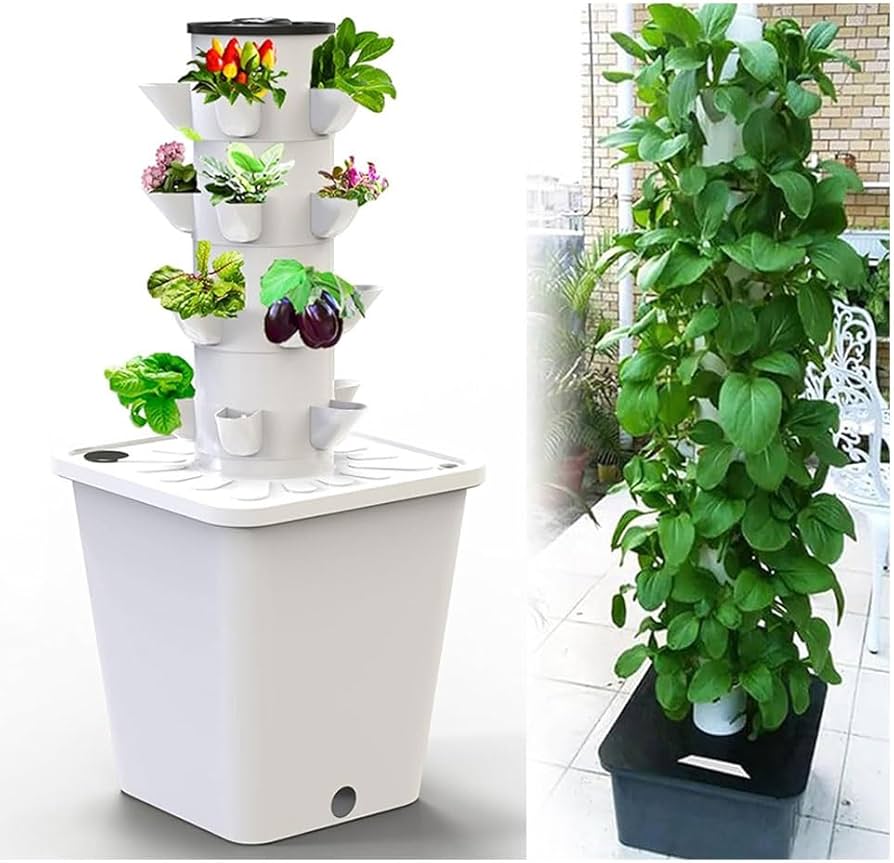
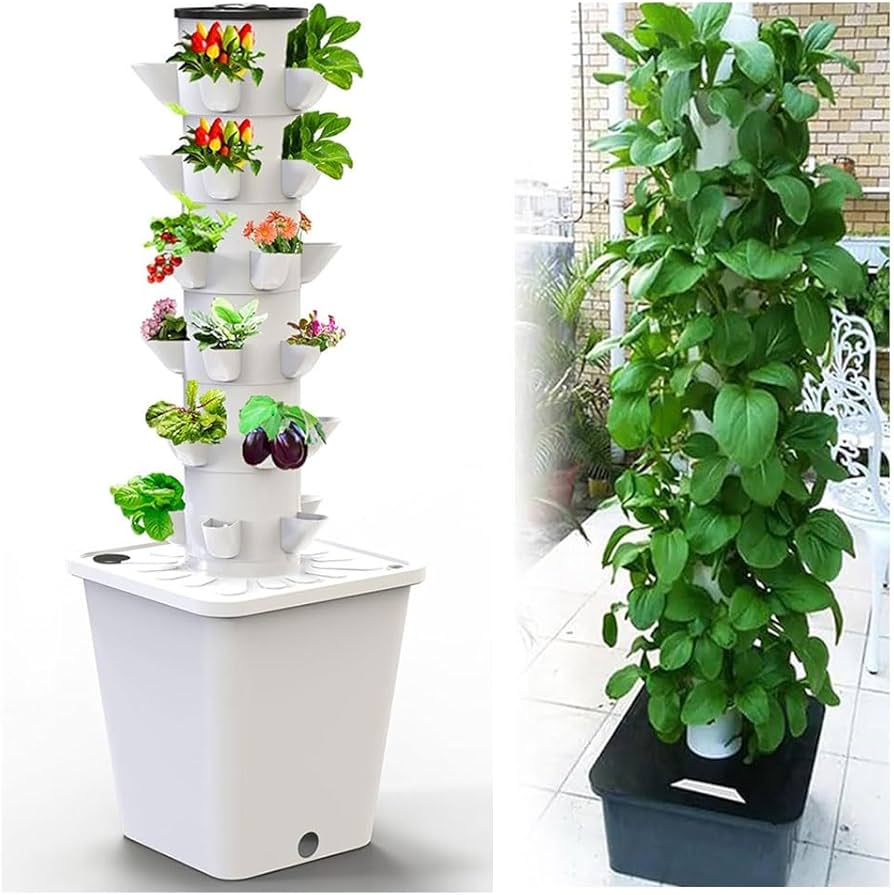
Gardyn is the most recognizable name in this space. Their tower is a self-contained hydroponic unit with integrated LEDs and a pump system that cycles nutrients. It’s designed to be a plug-and-play appliance for people who want fresh greens but don't want to mix their own chemicals or set up DIY plumbing.
What sets Gardyn apart is its app-based control and data monitoring. Users can monitor plant health, adjust settings, and receive alerts directly on their smartphones. The app also provides guidance on what to grow and when, taking some of the guesswork out of the process. It’s a significant step up from DIY hydroponic setups, which often require manual pH adjustments and nutrient monitoring. The Gardyn Home 4 Vertical Hydroponics Growing System Kit currently available on Amazon includes 30 non-GMO plants.
However, Gardyn isn’t without its drawbacks. The initial investment is substantial; the Gardyn Home system can cost upwards of $800, and you’ll need to purchase additional plant pods regularly. That ongoing cost is a factor to consider. There are also reports of customer service issues and occasional software glitches. It's important to weigh these factors against the convenience and potential yield of the system. Compared to building your own, the benefits are ease of use and automated care, but the cost is significantly higher.
Other companies are entering the space, but Gardyn has a clear lead in terms of brand recognition and system integration. Systems like Rise Gardens offer similar functionality, but generally at a higher price point. The key difference is that Gardyn positions itself as a more accessible option, even if “accessible” is relative when you’re talking about a $800+ appliance.
AI-Powered Insights: Monitoring and Adjustment
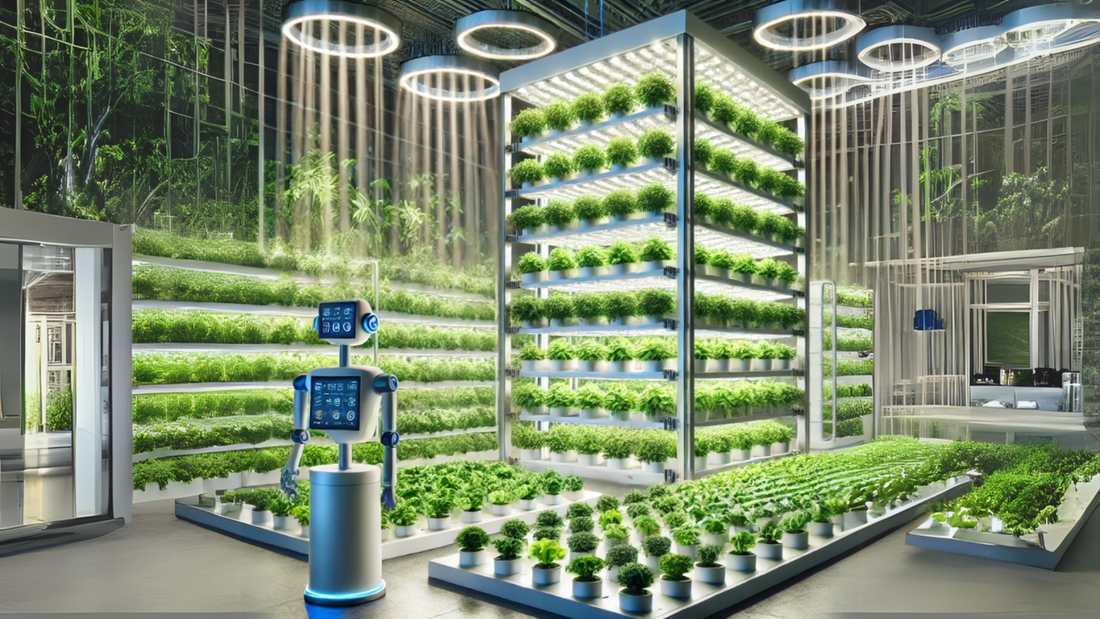
The "smart’ in smart vertical garden comes from the integration of sensors and AI algorithms. These systems continuously monitor key environmental factors – light intensity, humidity, temperature, and nutrient levels in the water. This data is then fed into an AI that analyzes the information and makes adjustments to optimize growing conditions. It"s a closed-loop system designed to provide plants with exactly what they need, when they need it.
For example, if the AI detects that a plant isn’t receiving enough light, it might automatically adjust the intensity of the LED grow lights. Similarly, if nutrient levels are too low, the system will automatically add more nutrients to the water reservoir. This level of automation reduces the risk of human error and ensures that plants are consistently growing in ideal conditions. The promise is a higher yield and healthier plants with minimal effort from the user.
The specific code behind these systems is a black box, but the logic is simple: the hardware tracks how fast a plant grows under specific light and nutrient levels. Over several harvests, the system tweaks the variables to find the sweet spot for yield. It’s essentially a trial-and-error process handled by a computer instead of your memory.
The benefits extend beyond just optimizing growth. AI can also help to detect potential problems early on, such as nutrient deficiencies or pest infestations. By analyzing plant health data, the system can alert you to potential issues before they become serious, allowing you to take corrective action quickly. Ultimately, it’s about proactive plant care, rather than reactive problem-solving.
What grows best
While smart vertical gardens can grow a wide variety of plants, some are more successful than others. Leafy greens like lettuce, spinach, and kale are practically foolproof. Herbs like basil, mint, and parsley also thrive in these systems. Strawberries are another popular choice, and many users report consistent yields. These plants are relatively small, have short growing cycles, and don’t require a lot of space.
Smaller fruiting vegetables, such as cherry tomatoes and peppers, can also be grown successfully. However, you’ll likely need to prune them regularly to keep them from getting too large and overwhelming the system. Larger vegetables, like full-size tomatoes, cucumbers, and zucchini, are much more challenging. They require a lot of space, support, and nutrients, and may not thrive in a vertical garden environment. According to a report from USU Extension on vertical gardening, careful selection of plant varieties is crucial for success.
The key is to choose plants that are well-suited to hydroponic growing and that have a relatively compact growth habit. Avoid plants that require pollination by insects, as this can be difficult to achieve indoors. Also, consider the size of the system and the amount of light available. Plants that require a lot of light may not thrive if they’re shaded by other plants. It's about understanding the limitations and choosing plants that will flourish within those constraints.
I've seen users report success with bush beans, but these still require careful pruning. Root vegetables like carrots and radishes are generally not recommended, as they need more space for root development. Ultimately, experimentation is key. Don’t be afraid to try different plants and see what works best for your system and your growing conditions. Starting with easier plants will build your confidence and help you learn the ropes.
Plant Suitability for Smart Vertical Gardens
| Plant Type | Ease of Growth | Space Requirements | Yield Potential | Common Issues |
|---|---|---|---|---|
| Leafy Greens (Lettuce, Spinach) | High | Low | Medium | Pest susceptibility (aphids) |
| Herbs (Basil, Mint, Parsley) | High | Low | Medium | Potential for rapid growth requiring frequent harvesting |
| Strawberries | Medium | Medium | Medium | Susceptibility to fungal diseases, pollination needs |
| Tomatoes (Determinate Varieties) | Medium | Medium | High | Requires significant support, potential for blossom end rot |
| Peppers | Medium | Medium | Medium | Requires consistent temperatures, potential for pest issues |
| Cucumbers (Bush/Compact Varieties) | Medium | Medium | Medium | Requires support, susceptible to powdery mildew |
| Zucchini (Bush Varieties) | Low | High | High | Requires significant space and support, susceptible to squash vine borers |
Illustrative comparison based on the article research brief. Verify current pricing, limits, and product details in the official docs before relying on it.
Setup checklist
Getting started with a smart vertical garden is relatively straightforward, but there are a few things to keep in mind. First, consider the space requirements. These systems can take up a significant amount of floor space, so make sure you have a dedicated area for it. You’ll also need access to a power outlet and a water source. A stable internet connection is essential for controlling the system and receiving updates.
Here’s a quick checklist to get you started: 1) Choose a location with adequate space and access to power and water. 2) Assemble the system according to the manufacturer’s instructions. 3) Connect the system to your Wi-Fi network. 4) Fill the water reservoir with the appropriate nutrient solution. 5) Install the plant pods and select your desired growing program in the app. 6) Monitor the system regularly and adjust settings as needed.
A common beginner mistake is to overfill the water reservoir. Be sure to follow the manufacturer’s instructions carefully. Another mistake is to neglect regular maintenance, such as cleaning the system and replacing the nutrient solution. It’s also important to monitor the pH level of the water and adjust it as needed. Ignoring these basics can lead to nutrient deficiencies and other problems.
Finally, don’t be afraid to ask for help. Most companies offer customer support and online resources to assist you with setup and troubleshooting. There are also online communities where you can connect with other users and share tips and advice. Taking the time to learn the basics will set you up for success.
Troubleshooting: Common Issues and Solutions
Even with all the automation, problems can still arise. Nutrient deficiencies are common, especially if you’re not monitoring the water quality regularly. Symptoms include yellowing leaves and stunted growth. The solution is to adjust the nutrient solution and ensure that the pH level is within the optimal range. Pest infestations are less common in indoor systems, but they can still occur. Inspect your plants regularly for signs of pests and take action immediately if you find any.
Lighting issues can also cause problems. If your plants are not receiving enough light, they may become leggy and produce fewer leaves. Adjust the intensity of the LED grow lights or move the system to a brighter location. Software glitches can sometimes occur, especially after updates. Try restarting the system and checking for updates. If the problem persists, contact customer support.
Preventative measures are key to avoiding these problems. Regularly monitor the water quality, inspect your plants for pests, and keep the system clean. Also, make sure you’re using high-quality nutrient solutions and following the manufacturer’s instructions carefully. A little bit of proactive care can go a long way.
Don’t panic if you encounter a problem. Most issues are easily resolved with a little bit of troubleshooting. The online communities are a great resource for getting help from other users. Remember, learning is part of the process.
Beyond the Basics: Customization and Expansion
Once you’ve mastered the basics, you can start to explore options for customizing and expanding your system. Adding supplemental grow lights can increase light intensity and improve yields. CO2 enrichment can also boost plant growth, but it requires careful monitoring and control. Integrating your smart vertical garden with other smart home devices can automate tasks like watering and lighting.
Some users experiment with DIY modifications, such as adding custom sensors or building their own hydroponic systems. However, I would caution against tampering with critical components, as this could void your warranty and damage the system. It’s generally best to stick with approved accessories and modifications. The manufacturer understands the system best and can guarantee compatibility.
Expanding your system is another option. Some companies offer expansion kits that allow you to add more growing levels. This can significantly increase your growing capacity, but it will also require more space and power. Consider your long-term goals and budget before investing in an expansion kit.
The possibilities are endless for those who want to take their indoor gardening to the next level. But remember, the key is to start small, learn the basics, and gradually expand your system as your confidence and experience grow.
No comments yet. Be the first to share your thoughts!