

Strawberry Towers: An Indoor Revolution
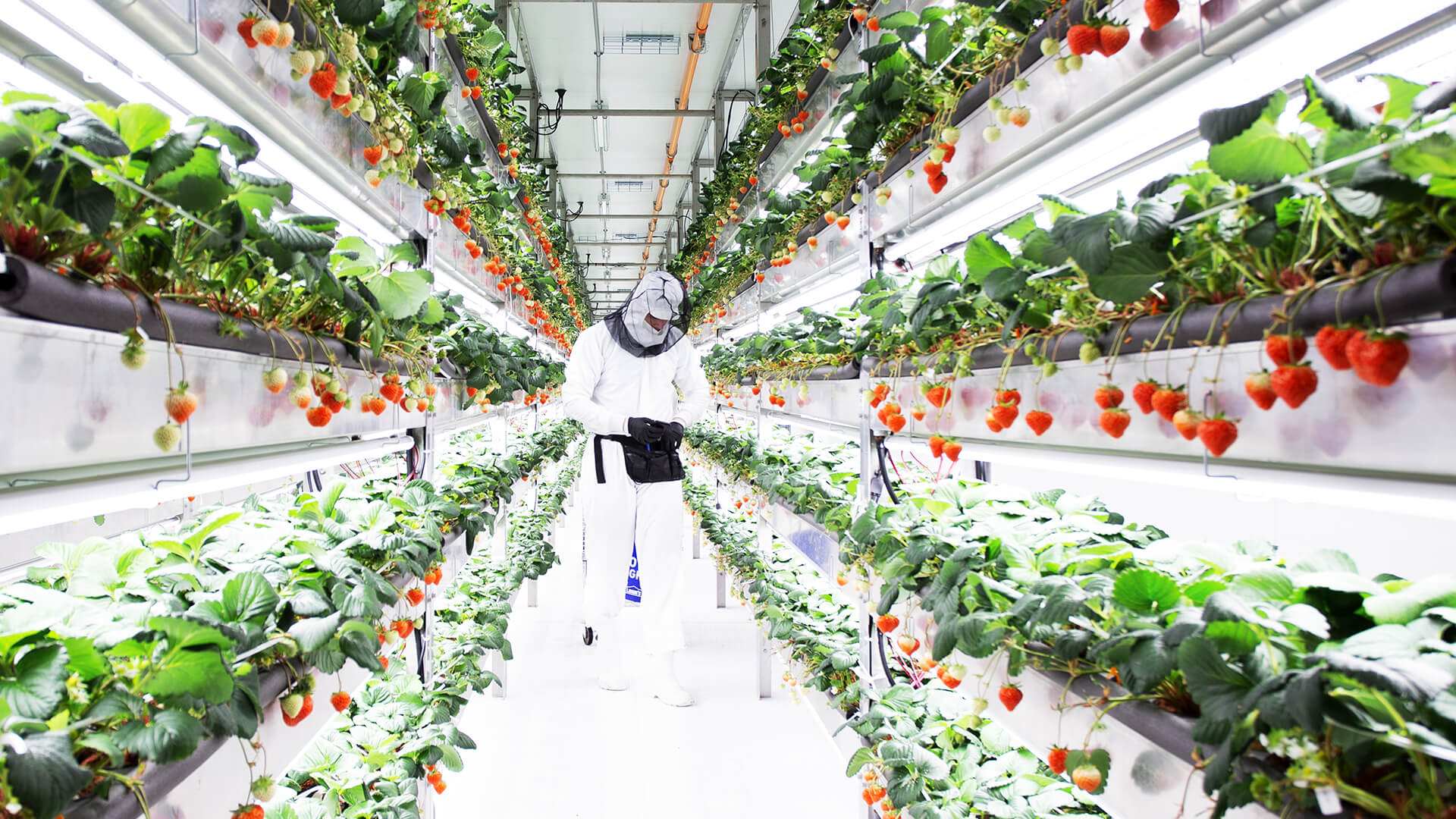
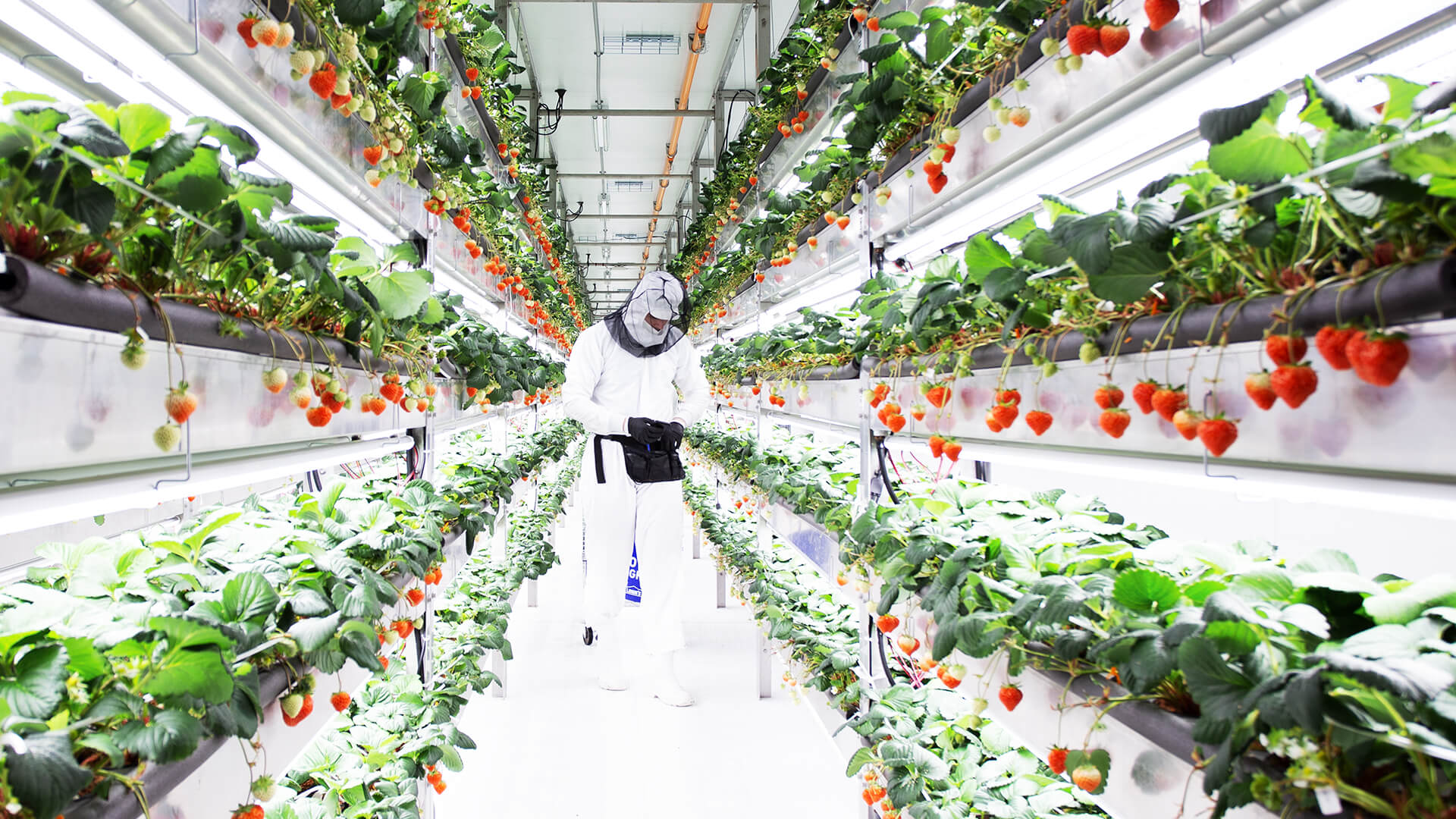
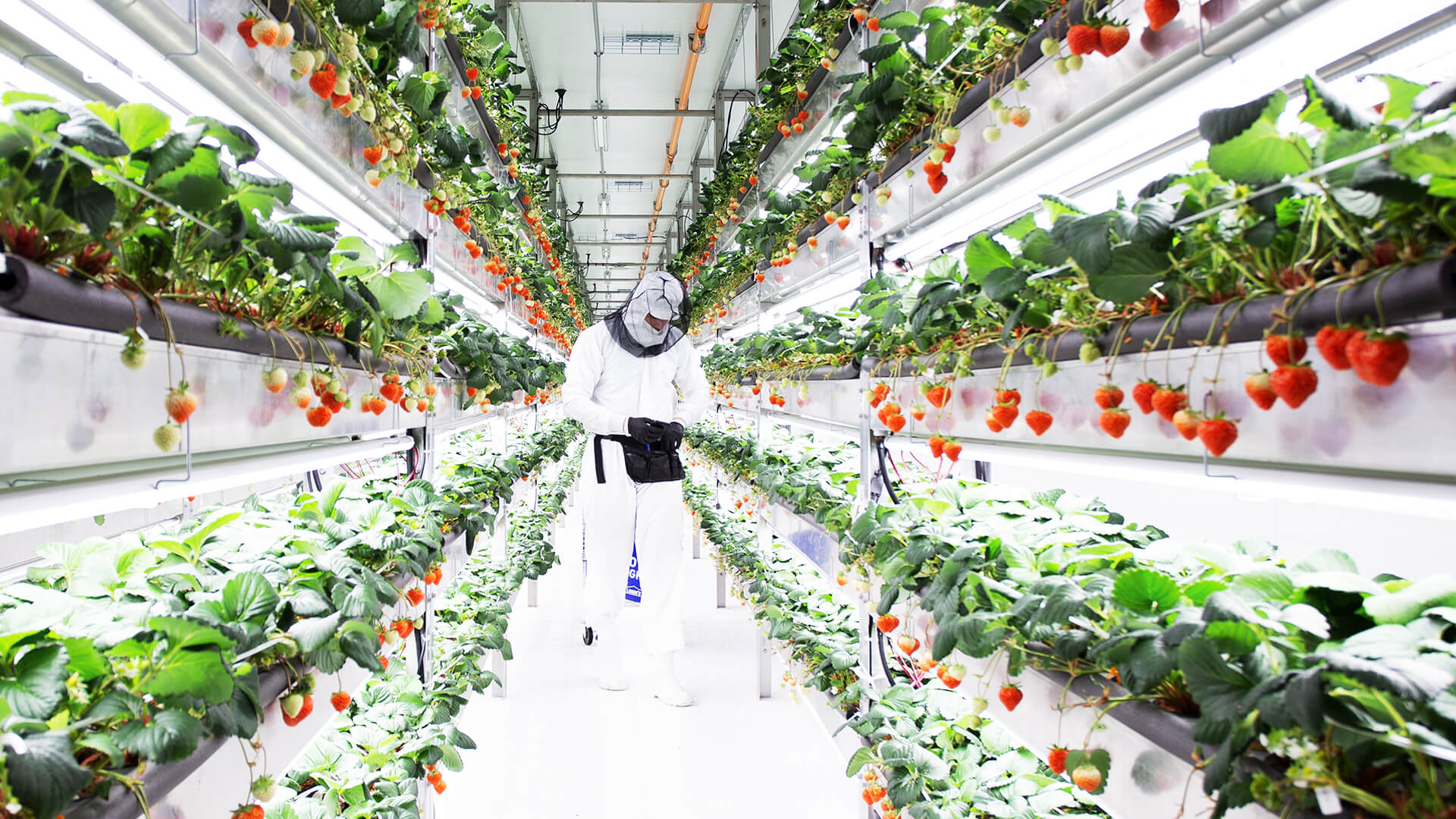
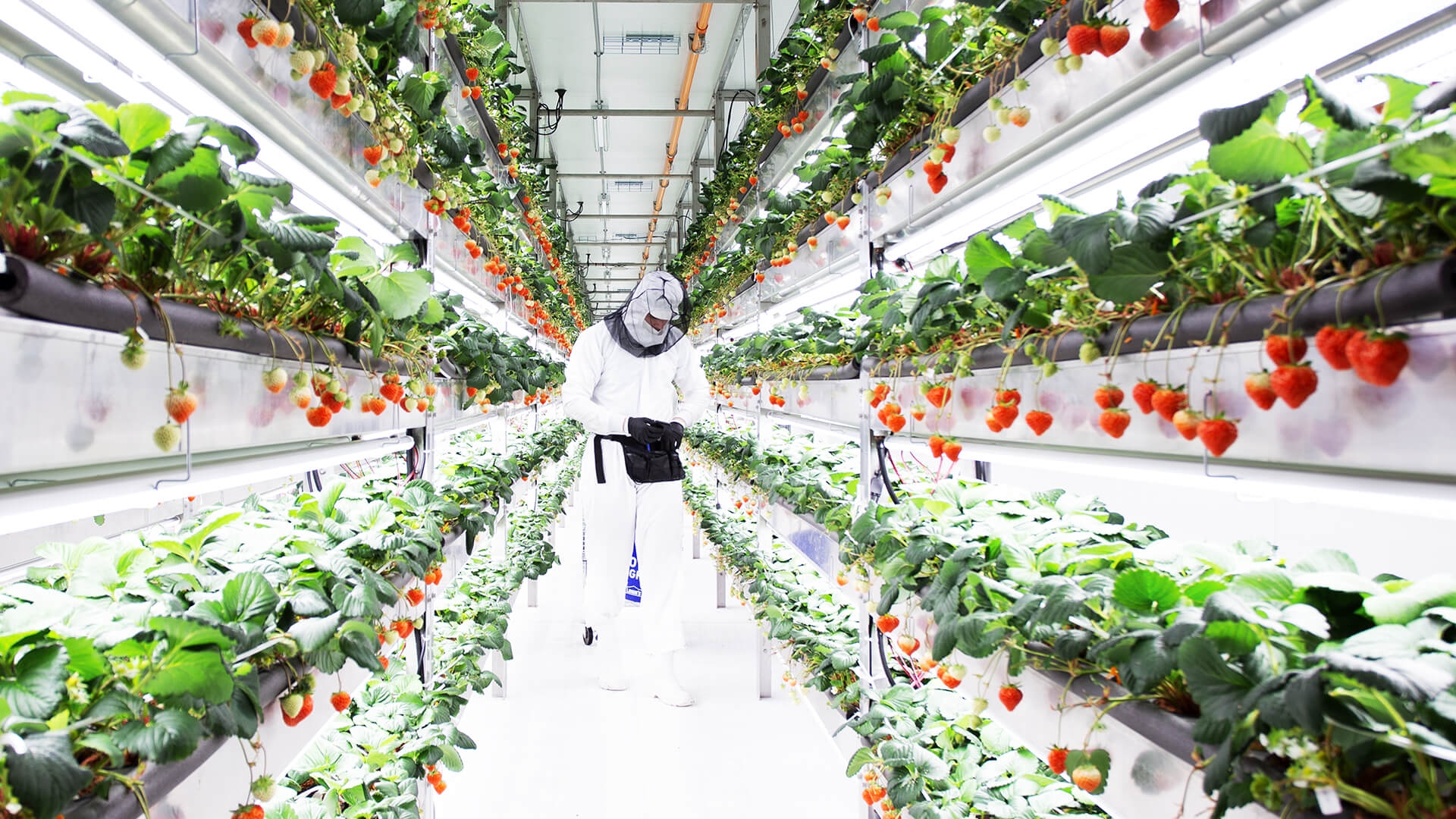
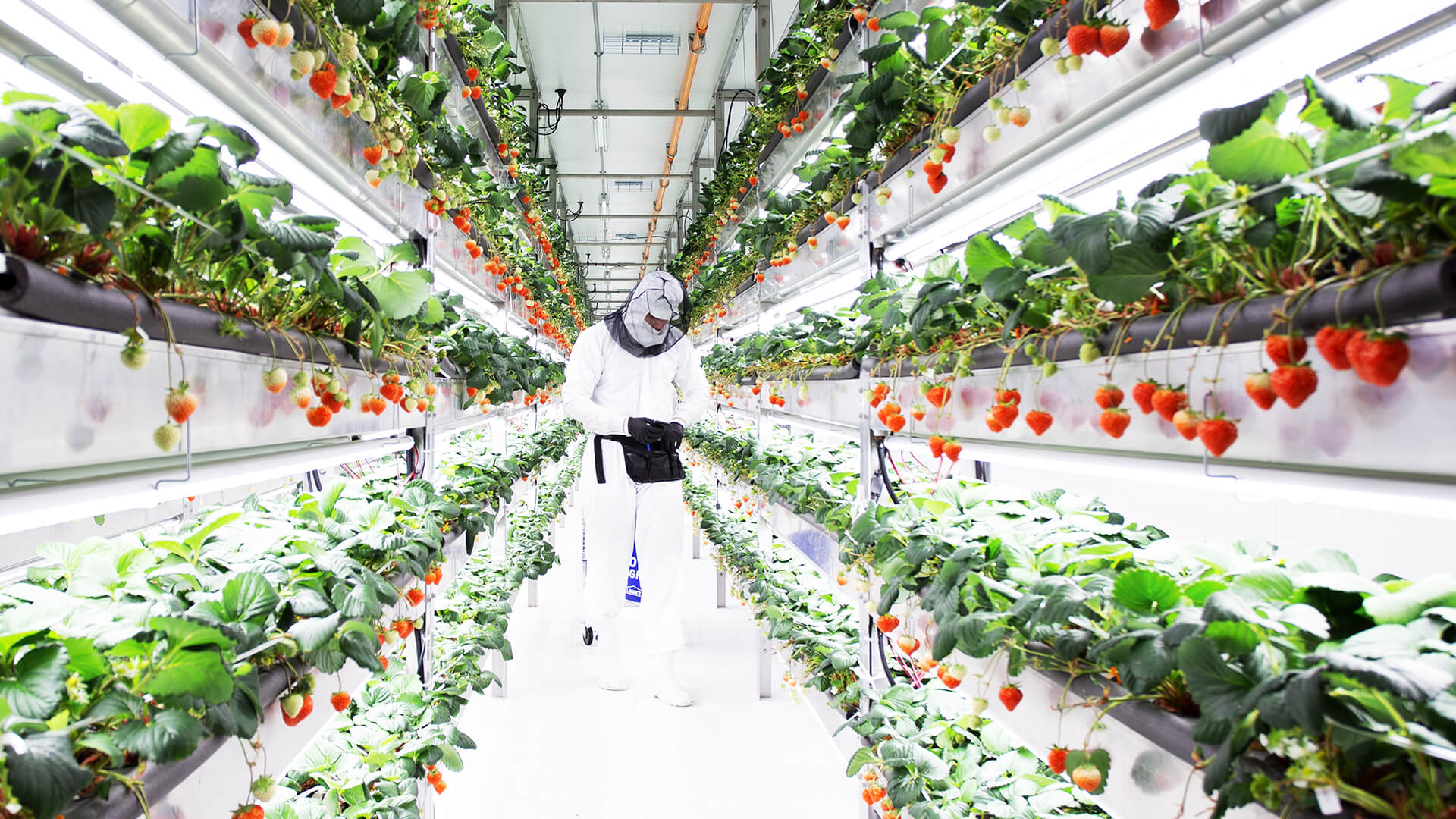
Growing strawberries vertically indoors is gaining popularity. This approach offers a way to maximize space, minimize pests, and enjoy fresh, homegrown strawberries year-round, regardless of your climate.
Traditional strawberry growing demands significant land area, is susceptible to ground-borne pests and diseases, and is entirely seasonal. Vertical systems sidestep these issues. You can cultivate a substantial amount of strawberries in a small footprint – a balcony, a patio, or even inside your kitchen. This is ideal for urban dwellers or anyone with limited garden space.
Beyond space, vertical growing offers better pest control. Keeping plants off the ground reduces access for many common strawberry pests. The controlled indoor environment also minimizes disease risk. With adequate lighting, you can harvest strawberries even in the dead of winter, extending the growing season indefinitely.
Vertical growing is more feasible for home growers than ever. While early systems were complex and expensive, more affordable, user-friendly options are now available. Whether you’re a seasoned gardener or a beginner, there's a system to suit your needs and budget. This is a promising path to consistently fresh strawberries.
Choosing the Right Strawberry Varieties
Not all strawberry varieties are ideal for indoor growing. Consider your goals: a single, large harvest or a continuous supply of berries. This will help you choose between June-bearing and everbearing varieties.
June-bearing strawberries, like Honeoye, produce a large crop all at once, typically over a two-to-three-week period. They require a period of cold dormancy to fruit properly, which can be a challenge to replicate indoors consistently. Everbearing varieties, on the other hand, produce multiple harvests throughout the growing season, though the yields per harvest are generally smaller.
Day-neutral varieties like Albion, Seascape, and Tristar perform well indoors. These varieties aren’t as reliant on day length for flowering, making them ideal for indoor growing with artificial light. Albion is robust and disease-resistant, while Seascape is known for its consistently high yields. Tristar is a smaller variety, well-suited for smaller vertical systems.
Day-neutral varieties are ideal for indoor vertical strawberry growing. They flower and fruit regardless of day length, as long as temperatures are within the optimal range. Newer cultivars are constantly being developed, but these three remain reliable performers. Researching local availability is recommended, but starting with Albion, Seascape, or Tristar is a safe bet.
- Albion: Robust, disease-resistant, high yields.
- Seascape: Consistent yields, good flavor.
- Tristar: Smaller plants, ideal for compact systems.
Strawberry Variety Comparison for Vertical Indoor Growing
| Variety Name | Bearing Type | Flavor Profile | Disease Resistance | Suitability for Vertical Systems |
|---|---|---|---|---|
| Albion | Everbearing | Sweet | High | Excellent |
| Seascape | Everbearing | Balanced | Medium | Excellent |
| Ozark Beauty | Everbearing | Tart | Medium | Good |
| Earliglow | June-Bearing | Sweet | Medium | Good |
| Allstar | June-Bearing | Balanced | Low | Fair |
| Tristan | Day-Neutral | Sweet-Tart | High | Excellent |
| San Andreas | Everbearing | Sweet | High | Excellent |
Illustrative comparison based on the article research brief. Verify current pricing, limits, and product details in the official docs before relying on it.
Vertical Systems: Options and Costs
The system is central to indoor vertical strawberry growing. A wide range is available, from simple DIY setups to sophisticated commercial options. The best choice depends on your budget, space, and DIY skills.
Stacked planters are a cost-effective starting point. These typically consist of tiered pots that allow you to grow multiple plants in a small footprint. They're relatively easy to set up, but can be prone to uneven watering. Costs range from $20 to $80 depending on size and material.
Wall pockets are another affordable option. They’re fabric pouches that attach to a wall, creating a living wall effect. They’re great for smaller spaces, but require frequent watering and fertilization. Expect to pay around $15 to $50 for a set. PVC towers are a more involved DIY project, but offer excellent scalability and drainage. The material cost is around $30-$60, but you'll need tools and some construction know-how.
Commercially available systems, like the GreenStalk Vertical Planter, offer a polished and convenient solution. These are often modular, allowing you to customize the size and shape of your garden. GreenStalk units start around $100 and can exceed $300 for larger configurations. They represent a significant investment, but the convenience and build quality are appealing. Some people adapt old rain gutters, which is a very low-cost option.
- Stacked Planters: $20 - $80, easy setup, potential for uneven watering.
- Wall Pockets: $15 - $50, ideal for small spaces, frequent watering required.
- PVC Towers: $30 - $60 (materials), DIY project, scalable.
- GreenStalk: $100+, convenient, modular, higher cost.
Estimated System Costs
- Stacked Planters (e.g., Mr. Stacky) - System ($60-$120), Growing Medium (Coco Coir/Potting Mix - $30-$50 for sufficient quantity), Strawberry Plants (10-20 plants - $20-$40). Total: $110 - $210
- Wall Pockets (e.g., Woolly Pocket) - System (Set of 5 pockets - $40-$80), Growing Medium ($20-$40), Strawberry Plants ($20-$40). Total: $80 - $160
- PVC Tower Garden (DIY) - PVC Piping & Fittings ($50-$100), Reservoir ($10-$20), Grow Medium (Rockwool/Clay Pebbles - $30-$60), Strawberry Plants ($20-$40). Total: $110 - $220
- GreenStalk Vertical Planter - System (Original 5-Tier - $149-$199), Growing Medium ($40-$60), Strawberry Plants ($20-$40). Total: $209 - $299
- Hanging Gutter Garden - Gutters (approx. $20-$40 for materials for a small system), Hanging Hardware ($10-$20), Growing Medium ($20-$30), Strawberry Plants ($20-$40). Total: $70 - $130
- Pallet Garden (Repurposed) - Pallet (Free - $30, depending on source), Landscape Fabric ($10-$20), Growing Medium ($30-$50), Strawberry Plants ($20-$40). Total: $60 - $140
Lighting and Environmental Control
Strawberries need adequate lighting for indoor vertical growing. Natural light is helpful, but rarely sufficient, especially during winter months. Supplement with grow lights.
LED grow lights are the most energy-efficient and produce minimal heat. They come in a variety of spectrums, but a full-spectrum LED is generally recommended for strawberries. Fluorescent grow lights are a cheaper alternative, but they're less efficient and produce more heat. For a small vertical garden, a 20-40 watt LED grow light should be adequate.
Strawberries need around 12-16 hours of light per day to thrive. A timer is incredibly useful for automating this process. Maintaining the right temperature is also critical. Ideally, strawberries prefer temperatures between 60-80°F (15-27°C). Good ventilation is key to preventing fungal diseases and ensuring proper air circulation.
Insufficient light leads to leggy growth and poor fruit production. Poor air circulation can quickly lead to gray mold. A small fan oscillating near your plants can make a difference. Monitoring temperature and humidity with a simple hygrometer is a good investment.
- Light Duration: 12-16 hours per day.
- Temperature: 60-80°F (15-27°C).
- Ventilation: Ensure good air circulation.
Nutrient Solutions and Watering
Providing the right nutrients is important for abundant harvests. Strawberries require a consistent supply of nutrients throughout their growth cycle. A balanced nutrient solution specifically formulated for strawberries is ideal.
Look for a solution with an NPK ratio of around 10-10-10 or 15-15-15, with added micronutrients like iron, manganese, and zinc. A liquid fertilizer that can be easily diluted with water is recommended. General Hydroponics Flora Series is a popular and effective option.
Watering is also important. Strawberries prefer consistently moist soil, but overwatering can lead to root rot. Drip irrigation is an excellent choice for vertical systems, as it delivers water directly to the roots. If hand watering, ensure the entire root ball is saturated, but avoid letting the plant sit in standing water.
Feed strawberries with a diluted nutrient solution every 1-2 weeks during the growing season. Supplement with compost tea occasionally to boost microbial activity. Checking the soil moisture regularly is essential – when the top inch feels dry, it’s time to water.
Pest and Disease Management
Even in a controlled indoor environment, strawberries can be susceptible to pests and diseases. Spider mites and aphids are common culprits, while gray mold and powdery mildew can develop in humid conditions.
Preventative measures are the best defense. Inspect plants regularly for signs of pests or disease. Good air circulation prevents fungal issues. Remove any dead or decaying leaves promptly.
If pests are encountered, organic pest control solutions are recommended. Neem oil is effective against a wide range of pests, while insecticidal soap can control aphids and spider mites. Both can be applied according to product instructions.
Maintaining high humidity can encourage fungal growth, so keeping the air circulating is key. If gray mold appears, remove affected berries immediately and improve ventilation. A diluted baking soda solution can also help inhibit fungal growth.
- Neem Oil: Effective against a wide range of pests.
- Insecticidal Soap: Controls aphids and spider mites.
- Good Ventilation: Prevents fungal diseases.
- Remove Dead Leaves: Reduces pest and disease harborages.
Pollination Strategies for Indoor Berries
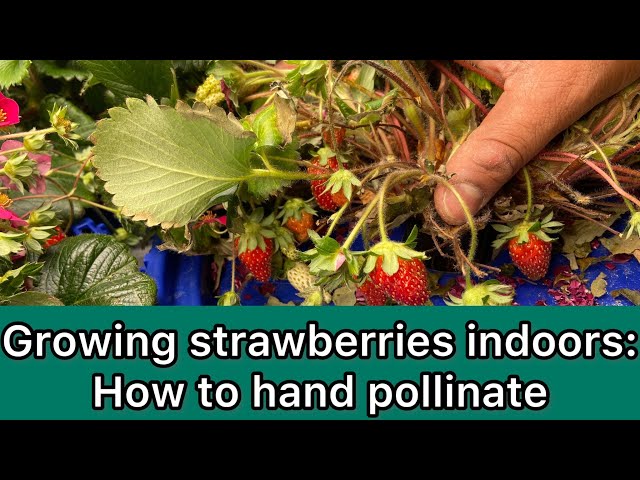
Since strawberries are growing indoors, natural pollination by bees or other insects won’t occur. You’ll need to ensure fruit set yourself.
Hand-pollination is the most reliable method. Use a small, soft brush to gently transfer pollen from the stamen (the male part of the flower) to the pistil (the female part). Do this for each flower, ideally in the morning when the pollen is most viable.
Alternatively, use a small fan to circulate air around the plants, which can help distribute pollen. This is less precise than hand-pollination but can be effective. Introducing beneficial insects, like predatory mites, can also help with pollination, but this is a more complex undertaking.
undefined’ve found that hand-pollination yields the best results. I aim to pollinate each flower every other day, and my success rate is around 80-90%. It takes a little time and patience, but the reward of homegrown strawberries is well worth the effort.
Troubleshooting Common Problems
Even with the best care, you may encounter problems with your indoor strawberry garden. Yellowing leaves can indicate nutrient deficiencies, overwatering, or underwatering. Adjust your fertilizer schedule and watering practices accordingly.
Poor fruit set can be caused by insufficient pollination, inadequate light, or temperature fluctuations. Ensure you’re hand-pollinating regularly, providing enough light, and maintaining a stable temperature. A lack of runners usually points to insufficient light or nutrients. Increase light exposure and fertilization.
If your plants are growing slowly or appear stunted, it could be a sign of root rot. Check the roots for signs of decay and repot the plants in fresh, well-draining soil. I once accidentally overwatered my plants, and the roots started to rot. A quick repotting saved them.
I’ve also struggled with powdery mildew, especially during humid periods. Improving ventilation and applying a fungicide helped to resolve the issue. Don’t be afraid to experiment and learn from your mistakes. Growing strawberries is a rewarding experience, and every challenge is an opportunity to improve your skills.
What is your biggest challenge when growing strawberries vertically indoors?
Your feedback helps us tailor our 2026 indoor gardening guides to solve your most common cultivation hurdles. Vote below!
No comments yet. Be the first to share your thoughts!