

Beyond the Garden: Why Vertical Cucumbers?
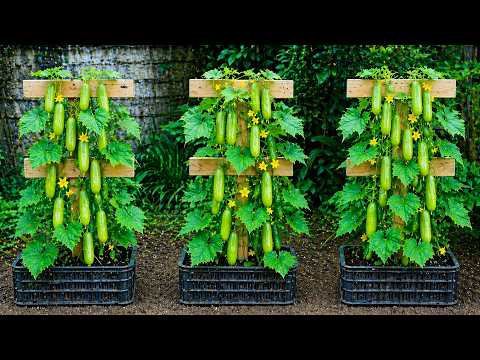
Picking a fresh cucumber from your own garden is satisfying. But if you lack outdoor space, vertical cucumber growing offers a way to achieve a bountiful harvest indoors.
Vertical growing saves space, a major advantage for small living areas. It also improves air circulation, which helps prevent fungal diseases and makes pest detection easier. With the right methods, harvesting 50+ cucumbers from a few indoor plants is achievable.
Vertical gardening isn't new. Gary Pilarchik shared effective methods on YouTube in 2012, and the concept has since been refined. Today, better varieties and supplies make it more accessible than ever. This is a practical solution, and this guide will show you how to implement it.
A consistent supply of homegrown cucumbers offers more than just fresh produce. It provides the joy of growing your own food, control over ingredients, and the satisfaction of a successful harvest, yielding both flavor and accomplishment.
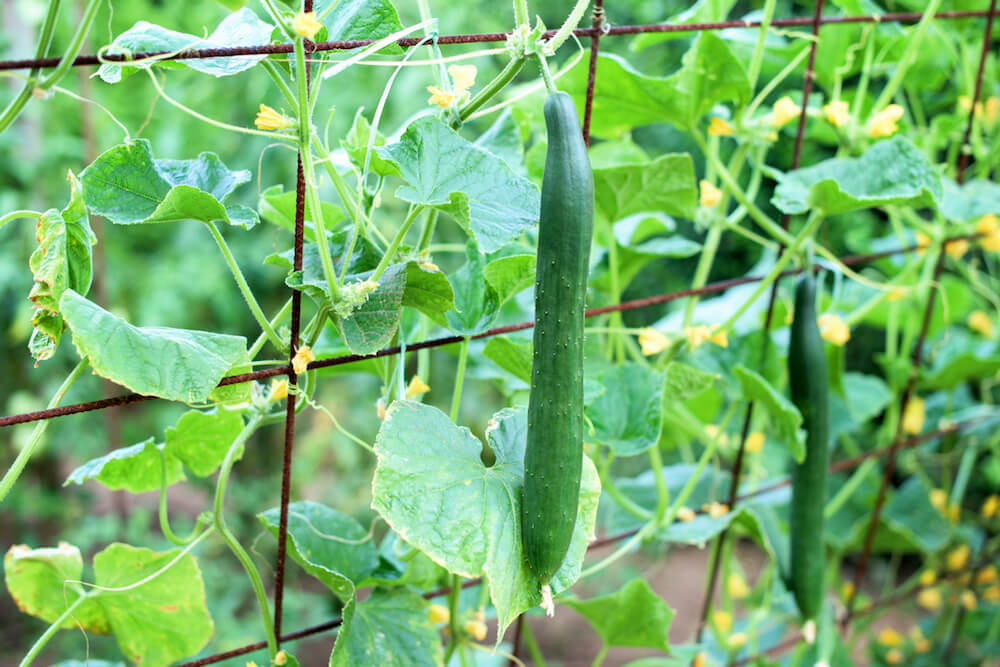
Choosing the Right Cucumber Variety
Choose cucumber varieties suited for vertical growth. Vining types are difficult to manage vertically; opt for bush or compact varieties bred for containers and trellising. This choice significantly impacts success.
"Spacemaster’ is a reliable producer with good slicing fruit, though it can be prone to powdery mildew without good airflow. ‘Bush Champion’ offers disease resistance and consistent yields but requires regular watering. ‘Patio Snacker" produces smaller, snack-sized cucumbers. Understanding each variety's needs is important.
Parthenocarpic varieties are ideal for indoor growing as they produce fruit without pollination, eliminating the need for bees. "Diva’ and ‘Sweet Success" are popular options that consistently yield seedless cucumbers.
These established varieties provide a good starting point. Experiment with a couple of types to determine what performs best in your environment.
- Spacemaster: Reliable producer, good for slicing, can be prone to powdery mildew.
- Bush Champion: Disease resistant, consistent yields, needs consistent watering.
- Patio Snacker: Produces snack-sized cucumbers.
- Diva/Sweet Success: Parthenocarpic (seedless, no pollination needed).
Cucumber Varieties for Vertical Indoor Growing
| Variety Name | Growth Habit | Fruit Size | Days to Maturity | Pollination Required | Disease Resistance |
|---|---|---|---|---|---|
| Spacemaster | Bush | Medium (6-8 inches) | 50-55 days | No | Medium |
| Bush Champion | Bush | Medium (6-8 inches) | 55-60 days | No | Medium |
| Patio Snacker | Bush | Small (4-6 inches) | 50 days | No | Medium |
| Diva | Vine | Medium-Large (7-9 inches) | 58-65 days | Yes | High |
| Mini Munch | Bush | Small (2-4 inches) | 48-52 days | No | Medium |
| Armenian | Vine | Long (12-18 inches) | 60-70 days | Yes | Low |
Illustrative comparison based on the article research brief. Verify current pricing, limits, and product details in the official docs before relying on it.
Support Systems: Trellises, Cages, and More
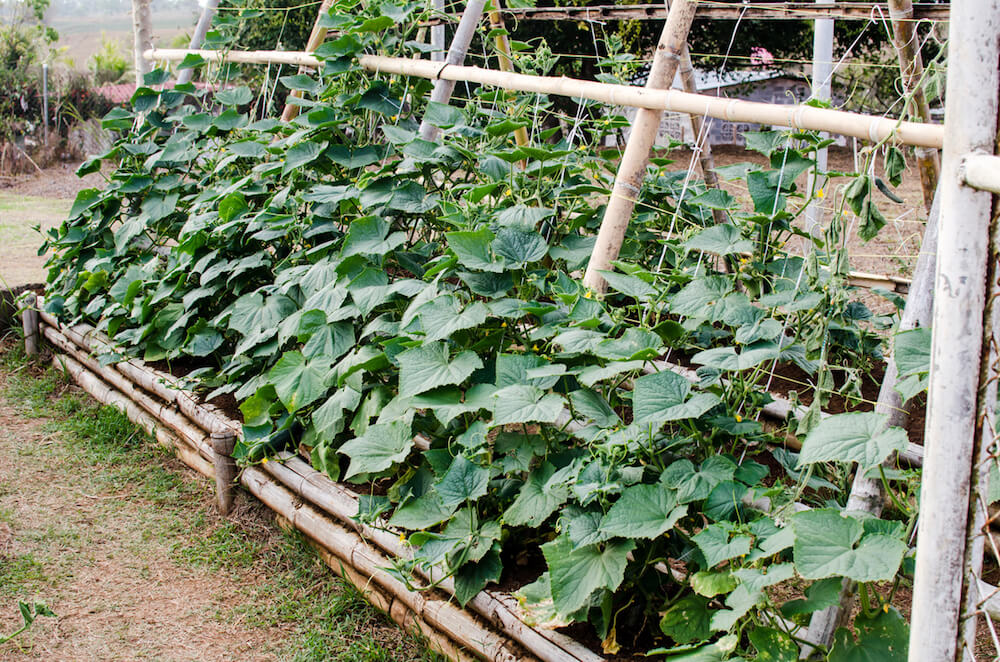
After selecting your variety, provide adequate support. Cucumbers become heavy when fruiting, so a sturdy support system is essential. Options range from simple to purpose-built.
Tomato cages offer effective support for bush cucumbers, though they may need reinforcement for heavier vines. DIY trellises, built with materials like bamboo stakes, twine, or chicken wire, provide a customizable alternative.
Specialized vertical planters with built-in trellises offer a clean, organized look but can be more expensive. Sturdy trellises made from wood or metal provide a reliable long-term solution.
Stability is key. Ensure the support is firmly anchored and can handle the weight of a mature plant to prevent broken vines and lost fruit.
- Tomato Cages: Inexpensive, readily available, may need reinforcement.
- DIY Trellises: Customizable, can be made from bamboo or chicken wire.
- Vertical Planters: Clean look, can be more expensive.
Container and Soil: The Foundation for Growth
Cucumbers require significant nutrients. Use large containers, at least 5 gallons per plant, with 7-10 gallons recommended. Larger containers allow for better root growth and reduce watering frequency.
Use a well-draining, nutrient-rich potting mix. Avoid garden soil, which compacts and hinders drainage. A blend of equal parts compost, peat moss, and perlite balances nutrients, moisture retention, and aeration.
Incorporate slow-release fertilizer at planting for a strong start, such as an organic vegetable fertilizer with an NPK ratio of 5-5-5. Monitor soil pH, aiming for 6.0-6.8; amend with lime to raise pH or sulfur to lower it.
Ensure containers have drainage holes to prevent waterlogging, as soggy roots can kill plants. Proper container and soil preparation are fundamental for a productive indoor garden.
Light, Water, and Feeding: The Daily Routine
Cucumbers need 6-8 hours of direct sunlight daily for a good harvest. Indoor growing typically requires supplemental grow lights, chosen based on budget and space.
undefined recommend a 100-watt LED grow light or a 40-watt fluorescent light. Position the light about 12-18 inches above the plants. I find a timer useful for consistency.
Watering is crucial. Cucumbers need consistently moist soil, but they don’t like to be waterlogged. Check the soil moisture daily and water when the top inch feels dry to the touch. During hot weather, you may need to water more frequently. I typically water my cucumber plants every other day, but I adjust based on the weather and the plant’s needs.
Regular feeding is also essential. I feed my cucumber plants with a balanced liquid fertilizer every two weeks, especially during fruiting. I use a fertilizer with an NPK ratio of 10-10-10. You can also supplement with compost tea or seaweed extract. Consistent light, water, and feeding are the keys to maximizing your cucumber yield.
Pollination and Fruit Set Indoors
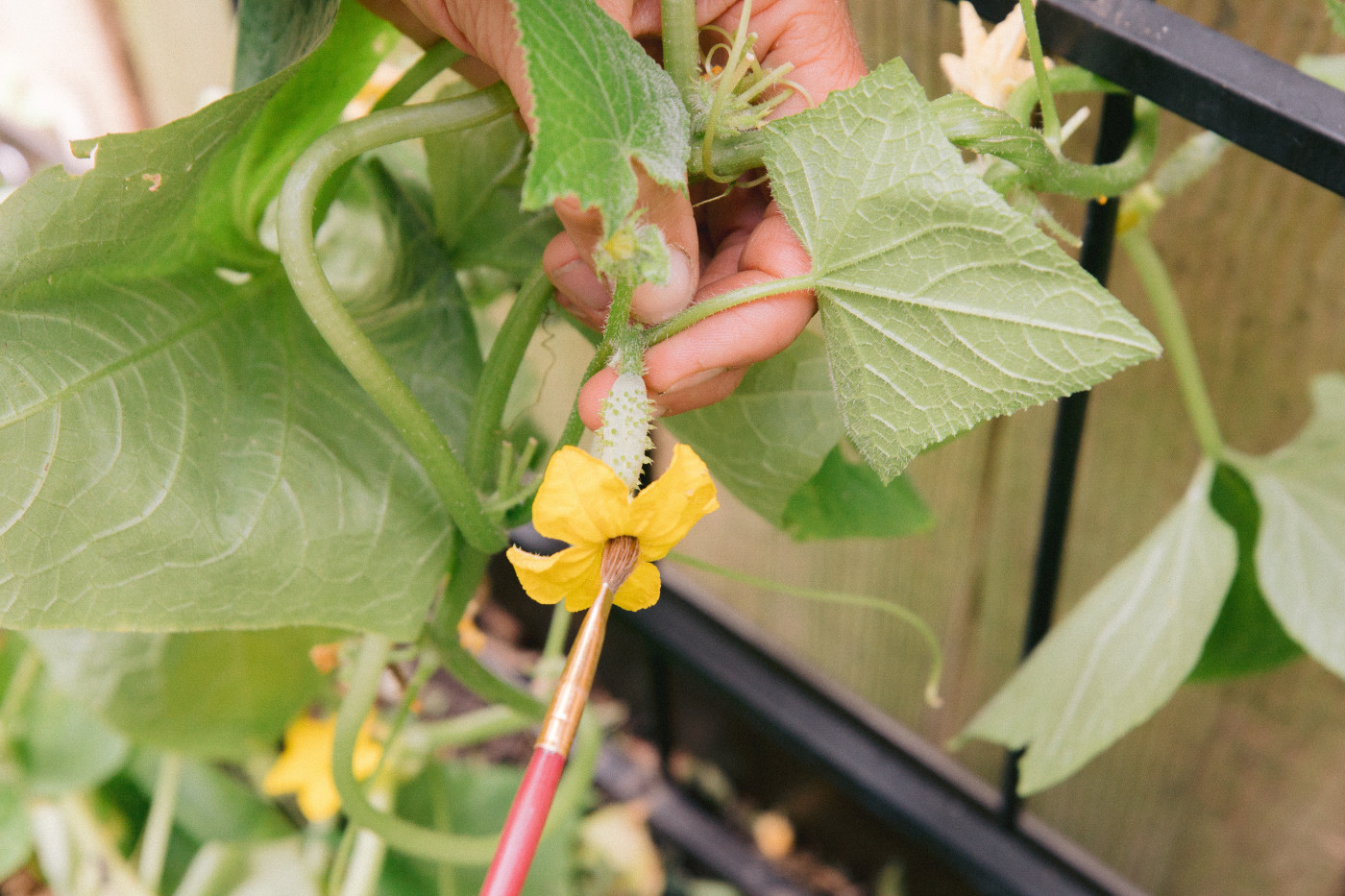
This is where indoor cucumber growing gets a little tricky. Outdoor cucumbers rely on bees for pollination, but your indoor garden won't have any buzzing visitors. If you’re growing a non-parthenocarpic variety, you’ll need to hand-pollinate the flowers. It sounds daunting, but it’s actually quite simple.
First, you need to identify the male and female flowers. Male flowers have a straight stem, while female flowers have a small, immature cucumber at the base of the stem. Using a small paintbrush, gently transfer pollen from the male flower to the female flower. Repeat this process for each flower. I aim to do this in the morning when the pollen is most viable.
Of course, choosing parthenocarpic varieties eliminates this step entirely. This is a huge advantage for indoor growers. They reliably set fruit without any intervention. My success rate with hand-pollination is about 80-90%, but it does require some time and effort. It's a small price to pay for a fresh cucumber salad, though.
I've found that gently shaking the plant can also help with pollination, even for parthenocarpic varieties. It seems to stimulate fruit set. It's a little bit of extra insurance.
Pest and Disease Management
Indoor gardens are generally less prone to pests and diseases than outdoor gardens, but problems can still occur. Aphids and spider mites are common cucumber pests. You can control them with insecticidal soap or neem oil. Apply the spray directly to the affected areas, and repeat as needed. I always check the underside of the leaves first, as that’s where these pests like to hide.
Powdery mildew is a common fungal disease that can affect cucumbers. It appears as a white, powdery coating on the leaves. Proper ventilation and humidity control are the best ways to prevent powdery mildew. Make sure your plants have good air circulation, and avoid overcrowding. I also use a preventative spray of baking soda and water.
I've found that regular inspection is the best defense against pests and diseases. Catching problems early makes them much easier to manage. I check my cucumber plants at least once a week for any signs of trouble. I also remove any dead or yellowing leaves to prevent the spread of disease.
I use a combination of preventative measures and organic treatments to keep my cucumber plants healthy. I avoid using harsh chemicals, as I want to ensure that my cucumbers are safe to eat. A little bit of vigilance goes a long way.
- Aphids/Spider Mites: Control with insecticidal soap or neem oil.
- Powdery Mildew: Prevent with good ventilation and humidity control, baking soda spray.
- Regular Inspection: Check plants weekly for signs of pests or diseases.
Harvesting and Maximizing Your 50+ Cucumber Goal
Knowing when to harvest cucumbers is key to getting the best flavor and yield. Cucumbers are best harvested when they’re still young and tender. The size will vary depending on the variety, but generally, you want to harvest them when they’re about 6-8 inches long. The skin should be firm and dark green, and the cucumber should feel heavy for its size.
I use pruning shears to cut the cucumbers from the vine, leaving a small stem attached. This prevents the cucumber from rotting. I harvest cucumbers every day or two to encourage continued production. The more you harvest, the more the plant will produce.
So, how do you reach that 50+ cucumber goal? It’s achievable, but it requires consistent care and attention. Start with at least two or three plants. Choose a high-yielding variety, like "Spacemaster’ or ‘Bush Champion". Provide plenty of light, water, and fertilizer. Hand-pollinate if necessary. And most importantly, harvest regularly.
It's not a passive process. It takes effort, but the reward—a continuous supply of fresh, homegrown cucumbers—is well worth it. Don't get discouraged if your first harvest isn't huge. Keep learning, keep experimenting, and you'll be enjoying a bountiful cucumber harvest in no time.
No comments yet. Be the first to share your thoughts!