

Growing zucchini indoors
Growing zucchini indoors sounds…ambitious, doesn’t it? It’s not the first plant that comes to mind when you think of indoor gardening. But it's becoming more and more popular, and for good reason. You can successfully grow these summer squash favorites inside, and the results are genuinely rewarding.
The benefits are compelling. You can extend your growing season far beyond the typical summer months, giving you fresh zucchini even in winter. Indoor gardening also saves space – a big plus for apartment dwellers or anyone with limited outdoor areas. Plus, you have complete control over the growing conditions, protecting your plants from pests and unpredictable weather.
I’ve seen a real shift in the last few years, with more gardeners experimenting with indoor zucchini. It’s not just a novelty; people are getting consistent harvests. It takes some planning and the right approach, but it's absolutely achievable. Let’s explore how to make it happen.
Why vertical gardening works
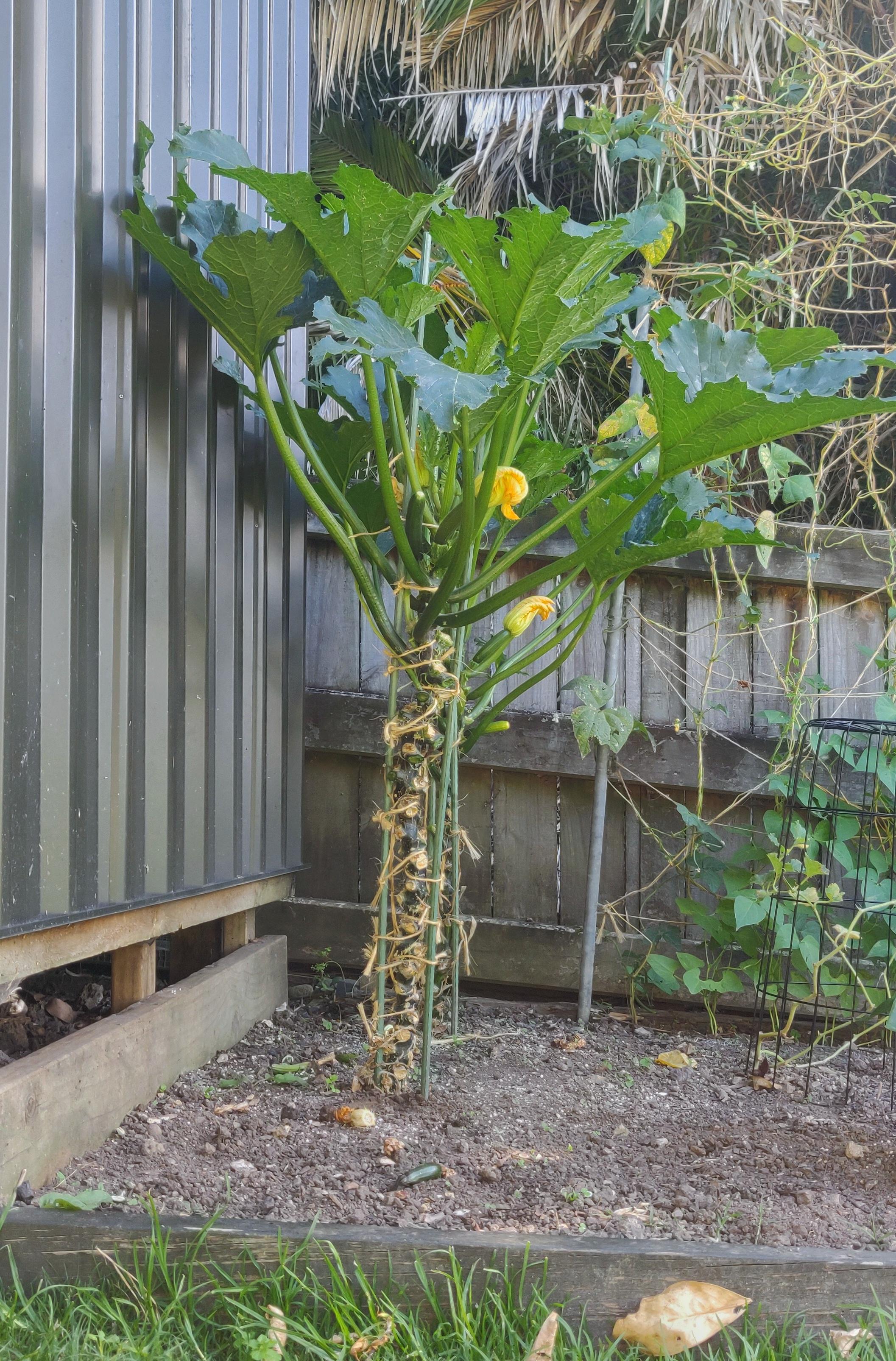
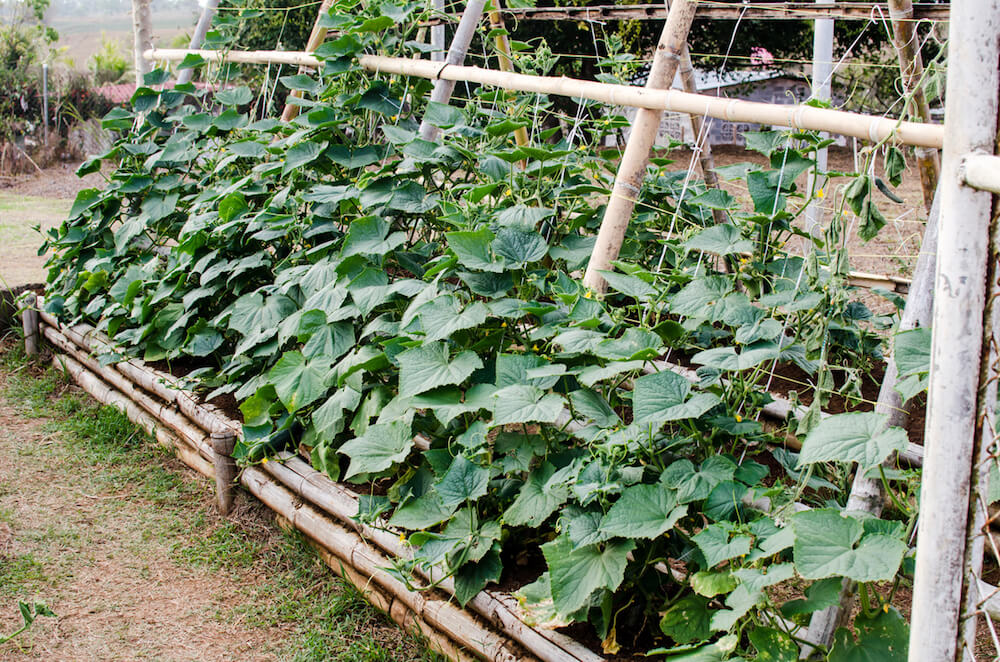
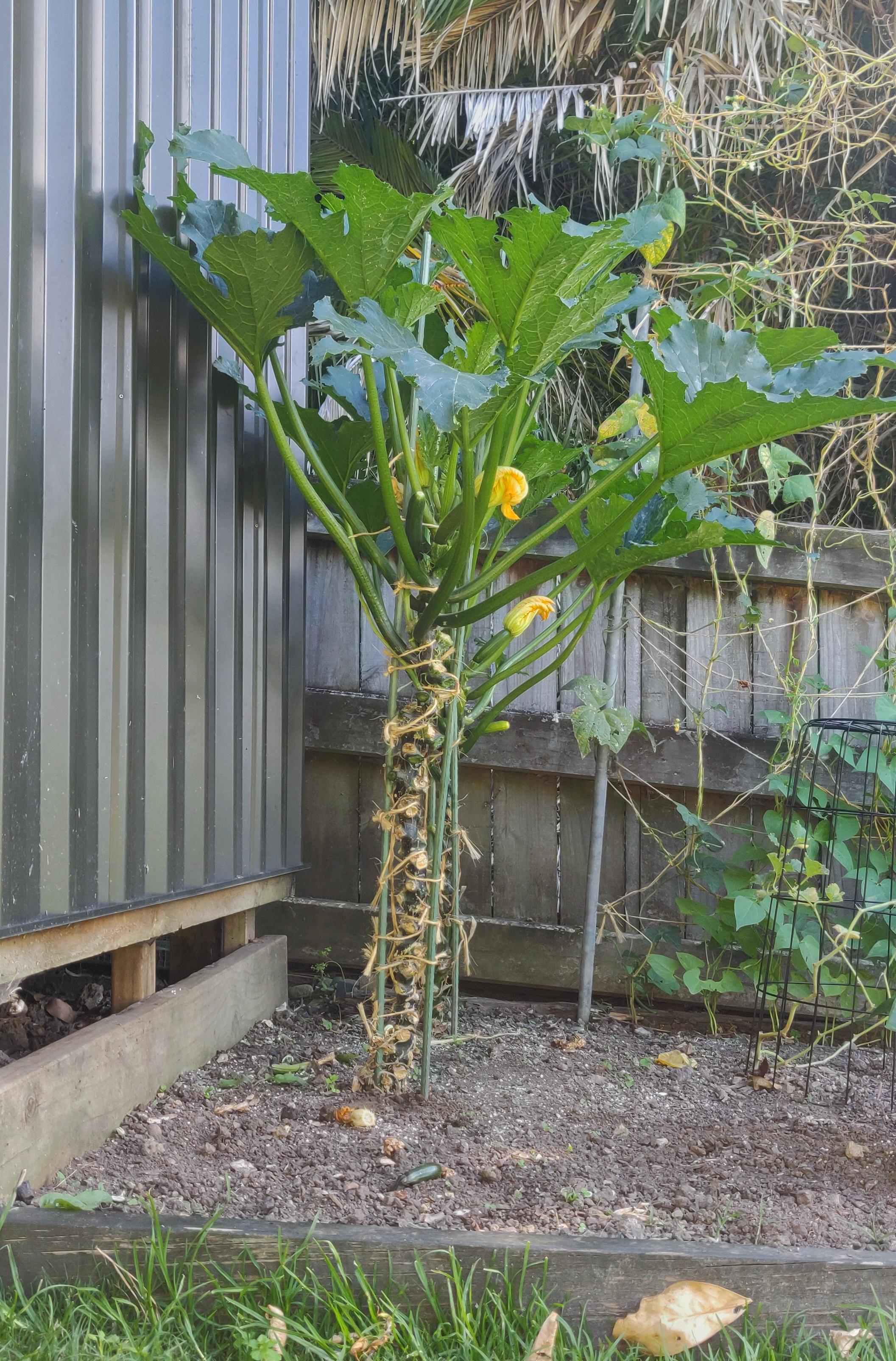
Zucchini plants are notorious for their sprawling growth habit. Left unchecked, a single plant can easily take over a significant portion of a garden. That’s obviously not ideal for indoor spaces, even larger ones. This is where vertical gardening comes in, and it’s a game-changer.
Matt Large, in his YouTube video “Grow Zucchini Vertically to Save Space And Boost Harvests,” really hits the nail on the head. He points out that growing vertically is one of the cheapest and easiest ways to address the space issues that come with zucchini. It’s a simple concept, but incredibly effective.
Beyond space saving, vertical growing offers other advantages. Improved air circulation around the plants helps reduce the risk of powdery mildew, a common zucchini problem. Harvesting is also much easier when the fruits are at eye level. Some gardeners even report higher yields with vertical systems, as the plants have more energy directed towards fruit production rather than vine growth.
You'll need some kind of support system. Trellises are the most common and straightforward option, as noted by the Texas Master Gardener Program (txmg.org). They can be easily incorporated into existing indoor setups. Other options include sturdy stakes, netting, or even repurposed materials.
Compact
Choosing the right variety is the first step towards success with indoor vertical zucchini growing. Not all zucchini are created equal, and some are much better suited for containers and limited space than others. Here are six compact varieties to consider:
Black Beauty: This is a classic heirloom variety known for its dark green, glossy fruits. It typically grows to a bush-like shape, reaching around 2-3 feet in height and spread. Fruits average 6-8 inches long and mature in 55-65 days. It's fairly disease resistant.
Patio Star: As the name suggests, this variety is specifically bred for container gardening. It’s incredibly compact, reaching only 1.5-2 feet in height and spread. Fruits are dark green, 6-8 inches long, and mature in 50-60 days. The flavor is described as mild and sweet.
Eight Ball: Another excellent choice for small spaces, Eight Ball produces round, dark green fruits that resemble…well, eight balls! Plants grow to around 2 feet in height and spread, and fruits mature in 55-65 days. This one is a conversation starter, to be sure.
Spacemiser: This variety lives up to its name, remaining very compact – around 1.5-2 feet tall and wide. It produces cylindrical, dark green fruits that are 6-8 inches long. Expect maturity in 50-60 days. Disease resistance is moderate.
Astia: Astia is known for its early maturity (around 48-52 days) and compact growth habit, typically reaching 2 feet in height and spread. The fruits are dark green and cylindrical, averaging 6-8 inches in length. Flavor is reportedly good, but information is limited.
Gold Rush: If you’re looking for something a little different, Gold Rush produces beautiful yellow zucchini. Plants grow to around 2-3 feet in height and spread, and fruits mature in 55-65 days. Sage’s Acre notes that Black Zucchini’s tight, bushy nature means it does well in small spaces. While Gold Rush isn’t black, it shares that compact habit.
- Black Beauty: Classic heirloom, dark green fruits (6-8 inches), 2-3 ft height/spread, matures in 55-65 days. Fairly disease resistant.
- Patio Star: Bred for containers, compact (1.5-2 ft height/spread), dark green fruits (6-8 inches), matures in 50-60 days. Mild, sweet flavor.
- Eight Ball: Round, dark green fruits, 2 ft height/spread, matures in 55-65 days. A unique choice.
- Spacemiser: Very compact (1.5-2 ft height/spread), cylindrical dark green fruits (6-8 inches), matures in 50-60 days. Moderate disease resistance.
- Astia: Early maturity (48-52 days), compact (2 ft height/spread), dark green cylindrical fruits (6-8 inches). Good flavor, limited info.
- Gold Rush: Produces yellow zucchini, 2-3 ft height/spread, matures in 55-65 days. Shares a compact habit with other small-space varieties.
Compact Zucchini Varieties for Vertical Indoor Gardens: Best Picks for 2026
| Variety Name | Growth Habit | Max Height (ft) | Fruit Size (inches) | Days to Maturity | Disease Resistance | Best For |
|---|---|---|---|---|---|---|
| Spacemaster | Bush | 3 | 6-8 | 55 | Medium | Container/Vertical |
| Patio Star | Bush | 2-3 | 4-6 | 50 | Medium | Container/Vertical |
| Eight Ball | Bush | 2 | 3-4 | 50 | High | Container/Vertical |
| Astia | Bush | 2.5 | 5-7 | 48 | Medium | Vertical |
| Bush Baby | Bush | 2 | 4-6 | 52 | Low | Container/Vertical |
| Black Forest | Vining | 6-8 | 8-12 | 60 | Medium | Vertical |
Illustrative comparison based on the article research brief. Verify current pricing, limits, and product details in the official docs before relying on it.
Setting Up Your Indoor Zucchini System
Okay, you’ve chosen your variety—now it’s time to get your indoor garden set up. The right environment is absolutely critical for success. Start with the container. A minimum of 5 gallons is recommended per plant, but 10 gallons or larger is even better. Ensure the container has excellent drainage; zucchini don’t like soggy roots.
Use a high-quality potting mix that is well-draining and rich in organic matter. A mix specifically formulated for vegetables is a good choice. Lighting is also essential. Zucchini need at least 6-8 hours of direct light per day. Full-spectrum LED grow lights are the best option, providing the necessary wavelengths for healthy growth. Consider a setup that allows you to adjust the height of the lights as the plants grow.
A sturdy trellis is a must. As we discussed, the Texas Master Gardener Program suggests trellises as an easy choice. You can use a pre-made trellis or build your own. The trellis should be tall enough to support the growing vines (at least 6-8 feet). Secure the trellis firmly to prevent it from tipping over.
Finally, and this is crucial, you’ll need to hand-pollinate the flowers. Indoor zucchini plants don’t have access to bees or other pollinators. Use a small paintbrush to transfer pollen from the male flowers to the female flowers. This is best done in the morning when the pollen is most viable.
Troubleshooting Common Issues
Even with careful planning, you might encounter some challenges when growing zucchini indoors. Powdery mildew is a common issue, especially in humid environments. Ensure good air circulation and consider using a preventative fungicide if necessary. Squash vine borers are less common indoors, but it’s still worth inspecting the stems regularly for signs of damage.
Blossom end rot, caused by calcium deficiency, can sometimes occur. Ensure your potting mix contains adequate calcium and maintain consistent watering. Poor fruit set is often due to lack of pollination. Double-check your hand-pollination technique and ensure you’re transferring pollen effectively.
Pest infestations, such as aphids or spider mites, can also occur. Regularly inspect your plants for signs of pests and treat them promptly with insecticidal soap or neem oil. Prevention is key – maintaining a clean growing environment and providing adequate ventilation can help minimize pest problems.
Support Systems: Trellises and More
We’ve talked about trellises, but they aren't your only option for vertical support. The best choice depends on your space, budget, and aesthetic preferences. Traditional trellises, made from wood or metal, offer excellent stability and can be quite attractive. Plastic trellises are a more affordable option, but may not be as durable.
Tomato cages can also work well, especially for bush-type zucchini varieties. Netting is another versatile option, providing a large surface area for the vines to climb. DIY support structures are a fun and creative way to save money and customize your garden. Allthelittlereasons.com emphasizes the importance of having all your supplies ready before planting, and that includes your support system.
Consider the weight-bearing capacity of your support system. Zucchini vines can become quite heavy, especially when loaded with fruit. Make sure your chosen support is strong enough to handle the load. Also, think about accessibility. You’ll need to be able to easily reach the fruits for harvesting.
Essential Gear for Your Vertical Indoor Zucchini Garden
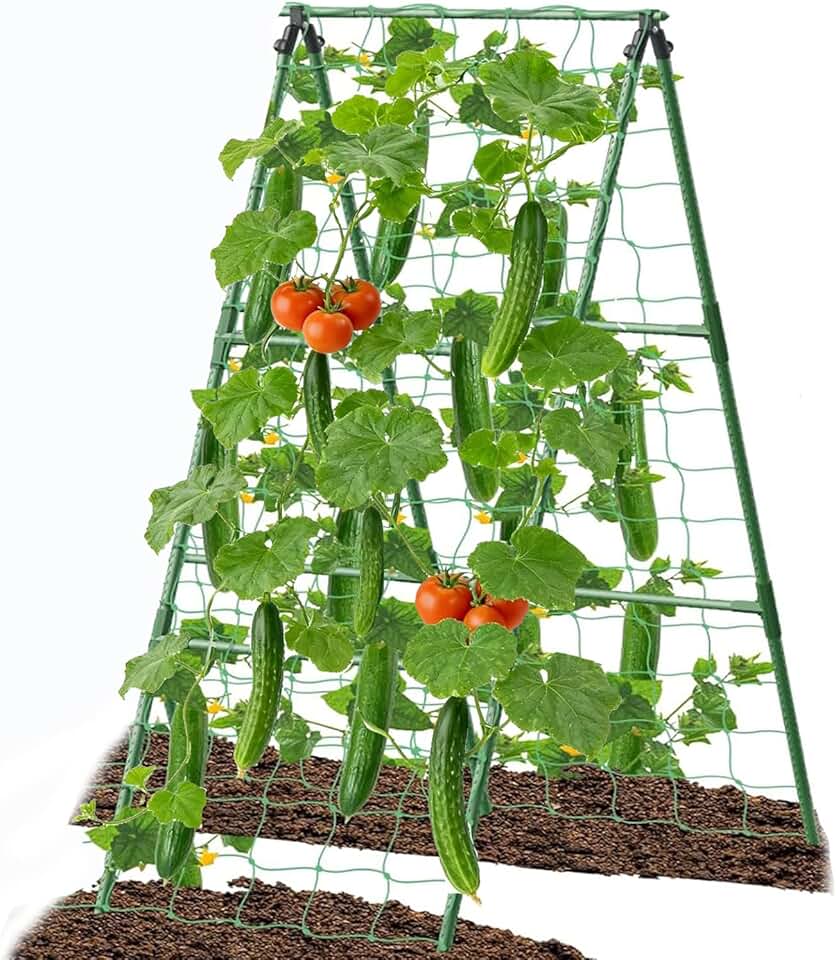
A-frame design for climbing plants · Suitable for peas, fruit vines, and vegetables · Designed for smaller, non-heavy plants
This trellis offers crucial vertical support for compact zucchini varieties, enabling them to grow upwards and save space in your indoor garden.

Full spectrum 6000K light with white and red LEDs · Clip-on design for easy mounting · Adjustable brightness and auto timer (4/8/12 hours)
This LED grow light provides the necessary light spectrum and customizable settings to ensure your indoor zucchini plants thrive, even without natural sunlight.

5-gallon capacity · Thickened nonwoven fabric for aeration · Includes handles for portability
These fabric grow bags offer excellent drainage and aeration, creating an optimal environment for zucchini roots to flourish in your vertical garden setup.

Organic potting mix · Ideal for container and indoor/outdoor plants · Provides nutrients for vegetables, flowers, and herbs
This organic potting soil provides a nutrient-rich foundation essential for the healthy growth and development of zucchini plants in containers.

Pack of 12 brushes · Aids in pollinating indoor plants · Designed to increase fruit yield
These pollinating brushes are essential for ensuring successful fruit set on your indoor zucchini plants, which may not have access to natural pollinators.
As an Amazon Associate I earn from qualifying purchases. Prices may vary.
Zucchini Standouts: 'Patio Star' & 'Eight Ball'
If I had to pick two varieties to recommend for beginners, I’d go with "Patio Star’ and ‘Eight Ball’. ‘Patio Star’ is incredibly reliable and consistently produces a generous harvest in a compact space. It’s very forgiving and doesn"t require a lot of fuss.
For "Patio Star,’ I’d suggest starting seeds indoors about 3-4 weeks before your desired transplant date. Provide plenty of light and keep the soil consistently moist. When transplanting, be gentle with the roots. ‘Eight Ball’ is just fun. It’s a unique and productive variety that"s sure to spark conversation. It's also surprisingly easy to grow, making it a great choice for first-time indoor zucchini gardeners.
No comments yet. Be the first to share your thoughts!