

Vertical gardens in 2026
Indoor vertical gardening is exploding in popularity, and it’s easy to see why. As more people move to cities and living spaces shrink, the desire to connect with nature hasn’t diminished – it’s just evolving. What started with simple wall-mounted planters has blossomed into sophisticated, multi-tiered systems capable of producing surprisingly abundant harvests.
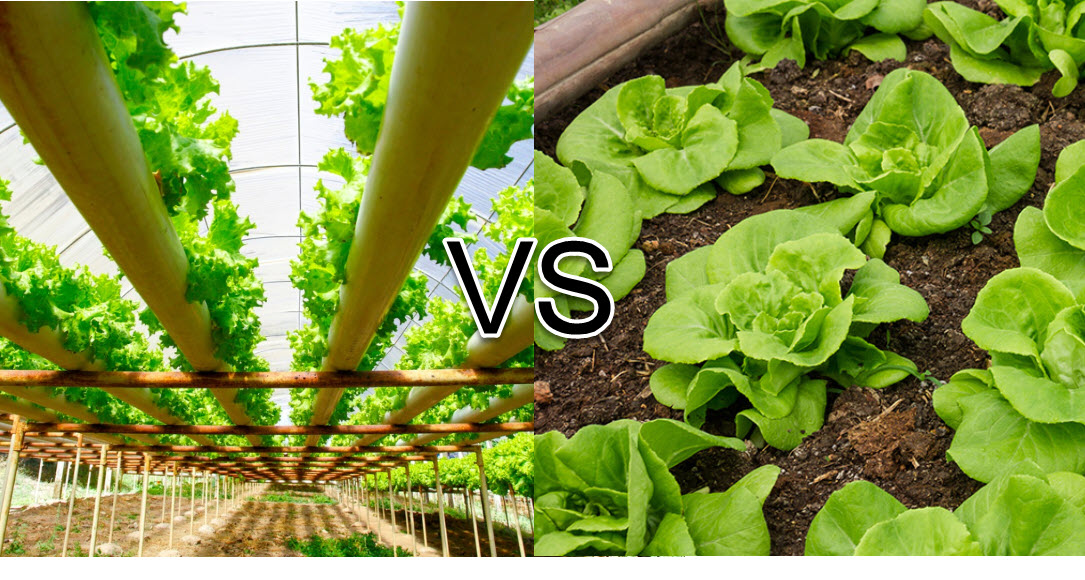
The debate between soil-based and hydroponic vertical gardens is no longer about if you can grow vertically, but how. Both methods have seen significant advancements in recent years, making them increasingly viable for home gardeners. We’re seeing more user-friendly systems, improved grow lights, and a wider range of plant varieties adapted for vertical growth.
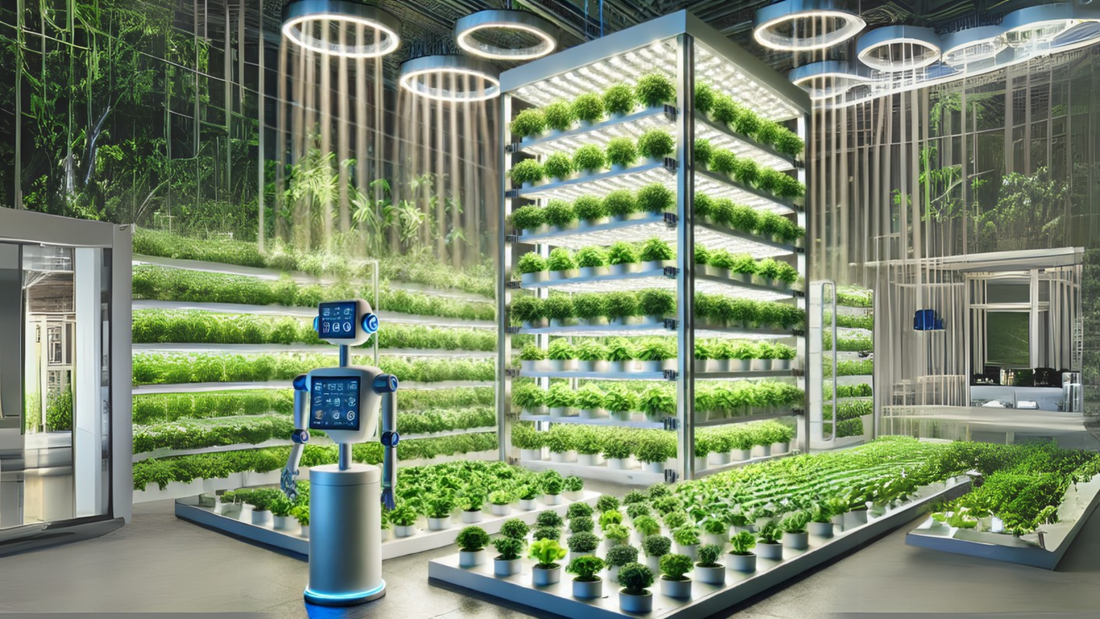
By 2026, automated sensors have become standard. Most systems now sync with your phone to track pH and moisture levels in real-time, which removes the old trial-and-error approach to nutrient mixing. It's easier to start now because the hardware has finally caught up with the demand for home-grown food.
This isn’t just about aesthetics, though beautiful living walls are a definite perk. It’s about making fresh produce accessible, maximizing space, and creating a healthier indoor environment. The next few years will likely see vertical gardens move from a niche hobby to a mainstream gardening practice.
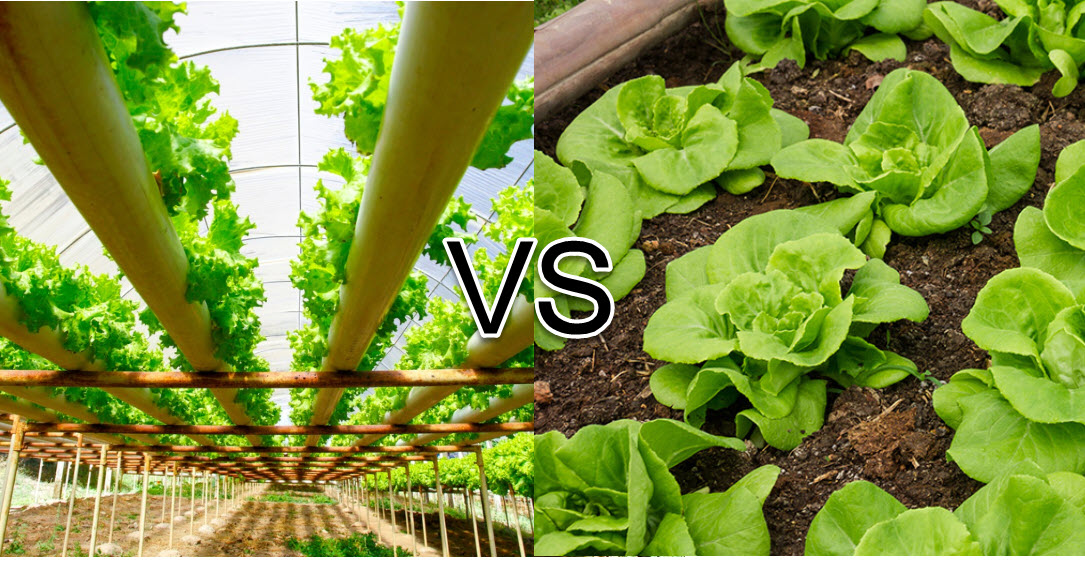
The reality of soil-based systems
Soil-based vertical gardens are, for many, the most intuitive starting point. They mimic traditional gardening, using soil as the growing medium. Several systems are available, each with its own advantages and disadvantages. Pocket planters, where plants grow directly from fabric pouches, are a simple and affordable option. Stacked planters, often made of plastic or terracotta, offer a modular design that can be easily expanded.
Modular living walls represent a more sophisticated approach, typically involving a frame filled with soil-filled modules. These systems can be quite substantial and require careful consideration of weight. Drainage is absolutely critical in any soil-based vertical garden. Excess water can quickly lead to root rot or damage to the supporting structure. Proper drainage also prevents unsightly water stains on your walls.
Soil composition is another key factor. A lightweight, well-draining potting mix is essential. Avoid using garden soil, which tends to compact and doesn’t provide adequate aeration. Weight is a major consideration – a fully saturated soil-based system can be surprisingly heavy, so ensure your wall can support the load. I’ve learned the hard way that underestimating weight can lead to disaster.
Common challenges include soil compaction, which restricts root growth and nutrient uptake. Regular watering can be tricky, as plants at the top of the system may dry out faster than those at the bottom. Pest control can also be an issue, as soil provides a habitat for various insects and diseases. Finding the right balance of moisture, nutrients, and pest prevention is the key to success.
- Pocket planters are cheap fabric pouches for beginners.
- Stacked planters: Modular and expandable.
- Modular living walls: More sophisticated, but require structural support.
How hydroponics works vertically
Hydroponics is growing plants in nutrient-rich water instead of soil. It works well for vertical setups because you aren't hauling heavy bags of dirt up a ladder or worrying about soil compacting in a wall planter. You control exactly what the plant eats, which usually leads to faster growth.
Several hydroponic methods are commonly used in vertical gardens. Nutrient Film Technique (NFT) involves a shallow stream of nutrient solution flowing over the plant roots. Deep water culture (DWC) suspends the roots directly in an aerated nutrient solution. Drip systems deliver nutrient solution directly to the base of each plant. Each method has its pros and cons, depending on the plant type and system scale.
The benefits of hydroponic vertical gardens are numerous. Plants generally grow faster due to the readily available nutrients. Water usage is significantly reduced, as the system recirculates the nutrient solution. There’s also a lower risk of soilborne diseases and pests. I’ve been impressed by the growth rates I’ve seen with hydroponically grown lettuce compared to soil-based methods.
However, hydroponics isn't without its challenges. Maintaining the correct nutrient balance is crucial, requiring regular monitoring and adjustments. pH levels must also be carefully controlled. Power outages can disrupt the system, especially if pumps are used for aeration or nutrient delivery. I’m still learning about the nuances of nutrient solutions – it’s a bit of a science, frankly – but the rewards are worth the effort.
Hydroponic System Comparison for Indoor Vertical Gardens (Projected 2026)
| Setup Cost | Maintenance Effort | Plant Suitability | Scalability | Water Usage |
|---|---|---|---|---|
| NFT (Nutrient Film Technique) | Low | Medium | High | Low |
| Deep Water Culture (DWC) | Medium | Medium | Medium | Medium |
| Drip System | Medium | Low | Medium | High |
Illustrative comparison based on the article research brief. Verify current pricing, limits, and product details in the official docs before relying on it.
Plant Choices: What Thrives Where?
Not all plants are created equal when it comes to vertical gardening, and the system you choose will influence your options. Soil-based systems generally work well for herbs like basil, mint, and thyme, as well as leafy greens like lettuce and spinach. Strawberries can also thrive in soil-based vertical gardens, but they may require more frequent watering and fertilization.
Hydroponic systems excel with plants that require consistent moisture and nutrient availability. Lettuce, spinach, and kale are all excellent choices. Smaller fruiting plants, like cherry tomatoes and peppers, can also be grown hydroponically, but they may require additional support. I’ve had great success with a compact hydroponic setup dedicated to various lettuce varieties.
Some plants are surprisingly adaptable and can succeed in both systems. Strawberries, for example, can be grown effectively in either soil or hydroponics. The key is to adjust the nutrient solution and watering schedule to meet the plant's specific needs. Understanding a plant’s root structure and nutrient requirements is crucial for success.
Consider the plant’s growth habit when making your selection. Trailing plants, like cascading strawberries or creeping thyme, can add a visually appealing element to your vertical garden. Compact varieties are generally preferable, as they won’t overwhelm the system. Don’t be afraid to experiment – you might be surprised by what you can grow!
- Soil-Based: Herbs (basil, mint, thyme), leafy greens (lettuce, spinach), strawberries
- Hydroponic: Lettuce, spinach, kale, cherry tomatoes, peppers
Plants for Vertical Gardens
- Strawberries (Soil) - Require 6-8 hours of direct sunlight or 14-16 hours under grow lights. Consistent moisture is key, but avoid overwatering. Use a well-draining potting mix.
- Lettuce (Hydroponics) - Prefers cooler temperatures (60-70°F). Nutrient-rich hydroponic solution is essential, and pH levels should be monitored regularly. Fast growing, providing quick harvests.
- Herbs (Basil, Mint, Parsley - Soil) - Most herbs thrive in bright, indirect light. Allow the soil to dry slightly between waterings. Regular pruning encourages bushier growth.
- Spinach (Hydroponics) - Similar to lettuce, spinach benefits from consistent nutrient delivery and cooler temperatures in a hydroponic system. Requires good air circulation.
- Cherry Tomatoes (Soil) - Need substantial support as they grow. Provide 6-8 hours of sunlight and consistent watering. Benefit from regular fertilization.
- Chives (Hydroponics) - Relatively low-maintenance in hydroponic systems. Requires a nutrient solution and moderate light. Can be easily propagated from cuttings.
- Peppers (Soil) - Similar to tomatoes, peppers require strong support and plenty of sunlight. Consistent moisture and fertilization are important for fruit production.
Cost Breakdown: Initial Investment & Running Expenses
The initial cost of setting up a vertical garden varies significantly depending on the system you choose. A simple soil-based pocket planter can cost as little as $20-$50. Stacked planters typically range from $50-$150, depending on the size and materials. Modular living walls are the most expensive, with prices starting around $200 and easily exceeding $1000 for larger systems.
Hydroponic systems generally have a higher upfront cost. A basic NFT system can cost around $100-$200, while a more sophisticated DWC or drip system may run $200-$500 or more. You'll also need to factor in the cost of nutrient solutions, which can range from $20-$50 per gallon. Grow lights, if needed, can add another $50-$200 to the initial investment.
Ongoing expenses include water, fertilizer (for soil-based systems), and electricity (for grow lights and pumps in hydroponic systems). Water costs are relatively low, but fertilizer and electricity can add up over time. I’ve found that using LED grow lights can significantly reduce electricity consumption.
Be realistic about potential expenses. You may need to replace nutrient solutions periodically, and pumps may require maintenance or replacement. Soil-based systems will eventually require soil replacement, while hydroponic systems may need occasional cleaning and disinfection. Budget accordingly to avoid unexpected costs.
- Soil-Based (Initial): $20 - $1000+
- Hydroponic (Initial): $100 - $500+
- Ongoing (Both): Water, fertilizer/nutrients, electricity
Featured Products

Automated watering and lighting system · Full-spectrum LED grow light promotes plant growth · Accommodates up to 9 different plants
This compact system is an excellent entry point for hydroponic gardening, offering automation and efficient lighting for a variety of herbs and small vegetables.
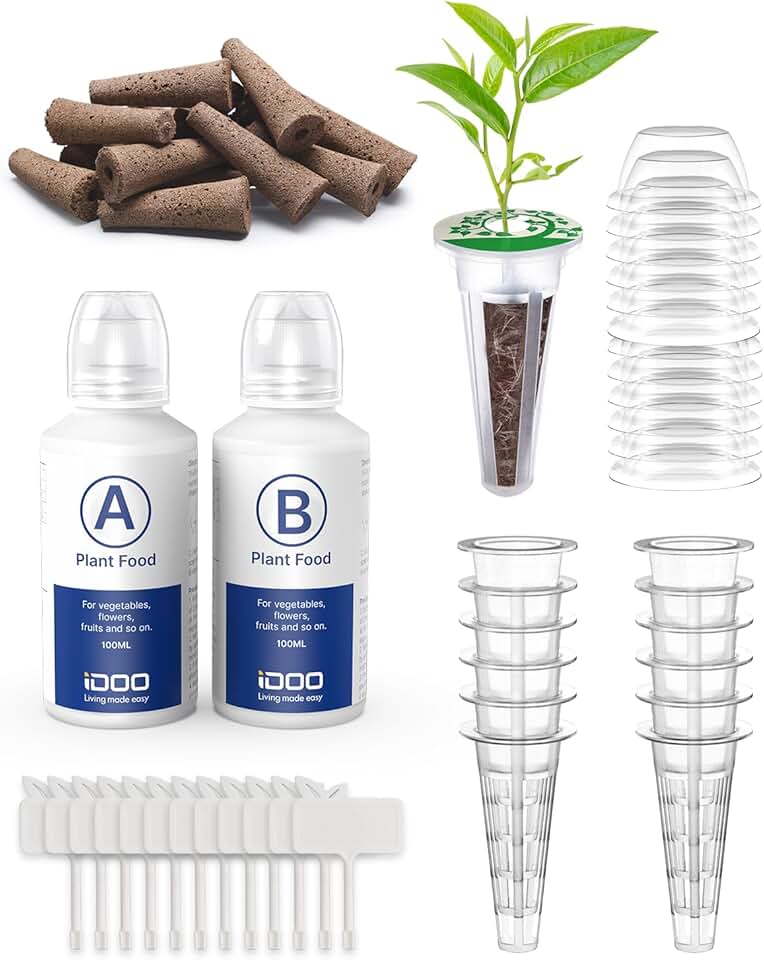
Includes all necessary components for starting hydroponic seeds · Growth sponges made from coco coir for optimal root development · Universal compatibility with most hydroponic systems
This kit provides essential supplies for initiating hydroponic growth, making it easy to start seeds for any hydroponic setup.

Vertical tower design maximizes growing space · Accommodates up to 30 plants · Integrated LED grow lights and automated watering
The Gardyn Home 4 offers a high-capacity, smart hydroponic solution for growing a significant amount of produce indoors with minimal effort.

Space-saving vertical design · Self-watering system with smart timer · Includes 20 live seedlings to start growing immediately
This self-watering vertical tower is ideal for those seeking a convenient and efficient way to grow a substantial amount of leafy greens and herbs indoors.

Multi-tiered vertical design for high yield · Integrated water pump and circulation system · Suitable for growing a variety of plants including herbs, fruits, and vegetables
This affordable, multi-tiered hydroponic tower provides a comprehensive system for maximizing indoor plant production with its integrated pump and lighting.
As an Amazon Associate I earn from qualifying purchases. Prices may vary.
Maintenance Realities: Time Commitment & Skill Level
Maintenance requirements differ significantly between soil-based and hydroponic systems. Soil-based systems require regular watering, fertilization, pruning, and pest control. Soil compaction can be an issue, requiring occasional loosening or replacement. You'll also need to monitor for nutrient deficiencies and address them accordingly. I find a weekly check-in is usually sufficient for a smaller system.
Hydroponic systems demand different types of maintenance. You’ll need to monitor nutrient levels regularly, adjusting the solution as needed. pH levels must also be carefully controlled. Cleaning the system is essential to prevent algae growth and maintain optimal performance. Pumps and other equipment may require occasional maintenance or replacement. It sounds like a lot, but once dialed in, it can be quite streamlined.
The learning curve is steeper for hydroponics. Understanding nutrient solutions, pH levels, and plant-specific requirements takes time and effort. Soil-based gardening is more familiar to most people, making it a more accessible starting point. However, with a little research and experimentation, anyone can master hydroponics.
I think hydroponics can be less labor-intensive once established, as you're not constantly dealing with soil compaction or watering inconsistencies. However, it requires more initial knowledge and attention to detail. Ultimately, the best system for you will depend on your time commitment, skill level, and personal preferences.
Troubleshooting: Common Problems & Solutions
Even with careful planning, you're likely to encounter problems with your vertical garden. Soil-based systems are susceptible to pests like aphids, spider mites, and whiteflies. Diseases like powdery mildew and root rot can also occur. Nutrient deficiencies can manifest as yellowing leaves or stunted growth. Drainage problems can lead to waterlogging and root rot.
Hydroponic systems face their own set of challenges. Algae growth is a common issue, especially in systems with exposed nutrient solutions. pH imbalances can prevent plants from absorbing nutrients. Pump failures can disrupt nutrient delivery. Nutrient lockout can occur when certain nutrients become unavailable to the plants.
Practical solutions include introducing beneficial insects to control pests, using organic fungicides to prevent diseases, and adjusting the nutrient solution to address deficiencies. For hydroponic systems, regular cleaning, pH monitoring, and pump maintenance are essential. Using a high-quality air pump can help prevent algae growth.
I've definitely had my share of struggles. I once battled a persistent aphid infestation on my soil-based strawberry plants – introducing ladybugs was a game-changer. I’ve also dealt with pH imbalances in my hydroponic lettuce system – a good pH meter and some pH up/down solution saved the day. Learning from these experiences is part of the fun.
No comments yet. Be the first to share your thoughts!