

Vertical Gardens: A Low-Effort Paradise
For many of us, the idea of a lush indoor garden feels out of reach. We admire the photos, maybe try a few plants, and then… things often don’t go well. Traditional plant care can be demanding, requiring regular watering, fertilizing, and attention. But what if I told you there’s a way to enjoy the benefits of indoor greenery with minimal effort? That's where vertical gardening comes in.
Vertical gardens, essentially growing plants upwards rather than outwards, are perfect for smaller spaces and offer a visually striking alternative to conventional potted plants. They’re also a great solution for people who travel frequently or simply lack a green thumb. Beyond the aesthetic appeal, indoor plants contribute to air purification and can boost your mood. It sounds idyllic, right?
The key to a successful – and sustainable – vertical garden is choosing the right plants. We often hear the term 'zero maintenance,' and while that's a bit of a stretch, there are definitely plants that come incredibly close. This article will introduce you to five exceptionally low-maintenance indoor plants that thrive in vertical garden setups, even if you've struggled with plant care in the past.
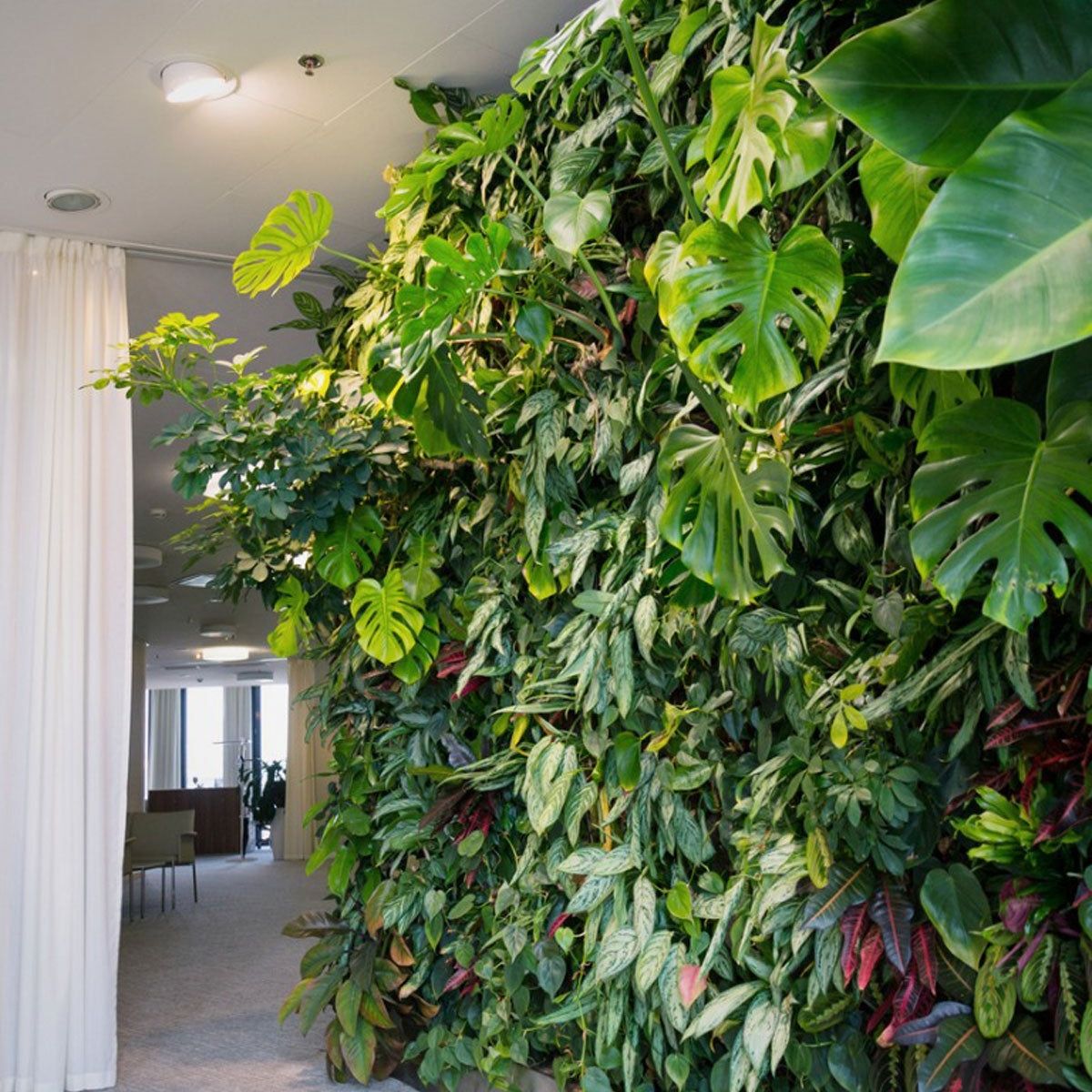
Snake Plants: The Unkillable Classic
The Snake Plant ( Sansevieria trifasciata ) is often touted as one of the easiest houseplants to care for, and for good reason. These plants are incredibly tolerant of neglect, thriving on very little water and adapting well to low-light conditions. Honestly, it’s hard to kill a Snake Plant unless you actively try. Their resilience comes from a rhizomatous root system that stores water, allowing them to withstand periods of drought.
There’s a lot of variety within the Snake Plant family. The "Laurentii’ variety is probably the most recognizable, with its striking yellow-edged leaves. The ‘Hahnii’ variety, also known as the Bird’s Nest Snake Plant, is a smaller, rosette-shaped option. While care requirements are similar across varieties, ‘Hahnii" tends to be even more compact and slow-growing. All of them are excellent choices for a vertical garden.
The biggest mistake people make with Snake Plants is overwatering. Root rot is their primary weakness. Allow the soil to dry out completely between waterings, and err on the side of underwatering. They prefer well-draining soil, like a cactus or succulent mix. And while they can tolerate low light, they'll grow better – and display more vibrant colors – with some indirect light.
ZZ Plants: Almost Impossible to Fail
If the Snake Plant is a legend, the ZZ Plant ( Zamioculcas zamiifolia ) is quickly becoming one. This plant is renowned for its ability to thrive in extremely low light and withstand prolonged periods without water. It’s a fantastic choice for corners of rooms that don’t receive much natural light, or for people who frequently forget to water their plants.
The ZZ Plant’s waxy, dark green leaves are not just aesthetically pleasing; they also play a role in water retention. These leaves store water, contributing to the plant’s drought tolerance. It’s a very slow grower, which some people see as a downside, but I think it's a benefit. Less frequent repotting means less work for you!
It’s worth noting that ZZ Plants are mildly toxic to pets, so placement is important if you have curious animals. Keep them out of reach, or consider a hanging vertical garden. There's been some debate about whether their slow growth is a real issue, but for a low-maintenance plant, it's not usually a major concern.
- Light: Extremely low to bright indirect light
- Water: Allow soil to dry out completely between waterings
- Toxicity: Mildly toxic to pets
Pothos: The Trailing Tolerant
Pothos ( Epipremnum aureum ) is a remarkably versatile and forgiving plant, making it a favorite among both beginner and experienced plant owners. Its trailing habit makes it especially well-suited for vertical gardens, cascading down from shelves or hanging planters. They are also incredibly easy to propagate, though that isn't essential for basic care.
There are several popular Pothos varieties, each with its own unique look. Golden Pothos is the most common, featuring green leaves with golden variegation. Marble Queen Pothos has white and green marbled leaves, while Neon Pothos boasts bright, chartreuse-colored foliage. Light requirements vary slightly; Golden and Marble Queen prefer bright, indirect light, while Neon Pothos can tolerate lower light levels.
What’s particularly convenient about Pothos is their ability to thrive in both soil and water. You can grow them directly in water, simply by placing cuttings in a glass or jar. This is a great option for a minimalist vertical garden setup. They're pretty adaptable, and even if they get a little leggy, you can easily trim them back.
Cast Iron Plants: Truly Indestructible?
The Cast Iron Plant ( Aspidistra elatior ) truly lives up to its name. This plant is famous for its incredible tolerance for neglect, earning it the nickname "indestructible.’ It can withstand low light, irregular watering, temperature fluctuations, and generally harsh conditions that would kill most other houseplants. It"s a fantastic choice for those who are truly challenged by plant care.
Its slow growth rate is another benefit for low-maintenance gardening. You won’t need to repot it frequently, and it will maintain a manageable size for years. However, even Cast Iron Plants aren’t completely immune to problems. They can occasionally be affected by pests, but this is rare and usually only occurs if the plant is severely stressed.
I’ve heard from some growers that Cast Iron Plants can struggle in overly dry air, so a little humidity can be helpful, especially during the winter months. But overall, this is a remarkably resilient plant that requires very little attention. It's a solid choice if you're looking for something truly low-effort.
Spider Plants: Self-Propagating Success
Spider Plants ( Chlorophytum comosum ) are beloved for their air-purifying qualities and easy propagation. They produce “spiderettes” – baby plants that dangle from the mother plant on long stems – which can be easily rooted to create new plants. This self-propagating nature adds to their low-maintenance appeal.
While Spider Plants prefer bright, indirect light, they can tolerate less-than-ideal conditions. They're relatively adaptable, but optimal growth requires consistent moisture and some light. A common issue with Spider Plants is brown leaf tips, often caused by fluoride or chlorine in tap water. Using filtered water can help prevent this.
It's important to emphasize that while Spider Plants can tolerate some neglect, they do appreciate consistent care for optimal growth. Regular watering and occasional fertilizing will result in a healthier, more vibrant plant. But even if you forget sometimes, they're still pretty forgiving.
Vertical Garden Systems: Making it Easier
Choosing the right vertical garden system can significantly simplify plant care. There are several options available, each with its own advantages. Pocket planters are fabric panels with individual pockets for plants, offering a flexible and affordable solution. Stacked planters consist of multiple pots stacked on top of each other, creating a cascading effect.
Trellis systems provide support for climbing plants, allowing them to grow upwards and create a green wall. Self-watering options are also available, which can reduce the frequency of watering and prevent over or under-watering. These systems often use a reservoir to supply water to the plants over time.
The best system for you will depend on the plants you choose, the space available, and your personal preferences. Consider the weight capacity of your wall, the amount of light the area receives, and the ease of access for watering and maintenance. I’m hesitant to recommend specific brands without doing a deep dive into current market options, but focusing on these features will help you make an informed decision.
Vertical Garden System Comparison
| System Type | Initial Cost | Installation Difficulty | Watering Needs | Planting Flexibility |
|---|---|---|---|---|
| Pocket Planters | Generally Lower | Easy | Moderate - Requires frequent checks | Better for smaller plants and herbs |
| Stacked Planters | Moderate | Moderate | Moderate - Good water retention | Good for strawberries, leafy greens, and cascading flowers |
| Trellis Systems | Moderate to Higher | Moderate to Difficult | Lower - Allows for air circulation | Best for vining plants like cucumbers or tomatoes |
| Pallet Gardens | Lower - if repurposed | Moderate | Moderate | Limited by pallet structure, good for shallow-rooted plants |
| Hanging Planters | Generally Lower | Easy | Moderate - Dries out quickly | Best for trailing plants like pothos or spider plants |
| Modular Wall Systems | Higher | Difficult | Can be automated | Widest variety of plant options, customizable |
Qualitative comparison based on the article research brief. Confirm current product details in the official docs before making implementation choices.
Troubleshooting: When 'Zero Maintenance' Needs a Little Help
Even the most low-maintenance plants sometimes need a little attention. Yellowing leaves can indicate overwatering, underwatering, or nutrient deficiencies. Brown tips often signal dry air or tap water issues. Pest infestations, such as scale or mealybugs, are relatively uncommon with these plants, but they can occur if the plant is stressed.
Simple solutions include adjusting your watering schedule, providing humidity, using filtered water, and wiping down the leaves with a damp cloth to remove pests. Preventative measures, such as providing adequate light and air circulation, can also help keep your plants healthy. A diluted insecticidal soap can address pest issues if they arise.
I want to stress that a little observation goes a long way. Regularly inspecting your plants for signs of trouble will allow you to catch problems early, before they become severe. Even these incredibly resilient plants benefit from a little TLC.
No comments yet. Be the first to share your thoughts!