

The case for vertical indoor berries
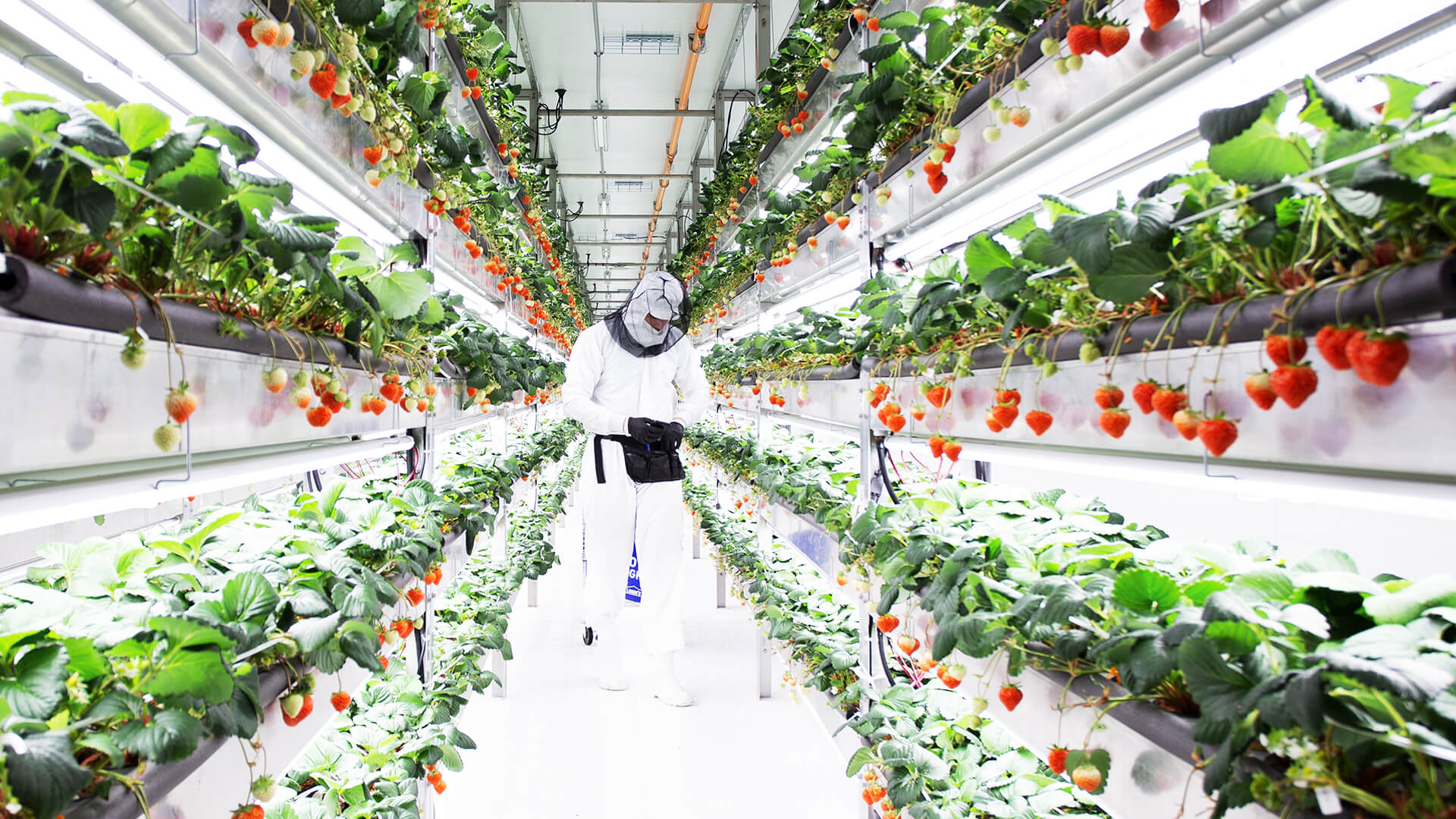
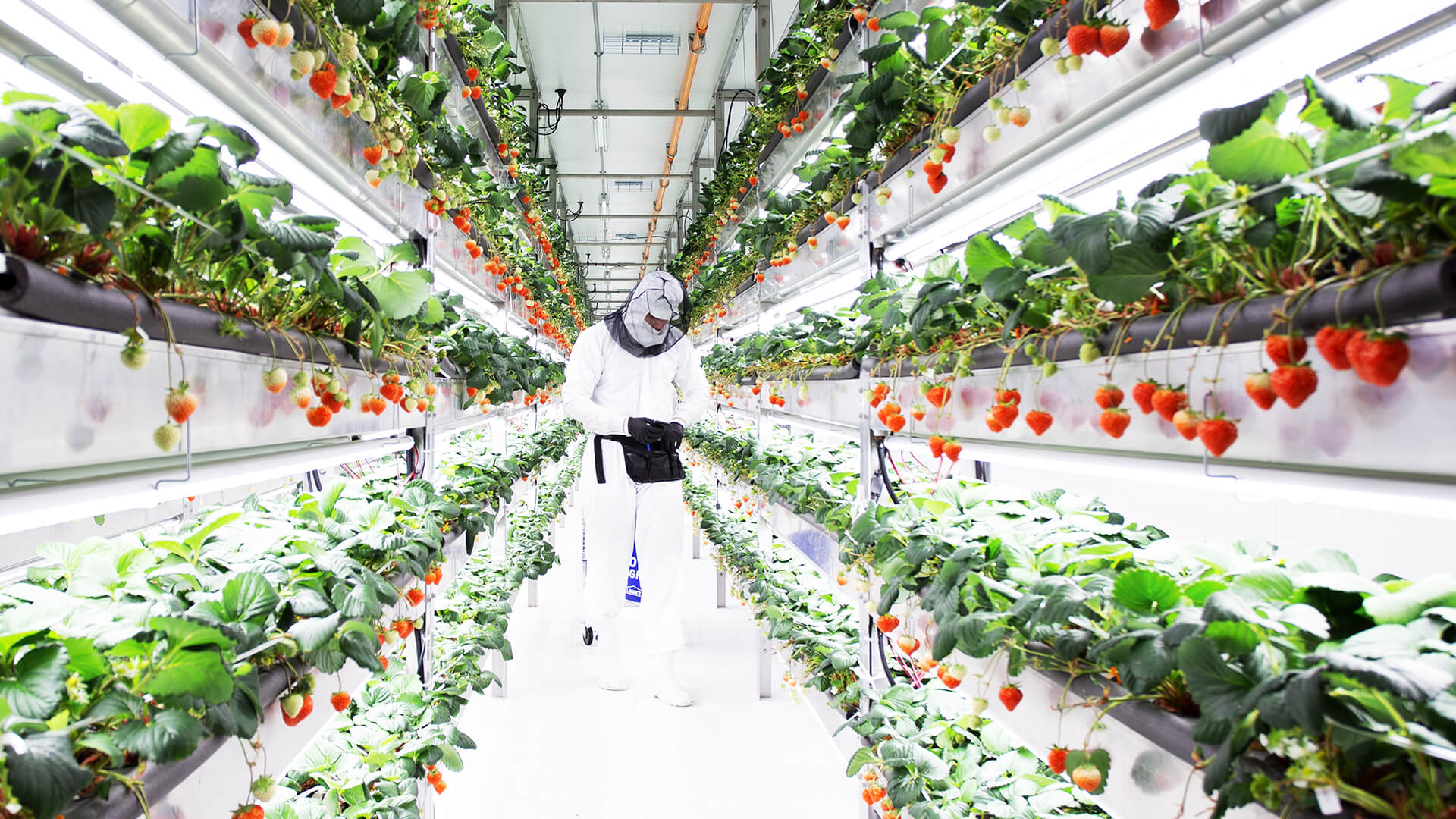
I started growing strawberries in my apartment because I didn't have a backyard. Vertical systems are the only way to get a real harvest when you're working with a spare corner or a small balcony. You can fit dozens of plants in the same footprint as a single traditional pot.
Beyond that, a vertical garden allows for a longer harvest season. You're not limited by outdoor weather patterns, meaning you can enjoy fresh strawberries nearly year-round with the right setup. It's a bit of an investment upfront to get the lights and system going, but considering grocery store prices for organic berries, it can pay for itself surprisingly quickly.
Pest control is another significant benefit. Indoor environments are much easier to protect from common strawberry pests like slugs and birds. While you’re not entirely immune to indoor pests, managing them is far simpler than battling them in an open garden. I’ve found it’s much less stressful, frankly.
There’s also something deeply satisfying about growing your own food. The taste of a homegrown strawberry, warmed by your grow lights, is simply unmatched. It’s not always easier than traditional gardening – there’s a learning curve with lighting and nutrient management – but the reward of that first bite makes it worthwhile. It really changes how you think about food.
Picking the right variety
Success depends entirely on the variety you pick. Some plants expect a winter that never comes indoors, while others will fruit until the roots run out of space. You have three main choices: day-neutral, everbearing, and June-bearing.
Day-neutral varieties, like 'Albion' and 'Seascape', are excellent for continuous production throughout the growing season, as long as temperatures remain relatively stable. They aren't as strongly flavored as some June-bearing types, but their consistent yield is a huge plus. I’ve personally had great luck with 'Albion' – it’s very reliable.
Everbearing types produce two to three harvests per year, typically in spring, summer, and fall. 'Tristan' is a popular choice for its compact growth habit, making it well-suited for vertical systems. They aren’t quite as prolific as day-neutral, but the flavor is often more intense.
June-bearing strawberries, like 'Chandler', produce a single, large crop in the spring. While the flavor can be exceptional, they aren't ideal for continuous indoor harvests. They really need a period of dormancy, which can be tricky to manage indoors. I tried 'Chandler' once and ended up with a massive glut of berries all at once – more than I could handle!
Consider plant size, too. Some varieties spread aggressively with runners, which isn't ideal in a contained vertical system. Look for compact or everbearing varieties specifically bred for container gardening. Do your research and choose a variety that aligns with your space and desired harvest schedule.
- Albion (Day-Neutral): These are my go-to for consistency. They don't care about day length and keep producing as long as your room stays between 60 and 75 degrees.
- Seascape (Day-Neutral): Similar to Albion, slightly smaller berries.
- Tristan (Everbearing): Compact growth, intense flavor, multiple harvests.
- Chandler (June-Bearing): Excellent flavor, single large crop – less suited for continuous indoor production.
Strawberry Variety Comparison for Indoor Vertical Gardening
| Variety Name | Type | Size | Disease Resistance | Flavor Profile | Indoor Performance |
|---|---|---|---|---|---|
| Albion | Day-Neutral | Medium | High | Sweet | Easy |
| Seascape | Day-Neutral | Medium | Medium | Balanced | Moderate |
| Tristar | Day-Neutral | Compact | Medium | Sweet-Tart | Easy |
| Chandler | June-Bearing | Large | Low | Sweet | Moderate |
| Earliglow | June-Bearing | Medium | Medium | Sweet | Moderate |
| Ozark Beauty | Everbearing | Medium | Medium | Balanced | Moderate |
| San Andreas | Day-Neutral | Large | High | Sweet | Easy |
Illustrative comparison based on the article research brief. Verify current pricing, limits, and product details in the official docs before relying on it.
Choosing your vertical rig
The good news is there’s a ton of flexibility when it comes to setting up a vertical strawberry garden. You can build a DIY system or purchase a commercially available one. Stacked planters are a simple and affordable option, allowing you to layer plants and maximize space. However, they can be prone to drying out quickly.
Hanging baskets are another popular choice, especially for smaller spaces. Just ensure they are securely mounted and have good drainage. PVC pipe towers, where strawberries are planted in holes drilled into a vertical pipe, are a bit more involved to construct but offer excellent space utilization. You’ll need to figure out an irrigation system for these.
Commercially available strawberry towers, like those from Gardener's Supply Company or Tower Garden, are the most convenient, but also the most expensive. These systems are designed specifically for strawberries and often include built-in irrigation and lighting. They’re a good option if you want a hassle-free setup.
Regardless of the system you choose, you’ll need a few essential materials. Grow bags are great for providing good drainage and aeration. Grow lights are non-negotiable for indoor growing – full-spectrum LEDs are my recommendation. And an irrigation system, whether it’s a simple watering can or a more sophisticated drip system, is crucial for consistent moisture.
- Stacked Planters: Affordable, simple, but can dry out quickly.
- Hanging Baskets: Good for small spaces, require secure mounting.
- PVC Pipe Towers: Space-efficient, require DIY construction and irrigation.
- Commercial Strawberry Towers: Convenient, expensive, often include built-in features.
Light, Water, and Nutrition
Strawberries are light hogs. Indoors, you need LEDs. I've found they run cool enough that you won't cook your plants in a tight vertical rack. Aim for 12 to 16 hours of light; anything less and you'll get plenty of leaves but very little fruit.
The intensity of the light is also important. Too little light, and your plants will be leggy and produce few berries. Too much, and you risk scorching the leaves. A good rule of thumb is to start with a lower intensity and gradually increase it as the plants adjust. Observing your plants is key – look for signs of stress like yellowing leaves or stunted growth.
Watering is a delicate balance. Strawberries need consistent moisture, but they don’t like to sit in soggy soil. Allow the top inch of soil to dry out between waterings. Ensure your system has good drainage to prevent root rot. I've found that using a moisture meter is incredibly helpful.
Fertilization is equally important. Strawberries are heavy feeders, and they need a balanced nutrient solution to thrive. A liquid fertilizer specifically formulated for berries is ideal. I made the mistake early on of over-fertilizing and ended up with nutrient burn – the leaf tips turned brown and crispy. Start with a diluted solution and gradually increase the concentration as needed. A feeding schedule of once every two weeks during the growing season is a good starting point.
Look for a fertilizer with a higher potassium content during fruiting to encourage berry development. Remember to flush the soil with plain water occasionally to prevent salt buildup.
Playing the bee: pollination
Unlike outdoor strawberries, indoor plants don’t have access to bees and other pollinators. This means you’ll need to take on the role of pollinator yourself. There are a few methods you can use.
Hand-pollination is the most reliable, but also the most time-consuming. Use a small, soft brush to gently transfer pollen from the stamen (male part) to the pistil (female part) of each flower. It’s a bit fiddly, but it significantly increases your chances of fruit set.
Alternatively, you can use a small fan to circulate air around the plants. The moving air helps to distribute pollen. This is less precise than hand-pollination, but it’s a good option if you have a lot of plants. Introducing actual bees is possible, but requires a contained environment and a good understanding of beekeeping – it’s not something I recommend for beginners.
I’ll be honest, hand-pollination is a bit tedious, but it’s often necessary for a good harvest. It’s a small price to pay for fresh, homegrown strawberries.

Pest and Disease Management
Even in a controlled indoor environment, strawberries can be susceptible to pests and diseases. Spider mites are a common problem, appearing as tiny webs on the leaves. Aphids can also infest plants, sucking sap and causing distorted growth. Powdery mildew, a fungal disease, manifests as a white coating on the leaves, and gray mold can develop in humid conditions.
Prevention is always the best approach. Good air circulation helps to prevent fungal diseases. Inspect your plants regularly for signs of pests, and isolate any affected plants immediately. Organic control methods are preferred. Insecticidal soap is effective against spider mites and aphids, while neem oil can help to control fungal diseases.
I’ve found that introducing beneficial insects, like ladybugs, can also help to keep pest populations in check. However, make sure they are contained to your growing area. Avoid using harsh chemicals, as they can harm your plants and potentially contaminate your berries.
If you’re dealing with a severe infestation, you may need to remove and discard affected leaves or even entire plants. It’s a tough decision, but it’s better to sacrifice a few plants than to let the problem spread.
- Spider mites: Look for tiny webs. I use insecticidal soap immediately because they spread across a vertical tower in days.
- Aphids: Distorted growth, use insecticidal soap.
- Powdery Mildew: White coating on leaves, use neem oil, improve air circulation.
- Gray Mold: Develops in humid conditions, remove affected areas, improve air circulation.
Harvesting and Enjoying Your Berries
The moment you’ve been waiting for! Strawberries are ready to harvest when they are fully red and slightly soft to the touch. Gently twist or snip the stem just above the berry. Avoid bruising the fruit.
Harvest strawberries in the morning, when they are at their peak sweetness. Store them in the refrigerator for up to a week. They are best enjoyed fresh, but you can also use them in pies, jams, smoothies, or simply eat them straight from the plant.
It’s a good feeling to eat something you've grown yourself. There's a level of satisfaction that just can't be beat. I love making strawberry shortcake with my homegrown berries – the flavor is incredible. You can also freeze your berries for later use.
Growing strawberries vertically indoors takes effort, but the reward of fresh, homegrown berries is well worth it. Enjoy the fruits of your labor!
What's your biggest challenge growing strawberries indoors?
Vote below!
No comments yet. Be the first to share your thoughts!