

Strawberry Towers: A Modern Garden
Picking fresh strawberries is incredibly satisfying, and you don't need a sprawling backyard to enjoy it. Growing strawberries in a vertical garden indoors is popular because it maximizes space, adds a green element to your home, and yields delicious fruit. Anyone can do this, even beginners.
Vertical gardening isn't new; ancient civilizations like the Hanging Gardens of Babylon used the concept. Modern vertical gardening has evolved with new materials and techniques, making it accessible. It's a practical solution for urban dwellers and anyone with limited space.
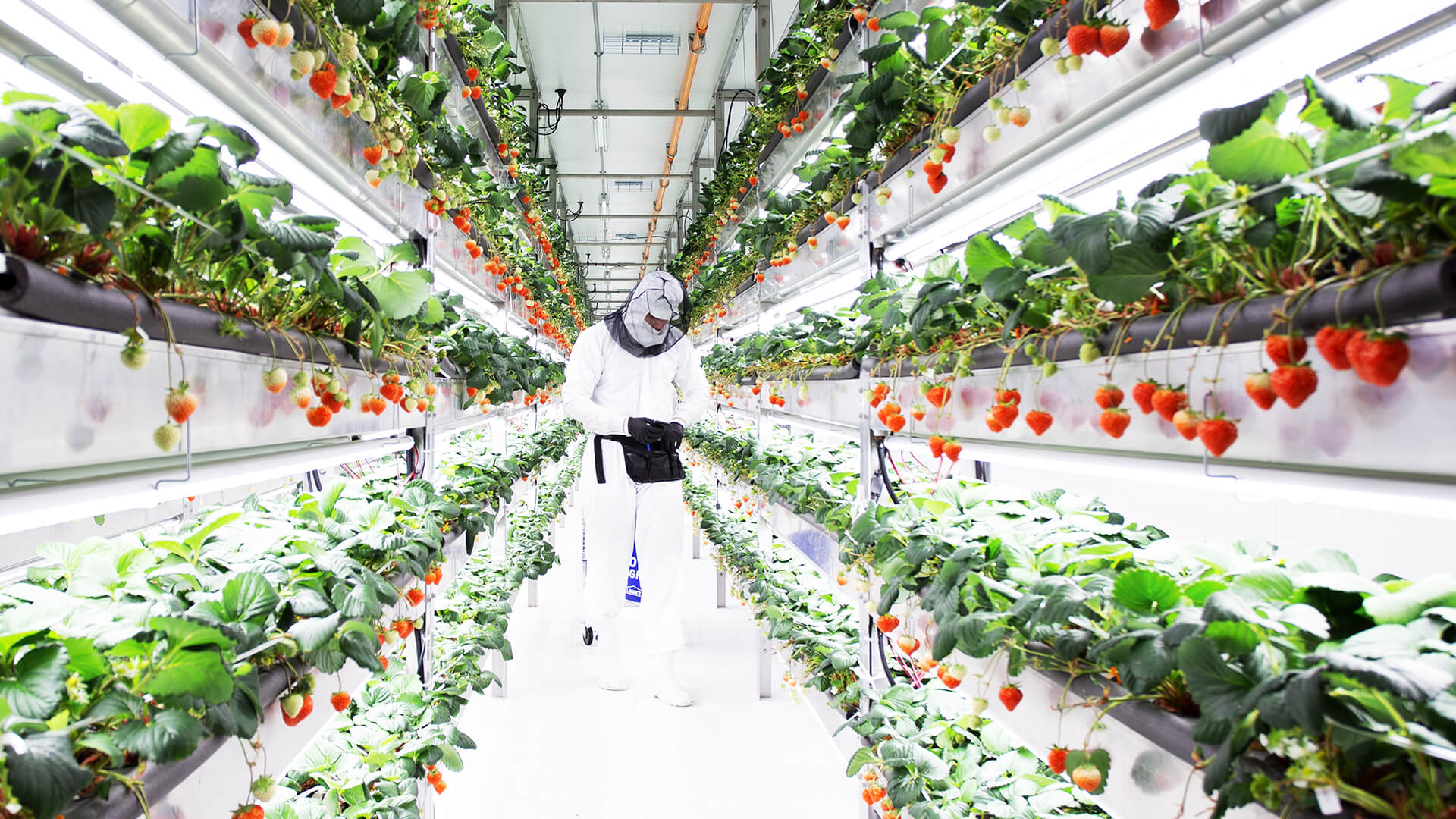
Vertical strawberry gardens are visually appealing, with lush green plants and red berries creating a statement piece. These systems improve air circulation, reducing disease risk, and make harvesting easier. It's a neat way to bring the farm to your kitchen.
Epic Gardening's 2024 video on vertical strawberry growing highlights its straightforward nature. They note strawberries are the easiest fruit for vertical containers, a point I agree with. It's a great entry point to vertical gardening and a rewarding experience.
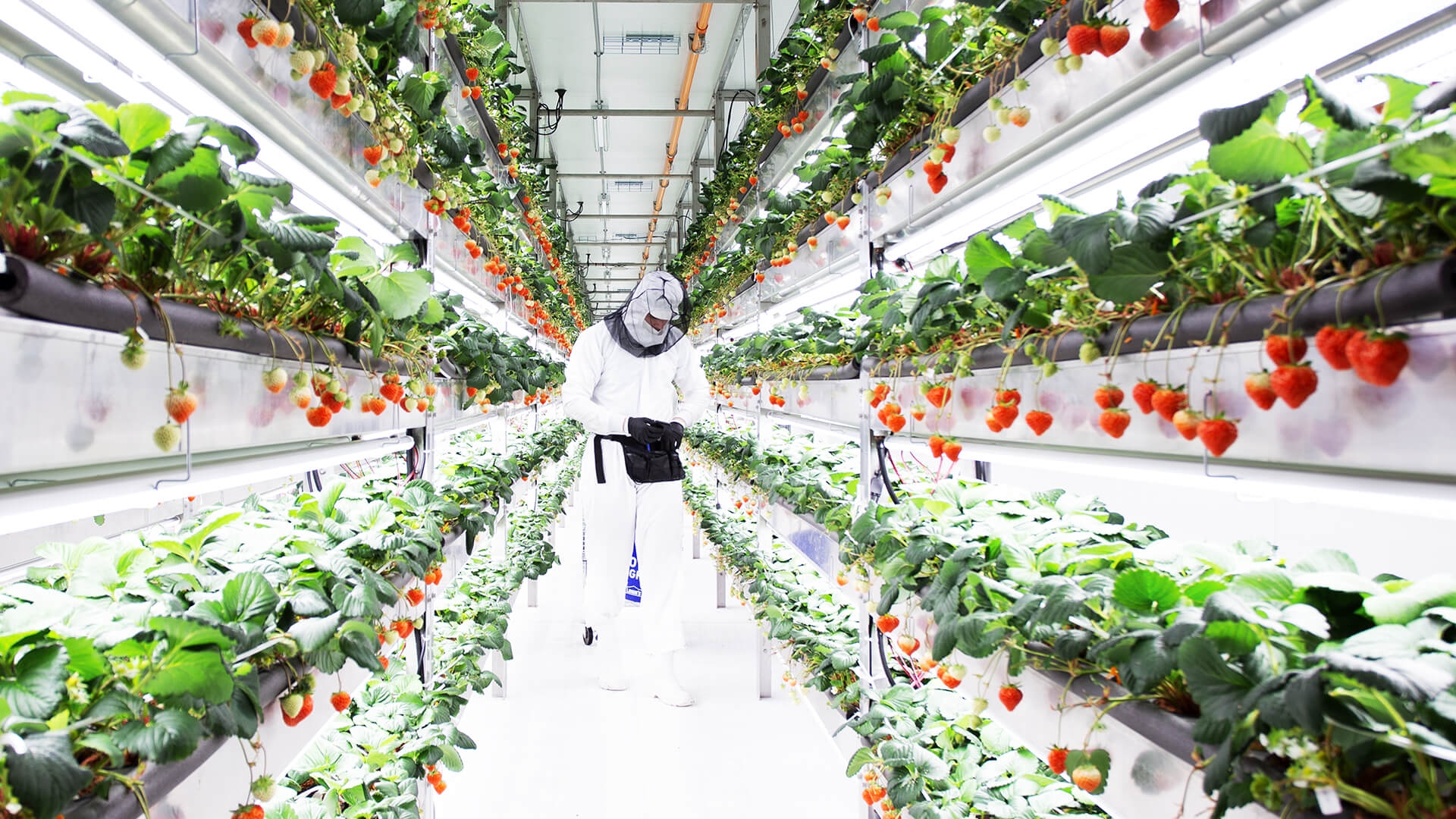
Choosing the Right System
Selecting the right vertical gardening system is the first step toward a successful indoor strawberry harvest. Options vary by budget, space, DIY skills, and aesthetic preferences. Consider the time you'll invest in setup and maintenance.
Stackable planters, like those offered by GreenStalk Garden, are a popular choice. These systems consist of tiered planters that stack vertically, creating a tower. They are relatively affordable, easy to assemble, and scalable – you can add more tiers as needed. However, they can take up a decent amount of floor space. GreenStalk specifically highlights their strawberry collection with a 35% discount currently.
Tower gardens use a central reservoir and a pump to deliver nutrient-rich water to the plants. These systems are efficient in terms of water and nutrient use, but they can be more expensive than stackable planters. They also require electricity to run the pump. They’re great if you want a fully automated system, but that comes at a cost.
Wall-mounted pockets are a good option if you have limited floor space. These systems attach to a wall and create a living wall of strawberries. They are relatively inexpensive, but they can be challenging to water evenly and may require more frequent attention. They also need a sturdy wall to support the weight of the plants and soil.
For the DIY enthusiast, PVC pipe systems offer a customizable and affordable solution. Building a system from PVC pipe requires some effort and plumbing skills, but it allows you to create a system tailored to your specific needs. Sustainable Cooks provides a great guide to building a DIY strawberry tower, but be prepared to spend some time on construction.
- Stackable Planters: Affordable, easy to assemble, scalable.
- Tower Gardens: Efficient water/nutrient use, automated, but expensive.
- Wall-Mounted Pockets: Space-saving, inexpensive, but require more attention.
- DIY PVC Pipe Systems: Customizable, affordable, but require construction skills.
Comparison of Vertical Strawberry Growing Systems
| System Type | Cost | Assembly Difficulty | Watering Frequency | Capacity (Approximate Plants) | Best For |
|---|---|---|---|---|---|
| Stackable Planters (e.g., GreenStalk) | Medium | Easy | 2-3x Week | 20-30+ | Small Spaces, Beginner Gardeners |
| PVC Pipe Systems | Low | Medium | Daily | 10-20 | DIYers, Budget-Conscious Growers |
| Pocket/Fabric Planters | Low to Medium | Easy | Daily | 5-15 | Small Spaces, Limited Mobility |
| Pallet Gardens (Repurposed) | Low | Medium to Hard | 2-3x Week | 10-20 | DIYers, Rustic Aesthetic |
| Hanging Gutter Systems | Low | Medium | Daily | 8-16 | Small Spaces, Balconies |
| Dutch Bucket Systems (small scale) | High | Hard | Daily | 6-12 | Large Harvests, Experienced Growers |
Illustrative comparison based on the article research brief. Verify current pricing, limits, and product details in the official docs before relying on it.
Strawberry Varieties for Indoors
Not all strawberry varieties perform equally indoors. Choose day-neutral or everbearing types, which produce fruit throughout the growing season, not just during a specific period.
Albion is a popular choice for indoor strawberry gardens. It's a day-neutral variety known for its excellent flavor, firm texture, and disease resistance. Seascape is another excellent option, offering a consistent yield of large, sweet berries. It's also a day-neutral variety, making it well-suited for indoor growing.
Tribute is an everbearing variety that produces two to three flushes of fruit per year. It’s known for its good flavor and vigor. When selecting a variety, consider its size and growth habit. Compact varieties are generally better suited for indoor growing, as they take up less space. I’ve found that smaller plants are much more manageable in a vertical system.
Disease resistance is important. While indoor gardens are less prone to pests and diseases than outdoor ones, problems can occur. Choose varieties resistant to common strawberry diseases like verticillium wilt and powdery mildew. Indoor disease pressures differ from outdoor ones.
Light, Water, and Feeding
Right growing conditions are critical for indoor strawberries. Unlike outdoor plants, indoor ones need supplemental lighting. Full spectrum LED grow lights provide the energy strawberries need to thrive. Insufficient light leads to leggy plants, few flowers, and small, tasteless berries.
Strawberries need at least 6-8 hours of direct light daily. Grow lights providing at least 400 μmol/m²/s PPFD are recommended. Experimenting with 12-14 hour photoperiods can boost yields. This involves trial and error.
Watering is crucial for indoor strawberries. They prefer consistently moist, but not soggy, soil. Overwatering leads to root rot; underwatering stresses plants and reduces yields. Allow the top inch of soil to dry out between waterings and ensure adequate drainage. Check moisture levels with your finger.
The ideal pH for strawberry plants is 5.5 to 6.5, testable with a soil kit. Correct pH ensures nutrient absorption. Fertilization is important; strawberries are heavy feeders and benefit from regular balanced liquid fertilizer (e.g., 10-10-10).
Fertilize every 2-3 weeks during the growing season. Avoid over-fertilizing to prevent nutrient burn; always follow label instructions. Indoor growing demands careful management of every element in the artificial environment.
Pollination: The Indoor Challenge
Outdoors, strawberries rely on pollinators. Indoors, you must hand-pollinate. Strawberries are self-pollinating, but still need help transferring pollen from male to female flower parts. Hand-pollination is the solution.
Using a small, soft brush, gently collect pollen from the anthers and transfer it to the stigma of each flower. This process is tedious but essential for good fruit set.
undefined, but it can supplement it. I've had success with just a small desk fan on a low setting, pointed gently at the plants.
Pest and Disease Management
While indoor gardens are generally less susceptible to pests and diseases than outdoor gardens, they are not immune. Common pests that can affect indoor strawberries include spider mites and aphids. These tiny pests can suck the sap from plants, causing them to become weak and distorted.
Organic pest control methods are the best option for indoor strawberries. Neem oil is an effective insecticide that can control a wide range of pests. Insecticidal soap is another good option, but it needs to be applied directly to the pests to be effective. Always follow the instructions on the product label.
Potential diseases include powdery mildew and root rot. Powdery mildew appears as a white, powdery coating on the leaves. Root rot is caused by overwatering and can lead to plant death. Good airflow and proper watering are key to preventing these diseases. I always make sure there's space between plants for air to circulate.
Early detection is crucial. Regularly inspect your plants for signs of pests or diseases. If you catch a problem early, it’s much easier to control. Remove any infected leaves or plants immediately to prevent the spread of the problem. Preventative measures, like keeping the growing area clean and providing good ventilation, are always the best approach.
Troubleshooting Common Issues
Even with the best care, you may encounter some challenges when growing strawberries indoors. If your plants aren't flowering, it could be due to insufficient light, improper temperature, or a lack of nutrients. Ensure they are getting enough light and fertilize regularly. Sometimes, plants just need a little boost.
If runners are taking over your system, don't panic. Runners are a natural part of strawberry growth. You can prune them off to encourage the plant to focus its energy on fruit production. It's a bit of a balancing act, as runners can also be used to propagate new plants.
Low yields can be caused by a variety of factors, including inadequate pollination, insufficient light, or nutrient deficiencies. Make sure you're hand-pollinating effectively, providing enough light, and fertilizing regularly. Sometimes, despite your best efforts, plants just don't thrive. Don't be discouraged – learn from the experience and try again.
Consistent monitoring is key. Pay attention to your plants and adjust your care routine as needed. It’s a learning process, and every garden is different. Be patient, and don’t be afraid to experiment. Keeping a garden journal can be helpful for tracking your progress and identifying patterns.
Harvesting and Enjoying Your Strawberries
The moment you’ve been waiting for – harvesting your own homegrown strawberries! Strawberries are ripe when they are fully red and slightly soft to the touch. Gently twist the berries off the plant, leaving a small piece of the stem attached. This helps to prevent bruising.
Store harvested strawberries in the refrigerator for up to a week. Wash them just before eating. Freshly picked strawberries are best enjoyed as soon as possible. There’s nothing quite like the taste of a sun-ripened (or grow-light-ripened!) strawberry.
There are countless ways to enjoy your harvest. Eat them fresh, add them to smoothies, make strawberry jam, or bake a delicious strawberry pie. Check out Plant Handy for some simple strawberry dessert recipes to get you started. The reward of growing your own fresh, delicious strawberries is well worth the effort.
- Eat fresh
- Smoothies
- Strawberry Jam
- Strawberry Pie
Beyond the Berry: Strawberry Uses
- Strawberry Salsa - Combine diced strawberries with red onion, jalapeño, cilantro, and lime juice for a sweet and spicy salsa, perfect with cinnamon tortilla chips.
- Strawberry-Infused Water - Add sliced strawberries to a pitcher of water with mint or basil for a refreshing and subtly flavored drink.
- Classic Strawberry Shortcake - Layer biscuits, whipped cream, and fresh strawberries for a timeless dessert.
- Homemade Strawberry Jam - Preserve your harvest by making small-batch strawberry jam, perfect for toast or pastries. Use a pectin like Sure-Jell for consistent results.
- Frozen Strawberry Treats - Blend frozen strawberries with a little yogurt or banana for a healthy and delicious frozen treat – a simple alternative to ice cream.
- Strawberry Spinach Salad - Add sliced strawberries to a spinach salad with feta cheese, toasted almonds, and a balsamic vinaigrette for a delightful sweet and savory combination.
- Strawberry Smoothies - Blend strawberries with yogurt, milk, and other fruits for a quick and nutritious breakfast or snack.
No comments yet. Be the first to share your thoughts!