

Vertical strawberry towers in 2026
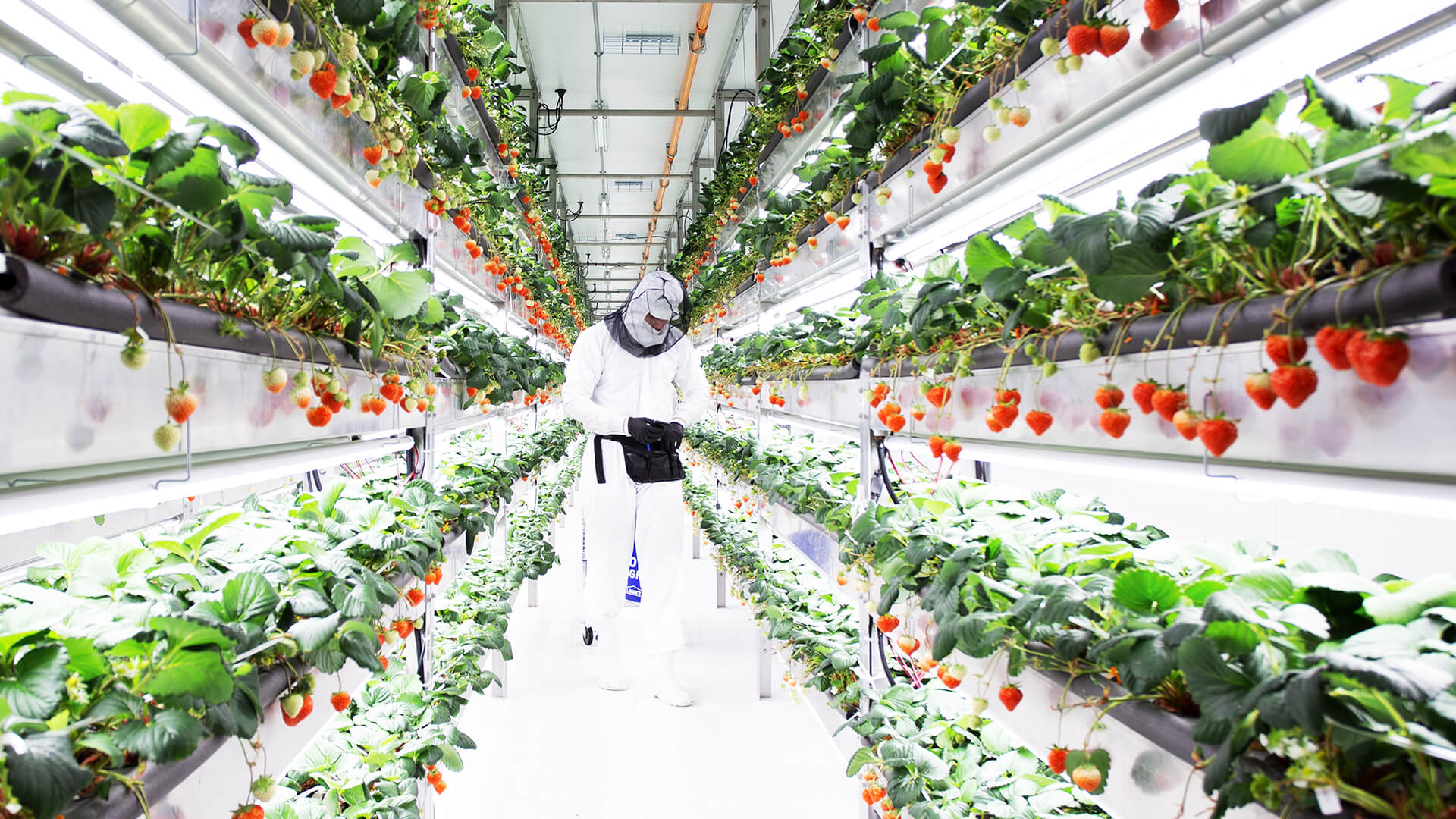
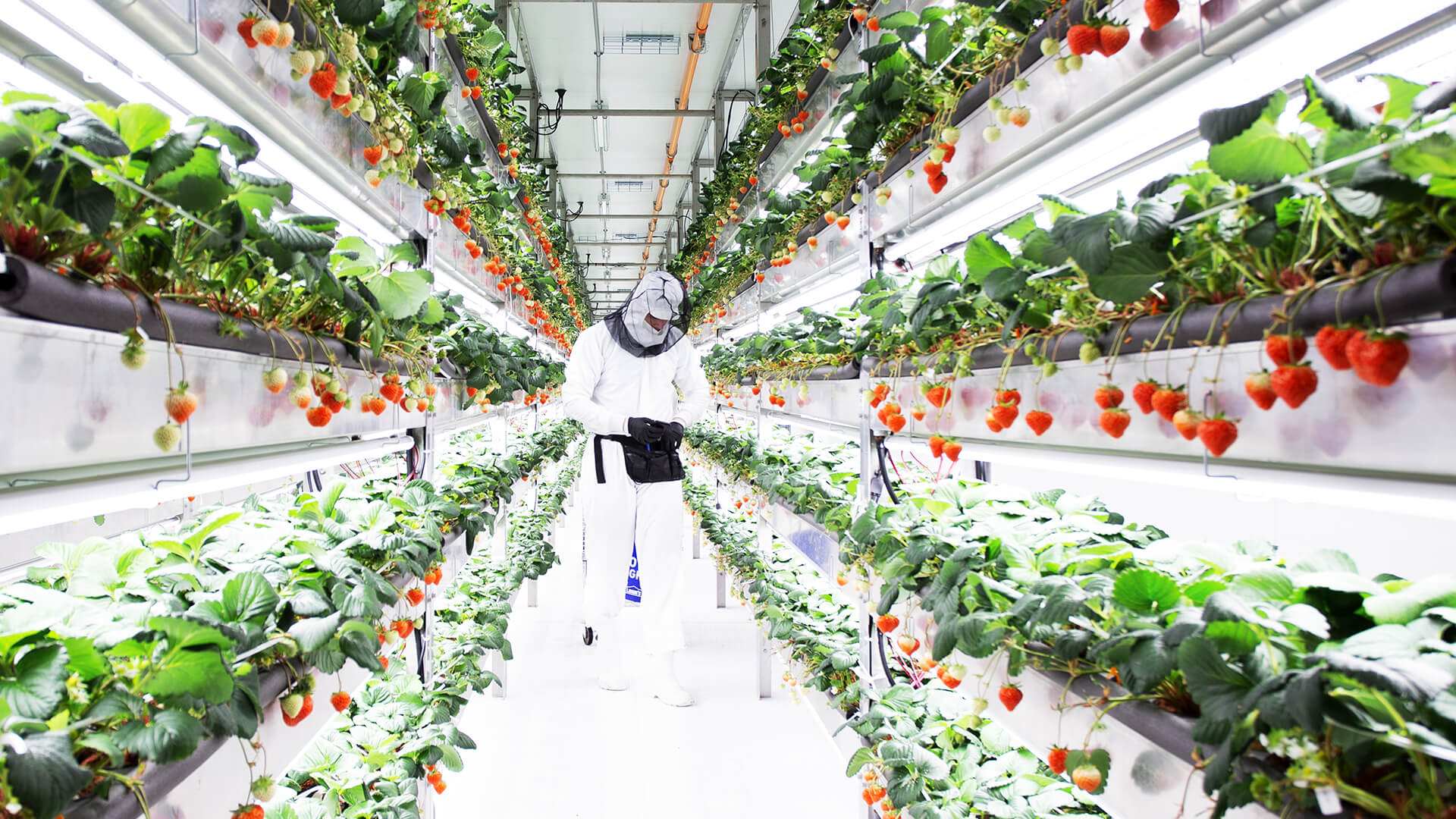
Vertical indoor strawberry growing is a practical way to get a harvest in a small apartment. By 2026, the tech has become cheap enough that anyone can set up a tower in a corner. You get fresh fruit without needing a backyard.
While it’s not necessarily easier than traditional gardening – it still requires dedication and attention – the benefits can be significant. You gain control over the growing environment, which means you can potentially enjoy harvests year-round, regardless of the weather outside. You also minimize soilborne diseases and pest issues often encountered in outdoor gardens. It's a different skillset, but a rewarding one.
If you want to see these systems in motion, search YouTube for Epic Gardening’s vertical strawberry guide. Seeing the drainage setup visually helps more than reading a manual.
Choosing a vertical system
There’s a surprising amount of variety when it comes to vertical strawberry systems. Stackable planters, like those offered by GreenStalk Garden, are a popular choice. They're relatively easy to assemble and offer good scalability – you can add more tiers as your plants grow. They do, however, represent a higher initial investment than some other options.
PVC pipe systems are a more DIY-friendly approach. You can build these yourself using readily available materials, which makes them quite affordable. However, they can be less aesthetically pleasing and may require more maintenance to ensure proper drainage and stability. Longevity can also be a concern, as PVC can degrade over time with consistent moisture exposure.
Hanging pockets are another possibility, offering a lightweight and space-saving solution. These are best suited for smaller spaces and may require frequent watering due to their limited soil capacity. DIY options abound here too, using everything from repurposed fabric to plastic bottles, but again, durability is a factor to consider. I've seen some impressive setups, but also some that clearly weren't well thought out.
GreenStalk specifically is designed with strawberries in mind and their tiered system allows for excellent air circulation. It's a bit of a splurge, but the design is well-regarded and seems to address many of the common issues with DIY systems. Considering the potential for increased yields and reduced maintenance, it’s a worthwhile investment for some.
- Stackable planters like the GreenStalk are easy to assemble and scale up, though they cost more upfront.
- PVC Pipe Systems: Affordable, DIY-friendly, potentially less aesthetically pleasing.
- Hanging Pockets: Lightweight, space-saving, requires frequent watering.
- DIY Fabric/Bottle Systems: Very affordable, requires creativity, variable durability.
Comparison of Vertical Strawberry Growing Systems
| System Type | Cost | Assembly Difficulty | Scalability | Aesthetic Appeal | Maintenance |
|---|---|---|---|---|---|
| GreenStalk | Medium | Easy | Moderate | 4 Stars | Medium |
| PVC Pipe | Low | Moderate | High | 2 Stars | Medium |
| Hanging Pockets | Low | Easy | Limited | 3 Stars | Low |
| DIY (Pallet Garden) | Low | Hard | Moderate | 3 Stars | High |
Illustrative comparison based on the article research brief. Verify current pricing, limits, and product details in the official docs before relying on it.
LED lighting for indoor berries
Strawberries are sun-loving plants, and providing adequate light is absolutely critical for indoor success. Without enough light, you’ll end up with leggy plants and very few, if any, strawberries. While you can use fluorescent or HID (High-Intensity Discharge) grow lights, LEDs are generally the most practical choice for home growers.
LEDs are energy-efficient, produce less heat than other types of grow lights, and last a long time. When choosing LEDs, look for lights that provide a full spectrum, with a good balance of red and blue light. Red light promotes flowering and fruiting, while blue light encourages vegetative growth. A ratio of around 2:1 or 3:1 (red to blue) is often recommended.
Intensity is also important. Strawberries need a fairly high light intensity to thrive. As a general guideline, aim for around 200-300 PPFD (Photosynthetic Photon Flux Density) during the vegetative stage and 400-600 PPFD during flowering and fruiting. Don't get too hung up on precise numbers, though – observing your plants is the best indicator. If the leaves are pale green or the plants are stretching towards the light, they need more intensity.
Photoperiod – the number of hours of light your plants receive per day – is also crucial. Most strawberry varieties need around 12-16 hours of light per day to fruit consistently. Using a timer to automate your grow lights is highly recommended.
Strawberry Varieties for Vertical Success
Not all strawberry varieties are well-suited for vertical growing. You'll want to choose varieties that are compact, productive, and well-adapted to container growing. The three main types of strawberries are June-bearing, everbearing, and day-neutral, and they each have their pros and cons.
June-bearing varieties produce a large crop of strawberries over a short period – typically a few weeks in the spring. They're not ideal for continuous harvesting. Everbearing varieties produce two or three crops throughout the growing season, but the yields are generally lower than June-bearing types. Day-neutral varieties, as the name suggests, are less sensitive to day length and can produce fruit continuously throughout the growing season, making them the best choice for indoor vertical gardens.
Some specific cultivars that perform well in vertical systems include 'Albion,' known for its large, flavorful berries and high yields; 'Seascape,' another popular day-neutral variety with excellent disease resistance; and 'Tristan,' a compact variety that’s particularly well-suited for hanging baskets and small spaces. 'Fort Laramie' is another day-neutral option that consistently receives good reviews.
- Albion berries are large and yield well throughout the season.
- Seascape: Excellent disease resistance, day-neutral.
- Tristan: Compact growth habit, ideal for small spaces, day-neutral.
- Fort Laramie: Consistently high performer, day-neutral.
Recommended Strawberry Varieties
- Albion - A day-neutral variety known for its large, firm, glossy berries with excellent flavor. Offers good disease resistance, particularly to Verticillium wilt.
- Seascape - Another popular day-neutral option, Seascape produces consistently throughout the growing season. Berries are medium to large with a sweet, slightly tart flavor. Moderate disease resistance.
- Tristar - A very early producing day-neutral variety. Tristar yields smaller, but intensely flavorful berries. It's known for its vigor and adaptability, but can be susceptible to gray mold.
- San Andreas - A day-neutral variety similar to Albion, offering large, firm berries with a sweet flavor. It demonstrates good resistance to common strawberry diseases.
- Monterey - A day-neutral variety that produces consistently sized, conical berries with a bright red color and good flavor. It is known for its resistance to several fungal diseases.
- Jewel - A June-bearing variety, meaning it produces one large crop. Jewel strawberries are small to medium in size with a sweet, aromatic flavor. Requires a period of cold for optimal fruiting.
- Ozark Beauty - A June-bearing variety favored for its large berries and high yields. It's relatively cold-hardy and adaptable, but can be prone to some fungal diseases.
Soil, nutrients, and watering
The right soil mix is essential for healthy strawberry plants in a vertical system. Strawberries need a well-draining, nutrient-rich soil that retains some moisture but doesn’t become waterlogged. A good starting point is a mix of equal parts peat moss, perlite, and compost. You can also add some vermiculite to improve aeration and water retention.
pH is also important. Strawberries prefer a slightly acidic soil, with a pH between 5.5 and 6.5. You can test your soil pH using a home testing kit and adjust it if necessary by adding lime to raise the pH or sulfur to lower it. Consistent monitoring is advisable, especially if you're using tap water, which can sometimes have a high pH.
Strawberries are heavy feeders, so regular fertilization is crucial. Use a balanced fertilizer specifically formulated for strawberries, following the instructions on the label. I've had good results with a 10-10-10 fertilizer diluted to half strength and applied every two weeks during the growing season. Organic options, like fish emulsion, are also excellent.
Watering is a bit tricky in vertical systems. The soil tends to dry out more quickly than in traditional gardens. Check the soil moisture regularly and water when the top inch feels dry to the touch. Drip irrigation is ideal, as it delivers water directly to the roots, but if that's not feasible, water thoroughly but infrequently, allowing the excess water to drain away.
Pest and Disease Management
Indoor growing doesn’t eliminate the risk of pests and diseases, it just changes the types you’re likely to encounter. Common problems include spider mites, aphids, powdery mildew, and root rot. Prevention is always the best approach. Ensure good air circulation by using a fan, and inspect your plants regularly for any signs of trouble.
If you do find pests, start with organic solutions. Introducing beneficial insects, like ladybugs and lacewings, can help control aphid and spider mite populations. Insecticidal soap is also effective against these pests. For powdery mildew, remove infected leaves and improve air circulation. Keeping foliage dry is also key.
Root rot usually comes from poor drainage. Use a mix that doesn't stay soggy and keep the plants out of standing water. Avoid chemical pesticides indoors; stick to organic soaps or predatory insects to keep the fruit safe to eat.
- Spider mites: Fine webbing, yellowing leaves. Treat with insecticidal soap or beneficial insects.
- Aphids: Small, pear-shaped insects, often found on new growth. Treat with insecticidal soap or beneficial insects.
- Powdery mildew: White, powdery coating on leaves. Remove infected leaves and improve air circulation.
- Root rot: Wilting, yellowing leaves, mushy roots. Improve drainage and avoid overwatering.
Harvesting and Year-Round Production
Harvest strawberries when they are fully red and slightly soft to the touch. Gently twist or snip the stem just above the cap. Harvest frequently to encourage continued production. Strawberries don't continue to ripen after being picked, so only harvest when they are fully ripe.
To encourage year-round production, maintain consistent lighting, watering, and fertilization. Deadheading – removing spent flowers – will also help to redirect the plant’s energy towards producing more fruit. Pruning can help to maintain the plant’s shape and improve air circulation. Consistent care is the key to a continuous harvest.
No comments yet. Be the first to share your thoughts!