

The logic of growing zucchini upward
Zucchini plants are notorious space hogs. If you've grown them before, you know how quickly those massive leaves take over a garden bed. Most people let them sprawl across the dirt, but training them to grow up a stake is a better way to manage the mess, especially if you're short on space.
The benefits are numerous. First and foremost, it’s a space saver. Vertical growing allows you to maximize your yield in a smaller footprint, making it ideal for anyone with limited garden space or, as we’re focusing on here, an indoor setup. Beyond space, vertical growth improves air circulation around the plant, which helps prevent fungal diseases. Better airflow also means improved sunlight penetration, leading to more consistent fruit production.
Increased yields aren’t just a hopeful promise; they’re a real possibility. With more sunlight reaching all parts of the plant, you’ll likely harvest more zucchini than you would with traditional methods. And harvesting becomes easier, too – no more crawling around on the ground searching for hidden fruit! It’s a modern adaptation to a classic gardening challenge, and frankly, I think it’s a really clever way to approach growing these productive plants.
This isn’t a brand new idea, of course. Gardeners have been experimenting with vertical growing techniques for years, driven by the need for efficiency and increased yields. But the accessibility of indoor grow lights and the increasing popularity of indoor gardening are making vertical zucchini growing more practical and appealing than ever before.
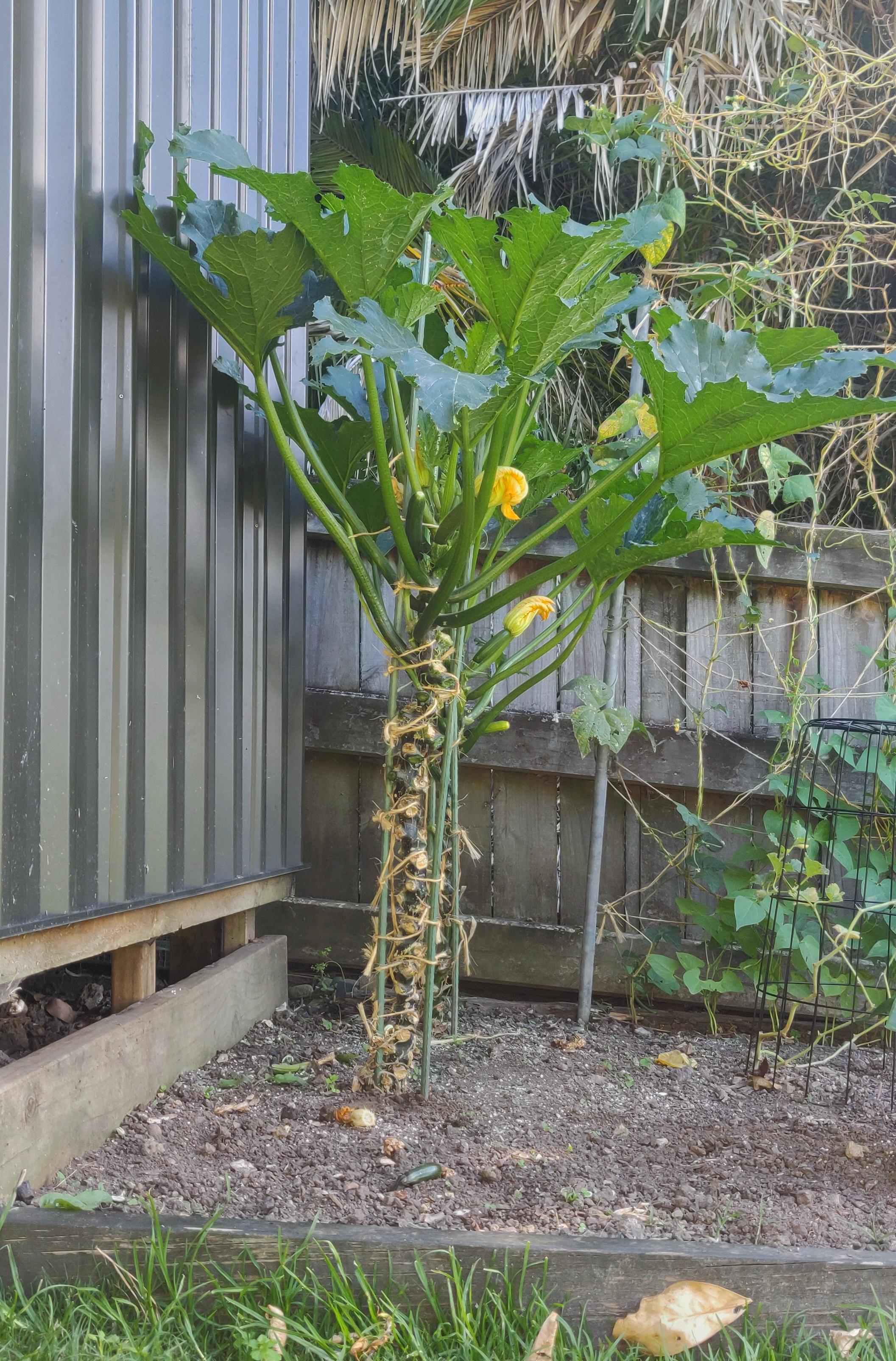
Stakes, trellises, and support options
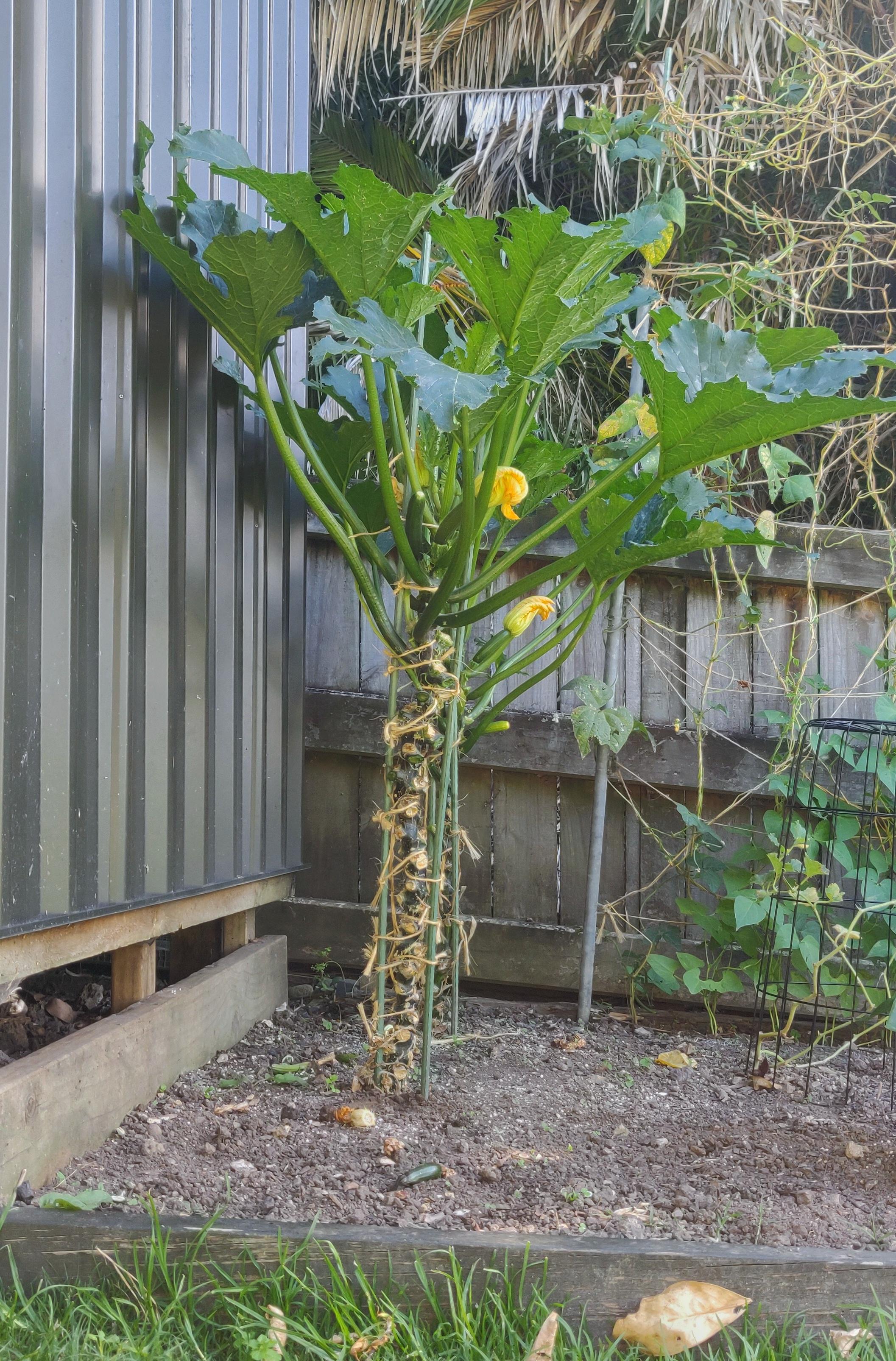
You need a solid frame to keep the plant upright. A single wooden stake and some garden twine is the cheapest way to do it. You just tie the main stem to the stake every few inches as it gets taller. It's basic, but it works if you're just starting out.
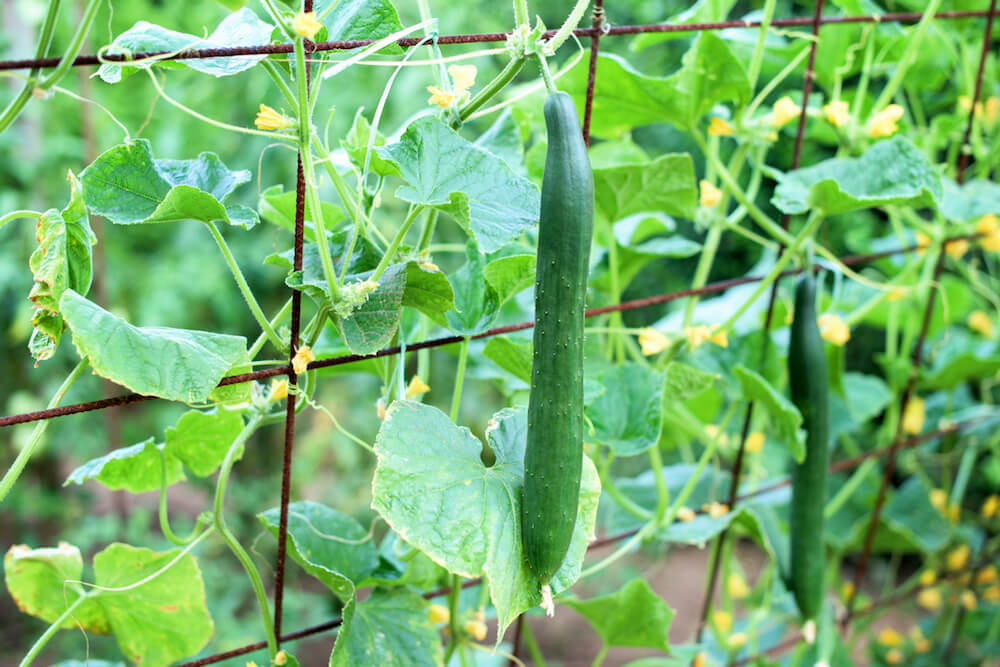
Moving up in complexity, tomato cages can work in a pinch, though they may not be tall enough for vigorous vines. A-frame trellises offer more height and support, and are relatively inexpensive to purchase or build. Cattle panels, those galvanized metal grids used for livestock, are incredibly strong and durable, but can be less aesthetically pleasing. They’re a good choice if you prioritize function over form.
For the DIY-inclined, PVC pipe can be used to construct custom trellises of any size and shape. You can create a simple teepee structure or a more elaborate archway. The key is to ensure the structure is sturdy enough to support the weight of the plant and its fruit. I've found that using thicker-walled PVC pipe and reinforcing the joints with connectors makes a significant difference.
Honestly, you don't need to spend a fortune to get started. A simple stake and twine setup is perfectly adequate for a single plant. The more elaborate systems become beneficial as you scale up your operation or if you’re dealing with particularly vigorous varieties. The goal is to provide support, not to build a masterpiece of garden architecture.
- Stake and twine is the cheapest method for beginners.
- Tomato Cage: Readily available, but may lack height.
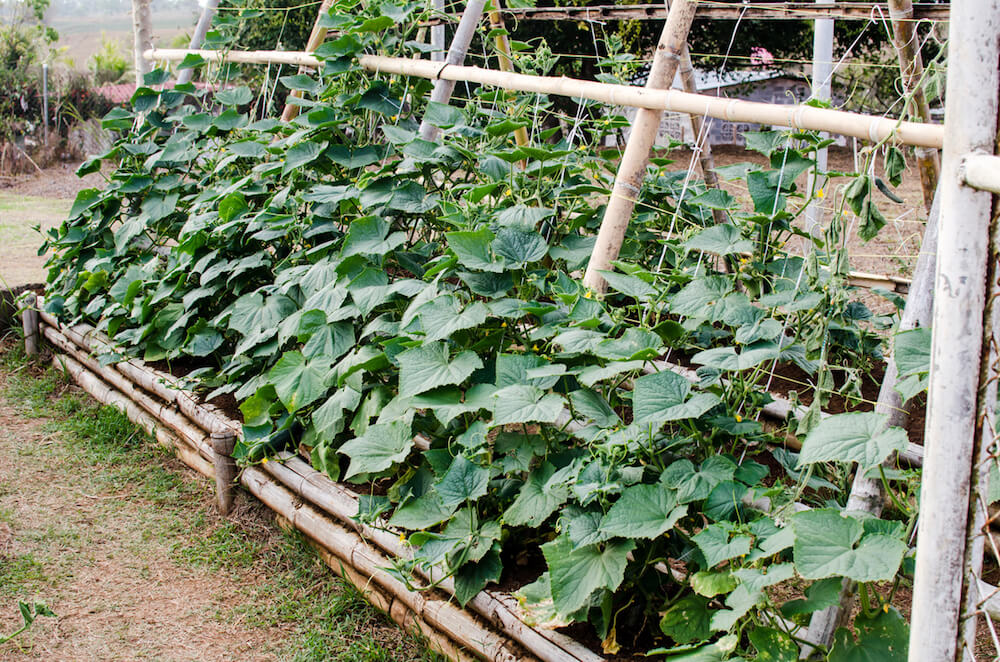
- A-frame trellises are sturdy and give the vines plenty of room to climb.
- Cattle Panel: Very strong, but less attractive.
- PVC Pipe Trellis: Customizable, requires some building skills.
Picking the right variety
Not all zucchini varieties are equally suited for vertical growing. There’s a fundamental distinction between bush and vining types. Bush varieties, as the name suggests, grow in a compact, rounded shape, while vining varieties produce long, trailing vines. Vining types are naturally better adapted to vertical growing, as they’re inclined to climb and spread horizontally—which we’re now redirecting upwards.
Some excellent choices for vertical growing include "Black Beauty’, a classic variety known for its dark green, glossy fruit; ‘Costata Romanesco’, an Italian heirloom with ribbed, pale green fruit; and ‘Eight Ball’, a compact variety that still benefits from support. While ‘Eight Ball" is technically a bush variety, providing a trellis encourages better airflow and makes harvesting easier.
Don't discount bush varieties entirely. Even if they don’t climb as readily, providing a small trellis or support system can still be beneficial, preventing the fruit from resting directly on the soil and improving air circulation. Hybrid varieties often exhibit vigorous growth and are well-suited for vertical gardening, but heirloom varieties offer unique flavors and characteristics.
Ultimately, most zucchini can be grown vertically with a little encouragement. However, opting for a vining variety from the start will generally make the process easier and more productive. Consider your space and desired fruit characteristics when making your selection.
Zucchini Variety Comparison for Vertical Gardening
| Variety Name | Growth Habit | Vertical Growing Suitability | Fruit Characteristics | Days to Maturity |
|---|---|---|---|---|
| Black Beauty | Bush | Good | Dark green, cylindrical | 50-60 days |
| Costata Romanesco | Vining | Excellent | Ribbed, light green | 55-65 days |
| Eight Ball | Bush | Good | Round, dark green | 50-55 days |
| Gold Rush | Bush | Fair | Bright yellow, cylindrical | 52-62 days |
| Raven | Bush | Good | Dark green, almost black when mature | 55-65 days |
| Tromboncino | Vining | Excellent | Long, pale green, often curved | 60-70 days |
| Patty Pan | Bush | Fair | Round, scalloped edges, various colors | 48-55 days |
Qualitative comparison based on the article research brief. Confirm current product details in the official docs before making implementation choices.
Indoor light, soil, and pots
Growing zucchini indoors presents unique challenges, primarily related to light. Zucchini are sun-loving plants, requiring at least 6-8 hours of direct sunlight per day. Indoors, you’ll need to supplement natural light with grow lights. Full-spectrum LED grow lights are the best option, providing the necessary wavelengths for healthy growth and fruit production.
When selecting grow lights, look for fixtures that deliver around 30-40 watts per square foot. Avoid using incandescent bulbs, as they generate too much heat and are inefficient. LED lights are more energy-efficient and produce less heat. Positioning the lights 6-12 inches above the plants is a good starting point, adjusting as needed based on the plants’ response.
Soil is equally important. Zucchini need a rich, well-draining soil mix. A blend of potting mix, compost, and perlite or vermiculite is ideal. The compost provides essential nutrients, while the perlite or vermiculite improves drainage and aeration. Avoid using garden soil, as it can compact and hinder root growth. Container size is crucial – zucchini have large root systems and require ample space. A minimum of 10-15 gallon containers are recommended.
Your pots must have holes in the bottom. If the roots sit in water, the plant will die. I usually put a saucer underneath to keep the floor dry. Just be honest with yourself: zucchini need intense light. If you try to grow these in a dark corner without a strong LED setup, you're going to be disappointed.
The trick to indoor pollination
Zucchini plants have separate male and female flowers, and they require pollination to produce fruit. Outdoors, this is typically accomplished by bees. Indoors, however, you’ll need to take on the role of the pollinator. This is arguably the most critical step in indoor zucchini growing.
The process is relatively simple, but it requires attention to detail. First, identify the male and female flowers. Male flowers have a straight stem behind the blossom, while female flowers have a small, immature zucchini at the base of the blossom. Using a small, soft paintbrush, gently collect pollen from the male flower.
Then, carefully transfer the pollen to the stigma (the sticky part) of the female flower. Repeat this process for each female flower you want to pollinate. The best time to hand-pollinate is in the morning, when the pollen is most viable. Consistent pollination is key – if you miss a day, fruit development may be delayed or inhibited.
I know this sounds tedious, but it’s essential for a successful harvest. Without pollination, your zucchini plants will produce flowers, but they won't set fruit. Don't be discouraged if your first attempts aren’t successful; it takes practice to master the technique.

Water, food, and pests
Consistent moisture is vital for healthy zucchini growth. Water deeply and regularly, keeping the soil consistently moist but not soggy. Check the soil moisture level daily, and water when the top inch feels dry to the touch. Avoid overhead watering, as this can promote fungal diseases. Instead, water at the base of the plant.
Zucchini are heavy feeders, meaning they require a lot of nutrients. Fertilize every 2-3 weeks with a balanced fertilizer (e.g., 10-10-10). Look for a fertilizer specifically formulated for vegetables. Organic fertilizers, such as compost tea or fish emulsion, are also excellent options. Monitor your plants for signs of nutrient deficiencies, such as yellowing leaves, and adjust your fertilization accordingly.
Pests can be a problem even indoors. Aphids, squash bugs, and powdery mildew are common culprits. Inspect your plants regularly for signs of infestation. For aphids, a strong spray of water can often dislodge them. Squash bugs can be handpicked and removed. Powdery mildew can be prevented by ensuring good airflow and using an organic fungicide.
Preventative measures are always best. Maintaining good air circulation, providing adequate light, and avoiding overwatering can all help reduce the risk of pest and disease problems. Regularly cleaning your growing area can also help prevent infestations.
Harvesting your crop
Harvest zucchini when they’re young and tender, typically 6-8 inches long. Regular harvesting encourages the plant to produce more fruit. Use a sharp knife or scissors to cut the zucchini from the vine, leaving a small stem attached. The smaller the zucchini, the sweeter and more flavorful it will be.
Zucchini can be stored in the refrigerator for up to a week. For longer storage, you can freeze or pickle them. There are countless ways to enjoy your homegrown zucchini. Try grilling them, adding them to stir-fries, or using them in zucchini bread or noodles.
Growing your own zucchini is incredibly rewarding. There’s something special about harvesting a vegetable you’ve nurtured from seed to maturity. Referencing Epic Gardening, vertical growing can actually boost your harvests, giving you even more to enjoy! So, embrace the challenge, get creative with your support systems, and savor the delicious fruits (or vegetables!) of your labor.
What's the biggest challenge you've faced growing zucchini indoors?
Vote below and share which obstacle has been hardest to manage in your indoor zucchini setup.

No comments yet. Be the first to share your thoughts!