

Cucumbers and zucchini indoors
You don't need a backyard to grow a decent harvest of cucumbers and zucchini. In 2026, apartment dwellers are turning to vertical setups to bypass the lack of soil. It is entirely possible to pull a fresh cucumber for lunch right from a wall-mounted vine in your living room.
The appeal is obvious: access to fresh, healthy food, a rewarding hobby, and a touch of green in your living space. For apartment dwellers, maximizing limited space is key. Vertical gardening offers a clever solution, allowing you to grow upwards rather than outwards. We’ll focus on techniques tailored for small apartments, acknowledging the unique challenges they present.
Success depends on picking compact varieties and getting the light right. While outdoor plants rely on bees and rain, indoor vines need you to handle the pollination and moisture yourself. These methods work in standard floor plans without requiring a full greenhouse setup.

Choosing the right varieties
Not all cucumbers and zucchini are created equal when it comes to indoor vertical gardening. Vining varieties, while prolific, require substantial space and robust support systems, often making them impractical for a small apartment. Instead, focus on bush or compact varieties specifically bred for containers. These generally yield a good harvest without becoming unmanageable.
’Spacemaster’ cucumber is a fantastic choice, known for its compact vine and early maturity. "Bush Baby’ zucchini is another excellent option, producing a generous yield of dark green zucchini on a relatively small plant. Other varieties to consider include ‘Patio Snacker’ cucumber and ‘Eight Ball" zucchini, both designed for container growing. Disease resistance is also a crucial factor; look for varieties labeled as resistant to common cucumber and zucchini ailments.
Before purchasing seeds or seedlings, research the mature size of the plant. Even bush varieties can vary in their overall footprint. Paying attention to this detail upfront will save you headaches later on. Remember, a smaller plant is generally easier to manage within the confines of an apartment and a vertical gardening setup. Selecting the right type is half the battle.
Vertical structures for small spaces
The foundation of any successful indoor vertical garden is the structure itself. For apartments, you need something stable, space-efficient, and aesthetically pleasing. Wall-mounted planters are a popular choice, utilizing vertical space without taking up floor area. Hanging baskets can also work well, especially for smaller cucumber varieties. However, ensure your ceiling can support the weight when fully watered.
Stacked planters made from repurposed plastic bottles or tiered kits are modular. You can adjust the height to fit your ceiling. PVC pipes also work for building custom trellises. Charles Dowding has shown that even simple vertical strings can support heavy cucumber vines if anchored correctly.
Commercially available vertical gardening systems, while often more expensive, offer convenience and a polished look. Consider factors like cost, stability, aesthetics, and ease of watering when choosing a structure. Safety is paramount – ensure any wall-mounted structures are securely anchored to the wall studs. Avoid placing structures in high-traffic areas where they could be easily bumped or knocked over. Consider the weight capacity of your balcony if growing outdoors.
Think about accessibility for watering and harvesting. You don’t want to be climbing on chairs to reach your produce! A well-planned structure will make maintenance much easier. Remember to consider the visual impact and choose a structure that complements your apartment’s décor.
Light, water, and feeding
These plants are thirsty. They need six to eight hours of direct sun, which usually requires full-spectrum LED grow lights in an apartment. Keep the LEDs close to the leaves and move them up as the vines climb to prevent leggy growth.
Watering is equally important. Cucumbers and zucchini prefer consistently moist soil, but avoid overwatering, which can lead to root rot. Check the soil moisture level regularly by sticking your finger about an inch deep. If it feels dry, it’s time to water. Self-watering planters can be a helpful tool for maintaining consistent moisture levels. Good drainage is essential – ensure your containers have drainage holes.
These plants are heavy feeders, meaning they require a nutrient-rich soil and regular fertilization. Use a high-quality potting mix amended with compost or other organic matter. Feed your plants every two to three weeks with a balanced fertilizer formulated for vegetables. Organic fertilizer options, such as fish emulsion or compost tea, are a great choice. Yellowing leaves or stunted growth can be signs of nutrient deficiencies, so pay attention to your plants’ visual cues.
Pollination: A Helping Hand Indoors
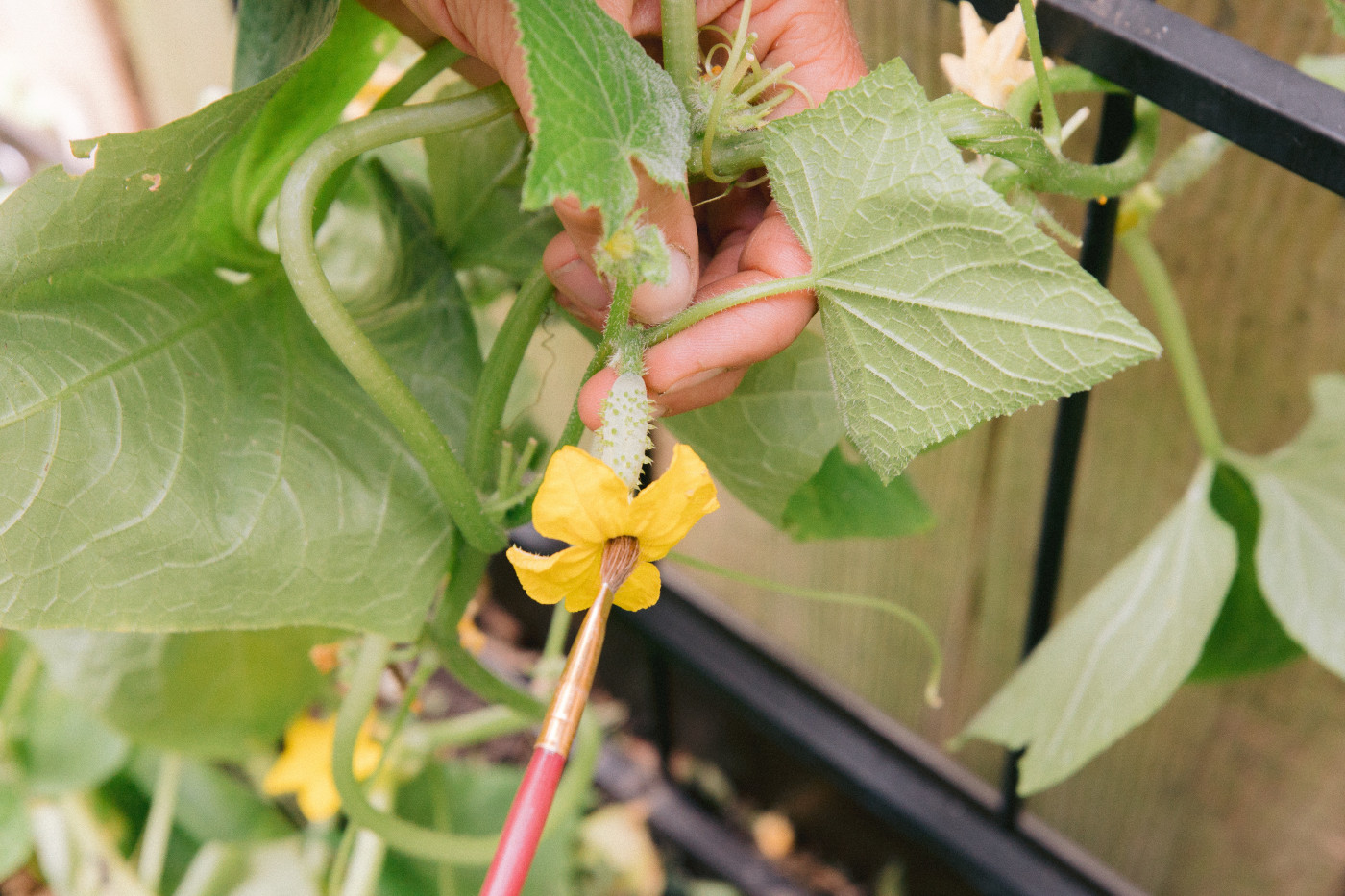
Unlike outdoor gardens, indoor cucumbers and zucchini won't have access to bees for pollination. This means you'll need to take on the role of pollinator yourself. Fortunately, it’s a relatively simple process. Cucumbers and zucchini have both male and female flowers. Male flowers have a straight stem, while female flowers have a small swelling at the base – this is the developing fruit.
To hand-pollinate, gently remove a male flower and use a small brush (a paintbrush works well) to collect pollen from its anther. Then, transfer the pollen to the stigma of a female flower. Repeat this process for several flowers to increase your chances of success. The timing of pollination is crucial – it’s best to do this in the morning when the flowers are fully open.
You can also try using a small fan to help distribute pollen, although hand-pollination is generally more reliable. Numerous online resources offer visual guides on hand-pollination techniques. A quick search for “hand pollinating cucumbers” or “hand pollinating zucchini” will yield helpful results. Consistent hand-pollination is the key to getting fruit.
Pest & Disease Control (Apartment Style)
Even indoor gardens aren’t immune to pests and diseases. Common culprits include aphids, spider mites, and powdery mildew. Prevention is the best strategy. Ensure good air circulation by opening windows or using a fan. Avoid overcrowding plants, which can create a humid environment conducive to fungal growth. Regularly inspect your plants for signs of trouble.
If you do encounter pests, organic solutions are the way to go. Neem oil is an effective insecticide and fungicide. Insecticidal soap can also be used to control aphids and spider mites. Apply these treatments according to the product instructions. Early detection is crucial – the sooner you address a problem, the easier it will be to control.
Isolate any affected plants to prevent the spread of pests or diseases to other houseplants. Clean up fallen leaves and debris, as these can harbor pests and pathogens. Good hygiene practices will go a long way in maintaining a healthy indoor garden. Remember, a healthy plant is more resistant to pests and diseases.
Harvesting & Enjoying Your Bounty
Harvesting cucumbers and zucchini at the right time is essential for optimal flavor and texture. Cucumbers are best harvested when they are still relatively small and firm, before the seeds become too large. Zucchini should be harvested when they are young and tender, typically 6-8 inches long. Regular harvesting encourages continued production.
There are countless ways to enjoy your homegrown produce. Sliced cucumbers are perfect for salads or pickling. Zucchini can be grilled, sautéed, or used in stir-fries. A simple recipe: Sauté sliced zucchini with garlic and olive oil for a quick and delicious side dish. The Old Farmer’s Almanac (almanac.com) provides helpful harvest timing guidance for both crops.
Growing your own cucumbers and zucchini isn’t just about the food; it’s about the satisfaction of nurturing a plant from seed to harvest. It’s a rewarding experience that connects you to nature, even in the heart of the city. Plus, you’ll know exactly where your food came from and how it was grown.
- Fresh slices for salads
- Pickle for a tangy treat
- Add to stir-fries for a healthy meal
Cucumber & Zucchini Recipes
- Cucumber & Avocado Salad - A refreshing and simple salad combining diced cucumbers, avocado, red onion, and a light lime dressing.
- Zucchini Noodles with Pesto - A healthy and low-carb alternative to pasta, using a spiralizer to create zucchini noodles tossed in vibrant pesto sauce.
- Cucumber Sandwiches - Classic tea sandwiches featuring thinly sliced cucumbers and cream cheese on white bread, perfect for a light lunch.
- Grilled Zucchini & Halloumi Skewers - A flavorful and satisfying vegetarian option with grilled zucchini, salty halloumi cheese, and a drizzle of olive oil.
- Zucchini Bread - A moist and delicious quick bread, often spiced with cinnamon and nutmeg, ideal for using up a bountiful zucchini harvest.
- Cucumber Raita - A cooling Indian condiment made with grated cucumber, yogurt, mint, and spices, excellent as a side dish.
- Stuffed Zucchini Boats - Hollowed-out zucchini filled with a savory mixture of ground meat, rice, vegetables, and cheese, then baked until tender.


No comments yet. Be the first to share your thoughts!