

Vertical gardens: Low-effort greenery
Many of us want to fill our homes with plants but struggle to keep them alive. If you’ve resigned yourself to a plant-free existence, or your home resembles a graveyard of good intentions, there’s good news. Vertical gardening is making greenery accessible to everyone, offering a fantastic way to bring the outdoors in, even in small spaces.
Vertical gardens are practical, saving space, improving air quality, and adding tranquility to a busy home. Combining vertical gardening with plants that thrive on neglect, plants so resilient and adaptable they’ve earned the title of "zero-maintenance," unlocks their full potential.
This article explores five incredible indoor plants perfect for vertical gardens, even for those who have previously struggled with plant care. These plants are reliable and will flourish with minimal effort, freeing you to enjoy the beauty of nature without the stress.
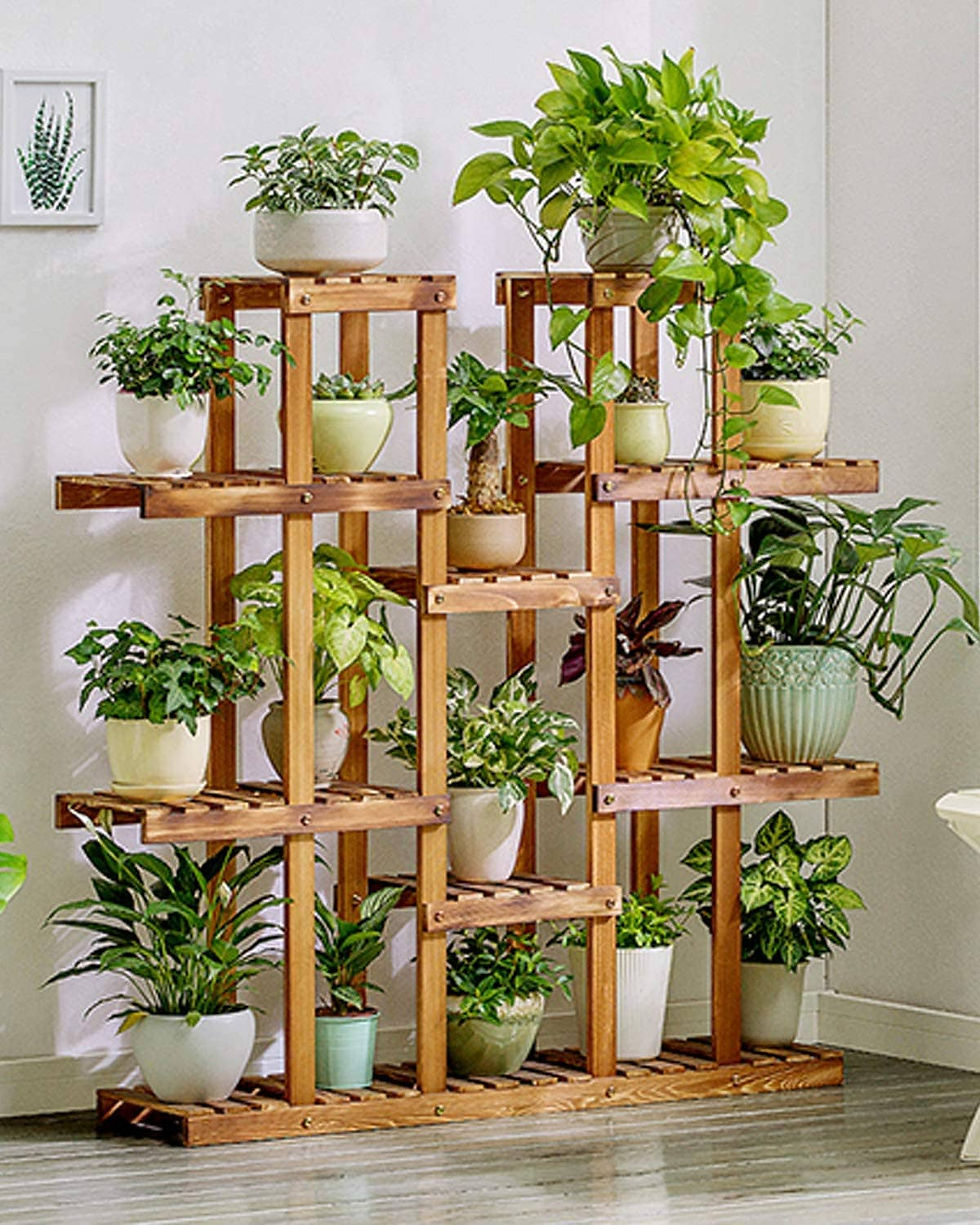
Snake plant: The resilient choice
The Snake Plant, also known as Sansevieria trifasciata or Mother-in-Law’s Tongue, is legendary for its hardiness. Seriously, this plant can withstand conditions that would kill most others. It tolerates low light, infrequent watering, and a wide range of temperatures and humidity levels. It’s a favorite among beginners for a reason.
The secret to the Snake Plant’s resilience lies in its leaves. They’re thick and fleshy, designed to store water, allowing it to go weeks – even months – without a drink. This makes it incredibly forgiving if you forget to water it regularly. There are many varieties too – the classic 'Laurentii' with its yellow edges, the dark green 'Zamiifolia', and the cylindrical 'Hahnii' are all excellent choices.
While Snake Plants don’t require a vertical garden to thrive, they look fantastic in them. Their upright growth habit is well-suited to pocket planters or wall-mounted containers. Just be aware that all parts of the Snake Plant are mildly toxic to pets, so keep them out of reach if your furry friends are prone to nibbling. A study by NASA in 1989 highlighted the Snake Plant's ability to filter toxins like formaldehyde and benzene from the air.
ZZ plant: Thrives in low light
If you have a dimly lit corner in your home, the ZZ Plant is your new best friend. This plant is famously tolerant of low light conditions – it can even thrive in spaces where other plants would simply refuse to grow. It’s a truly remarkable plant, and one of the easiest to care for.
Like the Snake Plant, the ZZ Plant is drought-tolerant. It has rhizomes – thick, underground stems – that store water, allowing it to survive long periods without watering. Its glossy, dark green leaves and architectural shape add a touch of sophistication to any space. This plant really feels like it can handle anything you throw at it.
ZZ Plants perform well in a variety of vertical garden setups, from pocket planters to hanging baskets. They are relatively slow-growing, which means you won’t have to worry about constant pruning or repotting. ZZ Plants are also toxic to pets, so keep them safely out of reach. The University of Vermont Extension notes that ZZ plants are exceptionally durable and adaptable.
- Choose a well-draining potting mix.
- Water only when the soil is completely dry.
- Avoid direct sunlight, which can scorch the leaves.
Pothos: Trailing beauty
Pothos is a classic houseplant for a reason: it’s incredibly easy to grow and propagate. Its trailing habit makes it ideal for cascading down from a vertical garden, creating a lush, green waterfall effect. It’s a plant that adds instant life to any room.
Several Pothos varieties exist, including the popular Golden Pothos with its variegated leaves, the Marble Queen with its creamy white markings, and the Neon Pothos with its bright chartreuse foliage. Golden Pothos can tolerate lower light conditions, while the Neon variety prefers brighter, indirect light. They all thrive in hanging baskets within a vertical setup.
Propagating Pothos is a breeze – simply take a stem cutting and place it in water until roots develop, then plant it in soil. If your Pothos becomes leggy (with long stems and sparse leaves), you can simply trim it back to encourage bushier growth. Pothos is generally considered non-toxic to pets, although ingestion can sometimes cause mild digestive upset.
Spider plant: Easy to propagate
Spider Plants are known for being exceptionally forgiving. They tolerate a wide range of conditions – from bright, indirect light to lower light levels – and can withstand occasional neglect. They’re a great choice for beginner plant parents.
Beyond their easy care, Spider Plants are also excellent air purifiers, removing toxins like formaldehyde and xylene from the air. They’re also famous for producing "spiderettes" – baby plants that dangle from the mother plant on long stems. These spiderettes can be easily propagated to create new plants, filling out your vertical garden.
Propagate by snipping off a spiderette with its roots and planting it in soil. Spider Plants are safe for pets. Brown tips on the leaves are often a sign of low humidity; misting the plant regularly can help prevent this. Research by Drexel University in 2019 confirmed the Spider Plant's effectiveness in removing indoor air pollutants.
- Propagate spiderettes by snipping them off with roots attached.
- Plant in well-draining potting mix.
- Mist regularly to increase humidity.
Cast iron plant: Indestructible and forgiving
The Cast Iron Plant lives up to its name. It’s renowned for its incredible resilience and ability to tolerate neglect. Low light, infrequent watering, temperature fluctuations – this plant can handle it all. It’s a true survivor.
Its architectural, upright growth habit makes it a striking addition to any indoor space. The Cast Iron Plant has been a popular houseplant for over a century, and for good reason. It’s a reliable and long-lasting plant that requires minimal care. While it’s not the fastest grower, its durability makes it a worthwhile investment.
In a vertical garden, the Cast Iron Plant benefits from being slightly elevated, making it easier to dust its broad leaves. It is non-toxic to pets. This is a plant you can largely forget about, and it will still thrive. The Royal Horticultural Society recognizes the Cast Iron Plant for its exceptional tolerance of poor conditions.
Setting up your vertical garden
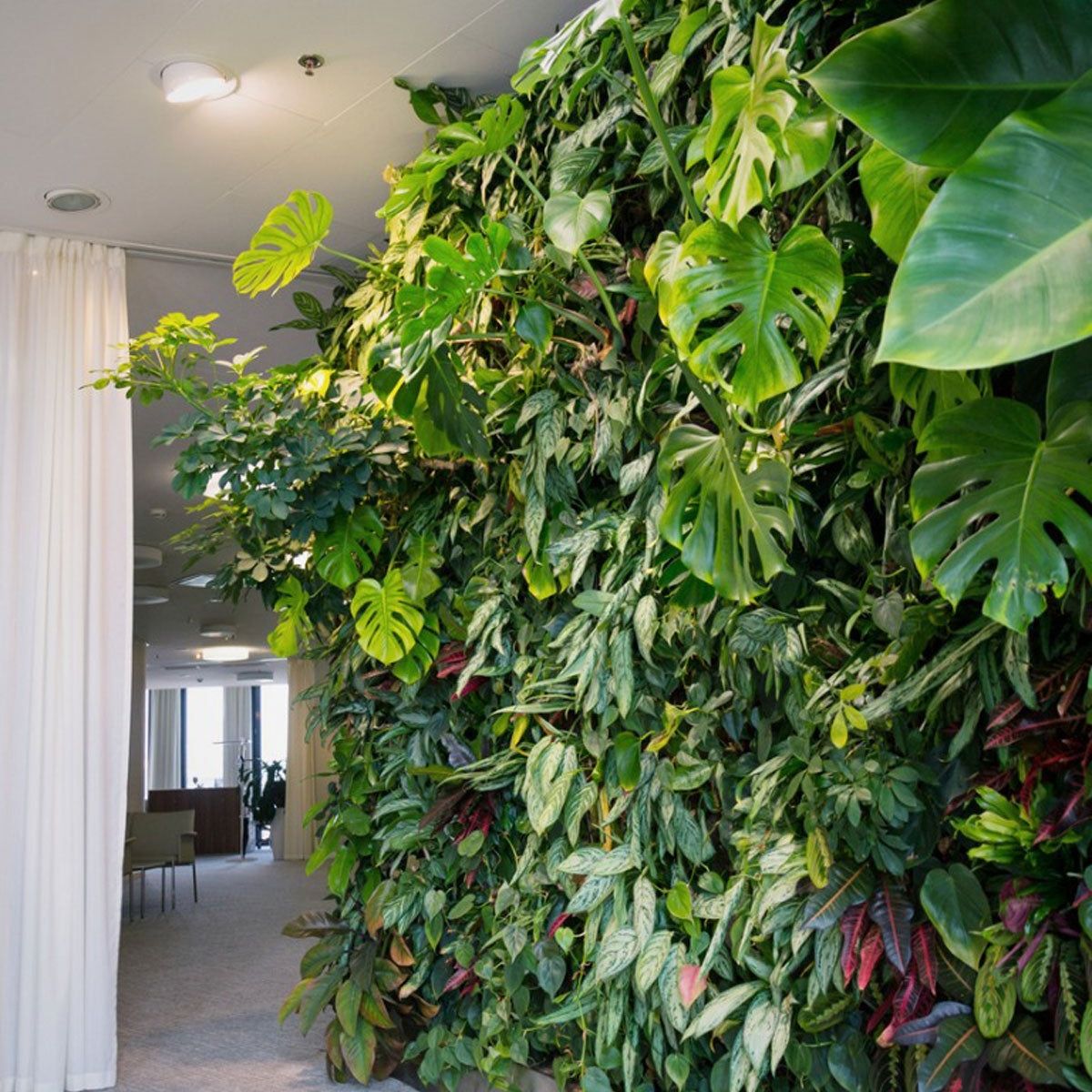
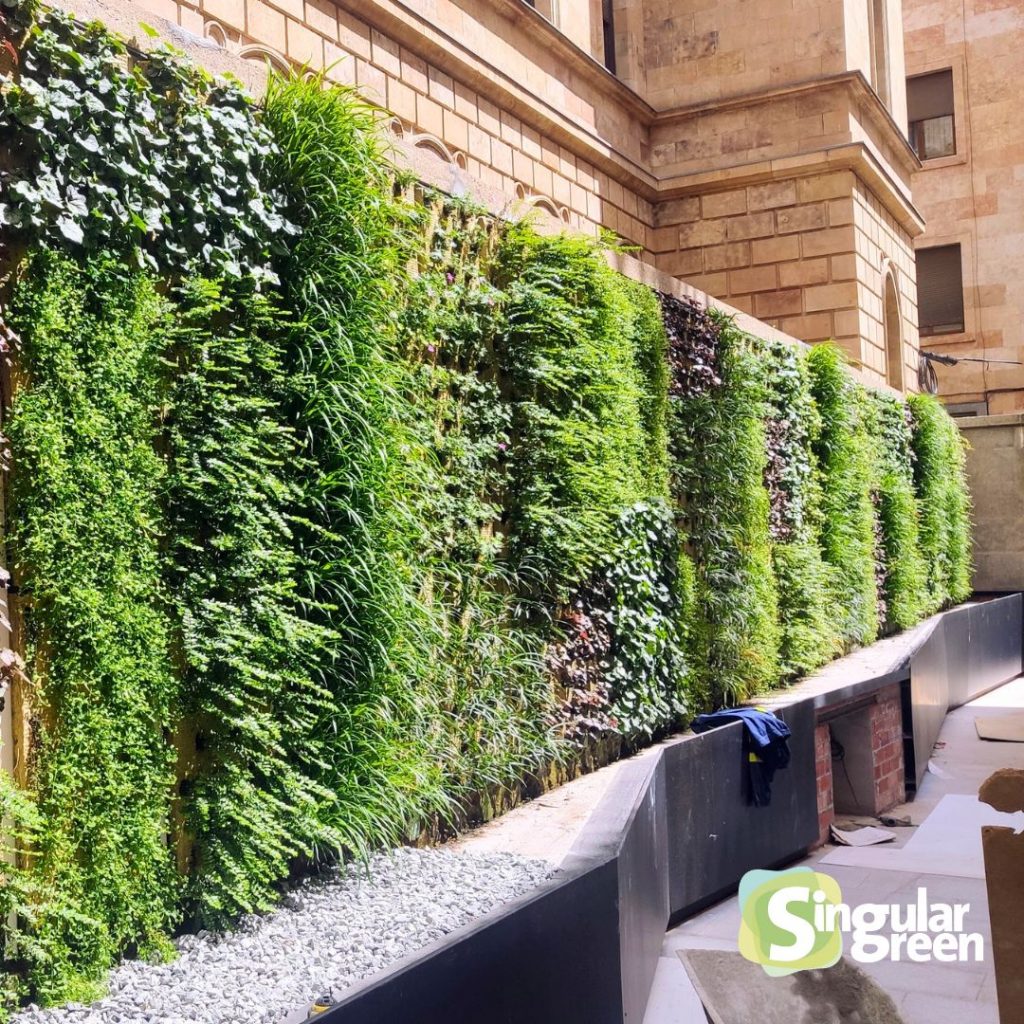
Setting up a vertical garden doesn’t have to be complicated. Several options are available, ranging from simple pocket planters to more elaborate living wall systems. Pocket planters or stacked planters are recommended for beginners as they are affordable and easy to install.
Pallet gardens are another popular option, but they require more preparation. Ensure the pallet is heat-treated, not chemically treated, and line it with landscape fabric before adding soil. Whichever system you choose, the key is to use a well-draining potting mix. This will prevent root rot and ensure your plants stay healthy.
Even these low-maintenance plants need some water. Water thoroughly when the top inch of soil feels dry to the touch. More detailed setup guides and plant care tips can be found on other resources.
Troubleshooting common issues
While these plants are incredibly low-maintenance, they’re not entirely immune to problems. Yellowing leaves can be a sign of overwatering or underwatering, so check the soil moisture. Pests like mealybugs and spider mites can occasionally appear, but they’re usually easily controlled with a simple insecticidal soap spray.
Root rot is another potential issue, especially if the potting mix isn’t well-draining. If you suspect root rot, repot the plant in fresh soil and ensure the pot has drainage holes. Remember, early detection is key. Regularly inspect your plants for any signs of trouble.
"Low maintenance’ doesn’t mean ‘no maintenance.’ These plants still need some care, but it"s minimal compared to other houseplants. With a little attention, you can enjoy a thriving vertical garden filled with beautiful, resilient plants.
No comments yet. Be the first to share your thoughts!