

Vertical Gardens: A 2026 Revival
Indoor vertical gardening is popular again, with 2026 looking like a peak year. It’s a response to urban living and limited outdoor space, driving a desire to bring nature inside. The Purdue University Cooperative Extension Service has researched indoor plant care for years; their publication HO-039.PM covers the basics.
People appreciate the mental well-being and air quality benefits of plants. Vertical gardens also offer a compact way to grow herbs, vegetables, and fruits.
The current trend focuses on ease. Early adopters were dedicated gardeners, but today's interest comes from people seeking low-maintenance solutions. They want the benefits without a big commitment, shifting the market towards simple, successful plant varieties and systems.
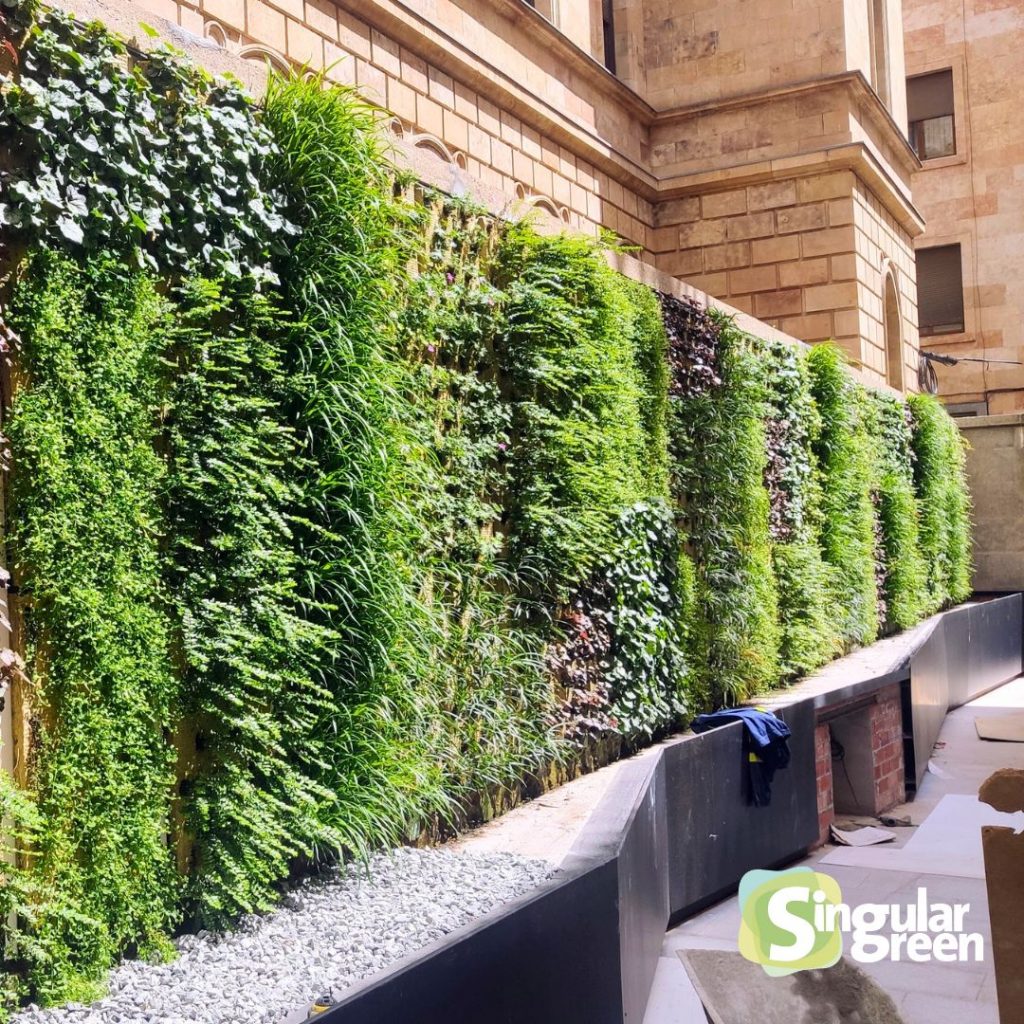
Why Low Maintenance Matters
Indoor gardening has a reputation for being difficult. Many people have had plants wilt or fail, leading to discouragement. Barriers include the time commitment for watering, fertilizing, and pest control, plus a fear of mistakes.
That’s where low-maintenance options come in. People are busier and look for hobbies that fit their lifestyles. The desire for plants remains, but tolerance for high-maintenance care has decreased. The 2026 trend is about maximizing enjoyment and minimizing effort.
This is about being realistic. Choosing resilient, adaptable plants makes gardening more rewarding and less overwhelming for beginners.
The 15 Easiest Vertical Plants
Selecting the right plants is key to a successful, low-maintenance vertical garden. Here are 15 species that perform well indoors, even for beginners.
1. Pothos (Epipremnum aureum): Perhaps the most forgiving plant on this list. Pothos tolerates low light, infrequent watering, and a wide range of temperatures. Ideal for hanging baskets or trailing from shelves. Water when the soil is dry to the touch.
2. Spider Plant (Chlorophytum comosum): Another extremely easy-care option. Spider plants produce "spiderettes" – baby plants – that can be easily propagated. They prefer bright, indirect light and moderate watering. Pocket planters work well.
3. Snake Plant (Sansevieria trifasciata): Known for its air-purifying qualities and ability to thrive on neglect. Snake plants prefer low to moderate light and very infrequent watering. They’re well-suited for vertical pockets or standalone planters.
4. ZZ Plant (Zamioculcas zamiifolia): Exceptionally drought-tolerant and adaptable to low light conditions. ZZ plants are slow-growing, so they require minimal repotting. Use in wall-mounted containers.
5. Peace Lily (Spathiphyllum wallisii): While they prefer consistent moisture, peace lilies are relatively forgiving. They’ll dramatically droop when thirsty, providing a clear signal for watering. Best in hanging baskets.
6. English Ivy (Hedera helix): A classic choice for trailing and cascading displays. English ivy prefers bright, indirect light and consistent moisture. Perfect for creating a "living wall" effect with pocket planters.
7. Heartleaf Philodendron (Philodendron hederaceum): Similar to pothos in terms of ease of care. Heartleaf philodendrons thrive in low to moderate light and tolerate infrequent watering. Ideal for trailing from shelves or hanging baskets.
8. Swedish Ivy (Plectranthus verticillatus): Fast-growing and easy to propagate, Swedish ivy adds a lush, trailing element to any vertical garden. Prefers bright, indirect light and moderate watering.
9. Wandering Jew (Tradescantia zebrina): Known for its striking purple and silver striped leaves. Wandering Jew prefers bright, indirect light and consistent moisture. It’s a fast grower that looks great in hanging baskets.
10. String of Pearls (Senecio rowleyanus): A unique and eye-catching succulent. String of pearls requires bright, indirect light and very infrequent watering. Best displayed in hanging baskets to showcase its trailing stems.
11. Strawberries (Fragaria × ananassa): Surprisingly easy to grow vertically! Strawberries require at least 6 hours of direct sunlight and consistent watering. Use a tiered planter or hanging baskets.
12. Cucumbers (Cucumis sativus): Another edible option that thrives vertically. Cucumbers need a trellis or support structure to climb. They require consistent moisture and fertilization.
13. Herbs (Various): Many herbs, such as mint, basil, and oregano, are well-suited for vertical gardens. They require bright light and regular watering. Use pocket planters or small pots.
14. Air Plants (Tillandsia): These epiphytes don't require soil, making them perfect for unique vertical displays. Air plants need regular misting or soaking in water.
15. Creeping Fig (Ficus pumila): This plant naturally climbs and clings to surfaces, making it ideal for creating a green wall. It prefers bright, indirect light and consistent moisture.
Featured Products
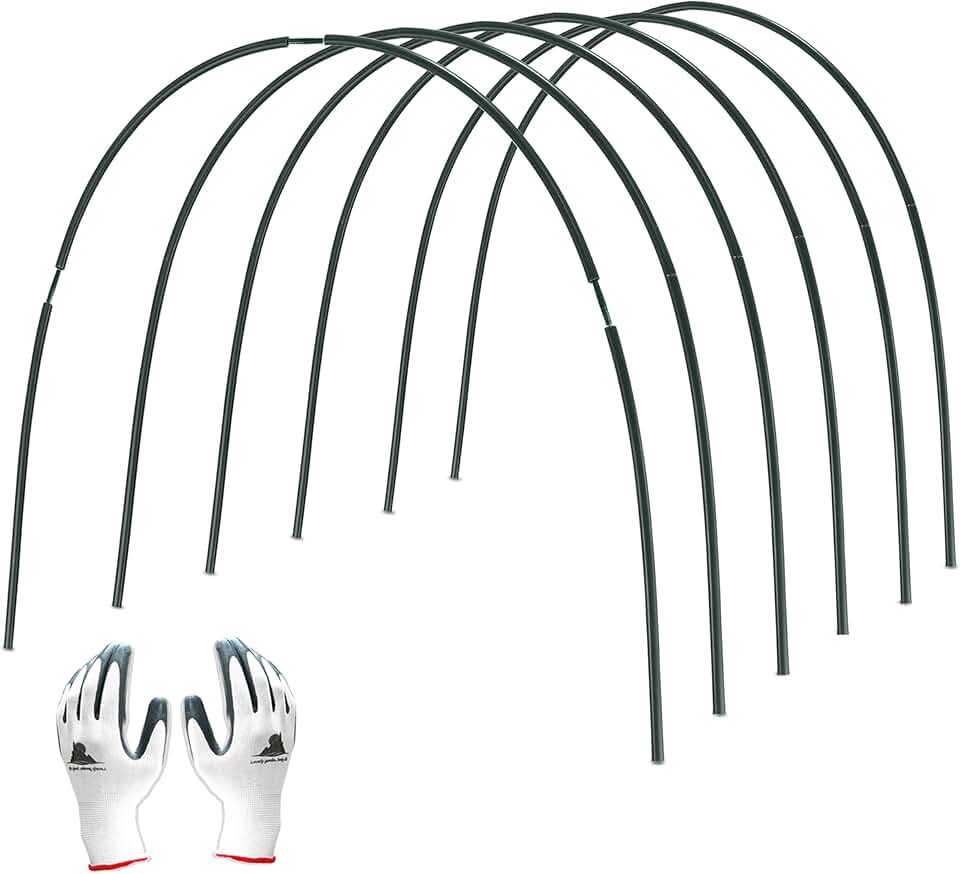
DIY kit for row cover and garden netting · All-season plant protection · 24 pieces included
These hoops provide essential support and protection for plants in vertical setups, making them a versatile addition to any indoor garden.

Patented internal watering system · Five tiers for ample planting space · Suitable for strawberries, vegetables, herbs, and flowers
This planter simplifies plant care with its integrated watering system, ensuring consistent moisture for a thriving vertical garden.

Artificial plant panels for a green wall effect · Each panel measures 20"x20" · Pack includes 4 pieces for versatile arrangement
For instant, maintenance-free greenery, these artificial panels create a lush vertical landscape without any watering or care required.

Full spectrum T5 grow lights (5000K) · Energy-efficient 10-watt LED strips · End-to-end connectable for extended coverage
These compact grow lights provide the necessary spectrum for plant growth, perfect for supplementing light in smaller indoor vertical garden spaces.

WiFi-integrated automatic grow system · Includes 150W full-spectrum LED grow light · Efficient ventilation system with smart controller
This all-in-one smart grow tent kit automates key environmental factors, offering a high-tech, low-effort solution for cultivating plants indoors.
As an Amazon Associate I earn from qualifying purchases. Prices may vary.
Standout Species: Strawberries & Cucumbers
Strawberries and cucumbers require a bit more care than other plants on this list, but the reward is fresh, homegrown produce. Strawberries grow best in tiered planters or hanging baskets with good drainage and air circulation. Use a well-draining potting mix with compost and fertilize every 2-3 weeks with a balanced fertilizer.
Cucumbers need a sturdy trellis or support. Choose a container variety like "Spacemaster’ or ‘Bush Champion". Consistent watering is crucial during fruiting. Cucumbers are heavy feeders, so fertilize regularly with a potassium-rich fertilizer. Most cucumber varieties need pollination; hand-pollinate flowers indoors.
These two plants show that even with a low-maintenance focus, extra effort yields rewards. They are great for gardeners wanting to expand skills and enjoy harvesting their own food.
Troubleshooting Common Problems
Even low-maintenance plants can have problems. Pests like spider mites and aphids can infest indoor gardens; inspect plants regularly and treat with insecticidal soap or neem oil. Yellowing leaves often mean overwatering or nutrient deficiencies. Adjust watering and consider a balanced fertilizer.
Leggy growth (long, spindly stems) usually signals insufficient light. Move plants to a brighter spot or use grow lights. Insufficient pollination can affect fruiting plants like strawberries and cucumbers; hand-pollinate flowers with a small brush.
Proper drainage and airflow prevent many problems. Ensure planters have drainage holes and adequate ventilation. The Yard and Garden extension service at Iowa State University offers information on houseplant care and pest control at yardandgarden.extension.iastate.edu.
Light: The Often-Overlooked Factor
Light is arguably the most important factor for indoor gardening success. Low-maintenance plants tolerate low light better, but all plants need some light to thrive. Watch for signs of light stress: pale leaves, leggy growth, or failure to flower.
If natural light is limited, use grow lights. LED lights are energy-efficient and produce minimal heat. Fluorescent lights are less efficient and have shorter lifespans. Choose lights based on your budget and plant needs.
Provide at least 6-8 hours of light per day. Use a light meter to measure intensity. If plants aren't getting enough light, they will show signs. Experiment with different light sources and placements.
Vertical Garden Systems Compared
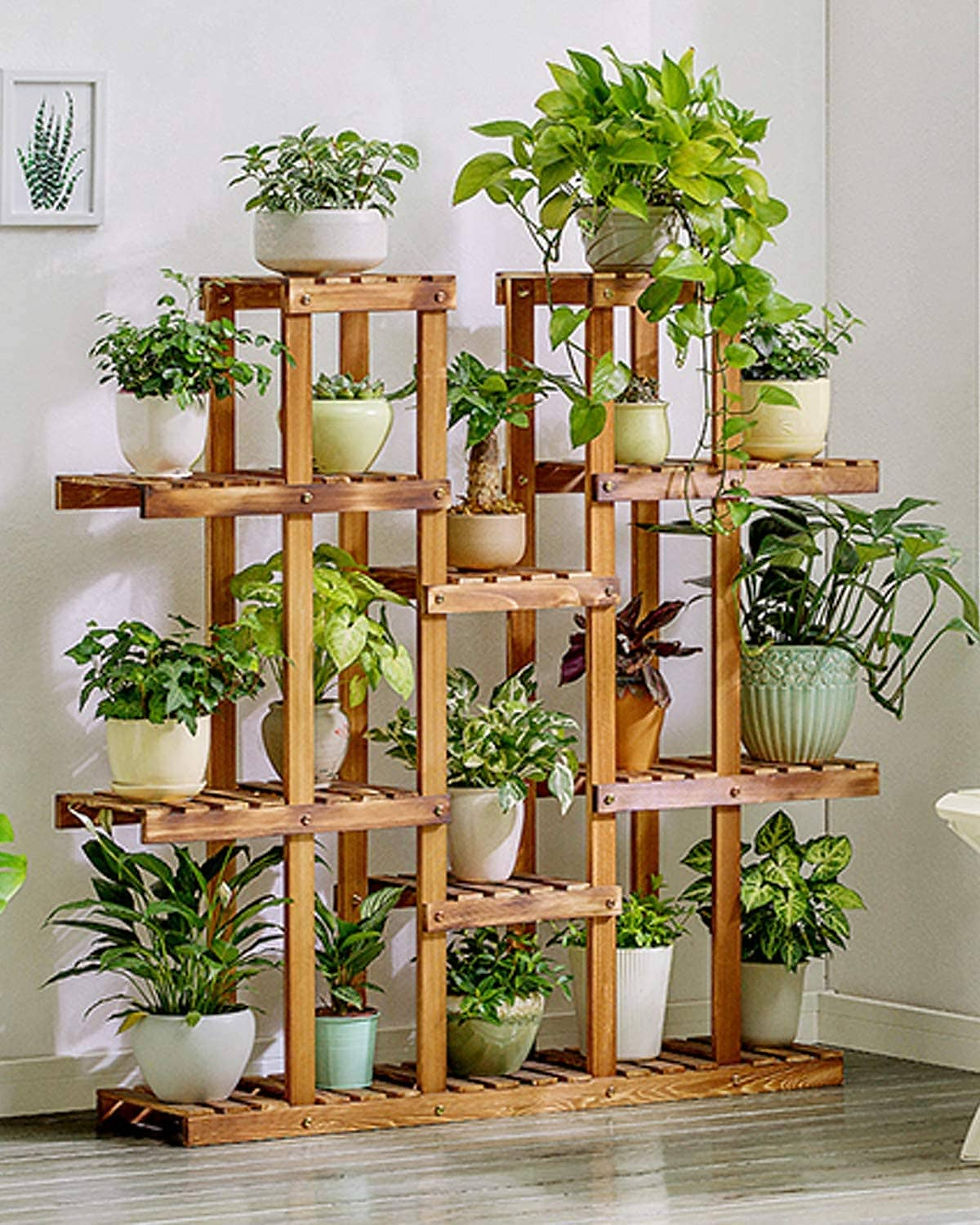
Several different types of vertical gardening systems are available, each with its own pros and cons. Pocket planters are a popular choice for creating living walls. They’re relatively inexpensive and easy to install, but they can dry out quickly and require frequent watering. Stacked planters offer a more modular approach, allowing you to customize the size and shape of your garden.
Trellises are ideal for climbing plants like cucumbers and tomatoes. They provide support and allow for good air circulation. Hydroponic systems offer a soil-free growing experience, but they require more technical knowledge and maintenance. For ease of use, pocket planters and stacked planters are generally the best options for beginners.
Consider the specific needs of your plants when choosing a system. Trailing plants like pothos and ivy are well-suited for hanging baskets and pocket planters, while climbing plants require a trellis or support structure. The right system can make a significant difference in the success of your vertical garden.
Vertical Garden System Comparison
| System Type | Cost | Maintenance | Plant Variety | Space Requirements | Water Usage |
|---|---|---|---|---|---|
| Pocket Systems | Generally Lower | Moderate - Requires individual attention | Good for herbs & smaller foliage | Flexible, adapts to wall size | Moderate - Can dry out quickly |
| Stacked Systems | Moderate | Lower - Self-contained, less frequent watering | Limited to plants fitting pot size | Moderate - Requires stable base | Lower - Good water retention |
| Trellis Systems | Lower (for basic trellis) | Moderate - Pruning & training needed | Best for vining plants (cucumbers, beans) | Requires floor or ceiling support | Moderate - Dependent on plant needs |
| Hydroponic Systems | Higher Initial Cost | Moderate - Monitoring nutrient solution | Wide - Many options, fast growth | Can be compact, but requires electricity | Efficient - Recirculating water reduces waste |
| Modular Panel Systems | Moderate to Higher | Moderate - Easy plant replacement | Good - Versatile, accommodates various plants | Moderate - Panel size dictates space | Moderate - Dependent on panel watering system |
Qualitative comparison based on the article research brief. Confirm current product details in the official docs before making implementation choices.
Beyond the Basics: Expanding Your Garden
Once you’ve mastered the basics, don’t be afraid to experiment with different plant combinations and vertical gardening techniques. Explore online communities and blogs for inspiration and advice. Local nurseries can also provide valuable insights into which plants thrive in your area.
More advanced techniques, such as aquaponics (combining fish farming with hydroponics) and automated watering systems, can further simplify the gardening process. But remember, the goal is to create a space that you enjoy, so start small and gradually expand your garden as your confidence grows.
No comments yet. Be the first to share your thoughts!