

Small Space, Big Greens
Apartment living doesn’t mean sacrificing the joy of gardening. In fact, vertical gardening is booming, especially for those of us with limited square footage. It’s a fantastic way to bring a bit of the outdoors in, improve air quality, and even grow some of your own food, all without taking up precious floor space. The appeal is simple: accessibility and efficiency.
Looking at 2026, I’m seeing a real shift in how people approach indoor gardening. There's a growing interest in self-sufficiency – folks want to grow their own herbs and vegetables, even in a small way. Alongside that, biophilic design is huge. People are intentionally incorporating natural elements into their homes, and plants are at the forefront of that trend. I think people are really craving bringing the outdoors in, and small spaces shouldn’t limit that.
Vertical gardens aren’t just about aesthetics, though they certainly add a beautiful touch. They can also be surprisingly low maintenance, especially if you choose the right plants. We’ll cover five varieties that practically thrive on neglect, making them perfect for busy apartment dwellers or those new to plant ownership. These aren't the fussy orchids demanding constant attention; these are survivors.
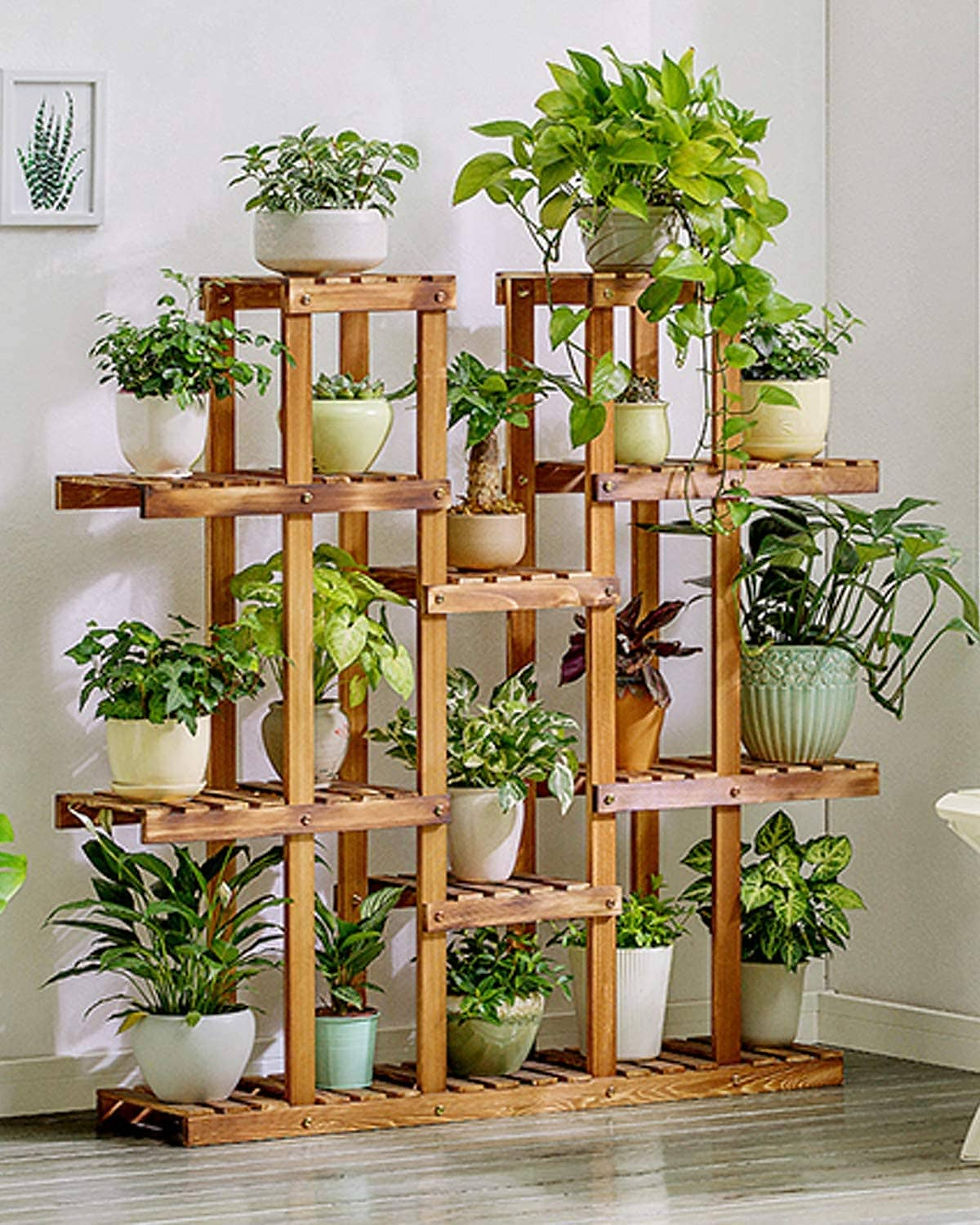
Pothos: The Unkillable Vine
If you're looking for a plant that can handle just about anything, look no further than the Pothos. Seriously, these plants are incredibly forgiving. They adapt beautifully to low-light conditions, which is a huge plus for apartments that don’t get a ton of direct sunlight. Their trailing habit makes them ideal for hanging baskets or cascading down a vertical garden structure.
Watering is where Pothos really shines – or rather, doesn't need much of. Overwatering is a far bigger threat than underwatering. Allow the soil to dry out completely between waterings. You’ll know it’s time to water when the leaves start to droop slightly. There are several popular varieties: Golden Pothos with its classic variegation, Marble Queen with its creamy white markings, and Neon Pothos, which boasts bright chartreuse leaves.
Propagation is a breeze with Pothos. Simply snip off a stem cutting with a few leaves and root it in water. Within a few weeks, you’ll have a new plant to add to your collection or share with a friend. I've had a Pothos survive months of neglect while I was traveling, and it bounced right back with a little water. They’re truly remarkable.
They aren’t fussy about humidity either, though they’ll appreciate a misting occasionally. Pothos are also effective at removing common indoor pollutants like formaldehyde, benzene, and xylene, contributing to a healthier indoor environment. Keep in mind that Pothos are toxic to pets, so keep them out of reach.
- Golden Pothos: Classic variegation, tolerant of low light.
- Marble Queen Pothos: Creamy white markings, prefers bright indirect light.
- Neon Pothos: Bright chartreuse leaves, needs consistent moisture.
Spider Plant: Air Purifying Powerhouse
Spider Plants are another fantastic choice for apartment vertical gardens, and they're particularly celebrated for their air-purifying abilities. According to a 1989 NASA study, Spider Plants are remarkably effective at removing toxins like formaldehyde, xylene, and carbon monoxide from the air. They’re a natural air filter!
These plants are incredibly tolerant of inconsistent watering. Let the soil dry out between waterings, and they’ll still thrive. They also adapt well to a range of light conditions, though they prefer bright, indirect light. The arching leaves and "spiderettes" (baby plants) dangling from the mother plant create a visually appealing display, especially when showcased in a vertical setup.
Those spiderettes are the key to easy propagation. You can simply pot them up into their own containers once they develop roots. I always recommend these to beginners because they’re so easy to propagate and maintain. They look particularly striking in hanging planters within a vertical garden, creating a cascading effect.
- Step 1: Allow spiderettes to develop roots while still attached to the mother plant.
- Step 2: Gently separate the spiderette from the mother plant.
- Step 3: Pot the spiderette in well-draining soil.
- Step 4: Water thoroughly and place in bright, indirect light.
Snake Plant: The Low-Light Champion
If your apartment receives limited natural light, the Snake Plant (Sansevieria trifasciata) is your new best friend. These plants are incredibly resilient and can thrive in conditions that would kill many other houseplants. They’re also known for their architectural form, adding a touch of modern elegance to any space.
Snake Plants are famously drought-tolerant. In fact, they prefer to be underwatered rather than overwatered. Water thoroughly when the soil is completely dry, and then allow it to dry out again. This makes them ideal for people who tend to forget to water their plants. They require very little fertilization, too.
There’s a common myth that Snake Plants convert CO2 to oxygen at night, making them ideal for bedrooms. While they do release oxygen, the conversion rate isn’t as dramatic as some claim. However, they still contribute to a cleaner indoor air supply. I’m not sure about the exact CO2 conversion rate, but they definitely contribute to cleaner air.
ZZ Plant: Nearly Indestructible Beauty
The ZZ Plant (Zamioculcas zamiifolia) is often touted as one of the easiest houseplants to care for, and for good reason. It possesses exceptional drought tolerance and can thrive in very low light conditions. Its waxy, dark green leaves store water, allowing it to withstand long periods without watering.
This makes it a perfect choice for forgetful plant parents or those who travel frequently. The ZZ Plant’s upright growth habit adds a structural element to a vertical garden. It’s a very visually appealing plant, despite its low-maintenance nature. I’ve seen these survive in offices with almost no windows.
A word of caution: ZZ Plants are toxic to pets if ingested. If you have curious cats or dogs, it’s best to place the plant out of their reach, perhaps on a high shelf or in a hanging planter. Despite this, their resilience and beauty make them a rewarding addition to any indoor garden.
- Toxicity: Keep out of reach of pets.
- Watering: Allow soil to dry completely between waterings.
- Light: Thrives in low light conditions.
Peperomia: Texture and Variety
The Peperomia family offers a remarkable diversity of textures and leaf shapes, making them a delightful addition to any vertical garden. These plants are relatively small, making them well-suited for compact spaces. They add a lot of visual interest without overwhelming the area.
Some popular varieties include Watermelon Peperomia (with its striped leaves resembling a watermelon rind) and Ripple Peperomia (with its deeply textured, corrugated leaves). They prefer bright, indirect light and slightly moist soil. Avoid overwatering, as this can lead to root rot.
Peperomias are relatively easy to propagate from leaf cuttings or stem cuttings. They’re a great way to expand your collection and experiment with different varieties. I'm really enjoying the variety within this genus, and I think they’re often overlooked.
Vertical Garden Systems: Quick Comparison
Setting up a vertical garden doesn’t require a huge investment. Several systems are available, each with its own pros and cons. Pocket planters are a simple and affordable option, consisting of fabric pouches attached to a wall or frame. Stacked planters are another easy-to-install choice, allowing you to create a tiered garden.
Trellis systems are ideal for climbing plants like Pothos or small cucumbers (if you’re feeling ambitious!). DIY options are also plentiful. You can repurpose pallets, old shoe organizers, or even plastic bottles to create your own unique vertical garden. I think pocket planters are the easiest starting point.
Consider the weight capacity of your wall before installing any system. Also, ensure adequate drainage to prevent water damage. Remember to choose plants that are compatible with the system and the light conditions in your apartment.
- Pocket Planters: Affordable, easy to install, lightweight.
- Stacked Planters: Tiered design, good for herbs and strawberries.
- Trellis Systems: Ideal for climbing plants, requires sturdy support.
Vertical Garden System Comparison
| System Type | Cost | Installation Difficulty | Space Utilization | Planting Flexibility |
|---|---|---|---|---|
| Pocket Planters | Generally Lower | Easy | Moderate | Better for foliage plants, limited root space |
| Stacked Planters | Moderate | Easy to Medium | Good | Suitable for herbs, strawberries, and shallow-rooted vegetables |
| Trellis Systems | Moderate to Higher | Medium to Hard | High | Best for vining plants like cucumbers and tomatoes; requires support structures |
| Pallet Gardens | Lower (if using reclaimed pallets) | Medium | Moderate | Requires pallet preparation and lining; good for a rustic look |
| Hanging Planters (Vertical Rows) | Low to Moderate | Easy | Moderate | Good for trailing plants; can be arranged in various configurations |
| Modular Vertical Garden Kits | Higher | Medium | High | Offers pre-designed systems with irrigation options; can be more expensive |
Qualitative comparison based on the article research brief. Confirm current product details in the official docs before making implementation choices.
Troubleshooting: Common Issues & Fixes
Even the most low-maintenance plants can encounter problems. Pests like spider mites or mealybugs can sometimes infest indoor plants. Inspect your plants regularly and treat infestations promptly with insecticidal soap or neem oil. Overwatering is a common issue, leading to root rot. Ensure proper drainage and allow the soil to dry out between waterings.
Underwatering can cause leaves to droop and turn brown. Water thoroughly when the soil is dry to the touch. Leggy growth, where plants become stretched and sparse, often indicates insufficient light. Move the plant to a brighter location or supplement with a grow light. I've found that most problems are easily solved with a little attention.
The key to successful indoor gardening is observation. Pay attention to your plants’ needs and adjust your care routine accordingly. Don’t be afraid to experiment and learn what works best for your specific environment and plant varieties. A little effort goes a long way in creating a thriving vertical garden.
No comments yet. Be the first to share your thoughts!