

Beyond Green: Why Climate Resilience Matters
The climate is changing, bringing shifts in weather patterns and more frequent extreme events. These changes affect indoor gardening too. Fluctuating temperatures, altered humidity, and changes in light quality can challenge houseplants.
Choosing climate-resilient plants means selecting forgiving varieties that thrive even when conditions aren't perfect. Perfect conditions are rare, so adaptable plants set you up for success.
Modern home construction impacts indoor plants. Energy-efficient windows with Low-E glass can block up to 90% of sunlight, including UV rays, requiring plants to adapt to lower light. Nurturing plants also offers comfort; the biophilia hypothesis suggests humans have an innate connection to nature, and indoor plants can reduce stress and improve well-being.
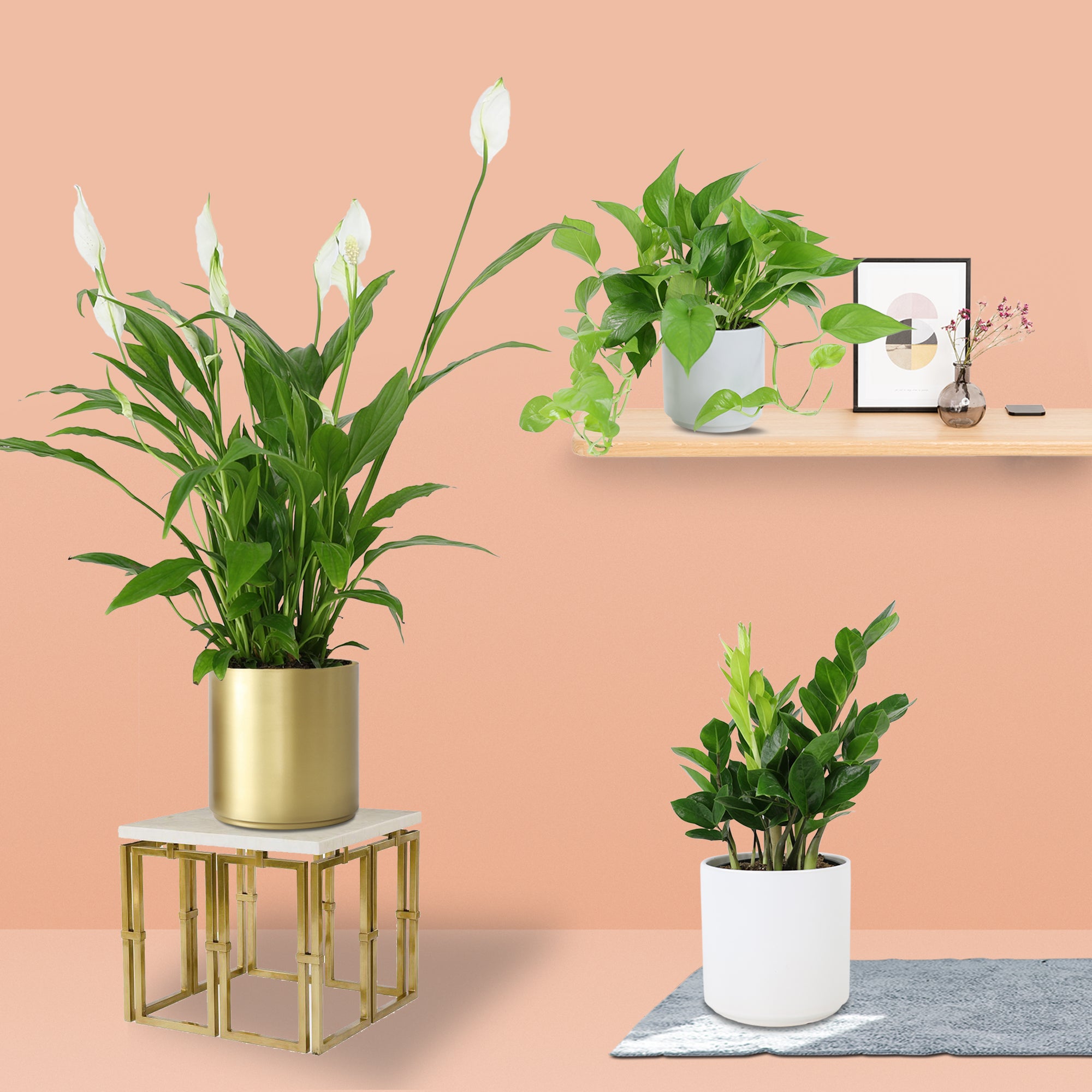
The 15 Most Adaptable Indoor Plants
With so many houseplants available, it's helpful to focus on species that consistently bounce back from less-than-ideal conditions. These reliable performers matter most in unpredictable weather.
The Snake Plant (Sansevieria trifasciata), or Mother-in-Law’s Tongue, is practically indestructible, tolerating low light, infrequent watering, and a wide temperature range. I've seen them thrive in offices with minimal light and irregular watering. The ZZ Plant (Zamioculcas zamiifolia) is another low-light champion, with waxy leaves that store water for drought tolerance.
The Spider Plant (Chlorophytum comosum) is a classic, easy to propagate, and adapts well to different conditions. Pothos (Epipremnum aureum) is similarly versatile, trailing or climbing. A Peace Lily (Spathiphyllum wallisii), while a bit more demanding, offers air-purifying qualities and elegant blooms. It dramatically signals when it needs water, helpful for forgetful owners.
The Cast Iron Plant (Aspidistra elatior) withstands neglect, low light, and temperature fluctuations. Aloe Vera (Aloe barbadensis miller) is resilient and provides soothing gel. The Ponytail Palm (Beaucarnea recurvata) stores water in its swollen base, ideal for those who tend to underwater.
Air Plants (Tillandsia) are fascinating and don’t need soil, absorbing moisture and nutrients from the air. Chinese Evergreen (Aglaonema) comes in various colors and patterns, tolerating low light and humidity. Lucky Bamboo (Dracaena sanderiana), not true bamboo, is a symbol of good fortune and thrives in water or soil.
The Prayer Plant (Maranta leuconeura) has leaves that fold up at night. It prefers humidity but tolerates drier conditions with care. Peperomia offers diverse, low-maintenance options with varied leaf textures and colors. The Staghorn Fern (Platycerium) is a unique epiphytic fern mounted on a board or grown in a basket.
Don't underestimate herbs like Mint and Chives. They are easy to grow indoors, provide fresh flavor, and add green to the kitchen. These herbs are adaptable and a good starting point for hesitant plant owners.
Decoding Plant 'Resilience': What Does It Mean?
A plant's 'resilience' means more than just survival; it's about how it thrives. Adaptations like thick, waxy leaves on Snake Plants and ZZ Plants allow them to store water internally, buffering against drought as temperatures rise and water conservation becomes more important.
Efficient photosynthesis in low light is another key factor. Pothos and Chinese Evergreen capture and utilize small amounts of light, ideal for homes with limited sunlight or energy-efficient windows. Some plants, like Peace Lilies and Snake Plants, also improve their environment with air-purifying qualities, removing indoor pollutants like formaldehyde and benzene.
- Thick, waxy leaves: For water storage and drought tolerance.
- Efficient photosynthesis: Adapting to low light conditions.
- Air purification: Removing indoor pollutants.
Climate Resilience Comparison: 15 Low Maintenance Indoor Plants
| Plant Variety | Drought Tolerance | Low Light Tolerance | Air Purification | Ease of Propagation |
|---|---|---|---|---|
| Snake Plant (Sansevieria trifasciata) | High | High | Excellent | Easy |
| Spider Plant (Chlorophytum comosum) | Medium | Medium | Good | Easy |
| ZZ Plant (Zamioculcas zamiifolia) | High | High | Good | Moderate |
| Pothos (Epipremnum aureum) | Medium | Medium | Good | Easy |
| Peace Lily (Spathiphyllum wallisii) | Medium | Low | Excellent | Moderate |
| Cast Iron Plant (Aspidistra elatior) | High | Low | Fair | Difficult |
| Aloe Vera | High | Medium | Good | Moderate |
| Chinese Evergreen (Aglaonema) | Medium | Low | Good | Moderate |
Illustrative comparison based on the article research brief. Verify current pricing, limits, and product details in the official docs before relying on it.
Watering in a Warming World
Warmer temperatures and lower humidity increase plant transpiration, potentially requiring more frequent watering. Check soil moisture an inch deep before watering; if dry, water. If moist, wait.
Consider bottom watering, placing the pot in a tray of water to encourage deeper root growth and prevent fungal diseases. Self-watering pots offer a consistent supply. Hard water, with high mineral content, can build up in soil; using filtered or rainwater helps.
Overwatering is a common mistake, especially in cooler months. It's easier to revive an underwatered plant than one in soggy soil. Signs of overwatering include yellowing leaves, mushy stems, or a foul odor.
Light & Temperature: Adapting Your Space
Energy-efficient windows (Low-E glass) significantly reduce light entering homes. While good for energy savings, they challenge houseplants. Leggy growth or loss of vibrant color can indicate insufficient light.
Supplement with artificial grow lights, such as energy-efficient LEDs that provide a full spectrum. Adjust plant placement, moving light-loving plants closer to windows or using reflective surfaces. Most houseplants prefer 65-75°F (18-24°C). Creating microclimates can accommodate different plant preferences.
Air Quality & Plant Selection
Many of the plants we've discussed offer more than just aesthetic appeal – they also contribute to improved indoor air quality. Common indoor air pollutants include formaldehyde, benzene, and xylene, released from furniture, carpets, and cleaning products. Plants like Snake Plants, Peace Lilies, and Spider Plants have been shown to remove these pollutants from the air.
The NASA Clean Air Study in 1989 demonstrated the ability of certain houseplants to filter indoor air. While the study was conducted in a sealed chamber, the principles still apply to some extent in a home environment. It’s important to remember that air purification by plants is a supplement to good ventilation, not a replacement. Regularly opening windows and ensuring proper airflow are still essential for maintaining healthy indoor air quality.
Troubleshooting: Common Issues & Solutions
Even the most resilient plants can encounter problems. Pests like spider mites, mealybugs, and aphids can infest indoor plants, especially in dry conditions. Regularly inspect your plants for signs of infestation and treat promptly with insecticidal soap or neem oil. Diseases are less common, but can occur if plants are overwatered or exposed to poor air circulation. Ensure good drainage and provide adequate ventilation to prevent fungal growth.
Yellowing leaves can indicate a variety of issues, including overwatering, underwatering, nutrient deficiencies, or pest infestations. Stunted growth can be caused by insufficient light, nutrient deficiencies, or rootbound conditions. PlantMaid.com offers a wealth of easy-to-follow plant care tips that can help diagnose and address common problems. Learning to recognize the signs of overwatering versus underwatering is crucial: drooping leaves can indicate both, so always check the soil moisture before taking action.
Standout Varieties: Herbs & Vertical Growth
Herbs like Mint and Chives are fantastic additions to any indoor garden. They’re relatively easy to grow, provide fresh flavor for your cooking, and add a vibrant touch to your kitchen. Mint is particularly vigorous, so it’s best to grow it in a container to prevent it from spreading. Chives prefer well-drained soil and plenty of sunlight.
These herbs, along with many of the other plants we’ve discussed, are well-suited for vertical gardening. Vertical gardening is a great way to maximize space and create a lush, green wall. There are many different vertical gardening systems available, including wall planters, hanging baskets, and stacked planters. Experiment with different arrangements to find what works best for your space and aesthetic preferences. It’s a fantastic way to bring more plants into your home, even if you're limited on floor space.

No comments yet. Be the first to share your thoughts!