

Beyond the Patch: Why Vertical?
Limited space often prevents gardeners from achieving a bountiful harvest of crisp cucumbers and tender zucchini. Traditional garden rows demand significant square footage, a luxury not everyone has. Vertical gardening offers a practical and increasingly popular solution.
Growing cucumbers and zucchini vertically maximizes yield and plant health. Lifting these sprawling plants off the ground improves air circulation, dramatically reducing the risk of fungal diseases like powdery mildew. A well-supported vine often produces more fruit than one left to ramble on the soil.
A thriving vertical garden is visually appealing, transforming a blank wall or fence into a green, productive feature. As more people live in apartments and smaller homes, demand for space-saving gardening solutions grows. Interest is surging, and this trend will likely accelerate.
Vertical gardening is a necessary adaptation for shrinking outdoor spaces and the growing desire for homegrown food. It makes fresh produce accessible to everyone, regardless of their living situation, reflecting a lifestyle shift.
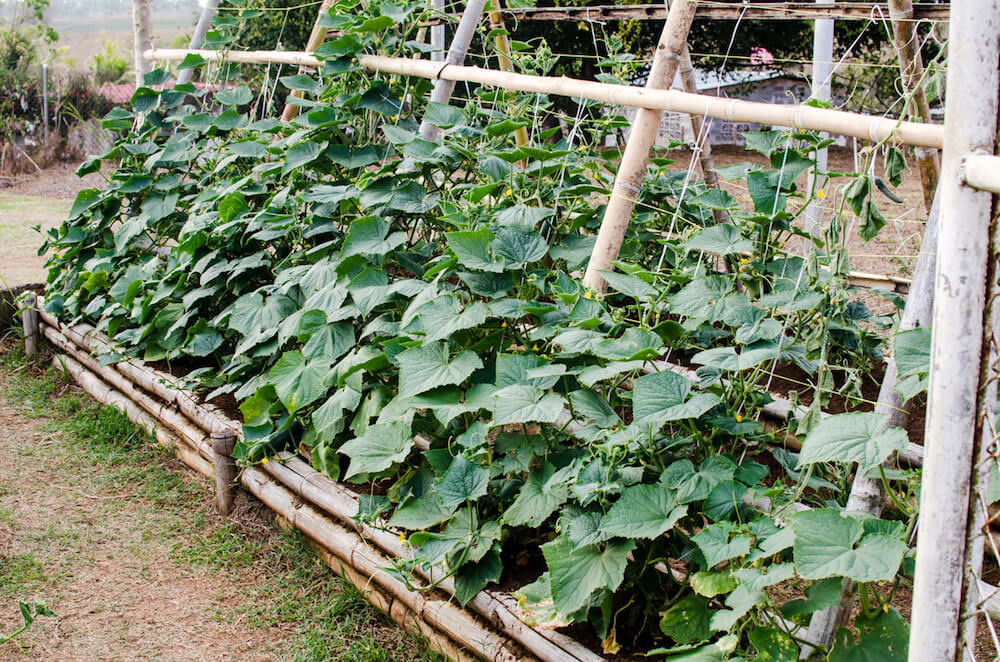
Cucumber Varieties for Climbing
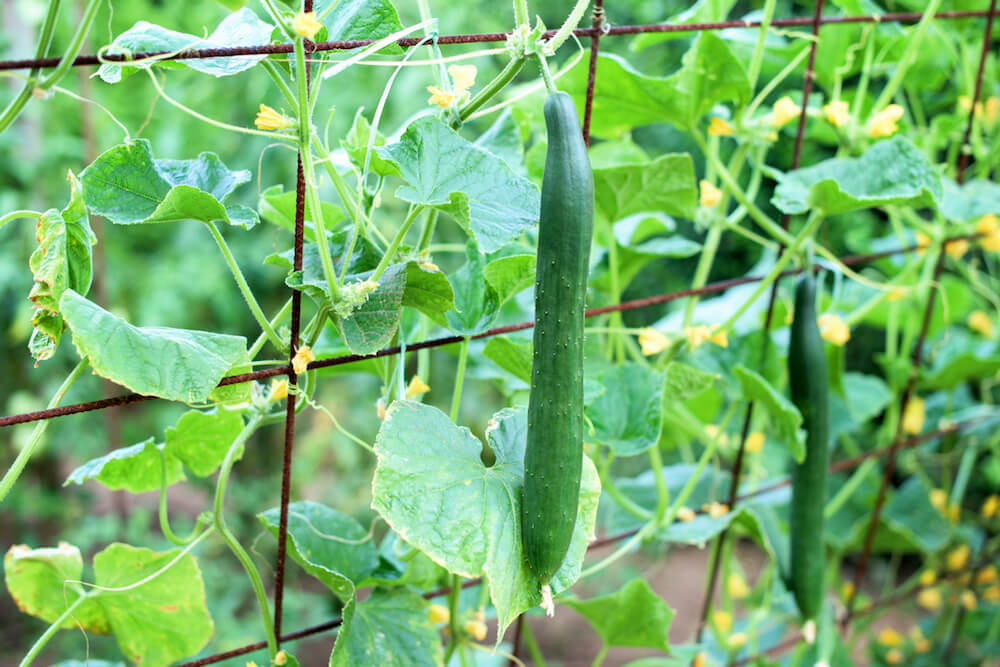
Choose vining cucumber varieties for vertical gardening, as they naturally produce long tendrils that readily climb supports. Bush cucumbers, while compact, generally lack the vigorous growth needed to thrive on a trellis.
Vining cucumbers offer a substantial yield in a small footprint. Spacemaster is a popular choice, known for its compact vines (typically 6-8 feet long) and high production of 8-inch fruits. Bush Champion lives up to its name, offering a smaller vine length around 6 feet, ideal for more confined spaces. Armenian cucumbers, also known as snake cucumbers, are exceptionally vigorous climbers, potentially reaching 10-12 feet, and produce slender, flavorful fruits.
Consider disease resistance when selecting varieties. Some cultivars are bred to withstand common cucumber ailments like powdery mildew and downy mildew. Look for varieties labeled as "disease resistant’ or ‘tolerant" to minimize potential problems. The 'Marketmore 76' is a reliable, disease-resistant option, though it requires a robust trellis due to its robust growth.
Consider the maturity rate of different varieties. Spacemaster matures in 50-60 days from seed, while Armenian cucumbers may take 70-80 days. Stagger plantings to extend your cucumber season.
- Spacemaster: 6-8 ft vines, 8-inch fruits, fast maturing.
- Bush Champion: 6 ft vines, compact size, good for small spaces.
- Armenian Cucumber: 10-12 ft vines, slender fruits, longer maturity.
- Marketmore 76: Disease resistant, vigorous growth, requires strong support.
Popular Cucumber Varieties for Vertical Gardening
| Variety Name | Vine Length (ft) | Fruit Size (in) | Disease Resistance | Days to Maturity | Best for |
|---|---|---|---|---|---|
| Spacemaster | 6-8 | 6-8 | Medium | 50-55 | Pickling & Slicing |
| Bush Champion | 4-6 | 6-8 | Medium | 52-58 | Slicing |
| Patio Snacker | 5-7 | 4-6 | High | 50-55 | Fresh Eating |
| Marketmore 76 | 8-10 | 7-9 | Medium | 58-65 | Slicing |
| National Pickling | 6-8 | 4-6 | Medium | 50-55 | Pickling |
| Little Leaf | 4-6 | 4-6 | High | 50-55 | Pickling & Fresh Eating |
| Diva | 8-10 | 8-10 | Medium | 60-65 | Slicing |
Illustrative comparison based on the article research brief. Verify current pricing, limits, and product details in the official docs before relying on it.
Zucchini's Upward Reach: Varieties & Support
While not the first plant people associate with vertical gardening, zucchini is surprisingly well-suited. Training zucchini upwards improves air circulation, reduces fruit rot, and makes harvesting easier, freeing up valuable ground space.
Bush zucchini varieties are more manageable for vertical growing, but even vining types can be trained upwards with the right support. 'Black Beauty' is a classic bush zucchini that can be supported with a sturdy cage or trellis. 'Costata Romanesco' is another good bush option, known for its ribbed fruits and excellent flavor.
Vining zucchini varieties, like 'Tromboncino,' require a strong support structure to handle the weight of large fruits. A tall, robust trellis is essential. Suspending fruits off the ground minimizes contact with soilborne diseases and pests.
Use strong materials like wood, metal, or heavy-duty netting for the support structure. Avoid flimsy plastic trellises that may collapse under the weight of zucchini. Secure the trellis firmly to the ground or a wall to prevent tipping, especially in windy conditions.
- Black Beauty: Classic bush zucchini, good for cages or trellises.
- Costata Romanesco: Bush variety, ribbed fruits, excellent flavor.
- Tromboncino: Vining zucchini, requires strong support, potential for 'airborne' fruits.
Trellis Types: A Deep Dive
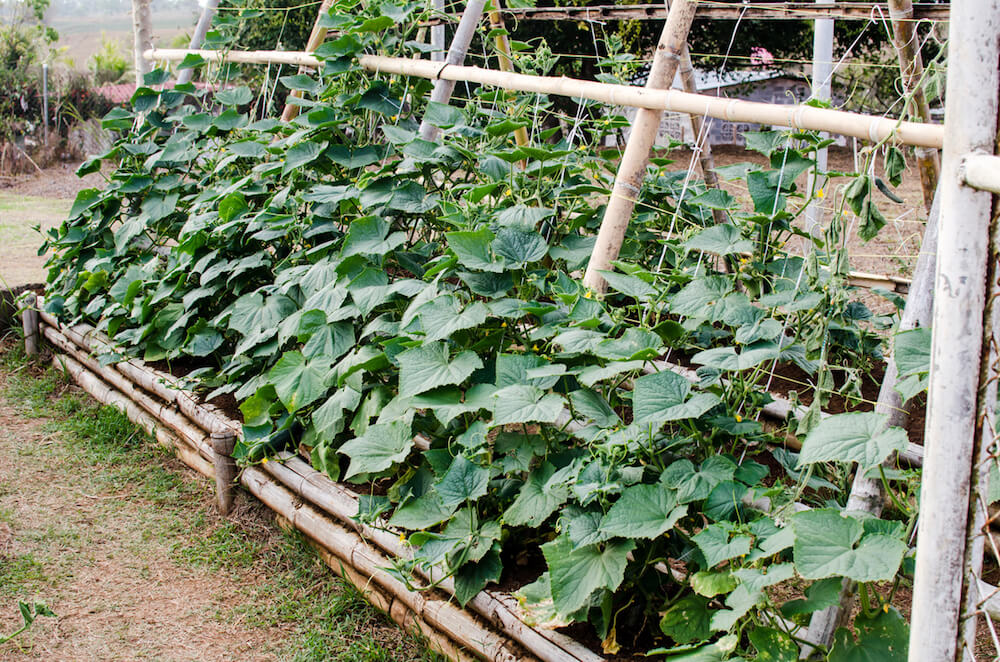
Choosing the right trellis is crucial for success. A-frame trellises offer good support and stability but take up more ground space. Vertical panel trellises are space-saving and easy to install, but may not be strong enough for heavy zucchini fruits.
Stacked pallets can be repurposed into a cost-effective trellis by securing them together and anchoring them firmly to the ground. DIY netting systems, using strong netting stretched between posts, are another affordable option. Repurposed materials like old ladders or fencing can also be creatively used.
DIY trellis options are generally the most affordable, while pre-built trellises can range from $50 to $200 or more. Stability is paramount, especially in windy areas. Anchor the trellis securely using stakes, posts, or concrete anchors to prevent toppling.
Cucumbers benefit from a trellis with smaller openings for tendrils to grip, while zucchini may need wider spaces for larger fruits. A trellis that’s too flimsy will collapse, while one that’s too rigid may hinder natural growth.
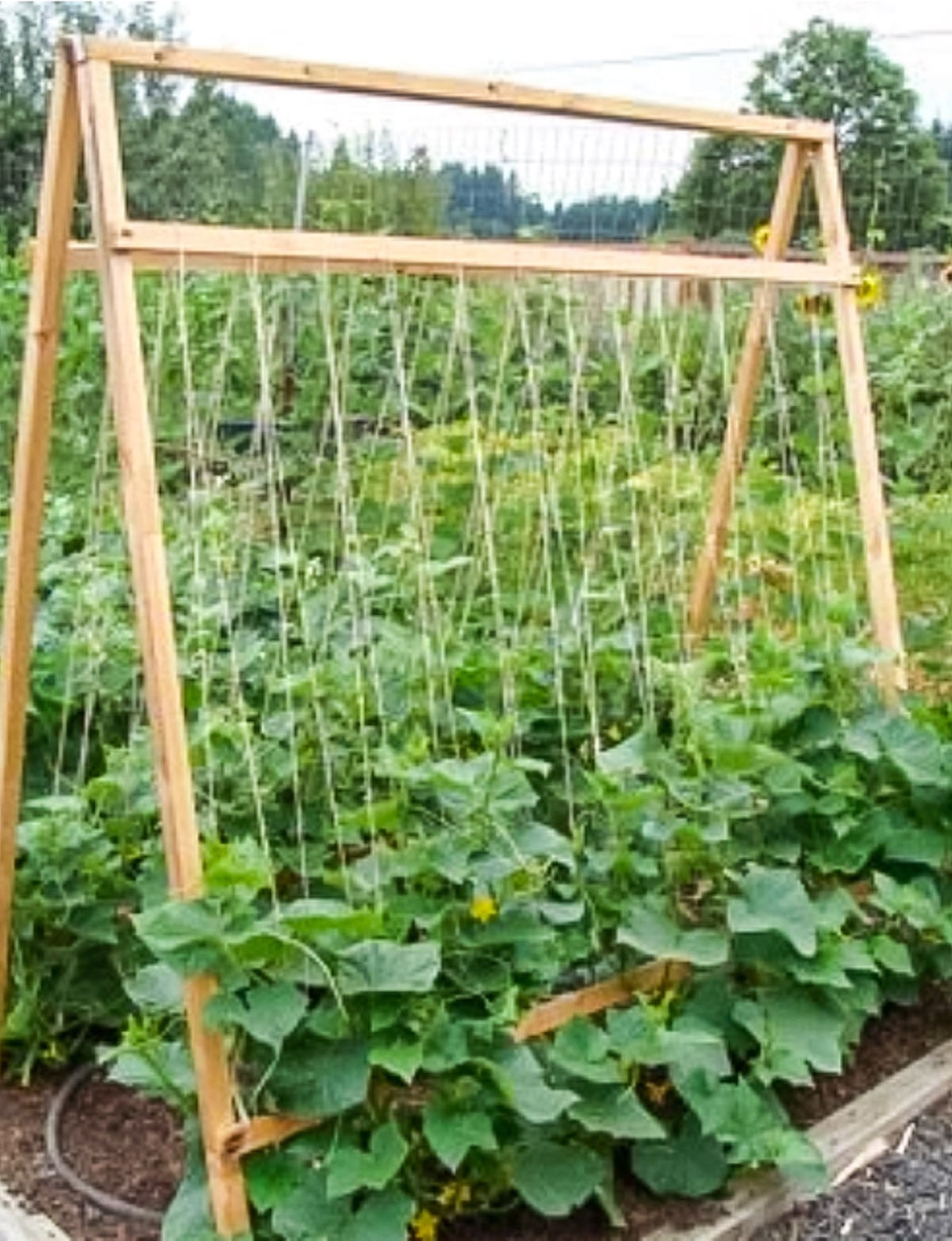
Planting & Training Techniques
Start seeds indoors 3-4 weeks before the last expected frost, or direct sow once the soil has warmed. Cucumbers and zucchini require rich, well-drained soil with a pH of 6.0-7.0. Space transplants 12-18 inches apart, or thin seedlings to this spacing.
Gently guide vines onto the trellis, using soft plant ties or clips to secure them. Prune lower leaves to encourage upward growth and divert energy to developing vines and fruits. Regularly check trellis stability and adjust ties.
Avoid letting vines become too heavy, which can cause them to break or pull down the trellis. Provide additional support if necessary and prevent fruits from weighing down the structure. Neglecting to prune can lead to uncontrolled growth, overcrowding, and reduced yields.
Companion planting benefits vertical cucumbers and zucchini. Marigolds deter cucumber beetles and squash bugs, while nasturtiums attract pollinators. Basil improves flavor and repels aphids. Dill attracts beneficial insects that prey on pests.
- Start seeds indoors: 3-4 weeks before the last frost.
- Soil requirements: Rich, well-drained, pH 6.0-7.0.
- Spacing: 12-18 inches apart.
- Training: Gently guide vines, use plant ties, prune lower leaves.
Watering, Feeding, and Pest Control
Vertical gardens dry out faster than traditional ones, so consistent watering is essential. Check soil moisture daily and water deeply when the top inch feels dry. Drip irrigation delivers water directly to the roots and minimizes waste, unlike overhead watering which can increase the risk of fungal diseases.
Cucumbers and zucchini are heavy feeders requiring regular fertilization. Use a balanced fertilizer (10-10-10) every 2-3 weeks, or a liquid fertilizer weekly. Compost tea is a great organic option. Avoid over-fertilizing, which can lead to excessive foliage growth at the expense of fruit production.
Common pests include cucumber beetles, squash bugs, and aphids. Handpicking is effective for small infestations, while neem oil or insecticidal soap can be used for larger ones. Preventative measures like crop rotation and companion planting are crucial for minimizing pest problems.
Powdery mildew and downy mildew are common fungal diseases. Improve air circulation by pruning leaves and spacing plants appropriately. Organic fungicides like copper spray can control these diseases. Regular inspection is key to early detection and treatment.
Harvesting & Extending the Season
undefined inches long. Regular harvesting encourages continued production. Don’t let cucumbers or zucchini become overly mature, as they’ll become bitter and seedy.
To extend the growing season, use row covers to protect plants from light frosts. Cold frames provide additional protection, allowing you to harvest later into the fall. In some climates, you may even be able to bring plants indoors during light frosts, providing they have enough light and space.
Succession planting is a great way to ensure a continuous harvest throughout the summer. Sow seeds every 2-3 weeks, staggering plantings to provide a fresh supply of cucumbers and zucchini. This prevents a glut of produce all at once and extends your harvest window.
Seed saving is possible with some cucumber and zucchini varieties, but hybrids won't produce true-to-type plants. Open-pollinated varieties are best for seed saving. Allow a few fruits to fully mature on the vine, then collect and dry the seeds for planting next season.

No comments yet. Be the first to share your thoughts!