

Beyond the Trellis: What’s Driving the Rise of Smart Vertical Gardens?
For centuries, humans have practiced some form of vertical gardening. The USU Extension notes that growing plants upwards, utilizing trellises and arches, has been a way to maximize space and yield for a long time (Trundle, Haines & Hagevik, 2023). But the current surge in interest isn't simply a renewed appreciation for traditional methods. It’s a revolution driven by the integration of artificial intelligence and automation, transforming indoor gardening from a hobby into a surprisingly accessible and efficient practice.
We’re seeing a shift from simply growing plants vertically to intelligently managing their environment. This means more than just stacking planters; it’s about optimizing every factor – light, water, nutrients – to achieve maximum growth with minimal effort. The benefits are compelling: dramatically increased yields in limited spaces, substantial reductions in water consumption, and a level of ease that opens up gardening to anyone, regardless of their experience or available time.
The appeal extends beyond the home gardener. Restaurants seeking ultra-fresh ingredients, schools aiming for educational gardens, and even urban farms are exploring smart vertical gardens as a viable solution. Imagine a future where fresh produce is grown locally, year-round, in the heart of our cities. That future feels increasingly within reach, fueled by these advances in technology.
This isn’t just about convenience; it’s about sustainability and food security. By reducing our reliance on traditional agriculture and long-distance transportation, smart vertical gardens offer a way to create a more resilient and localized food system. And, quite frankly, they're becoming increasingly sophisticated and affordable.
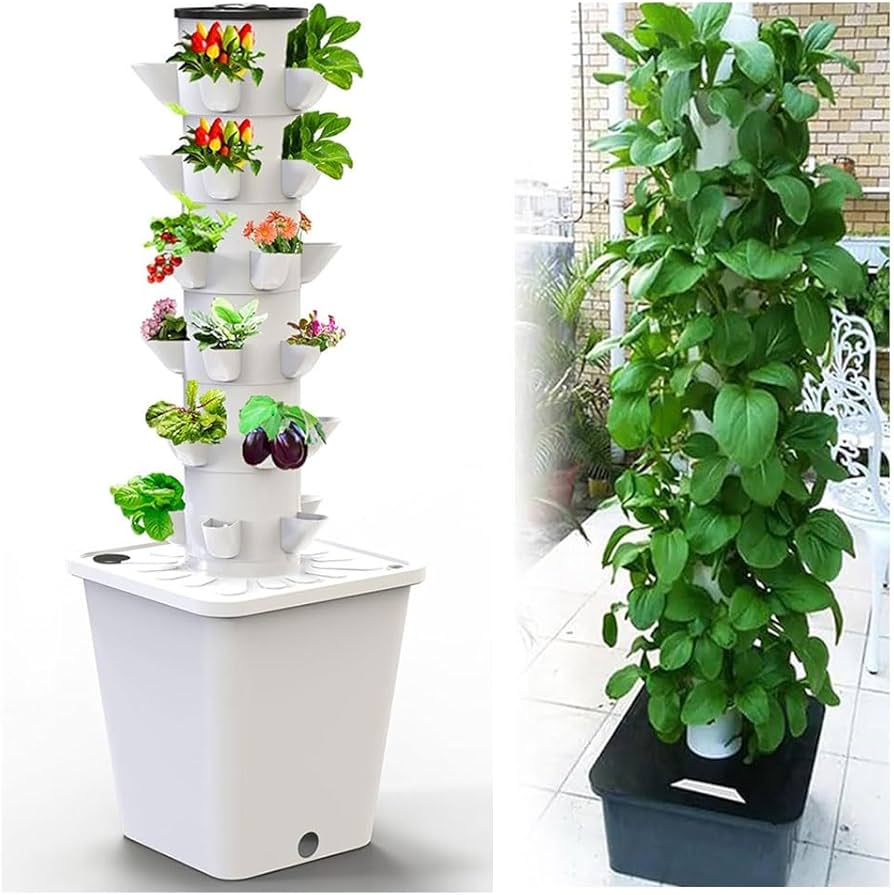
As part of 4 Acre Model at Kigezi Presidential Industrial Hub we demonstrate to learners and the community on how they can best increase productivity using the available land through smart vertical gardens.
— EMMANUEL MWEBESA (@EMMANUELMWEBES) February 23, 2025
I want to thank HE the president for the Industrial Hubs initiative! pic.twitter.com/JtWZ6KO0MT
The Core Components of an AI-Powered System
At the heart of a smart vertical garden lies a network of sensors constantly monitoring the growing environment. These sensors track crucial data points like moisture levels in the growing medium, ambient light intensity, and nutrient concentrations. This information isn't just passively collected; it’s the fuel for the AI engine.
Automated watering and nutrient delivery systems are equally important. These systems, often utilizing small pumps and a network of tubes, deliver precisely the right amount of water and nutrients to each plant, based on the data gathered by the sensors. LED grow lights, tailored to specific plant needs, provide the necessary light spectrum for photosynthesis, regardless of external conditions.
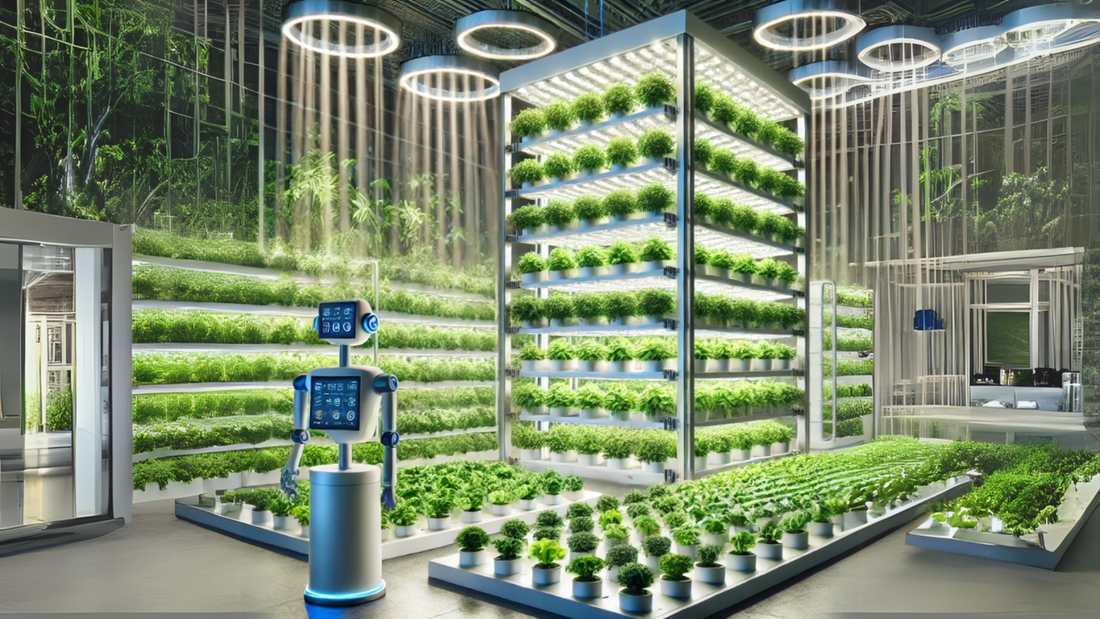
But the real magic happens when this data is fed into an AI algorithm. This is where machine learning comes into play. The AI analyzes the sensor data, identifies patterns, and automatically adjusts conditions to optimize growth. For instance, if a sensor detects low moisture, the system will increase watering. If light levels are insufficient, the grow lights will adjust their intensity. It’s a closed-loop system designed for continuous improvement.
The sophistication of these algorithms varies. Some systems offer basic automated control, while others employ more advanced machine learning techniques to predict plant needs and proactively adjust conditions. The goal is to create an environment where plants thrive with minimal human intervention.
What Can You Actually Grow? Beyond Lettuce and Herbs
While leafy greens and herbs are the traditional staples of indoor gardening – and certainly excel in these systems – the potential extends far beyond the salad bowl. With the right setup and a bit of planning, you can successfully grow fruiting vegetables like strawberries, cucumbers, and even smaller varieties of zucchini.
Strawberries are particularly well-suited to vertical gardens, thriving in hanging baskets or vertical planters. Cucumbers, with their vining habit, naturally lend themselves to vertical support. Smaller zucchini varieties, like 'Spacemiser,' can also be grown, though they require more space and careful pruning. However, pollination can be a challenge with fruiting vegetables grown indoors.
You may need to manually pollinate flowers using a small brush or rely on self-pollinating varieties. Space is always a consideration. Larger plants require more vertical and horizontal room, and can quickly overcrowd a system. Careful plant selection is critical for success. Choose compact, bush-type varieties whenever possible.
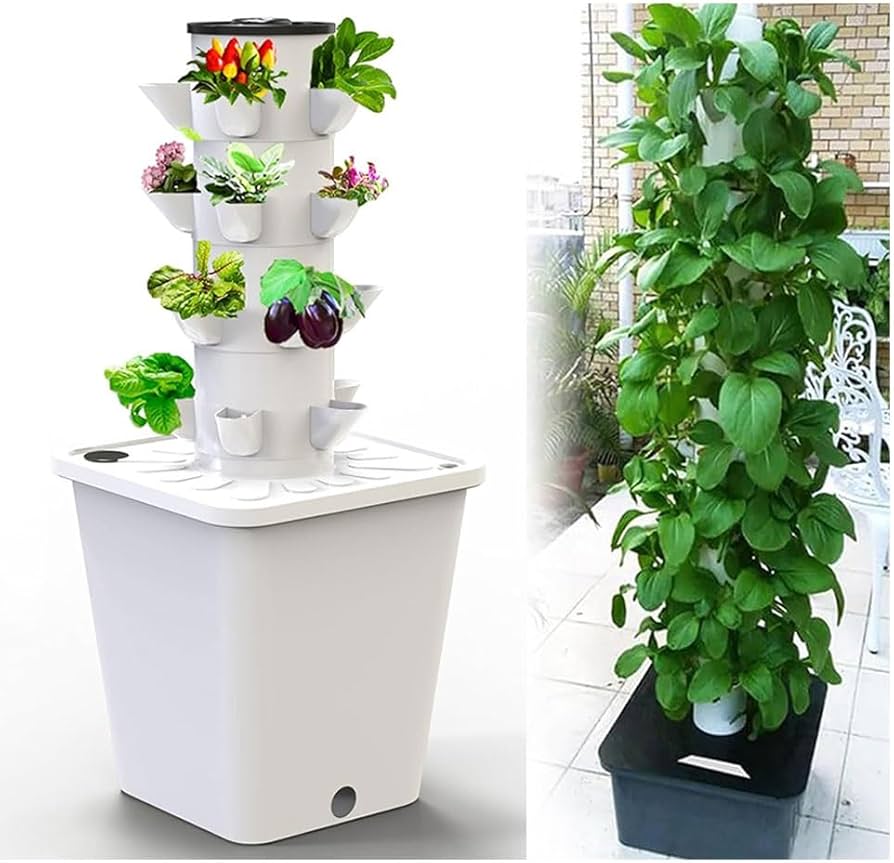
I've seen some impressive results from people growing cherry tomatoes in smart vertical gardens, although these require diligent pruning and support. The Amazon listings for vertical planting boxes often feature images of strawberry and herb gardens, but increasingly, you'll find examples of more ambitious crops being grown with success (Amazon.com, 2024).
- Strawberries
- Cucumbers (vining varieties)
- Smaller zucchini varieties ('Spacemiser')
- Cherry Tomatoes (with support and pruning)
Top AI-Powered Smart Vertical Gardens for Effortless Indoor Growing in 2026
Automated watering and lighting · App-guided plant care · Compact design for small spaces
This is an excellent entry-level smart garden that simplifies indoor growing with its automated features and user-friendly app.
Accommodates up to 9 plants · Adjustable full-spectrum LED grow lights · Smart reminders for water and nutrients
The Bounty Elite offers a larger growing capacity and advanced lighting, making it ideal for those looking to grow a wider variety of herbs and vegetables.
30-plant capacity in a vertical design · AI-powered plant monitoring and advice · Integrated LED lights and automated watering
Gardyn provides a high-capacity, AI-driven solution for serious indoor gardeners who want to maximize their harvest in a small footprint.
Modular and expandable design · App control for lighting, watering, and nutrient levels · Accommodates a large number of plants
This system is perfect for users who desire a customizable and scalable indoor garden with comprehensive app control for optimal plant growth.
Hydroponic system with 24-36 plant capacity · Automated watering and nutrient delivery · Optional solar-powered grow lights
The Farmstand is a visually appealing and efficient hydroponic system that makes growing a significant amount of produce indoors remarkably easy.
As an Amazon Associate I earn from qualifying purchases. Prices may vary.
DIY vs. Pre-Built: Which Smart Garden is Right for You?
The path to a smart vertical garden isn't one-size-fits-all. You can choose to build your own system from scratch or purchase a pre-built unit. Each approach has its own advantages and disadvantages. Building your own offers maximum customization and potentially lower costs, but it requires a significant time commitment and a degree of technical skill.
Essential components for a DIY setup include sensors (moisture, light, pH), a water pump, LED grow lights, a controller (like a Raspberry Pi or Arduino), and a suitable growing medium. You’ll also need to source containers or build a vertical structure. The learning curve can be steep, and troubleshooting issues requires some technical know-how.
Pre-built systems, on the other hand, offer convenience and ease of use. Brands like Rise Gardens and Gardyn offer complete packages with integrated sensors, automated watering, and AI-powered control. However, these systems come with a higher price tag, and customization options are often limited. The Amazon listings show a range of pre-built options, from smaller tabletop units to larger, floor-standing systems (Amazon.com, 2024).
Ultimately, the best choice depends on your budget, technical skills, and desired level of control. If you enjoy tinkering and have the time to invest, DIY can be a rewarding experience. If you prioritize convenience and ease of use, a pre-built system is likely the better option.
DIY vs. Pre-built Smart Vertical Gardens: A Qualitative Comparison (2026 Outlook)
| Cost | Effort | Customization | Technical Skill Required | Maintenance |
|---|---|---|---|---|
| Low to Medium | High | High | Medium to High | Medium |
| Medium to High | Low to Medium | Low to Medium | Low | Low to Medium |
Illustrative comparison based on the article research brief. Verify current pricing, limits, and product details in the official docs before relying on it.
Troubleshooting: Common Problems and AI Solutions
Even with AI-powered automation, things can go wrong. Nutrient deficiencies, pest infestations, fungal diseases, and pH imbalances are common challenges in indoor gardening. The good news is that the AI in these systems can often help diagnose and address these problems before they become severe.
For example, changes in plant color or growth rate can be early indicators of a nutrient deficiency. The AI can detect these changes through image analysis (using integrated cameras in some systems) or by monitoring sensor data, and then recommend adjustments to the nutrient solution. Similarly, fluctuations in humidity or temperature can signal a potential fungal issue.
However, it’s crucial to understand that AI isn’t a magic bullet. It’s a tool that assists with diagnosis and provides recommendations, but human intervention is often still necessary. Regular visual inspections of your plants are essential. The A
Preventative measures are key. Maintaining proper sanitation, ensuring good air circulation, and using high-quality growing media can significantly reduce the risk of problems. A proactive approach, combined with the diagnostic capabilities of AI, is the best strategy for a healthy and productive smart vertical garden.
The Data Privacy Question: What Information Are These Gardens Collecting?
As with any smart home device, data privacy is a legitimate concern with smart vertical gardens. These systems collect a wealth of information, including environmental conditions (temperature, humidity, light levels), plant growth data, and potentially even user preferences and usage patterns.
This data is used to optimize plant growth, provide personalized recommendations, and improve the system's performance. However, it also raises questions about how that data is being stored, used, and shared. Is it being anonymized? Is it being sold to third parties? These are important questions to ask.
It's crucial to carefully read the privacy policies of any smart garden system you're considering. Understand what data is being collected, how it's being used, and with whom it's being shared. Choose systems from reputable manufacturers with a strong commitment to data security and privacy.
The more connected our devices become, the more important it is to be mindful of our digital footprint. A little due diligence can go a long way in protecting your privacy.
Future Trends: What to Expect in Smart Vertical Gardening
The field of smart vertical gardening is rapidly evolving. We can expect to see more sophisticated AI algorithms capable of even more precise control over the growing environment. Imagine systems that can predict plant needs with greater accuracy and proactively adjust conditions to prevent problems before they arise.
Integration with other smart home devices is also likely. Imagine your smart vertical garden communicating with your smart thermostat to optimize energy efficiency or with your smart lighting system to adjust light levels based on plant needs. This interconnectedness will create a truly intelligent and automated growing ecosystem.
The development of new sensors and growing techniques will also play a role. We may see sensors that can detect plant diseases at the molecular level or growing media that are specifically tailored to the needs of different plant species. Personalized nutrient blends, automatically adjusted based on plant analysis, are another possibility.
While predicting the future is always tricky, it's clear that smart vertical gardening has the potential to revolutionize the way we grow food. Continued innovation in AI, automation, and sensor technology will make these systems even more efficient, accessible, and sustainable.
Content is being updated. Check back soon.
Resources for Getting Started
Interested in learning more? The USU Extension provides a valuable resource on vertical gardening techniques (Trundle, Haines & Hagevik, 2023). Plant Handy itself offers a wealth of information on indoor vertical garden design and maintenance (planthandy.com).
Online forums and communities dedicated to hydroponics and indoor gardening can also be a great source of information and support. Consider starting with easy-to-grow plants like lettuce, spinach, and herbs. These are forgiving and will give you a quick sense of success. Don't be afraid to experiment and learn from your mistakes.
- USU Extension: https://qanr.usu.edu/files/pdfs/Trundle_Vertical%20Gardening_FINAL.pdf
- Plant Handy: https://www.planthandy.com/indoor-vertical-garden-design
- Amazon Vertical Planting Boxes: https://www.amazon.com/Vertical-Planting-Box-Smart-Garden/dp/B0C7X8Q86K
No comments yet. Be the first to share your thoughts!