

What matters most
Building a climate-resilient indoor vertical garden is not just about aesthetics; it is a practical response to supply chain fragility and local heat stress. The core value lies in decoupling your food production from external disruptions. When regional crops fail due to extreme weather, a controlled indoor environment keeps your pantry stocked.
The primary tradeoff is energy consumption versus food security. While vertical systems save space, they require consistent power for pumps, LEDs, and climate control. You must weigh the carbon cost of your electricity against the resilience gain of having fresh produce available during outages or shortages.
Focus on modular systems that allow you to scale up or down based on your energy budget. Prioritize crops with high caloric density or rapid growth cycles, such as leafy greens and herbs, to maximize output per kilowatt-hour. This approach turns your vertical garden into a reliable buffer against climate volatility.
Details to compare
Choosing a climate-resilient indoor vertical garden requires weighing several technical and economic factors. The right system depends on your specific constraints, from available light to your budget for initial setup and ongoing electricity. Below is a breakdown of the key variables that define performance and reliability in controlled environment agriculture (CEA).
| Factor | Hydroponic | Aeroponic | Soil-Based |
|---|---|---|---|
| Water Efficiency | High (closed loop) | Very High (mist) | Moderate |
| Energy Use | Low (pumps only) | Moderate (high-pressure pumps) | Low |
| Maintenance Level | Medium (nutrient mixing) | High (clog prevention) | Low |
| Yield Potential | High | Very High | Moderate |
| Initial Cost | Moderate | High | Low |
| Climate Resilience | Stable | Vulnerable to power loss | Most Stable |
Hydroponic systems recirculate water through a closed loop, making them highly efficient and stable during power fluctuations. Aeroponic systems mist roots directly, offering the highest yield potential but requiring reliable power to prevent root desiccation. Soil-based setups are the most resilient to climate disruptions but offer lower yields and higher water usage.
When evaluating these options, consider your local climate risks. If power outages are frequent, a soil-based or passive hydroponic system may offer better food security than a high-tech aeroponic unit.
How to decide on climate-resilient indoor vertical gardens
Choosing the right system requires balancing your physical space, energy budget, and food goals. A vertical garden is not just a decor piece; it is a micro-infrastructure project that interacts with your home’s electrical and environmental systems. Before buying hardware, assess three concrete constraints: available light, water access, and power consumption.
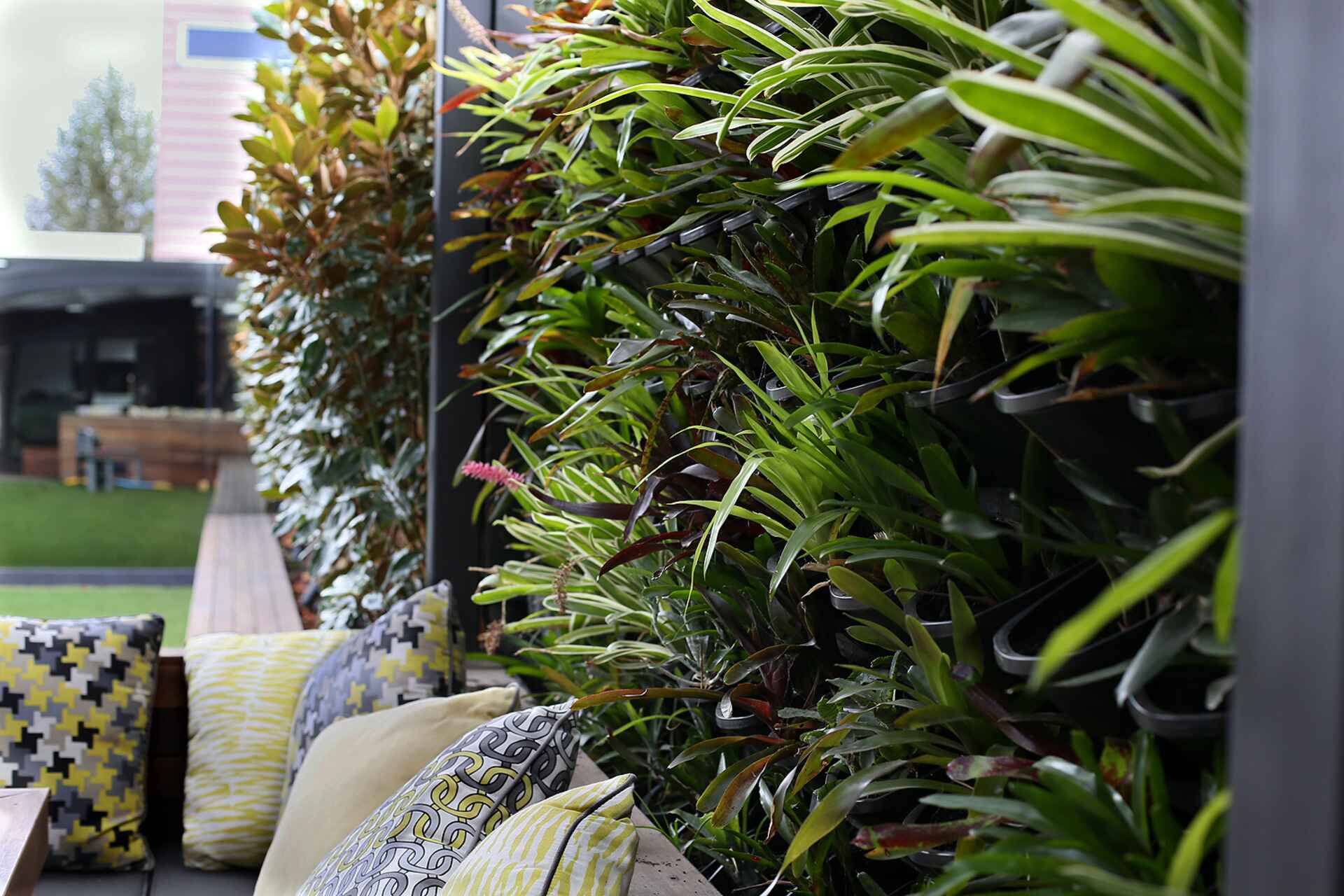
Start by measuring the square footage and identifying light sources. South-facing windows provide the most natural light, reducing the need for artificial grow lights. If your space is dark, you must budget for LED grow lights, which add to your electricity bill. Measure the wall height and width to determine if a modular panel system or a freestanding tower fits better.
Climate resilience depends on efficiency. Compare the wattage of recommended LED fixtures against your local electricity rates. Hydroponic systems use significantly less water than soil gardening but require a reliable water source and a pump. Ensure your setup has access to a drain or a reservoir you can easily refill without risking water damage to your floors or walls.
Not all plants thrive in vertical setups. Leafy greens like lettuce, spinach, and kale are ideal for beginners and require less light. Herbs such as basil and mint grow rapidly in vertical pockets. Avoid heavy fruiting crops like tomatoes or peppers unless you have a high-ceilinged, high-light room, as they demand significant energy and structural support.
Vertical gardens add weight to walls and floors. Ensure your mounting surface can support the saturated weight of the growing medium and water. For hydroponic systems, check that electrical components are rated for high-humidity environments to prevent short circuits. Always follow manufacturer guidelines for load limits and water drainage to protect your home from mold or structural damage.
By focusing on these practical factors, you can build a vertical garden that is both productive and sustainable, contributing to food security without straining your home’s resources.
Watchouts for Climate-Resilient Indoor Vertical Gardens
Indoor vertical gardens offer real benefits, from air filtration to humidity control, but the market is crowded with vague promises. Before you invest in a system, separate the proven engineering from the marketing fluff.
The Water Recirculation Trap
Many affordable kits claim to be "self-watering" or "closed-loop," but they often lack proper filtration. Without a robust filtration stage, your system becomes a breeding ground for algae and pathogens. This isn't just a maintenance annoyance; it can destroy your crop yield and create health hazards. Look for systems with replaceable, certified filters, not just simple mesh screens.
The "Smart" Sensor Myth
A common mistake is paying a premium for "smart" sensors that only monitor moisture. While useful, these sensors do not account for the complex interplay of light, temperature, and nutrient uptake. A plant might have enough water but still suffer from nutrient lockout due to pH drift. Relying solely on a moisture sensor is like checking your oil level without monitoring engine temperature. You need a system that tracks pH and electrical conductivity (EC) to ensure your plants are actually absorbing what they need.
Energy Efficiency vs. Output
Vertical gardens are energy-intensive. LED grow lights and water pumps consume significant electricity, which can negate the carbon benefits of growing food locally if your grid is coal-heavy. Check the wattage per square foot. A system that uses 100 watts for a small tray is far less efficient than one using 60 watts for a larger yield. Calculate the cost per pound of produce to see if the system truly makes sense for your climate resilience goals.
Common questions
Are indoor vertical gardens worth the cost?
The price tag is the first hurdle, but the long-term value depends on your consumption habits. A standard unit costs between $300 and $800, which covers the structure, lighting, and pump system. While you won’t recoup that cost immediately through grocery savings, the yield is consistent. You get fresh herbs and leafy greens year-round, regardless of outdoor weather or supply chain disruptions. For households that buy fresh produce weekly, the recurring savings on high-cost items like basil, mint, and microgreens add up quickly.
Do they use more electricity than they save?
This is a valid concern, especially as energy prices fluctuate. The primary energy draw is the LED grow lights, which run for 12 to 16 hours a day. However, modern LED systems are highly efficient, consuming far less power than traditional incandescent bulbs. You can further reduce costs by using smart timers to match light cycles to natural daylight patterns. The trade-off is clear: you are trading grid electricity for reduced food miles and packaging waste. For most users, the environmental benefit of local production outweighs the modest electricity increase.
Can I grow actual food, or just decorative plants?
You can absolutely grow food, but you must choose the right crops. Vertical systems are ideal for shallow-rooted, fast-growing plants. Lettuce, spinach, kale, arugula, and herbs like basil and cilantro thrive in these setups. Root vegetables like carrots or potatoes generally do not work well due to space constraints. The key is to focus on "cut-and-come-again" greens that provide multiple harvests from the same plant. This approach maximizes your vertical space and ensures a steady supply of fresh ingredients.
Is maintenance difficult for beginners?
Vertical gardens are designed to be low-maintenance, but they are not zero-maintenance. The main task is refilling the water reservoir and adding nutrient solution every one to two weeks. Most systems include automated pumps, so you do not need to water manually. However, you must monitor pH levels and nutrient concentrations to prevent plant deficiencies. Cleaning the reservoir every few months prevents algae buildup. If you travel frequently, consider a system with a larger water capacity or a timer that adjusts watering schedules.
No comments yet. Be the first to share your thoughts!