

Beyond the Garden: Smart Systems Arrive
People have always wanted gardens nearby. Window boxes and rooftop plots show this desire for fresh food and nature. Vertical gardening became popular in the last decade as a way to deal with limited space. Now, these gardens are getting smart.
These gardens are more than just stacked plants. They now integrate sensors, automated systems, and AI to create self-sufficient indoor ecosystems. This change is driven by urbanization, leading more people to live in apartments with limited outdoor space. People also want to know where their food comes from and desire fresh, healthy produce.
Technology is catching up. Advances in sensors, affordable microcontrollers, and AI are making smart vertical gardens a reality. Early examples, like the Amazon Smart Planting Box, show consumer interest. While still a bit clunky, these systems point the way forward.
These systems are more than just gadgets for tech enthusiasts. They offer a potential solution to food security challenges and a way to reconnect with nature in urban environments. The promise is simple: fresh, healthy food grown conveniently at home with minimal effort. How do these systems work, and what can you expect?
The Core Tech: Sensors, Automation, and AI
A smart vertical garden uses a network of sensors to monitor the environment. These sensors gather data on soil moisture, light intensity, nutrient levels, and air temperature. They act as the garden’s nervous system, providing real-time feedback on plant health.
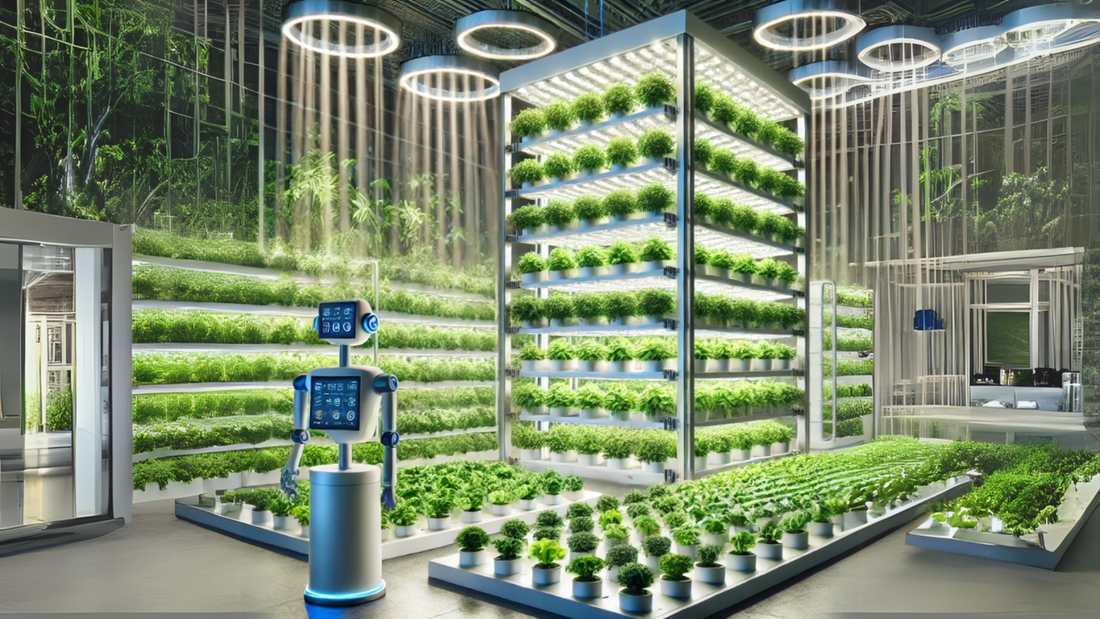
Automation systems act on this data, handling watering, lighting, and nutrient delivery. Precise amounts of water are delivered directly to the roots, eliminating waste and preventing overwatering. LED grow lights mimic sunlight, providing the optimal spectrum for plant growth, and automated nutrient dispensers ensure plants receive the right balance of essential minerals.
Artificial intelligence provides the real power. AI algorithms analyze sensor data to predict plant needs and identify potential problems before they become serious. For example, a system might detect a slight decrease in nutrient uptake and automatically adjust the nutrient solution. Some systems are being developed to detect early signs of disease through image analysis.
AI augments the gardener's skills by providing insights and automating routine tasks, freeing the user to focus on enjoyable aspects of gardening. The goal is a system that learns and adapts, optimizing conditions for healthy plant growth. This creates a closed-loop system where the garden manages itself.
What Can You Actually Grow?
Many plants are suitable for smart vertical gardens, but some thrive more easily. Leafy greens like lettuce, spinach, and kale are well-suited due to their short growth cycles and small space requirements. Herbs such as basil, mint, and parsley also do well, providing a constant supply of fresh flavors.
Strawberries are a popular choice, and many smart garden systems accommodate them. Smaller pepper varieties and determinate tomato plants can also be grown, though they may require more attention and support. Don't expect huge beefsteak tomatoes in these systems.
Larger fruiting plants, like watermelons or pumpkins, are not practical for indoor vertical gardens due to space, light, and pollination needs. Root vegetables like carrots and potatoes are challenging, as they need significant soil depth. Choose plants that fit the system’s constraints.
Plant Handy offers resources on vertical garden plant selection, covering light requirements and growth habits. Research which plants are best suited to your space and preferences before investing in a system. Planning ensures a successful harvest.
- Leafy Greens: Lettuce, Spinach, Kale
- Herbs: Basil, Mint, Parsley
- Fruits: Strawberries, Peppers (smaller varieties)
- Vegetables: Determinate Tomatoes
Plants for Smart Gardens
- Strawberries (Easy, Medium) - Everbearing varieties like 'Seascape' or 'Albion' thrive with consistent moisture and light. AI systems can optimize nutrient delivery for maximum fruit production.
- Lettuce (Easy, Small) - Loose-leaf varieties like 'Black Seeded Simpson' or 'Red Sails' are quick to mature and benefit from automated watering and light cycles.
- Basil (Easy, Small) - Genovese basil is a popular choice, and smart systems can regulate humidity to prevent fungal diseases. Frequent harvesting encourages bushier growth.
- Spinach (Easy, Small) - 'Bloomsdale Long Standing' is a resilient variety. AI-powered systems can adjust light spectrum to enhance nutrient content.
- Cherry Tomatoes (Medium, Medium) - Dwarf varieties like 'Tiny Tim' or 'Patio' are well-suited. Requires strong support structures managed by the system and careful pollination monitoring.
- Cucumbers (Medium, Large) - Bush cucumber varieties like 'Spacemaster' perform best. AI can manage temperature and humidity for optimal vine growth and fruit set.
- Peppers (Medium, Medium) - Compact bell pepper varieties or chili peppers benefit from controlled light and nutrient delivery. Systems can monitor for pests.
- Mint (Easy, Small) - Peppermint or spearmint are vigorous growers. Smart systems can help contain their spread and maintain ideal moisture levels. Note: Mint can be invasive, even in a controlled environment.
Systems in 2026: A Landscape of Options
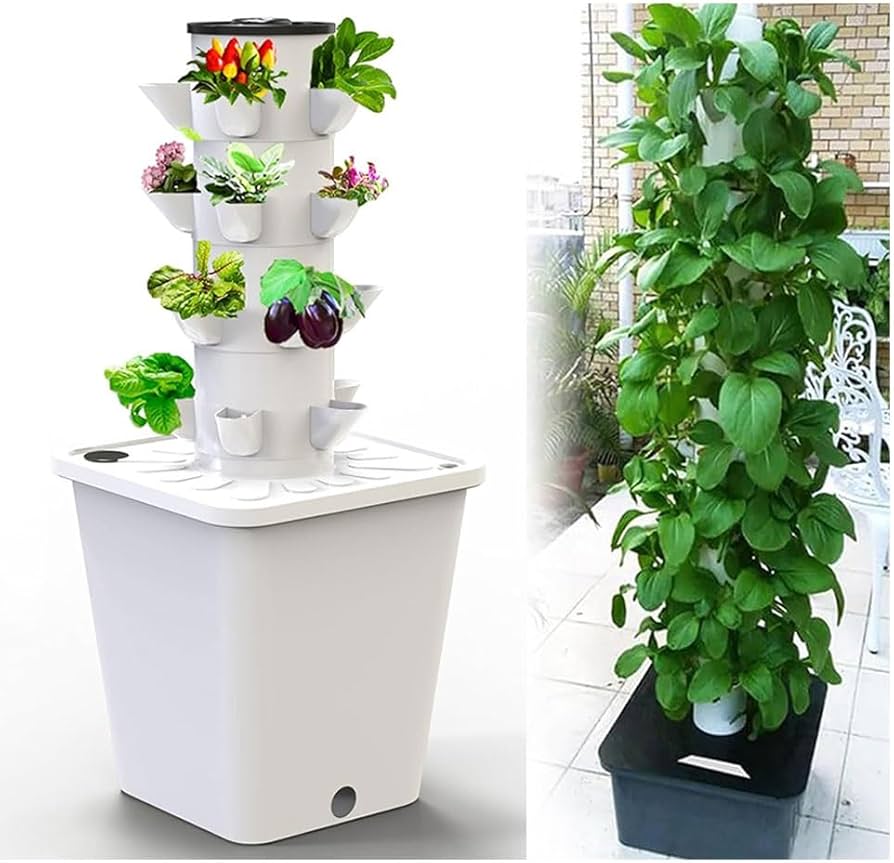
The smart vertical garden market is young but evolving rapidly. In 2026, expect a wider range of systems for different needs and budgets. These systems fall into a few categories. Modular wall systems, like those from Rise Gardens, allow customization of size and shape.
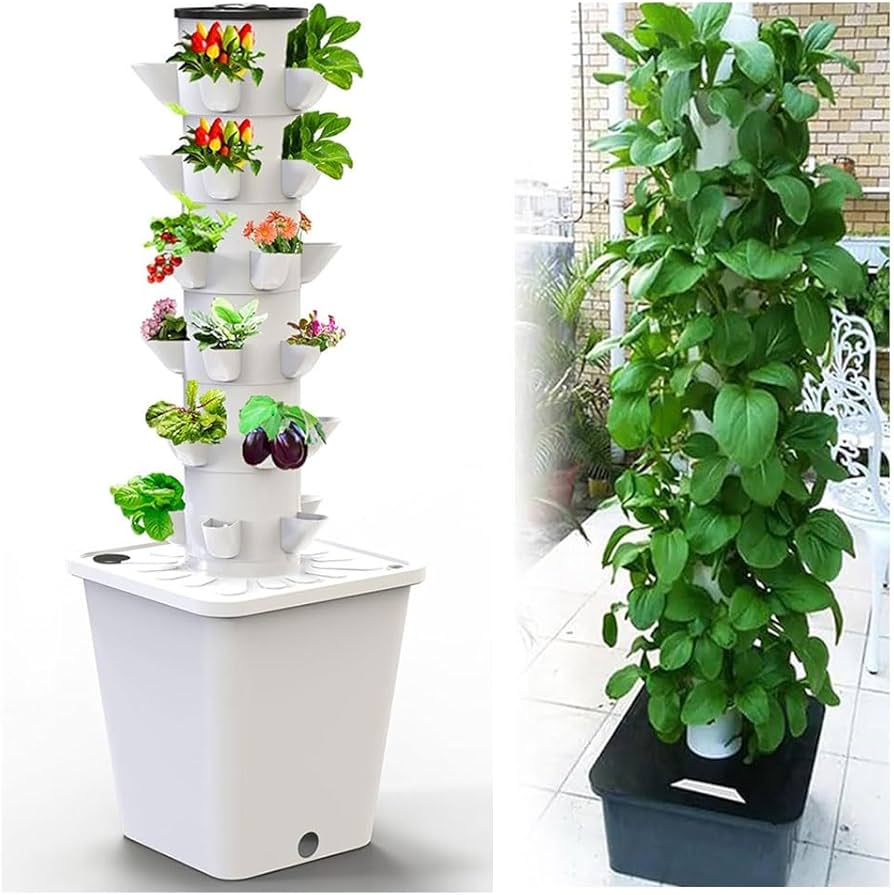
Tower gardens, such as the Aerogarden Farm series, use a vertical stack of planting pods and a recirculating water system. Integrated furniture, like the Click & Grow Smart Garden 3, combines a vertical garden with home décor. Each approach has advantages and disadvantages in cost, space, and ease of use.
The trend is towards more integrated and user-friendly systems. Expect more systems with built-in AI assistants for personalized recommendations and troubleshooting. Open-source platforms and DIY solutions will also rise, allowing users to build and customize their own smart gardens.
The market will likely become more fragmented. Expect a few dominant players offering all-in-one solutions, alongside smaller companies specializing in specific components or technologies. Success will depend on affordability, ease of use, and consistent results. The Amazon Smart Planting Box indicates mainstream interest, and more big tech companies are expected to enter the space.
Troubleshooting: When AI Needs a Hand
AI isn’t foolproof. Sophisticated systems can encounter problems. Sensor failures, nutrient imbalances, and pest infestations are common issues. If a sensor malfunctions, the system cannot accurately monitor the environment, leading to suboptimal growth conditions.
Nutrient imbalances can occur if the system isn’t calibrated or if the water source contains impurities. Pest infestations are challenging in indoor environments
Users should be prepared to intervene manually when needed. This might involve replacing a faulty sensor, adjusting the nutrient solution, or applying an organic pest control solution. Don’t rely solely on the AI to solve every problem. Your own observation and judgment are still crucial.
Plant Handy’s vertical garden maintenance tips provide a wealth of information on diagnosing and resolving common issues. Remember, a smart garden is a tool, and like any tool, it requires a bit of care and attention. A proactive approach to maintenance can prevent small problems from becoming big ones.
Cost Breakdown: Initial Investment & Running Costs
The financial side of smart vertical gardens is a significant consideration. The initial investment can be substantial, ranging from a few hundred dollars for a basic system to several thousand dollars for a more advanced setup. The cost will vary depending on the size, features, and brand of the system.
Beyond the system itself, you’ll need to factor in the cost of plants, nutrients, electricity, and potential maintenance. LED grow lights consume electricity, and you’ll need to replenish nutrient solutions regularly. Some systems may require periodic filter replacements or other maintenance tasks. It’s all part of the ongoing cost of operation.
However, there are potential long-term savings to be realized. Growing your own food can reduce your grocery bills, and you’ll have access to fresh, healthy produce year-round. The convenience of having a garden in your home is also a valuable benefit. Consider the cost of organic produce at the grocery store and you'll see the potential.
Comparing the cost of different systems and plant choices is essential. Starting with a smaller, more affordable system can be a good way to test the waters before making a larger investment. Remember to factor in the cost of water and electricity when calculating the overall return on investment. A simple spreadsheet can help you track expenses and savings.
Privacy and Data: What Are You Sharing?
Like any connected device, smart vertical gardens raise privacy concerns. These systems collect data on plant health, environmental conditions, and potentially your usage patterns. This data is used to optimize performance and provide personalized recommendations, but it also has the potential to be shared with third parties.
It’s important to understand what data is being collected and how it’s being used. Read the privacy policy carefully before purchasing a system. Some manufacturers may share data with marketing partners or use it for product development purposes. Others may offer more robust privacy controls.
You can protect your privacy by choosing a system from a reputable manufacturer with a clear and transparent privacy policy. Consider disabling data sharing features if you’re concerned about your privacy. Regularly review the system’s settings to ensure your preferences are being respected.
Building trust is essential for the long-term success of smart vertical gardens. Manufacturers need to be upfront about their data collection practices and provide users with meaningful control over their data. Consumers need to be informed and empowered to make choices that protect their privacy.
Future Growth: What's Next for Smart Gardens?
The future of smart vertical gardens is bright. We can expect to see more sophisticated AI algorithms that can predict plant needs with even greater accuracy. Integration with smart home ecosystems, like Amazon Alexa or Google Assistant, will allow users to control their gardens with voice commands.
Personalized nutrient recommendations, tailored to the specific needs of each plant, will become more common. Robotic maintenance systems, capable of pruning, pollinating, and harvesting crops, are also on the horizon. These advancements will make smart gardens even more convenient and efficient.
I envision a future where vertical farms are integrated into urban environments, providing a sustainable source of fresh produce for city dwellers. These farms could be located in abandoned buildings, on rooftops, or even inside skyscrapers. The potential for vertical farming to address food security challenges is enormous.
While challenges remain, the progress made in recent years is encouraging. Smart vertical gardens are no longer a futuristic fantasy; they’re a viable solution for growing food in the 21st century. The combination of technology and nature is a powerful one, and I'm excited to see what the future holds.
No comments yet. Be the first to share your thoughts!