

Choose your vertical growing system
Selecting the right hardware for indoor vertical gardening depends on your available footprint, budget, and willingness to manage water systems. Strawberries and cucumbers have different root structures and light needs, so the system must support both. A tower maximizes yield in a small corner, a wall pocket saves floor space entirely, and a shelving unit offers the most flexibility for lighting adjustments.
Compare system types
Use this comparison to weigh the trade-offs between space efficiency, maintenance, and cost for each common setup.
| System Type | Space Use | Maintenance | Best For |
|---|---|---|---|
| Hydroponic Tower | Minimal footprint, tall | High (pump, nutrient checks) | Maximizing yield in small corners |
| Wall Pocket Panel | Zero floor space | Medium (hand watering) | Renters with no floor space |
| Shelving Unit | Large footprint, flexible height | Low (standard watering) | Adjusting light for heavy feeders |
Hydroponic towers
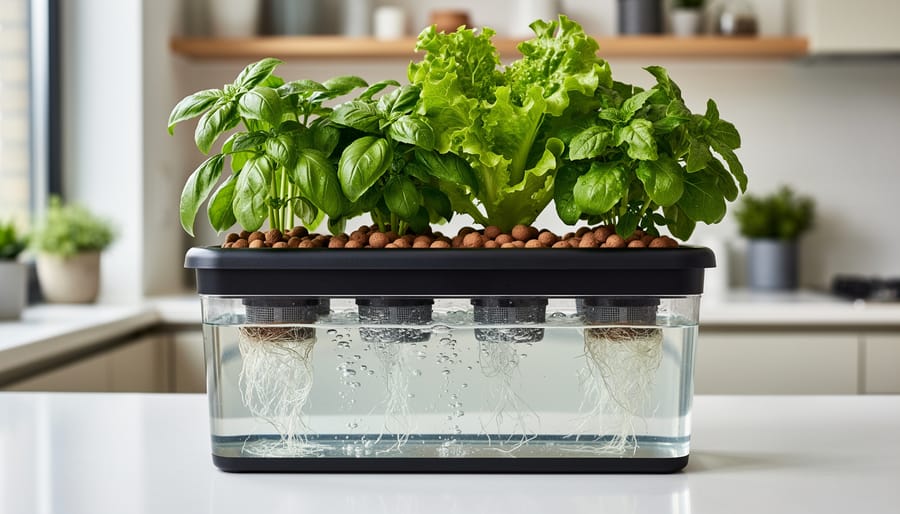
Towers are the most efficient use of vertical space, often holding 20-30 plants in a single column. They use a pump to circulate nutrient-rich water to the roots, which means strawberries and cucumbers get consistent hydration. However, they require electricity for the pump and regular monitoring of pH levels. If your indoor vertical gardening goal is maximum harvest per square foot, this is the top choice.
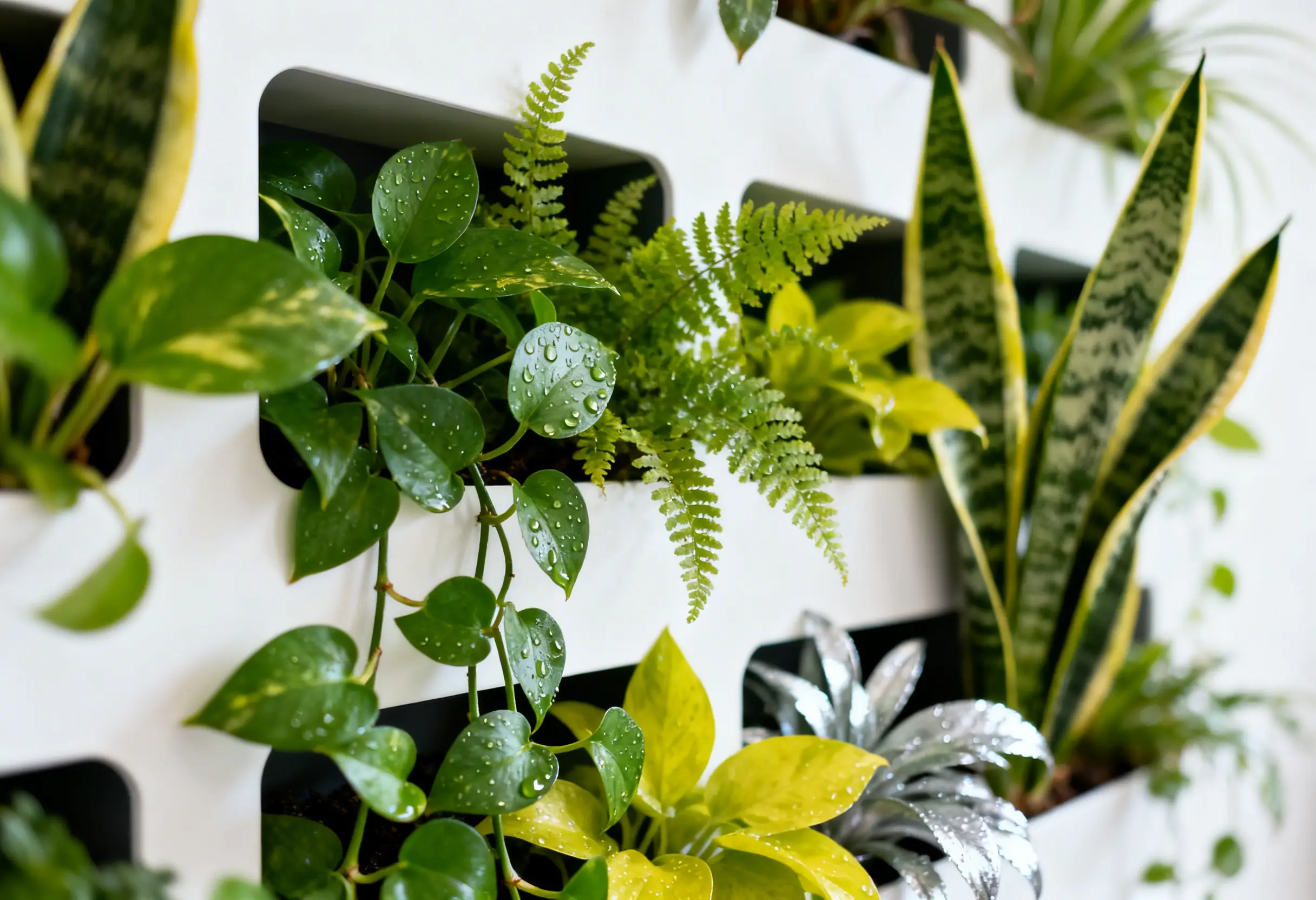
Wall pocket panels
Wall pockets attach directly to a wall or fence, turning a blank surface into a growing grid. They are ideal for small apartments where floor space is at a premium. Because they often rely on gravity-fed or manual watering, they have no moving parts to break. The trade-off is that you must reach up to water and harvest, and the soil dries out faster than in a closed hydroponic system.
Shelving units
Shelving units are the most traditional approach, using tiered racks to hold pots or grow bags. They are the easiest to set up and require no plumbing or electricity beyond grow lights. This flexibility is crucial for cucumbers, which can grow large and heavy. You can adjust shelf heights as the plants mature, ensuring they get the light they need without the complexity of a hydroponic pump.
Making the final choice
If you have a dedicated corner and want to automate watering, choose a hydroponic tower. If you are renting and cannot drill holes or move heavy equipment, wall pockets are the safest bet. For beginners who want to learn the basics without managing water chemistry, start with a shelving unit. Each system supports indoor vertical gardening effectively, provided you match the hardware to your space constraints.
Set up lighting and water delivery
Indoor vertical gardening for strawberries and cucumbers requires precise infrastructure. These plants have heavy water demands and specific light needs that standard indoor conditions rarely meet. You must install a reliable drip irrigation system and high-quality LED grow lights before planting. This setup ensures the root zones stay moist without becoming waterlogged and that the canopy receives enough energy to fruit.
Install the drip irrigation tubing
Start by laying out the main water line along the top tier of your vertical structure. Use 1/2-inch poly tubing for the main run and 1/4-inch micro-tubing to branch out to each plant pocket or pot. This branching design ensures every level, from the top to the bottom, receives water. Water pressure drops as it moves down the line, so place emitters closer together on the lower tiers where drainage is faster.
Connect the main line to a timer-controlled water pump. Strawberries and cucumbers need consistent moisture; let them dry out completely between waterings, which often leads to blossom end rot in cucumbers and poor fruit set in strawberries. A simple timer ensures the system runs for short intervals, such as 15 minutes every two hours, rather than flooding the roots all at once.
Position the LED grow lights
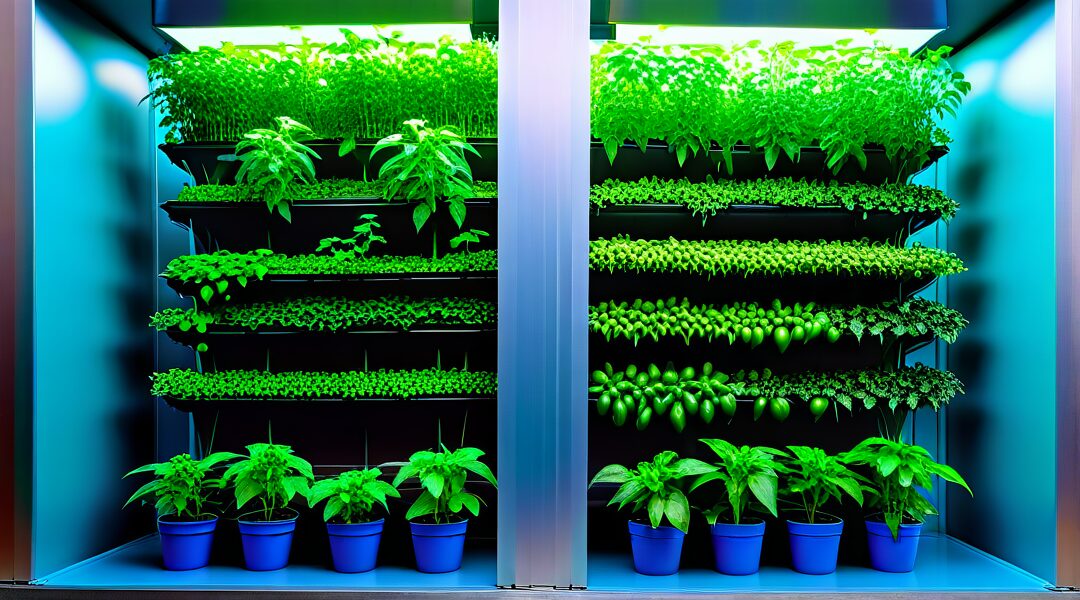
Strawberries and cucumbers are heavy feeders of light. They require 12-14 hours of direct, high-intensity light daily to produce fruit. Install adjustable LED grow lights above each tier of your vertical garden. LEDs are ideal because they emit less heat than HID bulbs, allowing you to hang them closer to the leaves without burning the foliage.
Hang the lights so they are 12-18 inches above the tallest plants. As the cucumbers climb and the strawberry plants spread, you will need to raise the lights to maintain this distance. Use a PAR meter or a smartphone light meter app to check the intensity; aim for 400-600 µmol/m²/s for fruiting stages. If the leaves start to curl upward or turn white, the lights are too close. If the plants become leggy and stretch toward the light, they are too far away.
Balance humidity and airflow
Vertical gardens create a microclimate that can trap humidity, especially when watering from above. High humidity encourages powdery mildew and botrytis, which thrive on cucumber vines and strawberry leaves. Install a small oscillating fan or clip-on fans to keep air moving gently across the canopy. This airflow strengthens plant stems and dries leaf surfaces quickly after watering.
Check the moisture levels in the root zones daily. If the top inch of the growing medium feels dry, the system may need adjustment. If the base of the pots is soggy, reduce the watering frequency. Proper balance between light, water, and air is the foundation of successful indoor vertical gardening.
Plant strawberries and cucumbers vertically
Strawberries and cucumbers have different growth habits, so they require distinct support strategies to thrive in indoor vertical gardening setups. Strawberries are compact but fruit-heavy, needing sturdy containment, while cucumbers are vigorous vines that demand extensive climbing infrastructure. Getting the planting technique right from the start prevents tangles, improves air circulation, and makes harvesting significantly easier.
Train cucumber vines on a trellis
Cucumbers are aggressive climbers that will quickly overwhelm a standard pot if left to sprawl. For indoor vertical gardening, install a sturdy trellis, netting, or string system immediately after planting. Guide the main stem upward using soft plant ties, allowing side shoots to grow freely or pruning them back depending on your variety. This vertical orientation keeps the foliage off the soil, reducing the risk of fungal diseases common in humid indoor environments.
Contain strawberry runners
Strawberries produce "runners"—long stems that reach out to create new plantlets. In a vertical pocket system or hanging basket, these runners can become a tangled mess that blocks light from reaching the lower leaves. Pin the runners into adjacent pockets or small pots within the same structure to create a dense, multi-layered effect. Alternatively, prune the runners aggressively to direct the plant's energy into producing fruit rather than spreading. Ensure each strawberry plant has enough space for its leaves to spread without touching the fruit below.
Position for optimal light access
Regardless of the support structure, the placement of your plants is critical. Cucumbers need high, direct light, so position them at the top or front of the vertical array where grow lights are strongest. Strawberries, which require slightly less intense light, can be placed slightly lower or behind the cucumbers if necessary. Rotate the pots or baskets every few days to ensure even growth, especially if using a single-sided light source. This rotation prevents the plants from leaning toward the light, which can weaken stems and make the vertical structure unstable.
Keep your indoor vertical garden healthy
Maintenance for strawberries and cucumbers in an indoor vertical system is straightforward, but it requires consistency. The plants are in a confined root zone, so they rely entirely on you for water, nutrients, and airflow. A simple weekly routine prevents the most common issues like root rot or nutrient burn.
Weekly maintenance checklist
Follow this sequence every seven days to keep your indoor vertical garden productive:
- Check water levels: Top off the reservoir if the water line has dropped below the pump intake. Strawberries and cucumbers drink heavily under grow lights.
- Test nutrient strength: Measure the electrical conductivity (EC) of your solution. If it is too high, dilute with fresh water; if too low, add more nutrient mix.
- Prune dead leaves: Remove any yellowing or brown leaves from the base. This improves airflow and reduces the risk of mold in the humid indoor environment.
- Inspect for pests: Look under leaves and near the stem bases for spider mites or aphids. Early detection makes organic treatment much easier.
Troubleshooting common issues
If your plants look stressed, check these three areas first. Yellowing lower leaves usually mean nitrogen deficiency or overwatering. Wilting despite wet soil often points to root rot, which requires checking the pump and oxygen levels. Stunted growth might indicate insufficient light intensity or incorrect nutrient balance.
Consistency is the secret to success. You don’t need to monitor your indoor vertical garden every day, but a regular weekly check keeps the system balanced and your harvest steady.
Common questions about vertical growing
Indoor vertical gardening transforms small spaces into productive growing zones, but the setup requires specific attention to light and structure. Here are answers to the most frequent questions about getting started with strawberries and cucumbers.
Put The Vertical Garden Revolution into practice
No comments yet. Be the first to share your thoughts!