

Choose the right vertical system
Indoor vertical gardening transforms unused wall space into productive growing zones. The system you select dictates your maintenance routine and yield potential. You generally choose between a self-contained hydroponic tower or a modular wall-mounted shelf system.
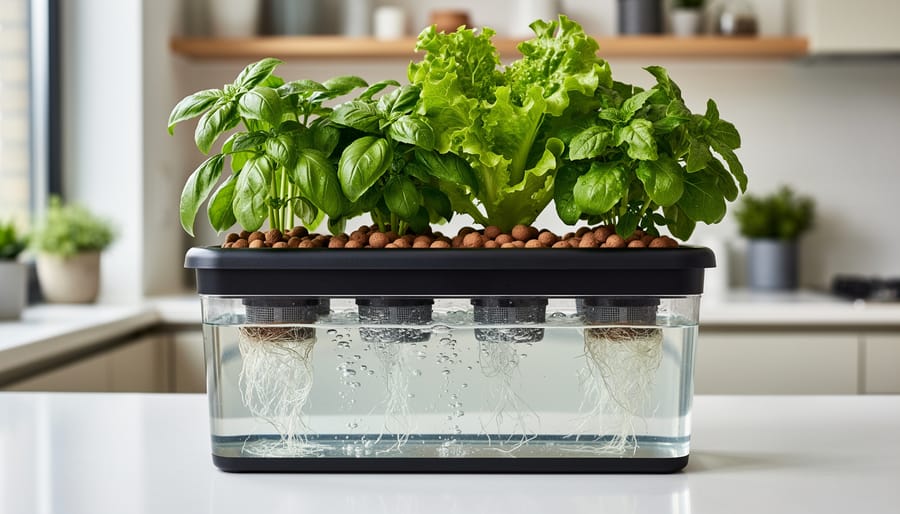
Hydroponic towers use a recirculating water pump to deliver nutrients directly to roots. This method is water-efficient and supports fast-growing leafy greens, strawberries, and compact herbs. Wall-mounted shelves are passive systems that rely on soil and manual watering. They offer more flexibility for heavier plants like zucchini or cucumbers but require more frequent monitoring of soil moisture.
The table below compares these two primary setups to help you match a system to your constraints.
| Feature | Hydroponic Tower | Wall Shelf |
|---|---|---|
| Space Requirement | Minimal footprint (standalone) | |
| Requires wall space | ||
| Water Usage | Low (recirculating) | |
| Moderate (manual) | ||
| Best Crops | Strawberries, lettuce, herbs | |
| Cucumbers, zucchini, peppers | ||
| Setup Complexity | Medium (pumps/electronics) | |
| Low (mounting brackets) | ||
| Maintenance | Monitor nutrient levels | |
| Monitor soil moisture |
If you prioritize speed and water conservation, the hydroponic tower is the superior choice. However, if you want to grow heavier fruiting vegetables like zucchini without complex plumbing, the wall shelf provides the necessary structural support. Consider your light availability and watering habits before committing to one.
-
Measure wall height and depth
-
Check electrical outlet proximity for pumps
-
Confirm weight limit of mounting surface
-
Select crops that fit the system size
Set up lighting and water flow
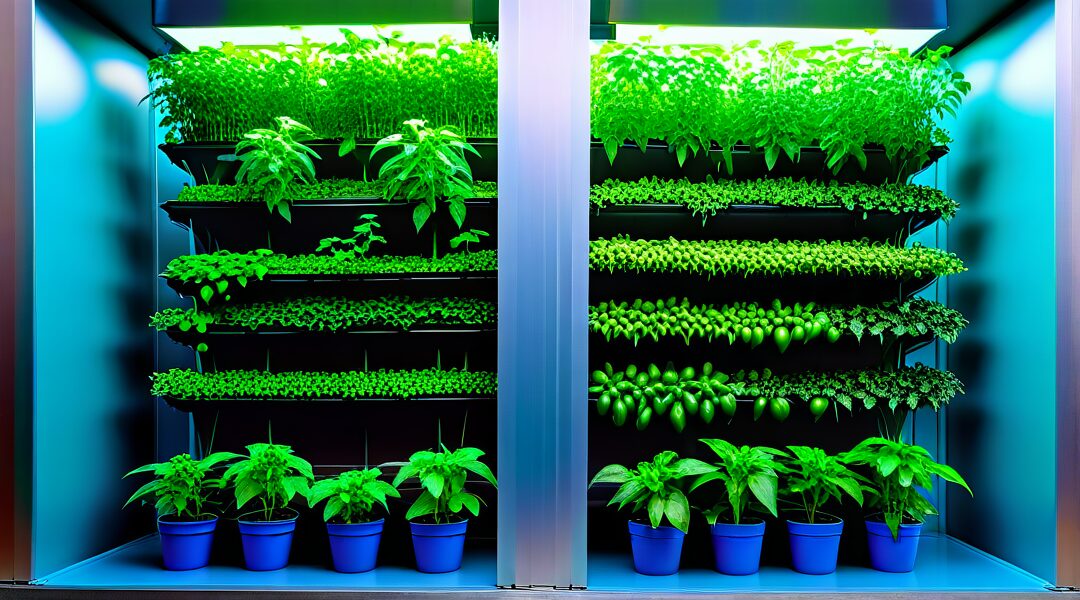
Vertical gardens rely on precise delivery of light and nutrients. You need to position lights to penetrate the canopy without burning leaves and ensure pumps circulate nutrient-rich water evenly. Getting this right prevents leggy growth from poor light and root rot from stagnant water.
Install the LED grow lights
Vertical stacks create shade for lower plants, so you need full-spectrum LEDs that reach the bottom tiers. Position the light bar 6 to 12 inches above the highest leaf canopy. If leaves touch the bulbs, they scorch; if they are too far away, plants stretch and weaken.
Adjust the height as plants grow. Strawberries and cucumbers have high light demands, so keep fixtures closer during fruiting. Zucchini is vigorous but can handle slightly more distance. Use a timer to give plants 12 to 16 hours of light daily. Consistency matters more than intensity.
Connect the water pump and tubing
For most small-space towers, a submersible pump in the base reservoir pushes water up through tubing to the top, where it trickles down through each plant pocket. This recirculating system uses up to 98% less water than traditional soil gardening.
Place the pump in the clean reservoir and connect the output tubing to the top inlet. Run the system for 24 hours before planting to check for leaks. Look for drips at every joint and ensure water flows smoothly to the bottom. A quiet, steady hum indicates the pump is sized correctly; gurgling suggests the flow is too turbulent.
Verify flow and nutrient distribution
Mix hydroponic nutrients according to manufacturer instructions, ensuring pH is between 5.5 and 6.5. Turn on the pump and watch the water cycle. It should trickle down each layer evenly. If some pockets are dry, your flow rate is too low or tubing is kinked. If the bottom reservoir overflows quickly, the flow is too high.
This setup phase is critical for long-term success. With the infrastructure running smoothly, you are ready to introduce your plants.
Add plants to the system
Gently remove seedlings from starter cups, being careful not to damage roots. Place each plant into a net pot or growing pocket, securing it with clay pebbles or rockwool if needed. Ensure roots hang freely into the nutrient flow path but do not bunch up.
Start with plants that have the highest light and nutrient needs at the top or most exposed positions. Strawberries and cucumbers benefit from the brightest spots. Zucchini, being larger, may need more space and can be placed where it has room to spread. Fill lower pockets with leafy greens or herbs that thrive in lower light.
Plant strawberries and cucumbers
Trailing crops like strawberries and cucumbers thrive in vertical pockets because gravity helps manage their growth. These crops send roots down and vines or fruit clusters outward, keeping the growing medium contained while maximizing yield.
Position trailing crops at the top
Place strawberry and cucumber starts in the upper tiers. This height allows vines and runners to cascade downward without competing for light with lower plants. The vertical drop gives fruit space to hang freely, reducing rot risk from touching wet soil.
Support heavy fruit and vines
Strawberries and cucumbers become heavy when fully loaded. Use soft plant ties or small clips to anchor main stems to the vertical structure. This prevents weight from pulling plants out of pockets. For cucumbers, train the main vine upward first, then let side shoots trail naturally.
Manage moisture and airflow
Trailing plants need consistent moisture but are prone to fungal issues if air cannot circulate. Space pockets slightly wider if possible, or prune lower leaves to open the canopy. Water from the top down, allowing excess to drain through lower tiers. This ensures the entire root zone stays hydrated without waterlogging the base.
Harvest regularly to encourage growth
Frequent harvesting signals the plant to produce more fruit. Pick strawberries as soon as they turn fully red. For cucumbers, harvest when they reach the desired size. Removing mature fruit prevents the plant from diverting energy into seed production, keeping focus on new growth.
Plant bushier crops like zucchini
Bushier crops like zucchini require different handling. They need more lateral space and heavier root support. In a vertical pocket system, these plants are best placed in lower tiers where they have room to spread without shading upper plants.
Use larger pockets or containers
Standard vertical pockets may be too shallow for deep-rooted bushy plants. If your system allows, use larger bottom pockets or add perlite to improve drainage. This gives roots room to expand and anchors the plant securely against fruit weight.
Prune for vertical structure
Even bushy plants benefit from vertical training. Pinch off top growth early to encourage side branching. Remove any leaves that touch the ground or lower pockets to prevent disease. This keeps the plant upright and ensures light reaches all foliage.
Monitor nutrient needs
Bushy crops are heavy feeders and deplete nutrients faster than trailing plants. Supplement with balanced liquid fertilizer every two weeks. Watch for signs of deficiency, such as yellowing leaves, and adjust feeding accordingly.
Maintain nutrient levels and pruning
In a closed hydroponic system, the water holds the nutrients. Check your nutrient solution every week. Strawberries need more calcium and potassium to keep fruiting. Cucumbers and zucchini are heavy feeders that require high nitrogen early on, then a shift to phosphorus when flowering. Use an EC meter to keep strength consistent. If you don't have one, top off the reservoir with fresh water weekly to prevent salt buildup.
Pruning is just as important as feeding. For cucumbers and zucchini, remove side shoots (suckers) that grow in leaf axils. This directs energy into the main stem and fruit production. For strawberries, trim away old, yellowing leaves and any runners that try to escape the pocket.
Watch for pests. Aphids and spider mites love warm, dry indoor air. Inspect the undersides of leaves weekly. If you see them, wipe leaves with a damp cloth or spray with neem oil. Catching pests early keeps your vertical garden healthy.
Troubleshoot common vertical garden issues
Vertical setups create unique microclimates. Lower pockets often stay wetter than top ones, while upper pockets dry out faster. Watch for root rot from standing water and light burn from too-close LEDs.
Root rot and water stagnation
Root rot happens when oxygen-starved roots sit in stagnant water. In vertical setups, lower reservoirs collect runoff from above. If pump cycles are too short, water pools around roots instead of draining.
Check lower pockets weekly. If the medium feels soggy or smells earthy, you have a drainage problem. Increase pump cycle duration to flush the system. For cucumbers, ensure the nutrient solution isn't too concentrated, as this stresses already damp roots.
Light burn on upper leaves
Plants closest to the light source receive the most intensity. Zucchini and tall cucumbers can suffer from light burn if LEDs are hung too low. Look for bleached, white patches on upper leaves or leaves that curl upward like a taco shell.
Adjust the hanging height of your light bar. If upper leaves are yellowing, move the light up two inches. If lower leaves are yellowing, the light might be too far away, or the nutrient mix needs boosting. Keep a steady distance of 12-18 inches for most crops.
Indoor vertical gardening FAQ
Work through The to Indoor Vertical Gardening
No comments yet. Be the first to share your thoughts!