
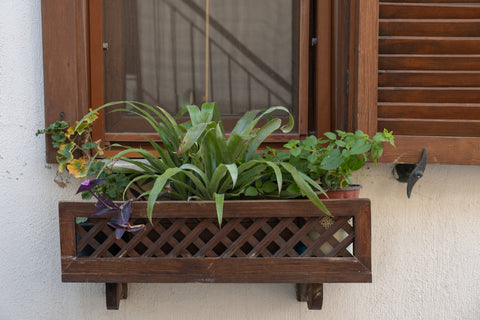

Why vertical gardening works indoors
Vertical gardening solves the biggest problem with indoor food production: space. By growing upward, you can fit an entire strawberry patch, a row of cucumbers, or even compact zucchini varieties into the footprint of a single houseplant. This approach lets you control every aspect of the growing environment, from light to nutrients, making year-round harvests possible regardless of the weather outside.
The efficiency gains are significant. Vertical hydroponic systems, such as the popular Tower Garden, use up to 98% less water than traditional soil gardening. This isn't just about saving money on your water bill; it's about precision. The roots get exactly what they need without the waste associated with watering a large soil bed where water pools or drains away unused.
Strawberries, cucumbers, and zucchini are ideal candidates for this method because they are heavy feeders and fruit producers that naturally want to climb or cascade. In a vertical setup, their fruits hang freely, reducing the risk of rot against the soil and making harvesting easier. You get more yield per square foot, turning a small corner of your living room or kitchen into a productive food source.
Top hydroponic towers for leafy greens and herbs
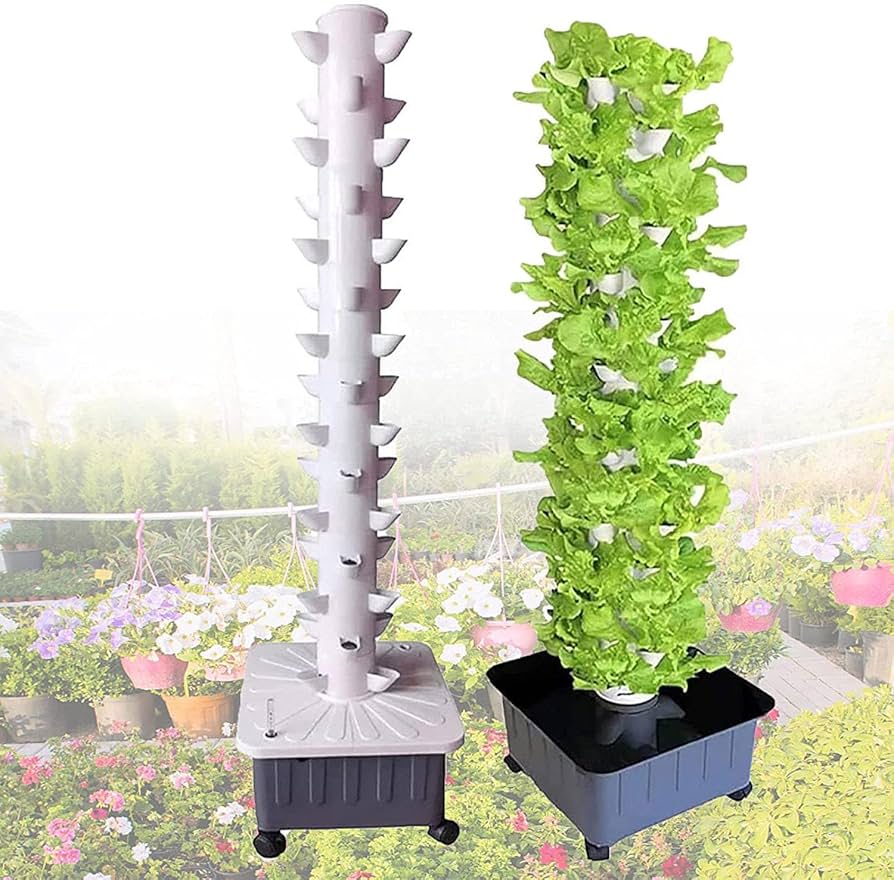
Hydroponic towers are the most accessible entry point for indoor gardening. These systems stack planting sites vertically, allowing you to grow basil, lettuce, and spinach in a footprint smaller than a microwave. Because the roots hang in mist or flowing water rather than soil, these setups stay clean and avoid the mess of traditional pots.
For beginners, the appeal lies in the simplicity. You fill a reservoir with water and nutrient solution, and a quiet pump circulates the mixture to the plants. This method delivers nutrients directly to the roots, often resulting in faster growth than soil-based methods. The vertical design also maximizes light exposure, as each plant gets a clear shot at the grow lights without shading its neighbor below.
These systems are ideal for year-round growth. Since you control the environment, seasonal changes outside don't affect your harvest. You can pull fresh basil for pasta or crisp lettuce for salads regardless of the weather. The low-maintenance nature means you only need to check water levels and top off nutrients occasionally.
Below are popular starter kits available on Amazon that balance ease of use with reliable performance for leafy greens.


As an Amazon Associate, we may earn from qualifying purchases.
Smart systems for strawberries and cucumbers
Strawberries and cucumbers demand more than just space; they require consistent energy and structural integrity. Unlike leafy greens, these fruiting crops need robust root zones, higher light intensity, and automated support to thrive indoors. Smart vertical systems bridge this gap by combining precise environmental control with vertical stacking, allowing you to harvest heavy yields without sacrificing floor space.
Gardyn: The AI-Powered All-in-One Solution
Gardyn stands out as the leading smart indoor gardening system for those who want to grow vegetables and fruit with minimal manual intervention. It automates watering, lighting, and nutrient delivery, while its AI-powered technology adjusts the environment based on plant growth stages. This makes it particularly well-suited for strawberries, which benefit from consistent moisture and light cycles to encourage continuous fruiting. The vertical tower design maximizes yield per square foot, making it a top choice for ambitious indoor gardeners.
Tower Garden: High-Capacity Aeroponics
For growers focused on volume, the Tower Garden offers a high-capacity aeroponic system that can hold up to 32 plants. This system is ideal for cucumbers and strawberries because it delivers nutrient-rich mist directly to the roots, promoting rapid growth and strong structural development. The vertical orientation allows for dense planting, ensuring you get the most food per square foot. It is a reliable choice for those who want a scalable solution that supports heavier, fruiting crops year-round.
Comparison: Fruiting-Capable Vertical Systems
| System | Automation Level | Light Type | Max Capacity | Best For |
|---|---|---|---|---|
| Gardyn | High (AI-controlled) | LED | ~20-30 plants | Strawberries, leafy greens |
| Tower Garden | Medium (Manual refill) | LED/Incandescent | 32 plants | Cucumbers, heavy fruiting |

As an Amazon Associate, we may earn from qualifying purchases.
Growing zucchini vertically indoors
Zucchini plants are heavy feeders with sprawling habits that clash with the compact nature of most vertical systems. While strawberries and cucumbers climb or trail neatly, zucchini requires significant horizontal space and strong light to produce viable fruit. Attempting to grow standard zucchini in a narrow tower often results in a plant that outgrows its container, blocks light for lower tiers, or produces nothing but foliage.
If you are determined to grow zucchini vertically, you must start with a dwarf variety specifically bred for container gardening. Varieties like 'Bush Baby' or 'Raven' stay compact, but they still need a footprint of at least 5 to 7 gallons per plant. A floor-standing hydroponic unit or a wide, deep vertical planter with ample root volume is the only viable setup. Even then, you will need high-intensity LED grow lights positioned directly above the canopy to support the heavy fruiting load.
For most indoor growers, the trade-off between space and yield makes zucchini a poor candidate for vertical gardening. The effort required to support the weight of the fruit and manage the pollination indoors often outweighs the harvest. Consider dedicating your vertical tower to cucumbers or strawberries, and reserve your floor space for a single, well-lit zucchini plant in a large pot.
Lighting and maintenance basics
Growing strawberries, cucumbers, and zucchini indoors requires consistent light and simple upkeep. These crops are heavy feeders and need strong illumination to fruit properly. Without enough photons, plants stretch leggy and stop producing. With the right setup, you can harvest fresh produce year-round without fighting seasonal changes.
Light intensity matters
Fruiting crops need more light than leafy greens. Aim for 12-16 hours of full-spectrum LED light daily. Position lights 6-12 inches above the canopy to prevent burning while maximizing intensity. If your vertical garden has adjustable shelves, raise them as plants grow taller. Zucchini and cucumbers especially demand high light to set fruit; strawberries need consistent brightness for sweet berries.
Water quality and feeding
Hydroponic systems circulate water directly to roots, so water quality is critical. Use filtered or distilled water to avoid chlorine and mineral buildup that can clog pumps or harm plants. Check pH levels weekly; most fruiting crops prefer a range of 5.5 to 6.5. Top off the reservoir with fresh water every few days and change it completely every two weeks to prevent nutrient imbalances.
Weekly maintenance checklist
- Check water levels daily and top off as needed.
- Inspect leaves for pests like aphids or spider mites.
- Clean pump filters weekly to ensure proper circulation.
- Prune yellow leaves to improve air flow and light penetration.
- Test pH and EC levels every 7-10 days.
-
Check water levels daily and top off as needed.
-
Inspect leaves for pests like aphids or spider mites.
-
Clean pump filters weekly to ensure proper circulation.
-
Prune yellow leaves to improve air flow and light penetration.
-
Test pH and EC levels every 7-10 days.
Frequently asked questions about indoor vertical gardening
Are vertical gardens suitable for growing strawberries, cucumbers, and zucchini indoors?
Yes, vertical gardens are highly suitable for these crops because they maximize limited floor space. Strawberries thrive in hanging pockets or tiered planters, while cucumbers and zucchini require sturdy trellises or tower systems to support their climbing vines and heavy fruit. Vertical setups allow you to control light and water precisely, making year-round indoor growth possible regardless of outdoor weather.
What are the best vertical systems for beginners?
For beginners, hydroponic towers like Tower Garden are ideal because they use 98% less water than conventional soil gardening and reduce maintenance. These systems automate nutrient delivery, allowing you to focus on harvesting rather than complex soil management. Look for units with built-in LED grow lights to ensure your strawberries and cucumbers receive consistent illumination without needing a sunny windowsill.
How much light do indoor vertical gardens need?
Strawberries, cucumbers, and zucchini are heavy feeders that require 12-14 hours of bright light daily. Without sufficient natural sunlight, you must invest in full-spectrum LED grow lights positioned 6-12 inches above the canopy. Insufficient light leads to leggy growth and poor fruiting, so ensure your vertical unit includes adequate lighting or is placed in the brightest available indoor spot.
No comments yet. Be the first to share your thoughts!