
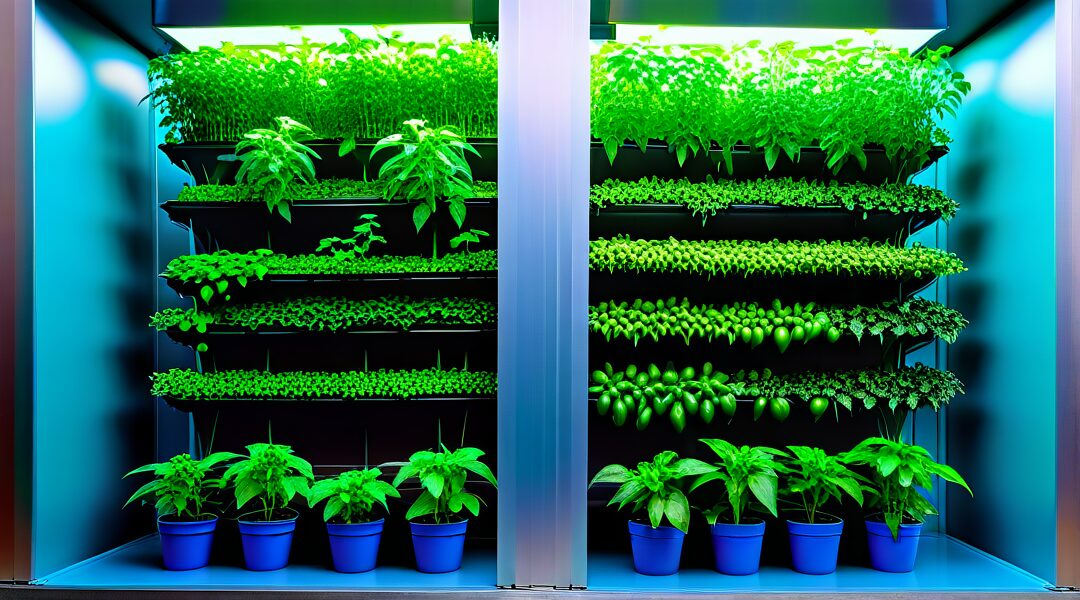

Choose your vertical growing system
Selecting the right hardware depends on your ceiling height, available floor space, and the specific crops you want to grow. Indoor vertical gardening systems generally fall into three categories: hydroponic towers, shelving units, and wall-mounted planters.
| System Type | Cost Range | Water Usage | Best Crops |
|---|---|---|---|
| Hydroponic Tower | $$$ | Low (recirculating) | Leafy greens, herbs |
| Shelving Unit | $$ | Medium (manual) | Tomatoes, peppers |
| Wall Mount | $ | Medium (manual) | Vines, small herbs |
Hydroponic towers circulate nutrient-rich water through vertical columns. They are ideal for leafy greens and herbs like basil and lettuce, which have shallow root systems. While more expensive upfront, they use significantly less water than traditional soil gardening and grow plants faster.
Shelving units offer flexibility for root vegetables and fruiting plants. You can place individual pots on each tier, allowing you to grow tomatoes, peppers, or dwarf citrus. These systems require manual watering and supplemental lighting on lower shelves.
Wall-mounted planters maximize unused vertical space, such as blank kitchen walls. These systems are best for trailing plants like ivy or small herbs. They often use felt pockets or modular boxes that attach directly to the wall, requiring sturdy mounting and careful drainage management.
Select the right plants for vertical growth
Choosing crops that thrive vertically requires matching the plant’s natural habit to your structure’s orientation. Strawberries, cucumbers, and zucchini each demand specific strategies to succeed in a vertical footprint.
Strawberries are the most forgiving option for beginners. Their compact root systems fit easily into pocket planters or hanging baskets. Place them at eye level or slightly above to make harvesting effortless. They prefer bright, indirect light and consistent moisture.
Cucumbers need support. Vining varieties like ‘Bush Pickle’ or ‘Patio’ types climb trellises or netting. Train the main stem upward early on to prevent tangling. They require heavy feeding and deep watering, so ensure your vertical system retains moisture well.
Zucchini is the outlier. Standard zucchini plants sprawl and need significant ground space. For vertical growing, choose compact, bush-type varieties like ‘Trombino’ or ‘Eight Ball’. These stay under three feet tall and can be supported with a simple cage or stake, keeping fruit off the soil and reducing rot.
Set up lighting and water systems
Light and water are the two non-negotiable inputs for an indoor vertical garden. Without precise control over these elements, plants will either stretch toward a weak light source or rot from stagnant water.
Plant and train your vertical crops
With your vertical garden structure assembled and positioned, the next phase is filling it with life. Planting in a vertical system requires a slightly different approach than traditional pots, as you are working with limited soil volume and gravity. Start by preparing your seedlings or starting seeds in individual starter cells. When they develop their first true leaves, gently transplant them into the vertical planter pockets or mounted containers.
For vining crops like cucumbers and zucchini, support is not optional—it is the architecture of your harvest. These plants will not climb on their own; they need guidance. Install a trellis, netting, or vertical strings immediately after planting. As the vines emerge, loosely tie the main stem to the support using soft plant ties or twist ties. Avoid wrapping too tightly, which can girdle the stem as it thickens.
Train the vines upward by gently weaving them through the trellis or wrapping them around the support strings. Check your plants every few days to redirect new growth toward the light and the structure. This manual training prevents tangles, improves air circulation, and ensures that the fruit develops evenly without dropping to the floor. Consistent training turns a chaotic tangle of leaves into a productive, space-saving wall of food.
Maintain humidity and airflow
Stagnant air is the fastest way to turn a thriving vertical garden into a mold incubator. Indoor environments lack the natural wind that outdoor plants get, so you must simulate it. Without consistent movement, moisture settles on leaves and in the soil, creating the perfect conditions for powdery mildew and root rot.
Start by positioning a small oscillating fan near the unit. You do not need a powerful industrial blower—just a gentle breeze that moves the leaves slightly. This airflow strengthens plant stems and evaporates excess surface moisture. Run the fan for a few hours each day, especially after watering or when grow lights are on, as heat builds up quickly under LEDs.
Monitor humidity levels with a simple hygrometer. Most indoor herbs and leafy greens thrive between 40% and 60% relative humidity. If the air is too dry, your plants may wilt or develop brown leaf tips. If it is too humid, increase ventilation or reduce watering frequency. Proper airflow balances these factors, keeping your vertical garden healthy and pest-free.
Common questions about vertical growing
Vertical gardening is a practical solution for apartments and homes with limited floor space. By growing upward, you can cultivate herbs, leafy greens, and small vegetables without sacrificing your living area. The key is managing light and water access efficiently.
Your indoor vertical garden checklist
Before you plug in your first light, gather these essentials to ensure your indoor vertical garden thrives. Missing a single component can disrupt the entire ecosystem, so a quick inventory saves time and prevents early plant failure.
The Core Setup
Start with the vertical structure itself, whether it’s a hydroponic tower or a stackable planter system. Pair this with a full-spectrum LED grow light that matches the height of your unit. Proper lighting is the engine of your garden, driving photosynthesis without the heat of traditional bulbs.
Growing Mediums and Nutrition
Select seeds or starter plugs suited for vertical spaces, such as leafy greens or compact herbs. You’ll also need a nutrient solution designed for hydroponics or a high-quality soil mix if your system is soil-based. Don’t forget a small air pump if your reservoir is enclosed; roots need oxygen just as much as they need water.
Environment Control
Add a small oscillating fan to circulate air. Stagnant air invites mold and pests, so gentle movement mimics natural breezes and strengthens plant stems. Finally, keep a basic humidity monitor nearby to keep levels between 40-60%, ensuring your plants stay healthy in your home environment.

No comments yet. Be the first to share your thoughts!