
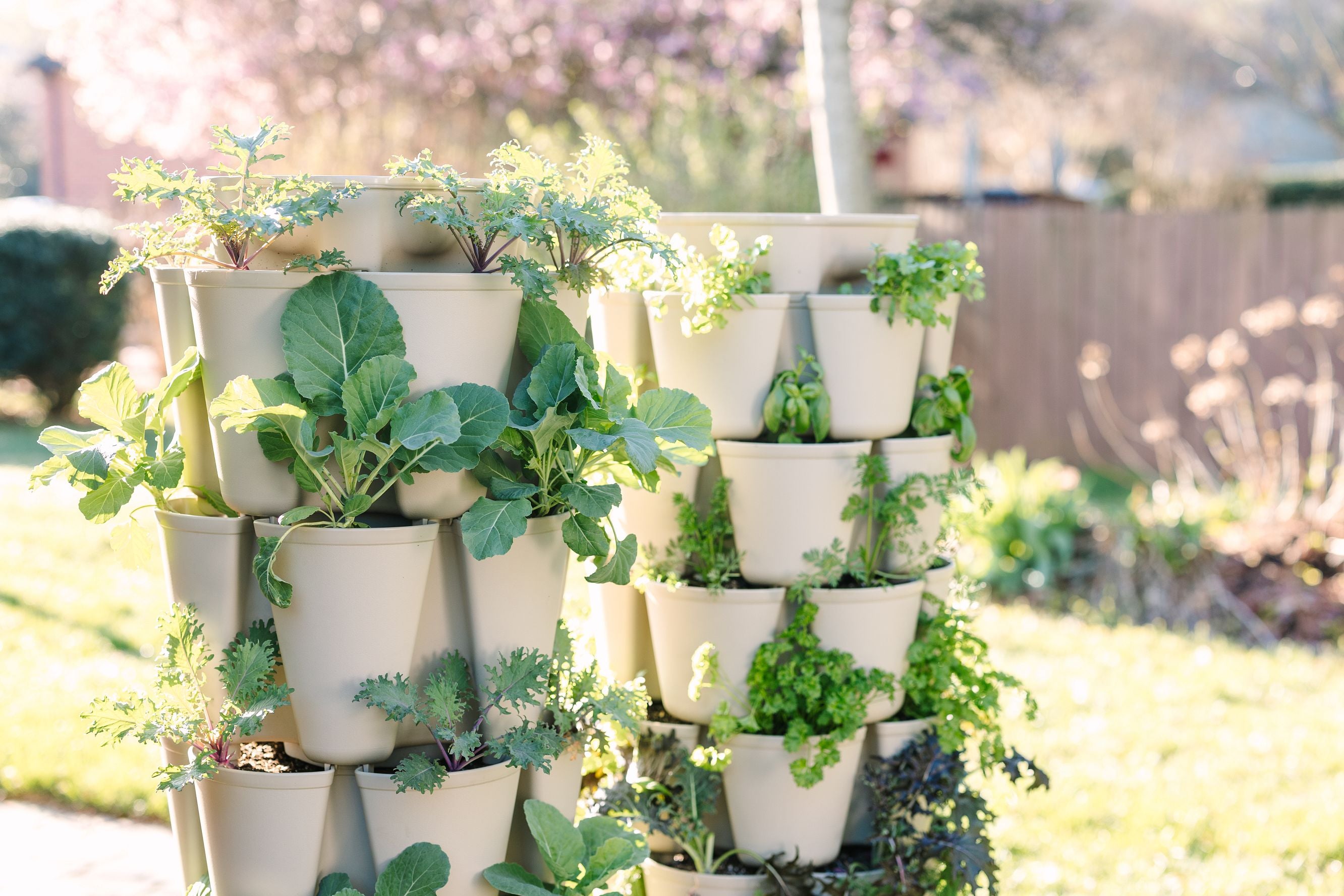

Get indoor vertical gardening right
Before you mount a tower or build a frame, you need to verify that your space can actually support the plants you want. Indoor vertical gardening for food crops like strawberries, cucumbers, and zucchini requires more than just shelf space; it demands specific environmental conditions. Unlike decorative foliage, edible plants have aggressive root systems and high light requirements that can overwhelm a typical apartment setup if not planned correctly.
Start by measuring your vertical footprint and ceiling height. Cucumbers and zucchini are heavy feeders and can grow several feet tall. Ensure you have at least 6-8 hours of direct or full-spectrum grow light exposure for your chosen spots. If your windows face north, you will likely need supplemental LED lighting, which adds to the initial cost and energy usage.
Next, assess your water and drainage capabilities. Vertical systems concentrate water flow, meaning leaks can damage floors or walls quickly. Use waterproof trays and check that your water source is accessible without tripping hazards. Finally, stick to the 70/30 rule: plant 70% of your vertical space with reliable, proven varieties like cherry tomatoes or bush strawberries, and reserve 30% for experimental crops to minimize early failure risks.
Work through the steps
Indoor vertical gardening transforms unused wall space into productive growing zones. By stacking plants vertically, you maximize yield without expanding your footprint. This guide walks you through the essential setup for growing strawberries, cucumbers, and zucchini indoors.
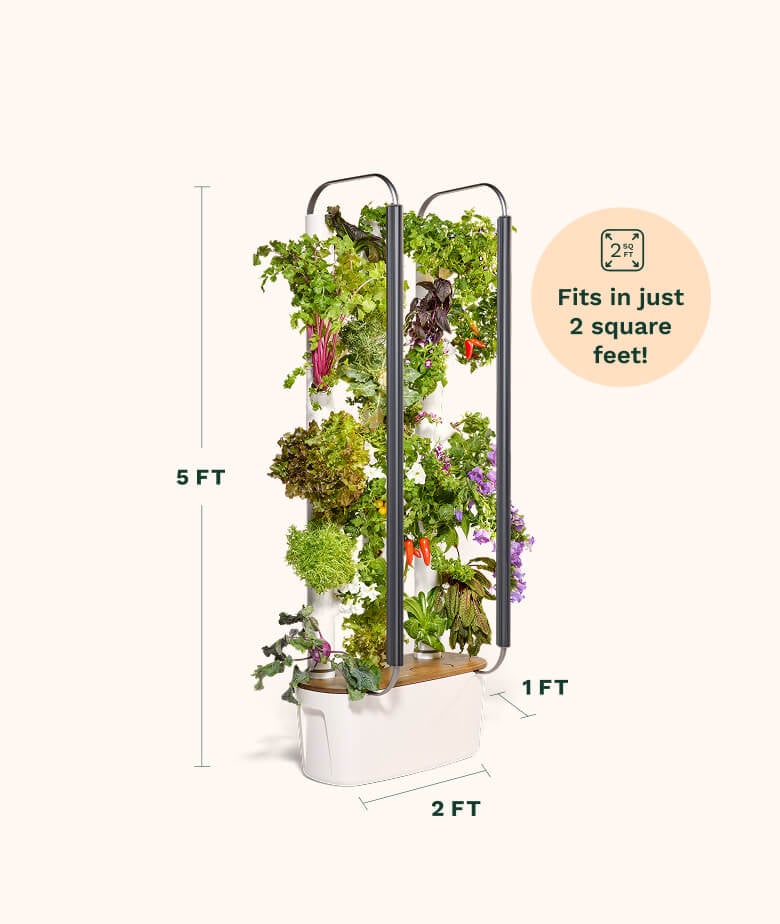
Common indoor vertical gardening mistakes
Even with the right setup, indoor vertical gardens for strawberries, cucumbers, and zucchini often fail because growers ignore how these plants behave in three dimensions. Vertical systems change airflow, light distribution, and root volume. If you treat a tower like a flat garden bed, you will likely end up with mold, burnt leaves, or no fruit.
Wrong light placement
Grow lights must reach the lowest leaf nodes, not just the top. In a vertical tower, the bottom pockets are naturally shaded. If your light is too high or too dim, the lower plants stretch, weaken, and stop producing. For cucumbers and zucchini, which need high energy to fruit, this is fatal. Move lights closer or upgrade to a full-spectrum LED bar that covers the entire height of the tower.
Overcrowding heavy crops
Strawberries, cucumbers, and zucchini are heavy. Zucchini alone can weigh several pounds per fruit. If you plant too many zucchini or cucumber seedlings in a single tower, the weight will tip the structure or crush the plants below. Stick to one or two heavy-fruiting plants per tower. Fill the remaining pockets with lighter crops like strawberries, herbs, or leafy greens to balance the load.
Ignoring airflow
Vertical towers create a dense canopy. Without a small oscillating fan, humidity builds up around the leaves, leading to powdery mildew and root rot. This is especially common with cucumbers, which hate stagnant air. Place a fan to create a gentle breeze through the tower. This strengthens stems and keeps the microclimate dry enough to prevent fungal outbreaks.
Skipping the drip check
In a vertical system, water drains quickly. If your drip emitters are clogged or positioned incorrectly, the bottom plants will dry out while the top ones drown. Check every emitter weekly. Ensure the water flows evenly to all pockets. A simple test: run the system for ten minutes and check if every pocket is moist. If any are dry, adjust the emitters or clean the nozzles.
Neglecting pruning
Cucumbers and zucchini grow fast. Without regular pruning, they will shade out the lower plants and become unmanageable. Remove side shoots and old leaves weekly. This opens up the tower for light and air, directing energy into fruit production rather than foliage. Strawberries also need dead leaves removed to prevent rot.
No comments yet. Be the first to share your thoughts!