

Choose the right vertical system
Selecting a vertical indoor garden for strawberries, cucumbers, and zucchini requires matching the structure to the heavy fruit load and high light needs of these crops. Standard herb towers often lack the weight capacity or light intensity required for fruiting plants. You need a system that supports at least 15-20 pounds per growing pocket and accommodates full-spectrum LED grow lights.
The following comparison highlights three common vertical configurations. Each option balances structural integrity, lighting integration, and suitability for heavy fruiting crops.
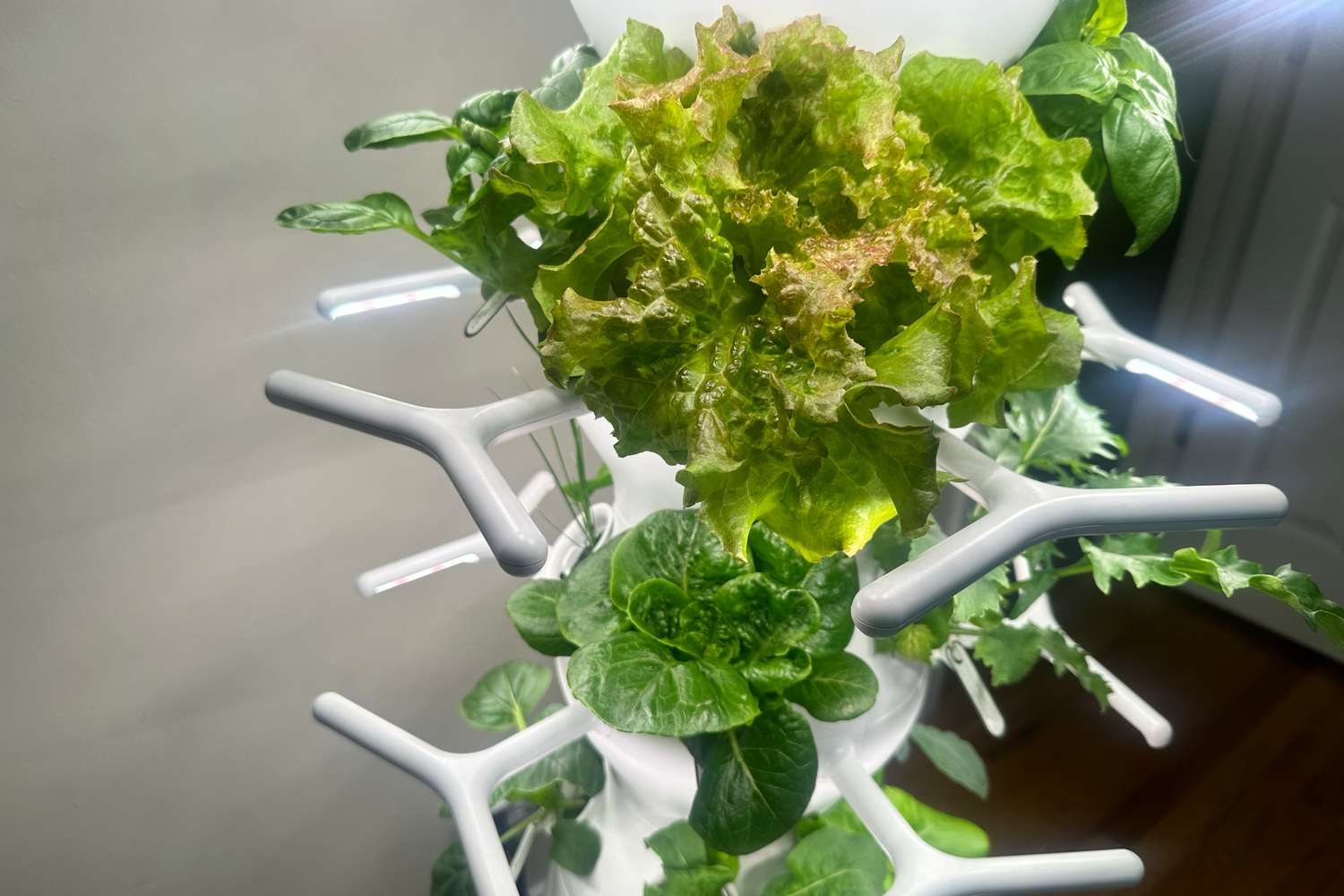
| System Type | Weight Capacity | Light Integration | Best For |
|---|---|---|---|
| Hydroponic Tower | Low (5-10 lbs) | Built-in LED strips | Leafy greens and herbs |
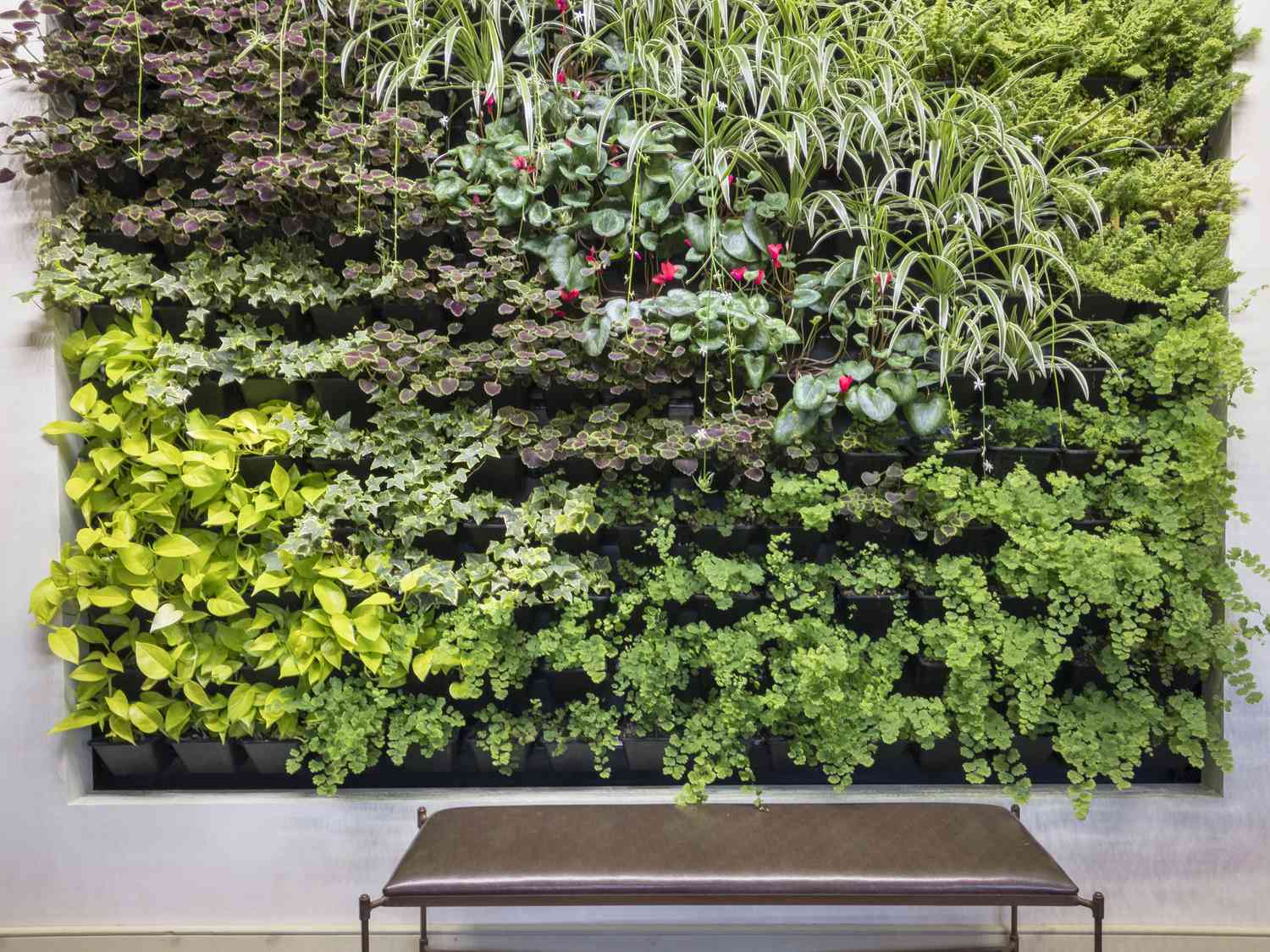
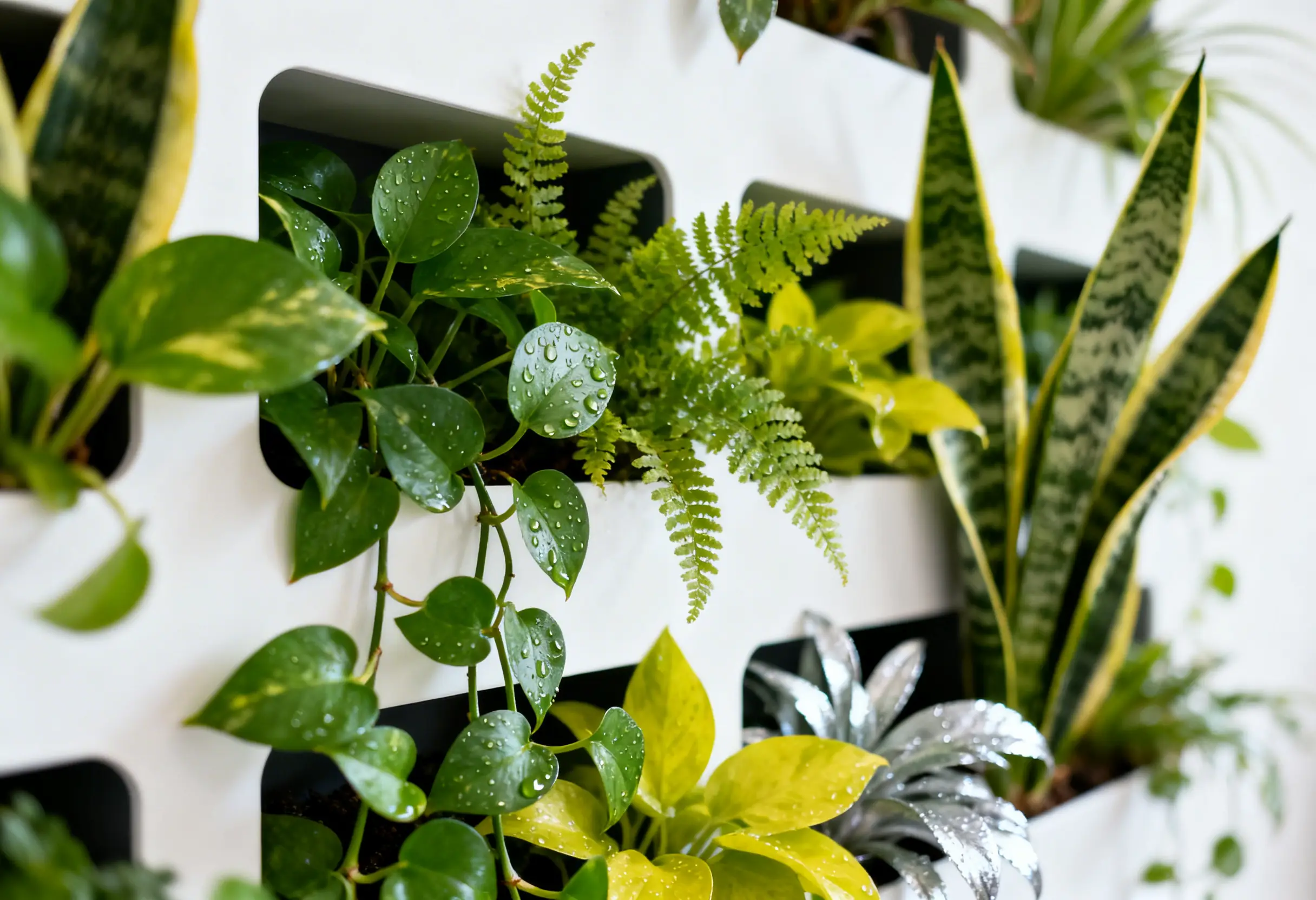
| Wall Planter | Medium (10-15 lbs) | Add-on grow lights | Strawberries and small herbs |
| Stackable Shelves | High (20+ lbs) | Full-spectrum LED panels | Cucumbers and zucchini |
Hydroponic towers are efficient for water use but struggle with the weight of mature cucumber vines or heavy zucchini fruits. Their built-in lights are often too weak for fruiting stages. Wall planters offer a space-saving solution for strawberries, which have lighter root systems, but require careful mounting to handle wet soil weight. Stackable shelving units provide the most robust platform, allowing you to position high-intensity lights directly above heavy plants.
Set up lighting and support structures
Vertical indoor gardens for strawberries, cucumbers, and zucchini require two physical upgrades: adequate light intensity and sturdy vertical support. Strawberries need bright, direct light to fruit, while cucumbers and zucchini are heavy vining crops that demand robust trellising to keep fruit off the ground and prevent stem breakage.
Position grow lights for maximum canopy coverage
Strawberries and fruiting cucumbers require high-intensity light to produce sugar and fruit. In a vertical setup, the canopy depth can block light from reaching lower leaves. Position full-spectrum LED grow lights 12 to 18 inches above the top of the plant canopy. This distance provides the intensity needed for photosynthesis without burning the leaves.
For vertical towers or wall-mounted planters, consider using slim LED panels that mount directly to the frame. This ensures the light hits the plants directly rather than scattering into the room. If your setup has multiple tiers, space the lights so the bottom tier receives at least 6-10 hours of light daily, while the top tier gets 12-14 hours. Most modern LEDs run cool enough to stay close to the foliage, but always check the manufacturer's recommended hanging height.
Install trellis netting for vining crops
Cucumbers and zucchini are vigorous growers that will quickly outgrow their containers. Without support, their vines will tangle, block light to lower plants, and cause fruit to rot from contact with moist soil. Install a simple trellis net or grid system along the vertical face of your garden. Secure the netting to the frame using zip ties or hooks, ensuring it is taut enough to support the weight of mature vines and fruit.
Train the cucumber vines gently onto the netting as they grow. Use soft plant ties or clips to secure the main stem to the vertical support every 6-8 inches. This encourages upward growth and keeps the garden tidy. Zucchini plants are bushier but still benefit from a central stake or cage to keep the large leaves from shading out neighboring strawberries.
Check structural stability
Before planting, ensure your vertical frame can handle the added weight of wet soil, mature plants, and fruit. Cucumbers can produce heavy fruits that weigh down thin wire or flimsy plastic trellises. Reinforce the base of your vertical garden if it feels wobbly. A stable structure prevents accidents and keeps your indoor garden safe for daily maintenance.
Hang full-spectrum LED grow lights 12-18 inches above the top canopy. Adjust height as plants grow to maintain intensity without burning leaves. Use slim panels for vertical frames to direct light efficiently.
Secure a sturdy trellis net or grid to the vertical frame. Ensure it is taut to support heavy cucumber vines and zucchini fruit. Use zip ties or hooks for easy adjustment.
Gently guide cucumber vines onto the netting. Use soft plant ties to secure the main stem every 6-8 inches. This encourages upward growth and keeps fruit off the soil.
Check that the vertical frame is stable and can handle the weight of wet soil and mature fruit. Reinforce the base if needed to prevent tipping.
Plant strawberries, cucumbers, and zucchini
Place your seedlings into the vertical pockets with care. Start with the strawberries, then move to the cucumbers, and finish with the zucchini. This order helps you manage the varying root depths and canopy sizes as you fill the system.
Strawberries
Dig a small hole in the pocket and place the strawberry crown (the thick part where stems meet roots) at soil level. Burying the crown causes rot; leaving it too high dries out the roots. Space plants 6 to 8 inches apart vertically. Water immediately to settle the soil around the roots.
Cucumbers
Cucumbers need more space for their vining habit. Plant two seedlings per pocket for a fuller harvest, spacing them about 8 inches apart. Gently tease the roots apart before placing them in the soil. These plants will climb upward, so ensure your trellis or support structure is ready before they outgrow the pocket.
Zucchini
Zucchini is the most demanding crop here. Choose compact varieties like 'Patty Pan' or 'Bush Sunburst' to avoid overcrowding. Plant one seedling per pocket, burying the stem up to the first true leaves. This encourages strong root development. Be mindful that zucchini leaves can become large, potentially shading lower pockets if not pruned.
After planting, water each pocket thoroughly until water drains from the bottom. This ensures the entire root zone is hydrated. Keep the soil consistently moist but not soggy for the first week as plants establish themselves in their new vertical environment.
Maintain water, nutrients, and pruning
Keep your vertical garden productive by sticking to a simple weekly rhythm. Strawberries, cucumbers, and zucchini have different root depths and water needs, so consistent monitoring prevents stress before it starts.
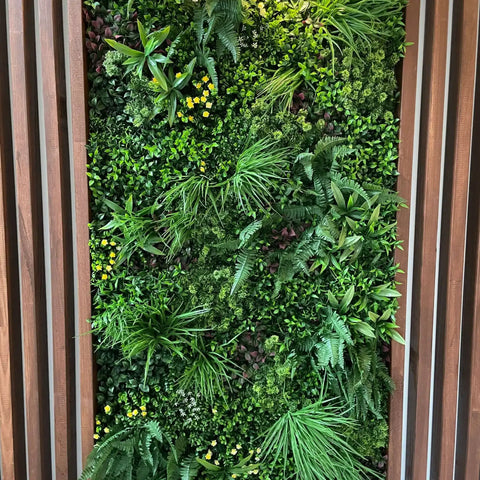
Top reservoirs or check drip lines every morning. Strawberries dry out faster than zucchini, so adjust flow rates if the top tiers feel dry while the bottom remains saturated. Aim for consistent moisture, not soaking.
Add a liquid fertilizer high in potassium and phosphorus to support fruiting. Cucumbers and zucchini are heavy feeders, while strawberries need less nitrogen to avoid leafy overgrowth. Test pH weekly; keep it between 5.5 and 6.5 for optimal nutrient uptake.
Remove yellowing leaves and side shoots that block airflow. Zucchini vines can quickly shade out strawberries if left unchecked. Trim back any stems that grow too long for the vertical structure to maintain stability and light penetration.
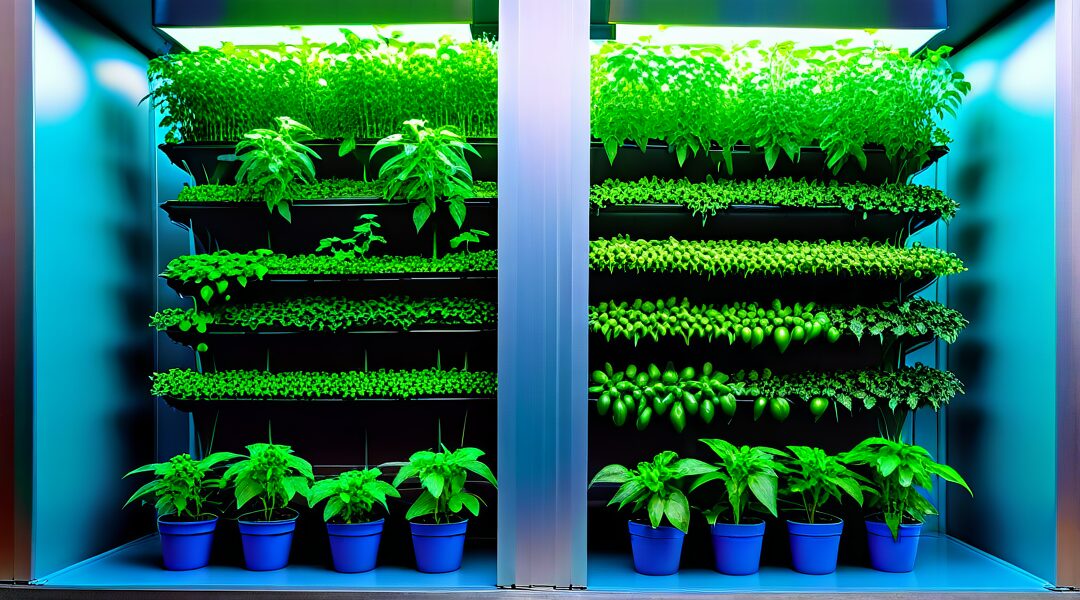
Inspect leaf undersides for spider mites or aphids, which thrive in indoor humidity. Use neem oil or insecticidal soap immediately if you spot them. Early detection prevents infestations from spreading across the vertical tower.
Troubleshoot Common Vertical Garden Issues
Vertical indoor gardens for strawberries, cucumbers, and zucchini face specific challenges. Plants in towers grow faster and compete more aggressively for resources than ground-level plants. When you notice yellowing leaves, burnt tips, or flowers dropping without fruit, check these three areas first.
Fix Pest Infestations Early
Indoor spaces trap pests like spider mites, aphids, and fungus gnats. Because vertical systems stack plants, an infestation on one level can quickly spread downward. Inspect the undersides of leaves weekly. If you spot webbing or tiny moving specks, isolate the affected tier immediately. Spray affected leaves with a mild neem oil solution or insecticidal soap. This treatment breaks the pest lifecycle without harming your edible crops. For persistent fungus gnats, let the top layer of your growing medium dry out completely between waterings to break their breeding cycle.
Adjust Light Distance to Prevent Burn
Cucumbers and zucchini require intense light, but vertical towers place plants closer to the grow light. If leaf edges turn brown and crispy, your lights are too close. Move LED panels 12-18 inches above the highest canopy. Use a light meter app to ensure you are hitting 30,000-50,000 lux for fruiting crops. If the lower leaves are pale and leggy, the light is too high or the spectrum is insufficient. Rotate the tower if it is not motorized to ensure even growth on all sides.
Boost Pollination for Better Fruit Set
Indoor environments lack wind and natural pollinators like bees. Strawberries, cucumbers, and zucchini all need help transferring pollen to produce fruit. Gently shake the main stem of each plant every morning to dislodge pollen. For cucumbers and zucchini, use a small, soft paintbrush to dust pollen from male flowers (which have a thin stem) onto the center of female flowers (which have a tiny fruit bulge at the base). This manual pollination step is critical for vertical growers to get actual harvests rather than just flowers.
Watch a vertical garden setup video
Seeing the process in motion clarifies the spatial logic of stacking crops. This video demonstrates building an indoor vertical garden for edible plants, showing how to arrange supports and plant containers to maximize light exposure.
Frequently Asked Questions About Indoor Vertical Gardening
Can I grow strawberries, cucumbers, and zucchini indoors vertically?
Yes, but these crops have specific light and space needs. Strawberries thrive in compact, low-light tolerant pockets, while cucumbers and zucchini require significant vertical height and intense light. Zucchini, in particular, is large and may outgrow standard vertical towers, so choose compact bush varieties. Cucumbers need sturdy trellising to support their climbing vines without breaking the structure.
What is the best lighting for an indoor vertical garden?
Full-spectrum LED grow lights are the standard for indoor vertical gardening because they mimic sunlight without generating excessive heat. Position lights 6-12 inches above your plants, adjusting as they grow. Strawberries need about 12-14 hours of light daily, while cucumbers and zucchini require 14-16 hours to produce fruit. Without adequate light, your vertical garden will become leggy and unproductive.
How do I maintain moisture and nutrients in a vertical system?
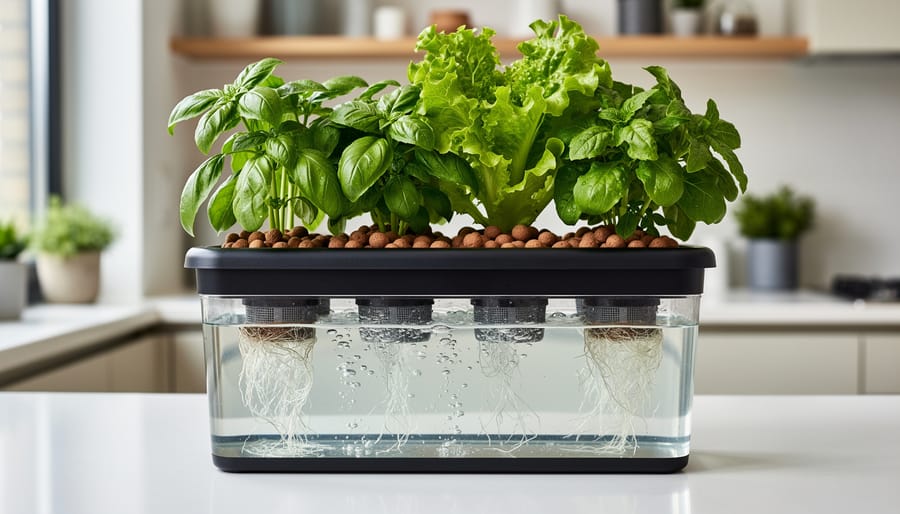
Vertical gardens dry out faster than soil beds because water drains quickly through the tiers. Use a self-watering reservoir or a drip irrigation system to maintain consistent moisture. Check the water level daily and top off nutrients every two weeks. For strawberries, keep the root zone slightly moist but not soggy to prevent rot. Cucumbers and zucchini drink heavily, so monitor their water intake closely during fruiting.
Do vertical gardens take up too much space?
Vertical gardens maximize small spaces by growing upward rather than outward. A single tower can hold dozens of plants in less than two square feet of floor space. This makes them ideal for apartments or kitchens. However, ensure you have enough ceiling height for taller crops like cucumbers. The vertical orientation also improves air circulation, reducing the risk of mold and pests common in dense indoor gardens.
No comments yet. Be the first to share your thoughts!