

Gardening in 2026
Gardening is getting harder. The USDA’s 2023 Plant Hardiness Zone Map shows that many areas are seeing warmer minimum temperatures than they did ten years ago. This isn't a theoretical problem for the next generation; it's changing what we can put in the ground today.
What does this mean practically? Imagine you’re trying to grow tomatoes in Bloomington, Indiana. A crop that was once reliably productive might now struggle with heat stress, blossom end rot, or an extended period without consistent rain. Pest and disease pressure is also increasing as warmer winters allow more pests to survive and expand their ranges. These changes directly impact our ability to grow our own food, and that’s a real concern. The University of Maryland Extension is doing great work documenting these changes and offering advice.
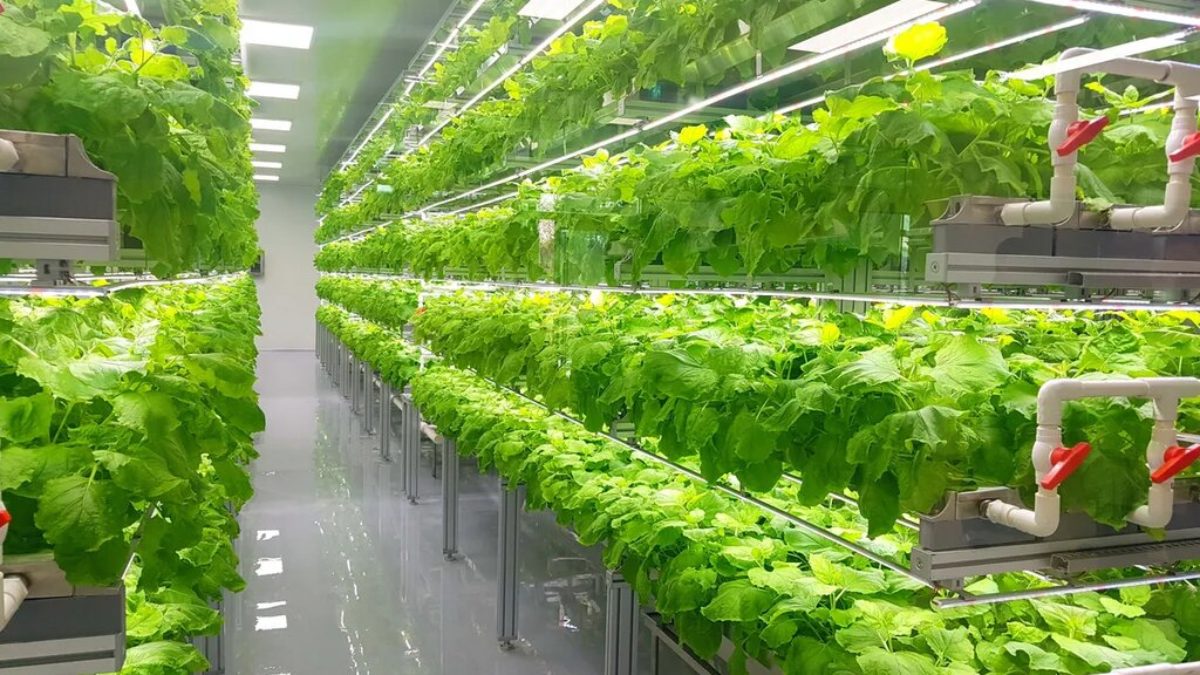
That’s where the idea of climate-resilient gardening comes into play, and specifically, indoor vertical gardening. It’s not about abandoning outdoor gardening altogether, but about creating a supplementary system – a controlled environment where we can reliably grow food regardless of what’s happening outside. I think a lot of people are starting to see this as a necessity, not just a hobby.
The case for vertical systems
The core advantage of vertical gardening, particularly indoors, lies in control. You're not at the mercy of the elements. Temperature, humidity, and light can all be precisely managed, creating an optimal growing environment for your plants. This is a huge benefit in a world where outdoor conditions are becoming less predictable. It’s a way to buffer yourself against the worst impacts of climate change.
Vertical gardens are great for saving water. Most use closed-loop irrigation to recirculate what the plants don't drink, which is a necessity if you live somewhere with strict water rations. Moving the garden inside also means you stop losing crops to 20-minute hailstorms or high winds.
Space efficiency is another key factor. Vertical gardens allow you to grow a substantial amount of food in a relatively small footprint. This is ideal for urban dwellers or anyone with limited outdoor space. More yield per square foot means a more resilient food supply, and that's something we all benefit from. It’s a practical solution for making local food production more accessible.
Indoor Food Production: Beyond the Tomato
When people think of indoor gardening, lettuce and herbs often come to mind. And those are certainly great starting points, but the possibilities extend far beyond that. With the right system and varieties, you can successfully grow a surprising range of crops indoors. Strawberries, for example, do remarkably well in vertical hydroponic systems, offering a taste of summer year-round.
Cucumbers and zucchini are also surprisingly feasible, though they do require more space and support. Choosing bush or compact varieties is essential. Peppers, both sweet and hot, thrive in controlled indoor environments, as do dwarf fruit trees like lemons or limes. It's really about selecting the right varieties – those bred for compact growth habits and, ideally, self-pollination to avoid the complexities of hand-pollinating indoors.
I’ve seen some impressive setups with even root vegetables like radishes and carrots grown in deep-pocketed vertical systems. The key is providing adequate lighting and nutrients. Don’t be afraid to experiment! There’s a lot of information available online and in gardening communities to guide you. Thinking about what you like to eat should also drive your choices – there's no point growing something you won't enjoy.
Here’s a quick look at some viable options:
---
Leafy Greens: Lettuce, spinach, kale, chard
Herbs: Basil, mint, chives, oregano, parsley
Fruiting Vegetables: Strawberries, tomatoes (dwarf varieties), peppers, cucumbers (bush varieties)
Root Vegetables: Radishes, carrots (short varieties)
Fruits: Dwarf lemons, limes, blueberries
Crop Suitability for Indoor Vertical Gardening
| Crop Name | Light Requirements | Water Needs | Space Requirements | Pollination Needs | Difficulty |
|---|---|---|---|---|---|
| Strawberries | High | Med | Med | Insect | Med |
| Lettuce | Med | Med | Small | Self | Easy |
| Spinach | Med | Med | Small | Self | Easy |
| Herbs (Mint, Basil) | High | Med | Small | Insect | Easy |
| Cherry Tomatoes | High | Med | Med | Insect | Med |
| Cucumbers (Bush Varieties) | High | High | Large | Insect | Hard |
| Peppers (Smaller Varieties) | High | Med | Med | Insect | Med |
| Radishes | Med | Med | Small | Self | Easy |
| Chard | Med | Med | Small | Insect | Easy |
| Zucchini (Bush Varieties) | High | High | Large | Insect | Hard |
Illustrative comparison based on the article research brief. Verify current pricing, limits, and product details in the official docs before relying on it.
Setup options and costs
There's a wide range of vertical gardening systems available, each with its own set of pros and cons. Hydroponics, where plants are grown in nutrient-rich water without soil, is a popular choice, offering excellent control and efficiency. Aeroponics takes this a step further, suspending roots in the air and misting them with nutrient solution. Aquaponics combines hydroponics with aquaculture, using fish waste as fertilizer – it’s a more complex system but can be incredibly sustainable.
Soil-based vertical systems are also an option, using stacked planters or wall-mounted pockets filled with potting mix. These are generally the simplest and most affordable to set up, but they can be messier and require more maintenance. The best choice depends on your budget, space, and level of experience. Bloomington, Indiana’s community gardens could really benefit from integrating some of these methods to increase yields and resilience.
Costs can vary significantly. A basic DIY soil-based system can be built for under $100, while a sophisticated hydroponic or aeroponic setup with grow lights and automated controls could easily cost $500 or more. Pre-built systems tend to be more expensive upfront but can save you time and effort. I’d recommend starting small and scaling up as you gain experience. Don't feel pressured to invest in the most expensive equipment right away.
Low-Maintenance Champions: Plants That Thrive
If you’re new to indoor gardening, starting with low-maintenance plants is a smart move. Herbs like mint, chives, and oregano are incredibly forgiving and require minimal care. They’re also incredibly useful in the kitchen! Leafy greens such as lettuce, spinach, and kale are relatively easy to grow and provide a continuous harvest.
Strawberries are surprisingly low-maintenance, especially everbearing varieties that produce fruit throughout the growing season. Here's a quick rundown of care requirements:
---
Mint: Bright indirect light, consistently moist soil.
Chives: Full sun, well-drained soil, regular watering.
Oregano: Full sun, well-drained soil, allow soil to dry out between waterings.
Lettuce: Moderate light, consistently moist soil, cool temperatures.
Strawberries: Full sun, well-drained soil, regular fertilization.
- Mint needs bright indirect light and damp soil.
- Provide adequate light (see section on lighting).
- Use a high-quality potting mix or hydroponic nutrient solution.
- Monitor plants regularly for pests and diseases.
Pest and Disease Control Indoors
While indoor gardens are generally less susceptible to pests and diseases than outdoor gardens, they’re not immune. Common culprits include aphids, spider mites, and powdery mildew. The key is preventative measures – good air circulation, proper sanitation, and regular plant inspection. I check my plants at least a couple of times a week for any signs of trouble.
If you do encounter pests, organic control methods are the way to go. Insecticidal soap, neem oil, and beneficial insects like ladybugs can be effective. For powdery mildew, improve air circulation and avoid overhead watering. Maintaining a clean growing environment is crucial – remove any dead leaves or debris promptly.
Interestingly, the controlled environment of an indoor garden can actually reduce pest pressure compared to outdoor gardens. Fewer natural predators mean fewer pests, but it also means you need to be more vigilant about monitoring and addressing any issues that do arise.
Replacing the sun
Adequate lighting is arguably the most important factor in indoor gardening. Plants need light for photosynthesis, and without it, they won’t thrive. There are several types of grow lights available, each with its own pros and cons. Fluorescent lights are affordable and energy-efficient, but they don’t provide the full spectrum of light that plants need.
HID (High-Intensity Discharge) lights are more powerful but also generate a lot of heat and consume more energy. LED (Light-Emitting Diode) lights are the current gold standard – they’re energy-efficient, produce minimal heat, and offer a customizable light spectrum. I've switched all my setups to LED, and I've seen a noticeable improvement in plant growth.
The amount of light your plants need depends on the type of plant. Leafy greens generally require less light than fruiting vegetables. As a general rule of thumb, aim for 12-16 hours of light per day. Calculating your lighting needs can be tricky, but there are online calculators and resources available to help you. It’s worth investing in good quality grow lights – it will make a huge difference in your success.
- LED: Energy-efficient, low heat, customizable spectrum.
- Fluorescent: Affordable, energy-efficient, limited spectrum.
- HID: Powerful, high heat, high energy consumption.
No comments yet. Be the first to share your thoughts!