

Pick the right vertical system
Choosing the right vertical system depends on the specific needs of your crops. Strawberries, cucumbers, and zucchini have different root depths and support requirements. Hydroponic towers maximize yield per square foot. Wall-mounted pockets offer flexibility for smaller spaces. Tiered shelves provide stability for heavy fruits. Match the system to your plant's growth habit.
| System | Best For | Maintenance | Cost |
|---|---|---|---|
| Hydroponic Tower | Strawberries, Leafy Greens | Medium (pump checks) | High |
| Wall Pockets | Strawberries, Herbs | Low | Low |
| Tiered Shelves | Cucumbers, Zucchini | Medium (trellising) | Medium |
-
Evaluate your available light levels
-
Measure your vertical space dimensions
-
Check weight limits for wall mounts
-
Decide on water source accessibility
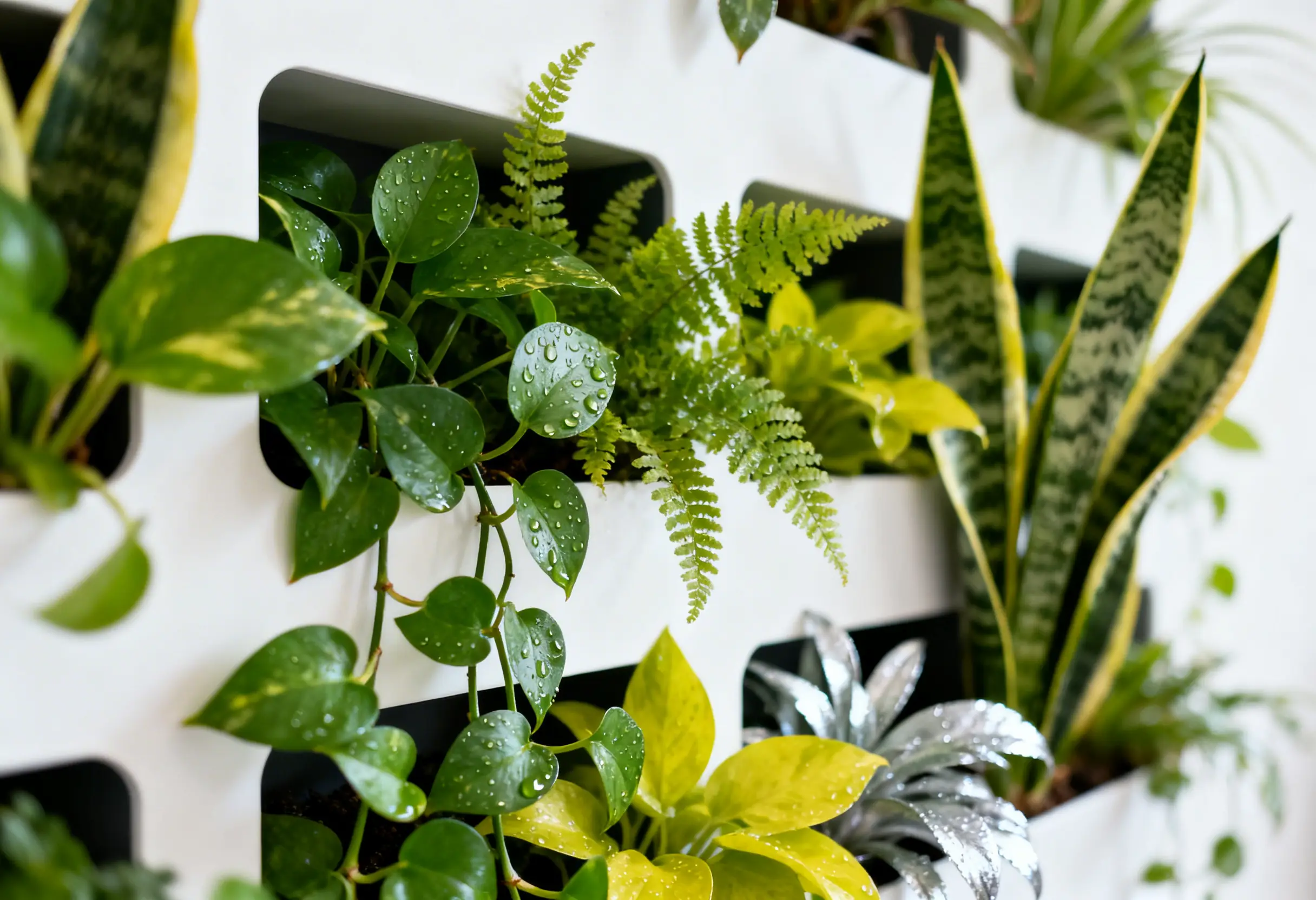
Set up lighting and nutrients
Growing fruiting crops like strawberries, cucumbers, and zucchini indoors requires a setup that mimics full sun. These plants need high-intensity light to produce harvestable yields, not just green leaves. You also need a precise nutrient delivery system to support rapid vertical growth and heavy fruiting.
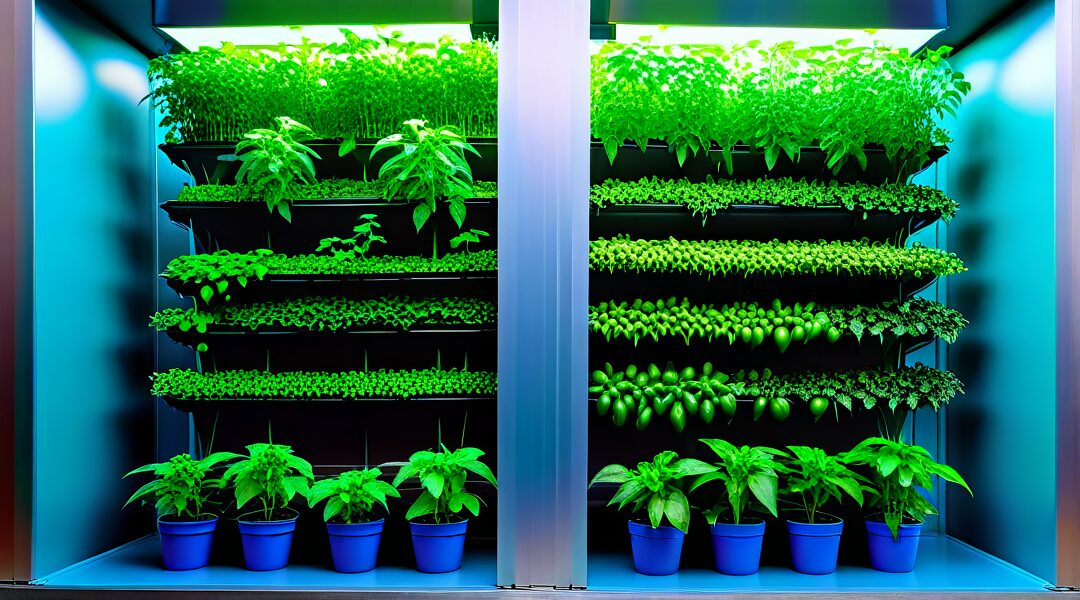
Mount your LED grow light bar directly above the highest tier of your vertical garden. Fruiting plants require 12 to 16 hours of direct light daily. Keep the light source 6 to 12 inches above the canopy. As the zucchini and cucumbers grow upward, raise the light fixture to maintain this distance. This ensures the lower leaves receive enough intensity to photosynthesize effectively.
Connect your water reservoir to the vertical tower or panel system. Ensure the submersible pump is rated for the height of your setup. The pump must cycle water continuously or on a strict timer (e.g., 15 minutes on, 45 minutes off). This circulation delivers oxygen and dissolved nutrients to the roots of every plant, from the bottom zucchini to the top strawberries.
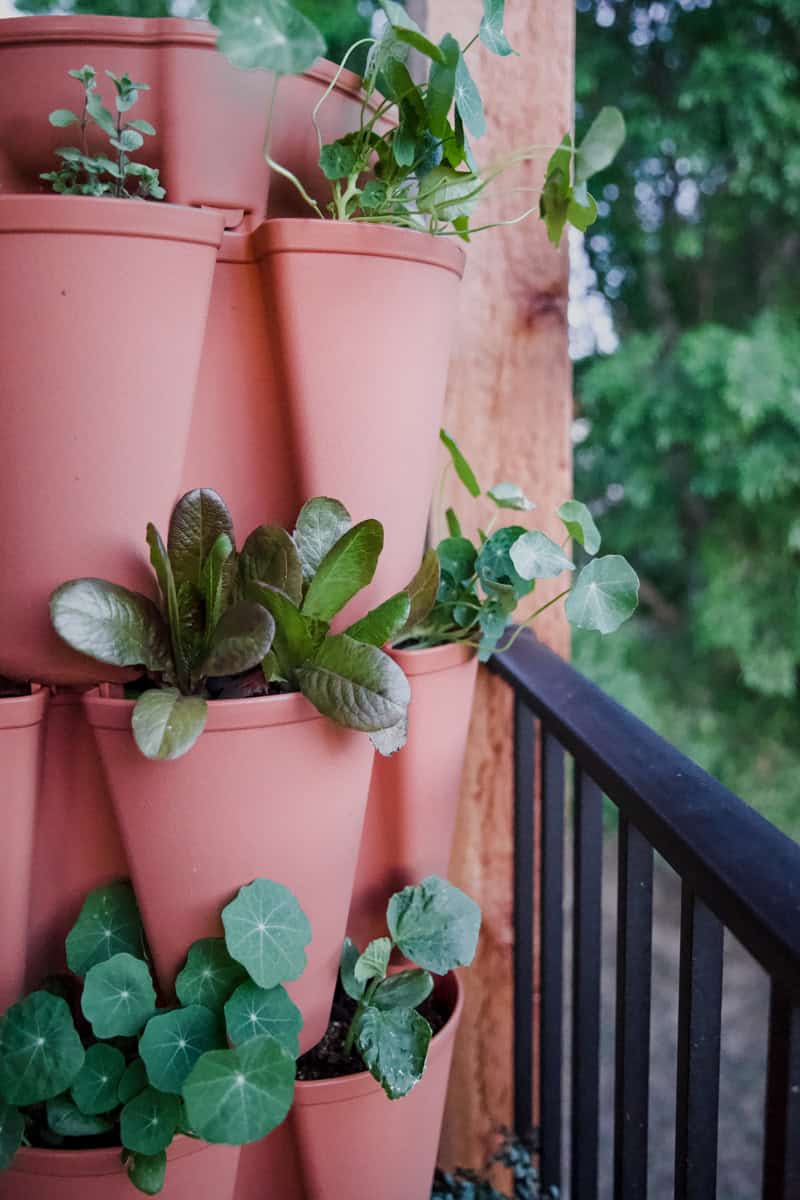
Fill the reservoir with water and mix in a balanced hydroponic nutrient solution. For fruiting plants, look for formulas with higher phosphorus and potassium content to encourage blooming and fruit set. Avoid high-nitrogen leafy green formulas, which will produce lush foliage but few fruits. Follow the manufacturer's instructions for the specific volume of your reservoir.
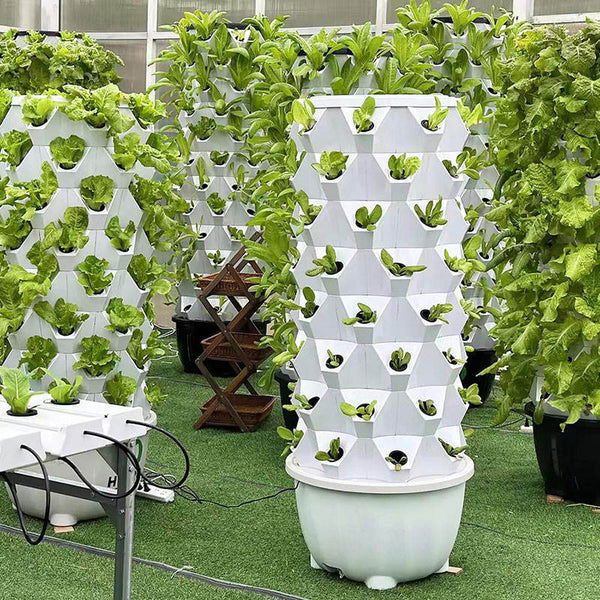
Use a digital pH meter and EC meter to check your solution. Strawberries, cucumbers, and zucchini thrive in a pH range of 5.5 to 6.5. If the pH is too high or low, the plants cannot absorb nutrients, leading to deficiencies. Adjust with pH Up or Down solutions as needed. Check these levels every three to five days, as they shift as plants consume water and nutrients.
Vertical hydroponic systems like the Tower Garden use significantly less water than traditional soil gardening because the water is recirculated. This efficiency makes indoor vertical growing a sustainable choice for fresh produce. By maintaining stable light and nutrient levels, you create the foundation for a productive indoor harvest.
Plant strawberries and cucumbers
Strawberries and cucumbers are the heavy lifters of indoor vertical gardening. Strawberries thrive in pocket-style towers, while cucumbers need vertical support to climb. Getting the planting technique right ensures the plants establish quickly without rotting or tangling.
Plant strawberries in the pockets
Start with strawberry bare-root plants or small starts. Remove any damaged leaves before planting. Make a small hole in the pocket soil and place the crown—the thick part where roots meet stems—at soil level. Burying the crown causes rot; leaving it too high dries out the roots.
Gently firm the soil around the base to eliminate air pockets. Water lightly to settle the soil. If using a rotating tower, place the plants so they face outward. This maximizes light exposure for every berry as the tower grows.
Trellis cucumbers for vertical growth
Cucumbers are vigorous climbers. They need a sturdy trellis or netting attached to your vertical structure. Plant the cucumber seedling at the base of the trellis. Bury the stem slightly deeper than it was in the pot to encourage additional root growth along the stem.
Tie the main stem loosely to the trellis using soft plant ties or garden twine. Do not tighten the tie; allow room for the stem to thicken. As the cucumber vine grows, guide it up the trellis. Prune side shoots that grow too low to keep airflow high and reduce disease risk.
Place strawberry crowns at soil level in the vertical pocket. Firm the soil around the base to remove air pockets without burying the crown.
Attach a sturdy trellis or netting to your vertical structure. Ensure it can support the weight of mature cucumber vines and fruit.
Plant cucumber seedlings at the base of the trellis. Tie the main stem loosely to the support, guiding it upward as it grows.
Train zucchini vines upward
Zucchini plants are heavy lifters. A single fruit can weigh over a pound, and the vines spread wide, often collapsing under their own weight or shading out lower leaves. When growing vertically indoors, you must treat the plant like a climbing bean rather than a sprawling bush. This approach saves floor space, improves air circulation, and keeps the fruit clean.
The process requires two things: a sturdy support structure and regular tying. Unlike cucumbers, zucchini stems are thick and brittle; they will snap if you force them into a tight coil. Instead, you need to guide them gently upward using soft ties and a trellis that can hold significant weight.
Install a heavy-duty trellis
Standard plastic plant stakes will bend or break under a mature zucchini vine. You need a structure rated for at least 50 pounds of dynamic weight. A sturdy A-frame made from 1x4 lumber or a heavy-gauge metal trellis panel works best. Ensure the base is wide enough to prevent tipping when the plant leans heavily to one side. If you are using a vertical tower system, verify that the container base is weighted with gravel or sand to lower the center of gravity.
Tie vines with soft loops
Use soft cloth strips, velcro plant ties, or flexible rubber bands to attach the vine to the trellis. Avoid wire or rough twine, which can cut into the stem as it thickens. Create loose loops around the main stem, spacing the ties every 6 to 8 inches as the vine grows. Do not pull the vine taut; allow it to hang naturally. Check these ties every few days, as zucchini stems grow rapidly and can quickly become constricted.
Prune for airflow and light
Zucchini leaves are massive and can block light from reaching lower fruits or neighboring plants. Remove any leaves that touch the ground or are fully shaded by upper foliage. This reduces the risk of powdery mildew, a common indoor issue caused by poor air circulation. Also, pinch off the very tip of the main vine once it reaches the top of your support structure. This encourages lateral branching lower down, allowing you to train multiple fruit-bearing branches along the trellis rather than just one tall, top-heavy stalk.
Support heavy fruits
As zucchini fruits swell, they become too heavy for the stem to hold without sagging. Create simple hammocks using mesh netting or old pantyhose. Tie the ends of the mesh to the trellis structure, then place the fruit inside. This prevents the stem from snapping and keeps the fruit off any surfaces, reducing rot and pest damage. Inspect these supports daily during peak harvest.
Pollinate and harvest
Indoor fruiting plants like strawberries, cucumbers, and zucchini need help setting fruit because they lack natural wind and insect pollinators. You can mimic these forces with simple manual techniques. Once pollinated, the plants will direct energy into fruit development. Watch for size, color, and texture changes to know when to pick.

Strawberries have separate male (stamen) and female (pistil) parts on the same flower. Use a small, soft paintbrush or a cotton swab to gently brush the center of each bloom. This transfers pollen from the stamen to the pistil. Do this every few days while flowers are open to ensure consistent fruit set.
These plants have distinct male and female flowers. Male flowers appear first on thin stems; female flowers have a tiny fruit bulge at the base. Pluck a male flower, remove the petals to expose the pollen-covered stamen, and gently rub it against the sticky center of a female flower. One male flower can pollinate several females.
Harvest cucumbers when they reach the variety’s expected length, usually before they turn yellow. Pick them in the morning when they are crisp and full of water. Use clean shears to cut the stem, leaving a small piece attached to the fruit to prevent rot. Frequent harvesting encourages the plant to produce more.
Zucchini grows rapidly indoors. Check plants daily once flowers appear. Harvest when the fruit is 6 to 8 inches long and the skin is tender enough to be pierced with a fingernail. If you miss the window, the fruit becomes hard and seedy, losing its sweet flavor.
Strawberries are ready when they are fully red from tip to base. The fruit should detach easily from the stem with a gentle tug. If it resists, it needs another day in the sun. Eat them immediately for the best flavor, as indoor strawberries do not continue to ripen significantly after picking.
Key Takeaways:
- Strawberries need gentle brushing of the flower center.
- Cucumbers and zucchini require moving pollen from male to female flowers.
- Harvest cucumbers and zucchini early for the best texture and flavor.
- Pick strawberries when fully red and easily detached.
Common mistakes to avoid
Even with the right setup, indoor vertical gardens for strawberries, cucumbers, and zucchini fail when basic environmental needs are ignored. These three crops are sensitive to moisture and airflow, making them prone to specific pitfalls that can ruin your harvest quickly.
Overwatering and root rot
Vertical systems drain differently than ground soil. Water runs straight through, but if the reservoir is too large or drainage holes are blocked, roots sit in stagnant water. This suffocates the root system, leading to root rot that spreads rapidly in a tower. Let the top inch of soil dry out between waterings, and ensure every pot has clear drainage.
Warning: Poor drainage in vertical towers is the leading cause of root rot. Check that water exits freely from the bottom of each module.
Insufficient light intensity
Cucumbers and zucchini are heavy feeders of light. A single standard bulb often isn’t enough for the entire vertical face. If leaves turn yellow or stems stretch thin and weak (etiolation), your light is too far away or too weak. Position LEDs 12–18 inches above the canopy and run them for 12–14 hours daily.
Poor air circulation
Stagnant air invites mold and pests. Vertical gardens pack plants closely, trapping humidity between leaves. Use a small oscillating fan to keep air moving gently across the foliage. This strengthens stems and prevents powdery mildew, a common issue in humid indoor environments.
Tilt the tower or remove the bottom tray to ensure water flows out freely. Stagnant water at the base indicates a blockage or insufficient drainage holes.
Measure the distance from the light source to the top leaves. For cucumbers and zucchini, keep lights closer (12 inches) to prevent stretching.
Place a small fan to create a gentle breeze across the plants. This mimics outdoor wind, strengthening stems and reducing humidity around leaves.
Indoor vertical gardening FAQ
Here are answers to common questions about growing strawberries, cucumbers, and zucchini vertically indoors.
Are vertical gardens suitable for indoors?
Yes, vertical gardens are highly suitable for indoor spaces. They maximize limited square footage by using wall space or freestanding towers. Systems like the Tower Garden use up to 98% less water than conventional soil gardening, making them efficient for apartment living [src-4].
What are the best vertical plants for indoors?
While leafy greens and herbs are common, fruiting plants like strawberries and cucumbers thrive vertically. Strawberries need bright light and drip irrigation. Cucumbers require sturdy trellising and consistent moisture. Zucchini is challenging but possible in large, deep containers with heavy-duty support structures [src-2].
How much light do indoor vertical gardens need?
Fruiting plants like cucumbers and zucchini need 12-14 hours of intense light daily. LED grow lights are the standard choice for indoor vertical setups. Position lights 6-12 inches above the canopy to prevent stretching and ensure robust fruit production.
Do vertical gardens drain well?
Proper drainage is critical to prevent root rot. Hydroponic vertical systems recirculate water, filtering out excess. Soil-based vertical planters must have drainage holes and saucers to catch runoff. Regularly check reservoir levels to maintain nutrient balance [src-1].
No comments yet. Be the first to share your thoughts!