

Plan your vertical garden layout
Choosing the right system depends on your floor space, ceiling height, and which crops you prioritize. Strawberries, cucumbers, and zucchini have different root depths and support needs. A mismatched layout leads to cramped roots or fallen fruit. Match the structure to the plant’s growth habit before you buy lights or soil.
Compare system types
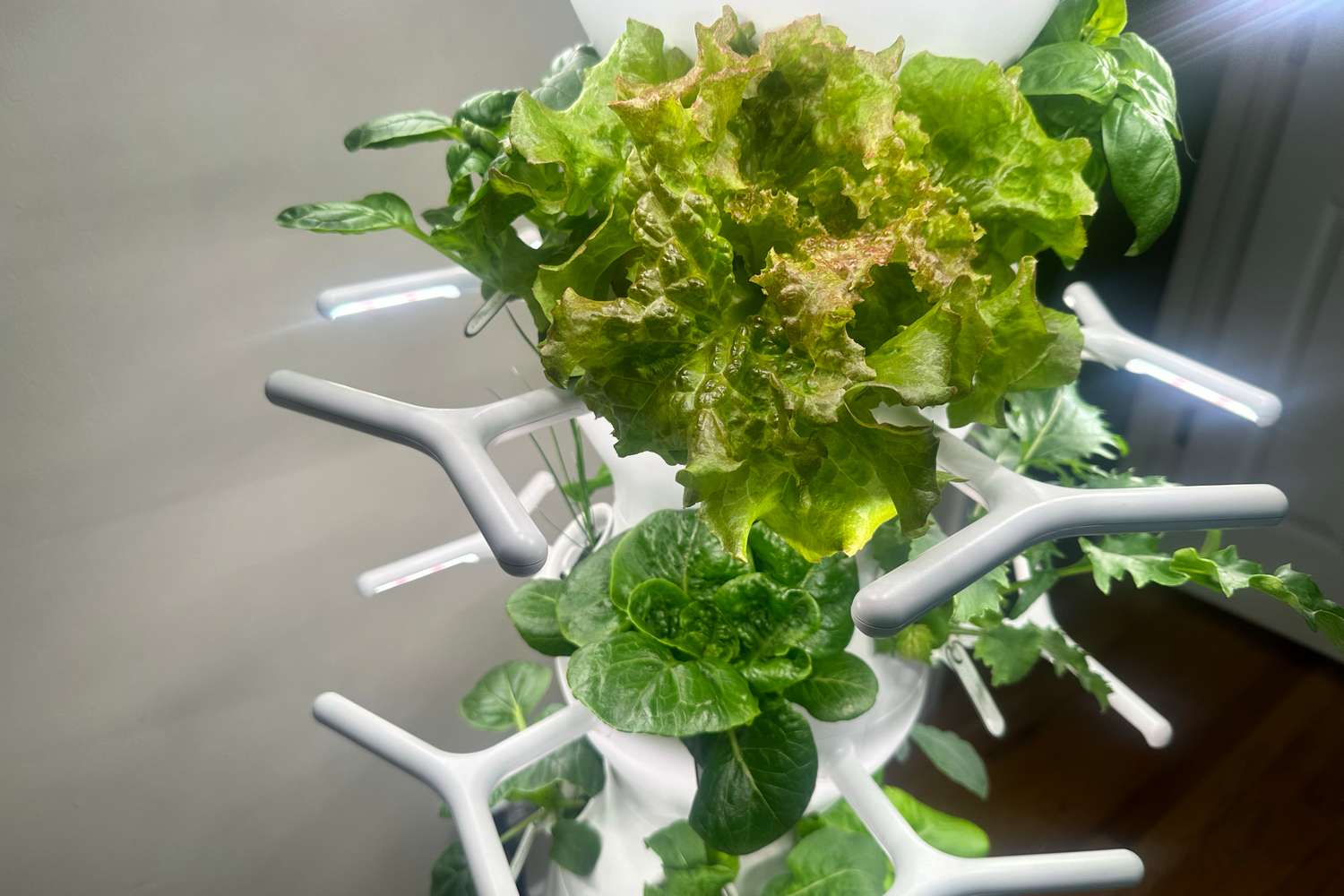
Different vertical structures handle the weight and spread of these three crops in distinct ways. Use this comparison to narrow your options based on your specific space constraints.
| System | Best For | Pros | Cons |
|---|---|---|---|
| Tower (Aeroponic/Hydroponic) | Strawberries | High yield per square foot; compact footprint | Not suitable for heavy zucchini or tall cucumbers |
| Wall Shelf (Soil/Hydro) | Cucumbers, Strawberries | Easy access; good for vining crops with trellising | Requires strong wall anchors; limited depth for zucchini |
| Freestanding Rack | Zucchini, Cucumbers | Supports heavy fruit and tall plants; stable | Takes up more floor space; harder to fit in tight corners |
| Pallet or Tiered Planter | Strawberries, Bush Cucumbers | DIY friendly; uses vertical air space | Uneven watering; limited root space for large plants |
Assess your space limits to account for
Measure your available floor area and ceiling height. Vertical gardening saves floor space but requires vertical clearance. Cucumbers and zucchini can grow several feet tall. Strawberries stay low but spread outward. Ensure you have room for airflow around the plants to prevent mold.
Set up lighting and irrigation
Light and water are the engine of your indoor vertical garden. Strawberries, cucumbers, and zucchini are heavy feeders that demand consistent energy and hydration. Without the right technical setup, your plants will struggle to fruit, regardless of how compact your space is.
Install grow lights
Position your LED grow lights directly above the top tier of your vertical system. You need full-spectrum bulbs that mimic sunlight, providing both blue light for leafy growth and red light for fruiting. For cucumbers and zucchini, intensity is everything; these plants require high light levels to produce fruit.
Mount the lights on an adjustable track or hanging kit so you can raise them as the plants grow. Keep the lights about 12 to 18 inches above the canopy. If the leaves touch the bulbs, they will burn. If they are too far away, the plants will stretch and become leggy, searching for energy.
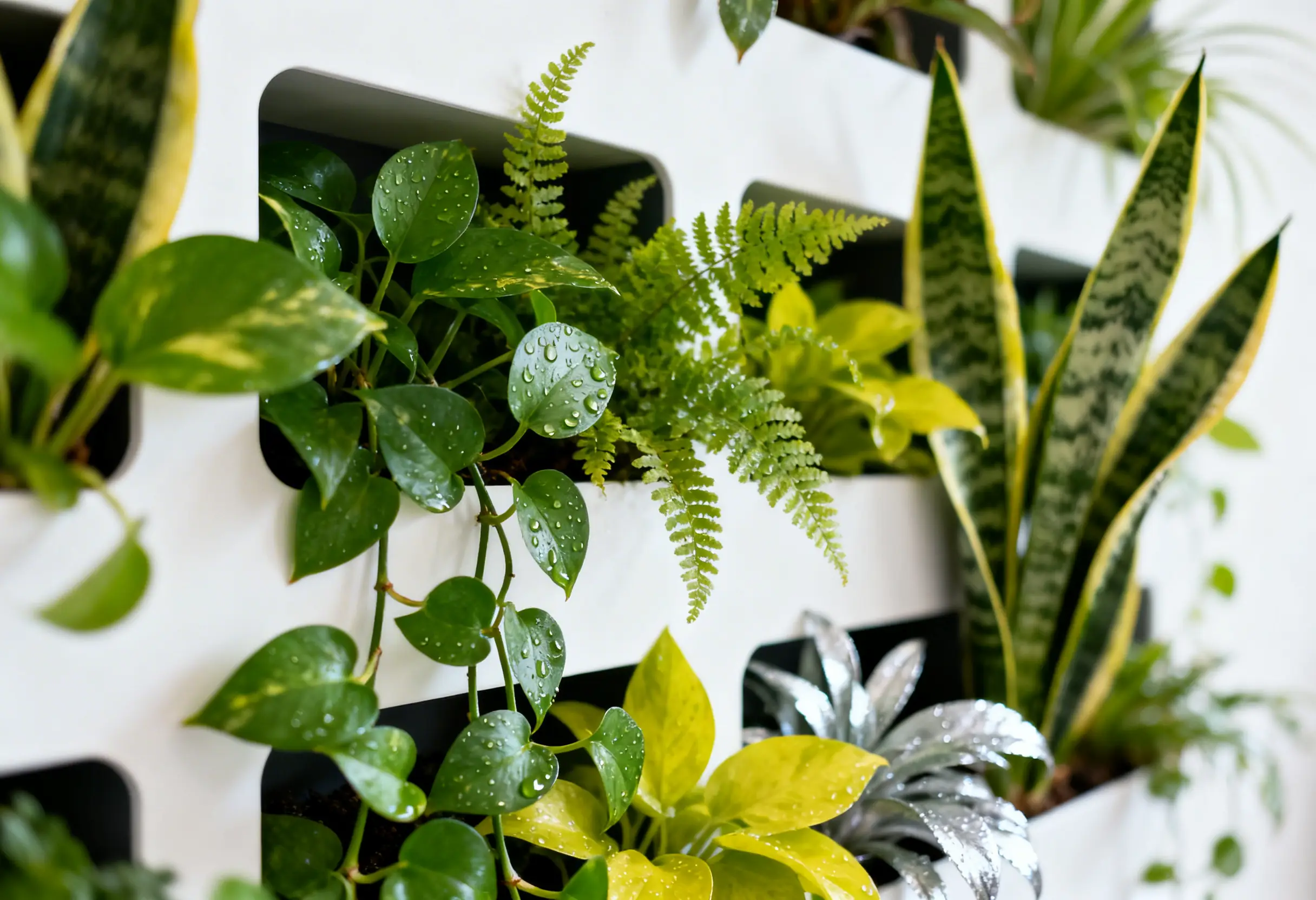
Attach your LED grow light to the vertical frame or ceiling mount. Ensure the fixture is level so all plants receive equal light exposure. Use a clamp or bracket that allows for height adjustment.
Connect the light to a digital timer. Strawberries need 12-14 hours of light, while cucumbers and zucchini thrive with 14-16 hours. Consistency is critical; plants need a dark period to rest and metabolize energy.
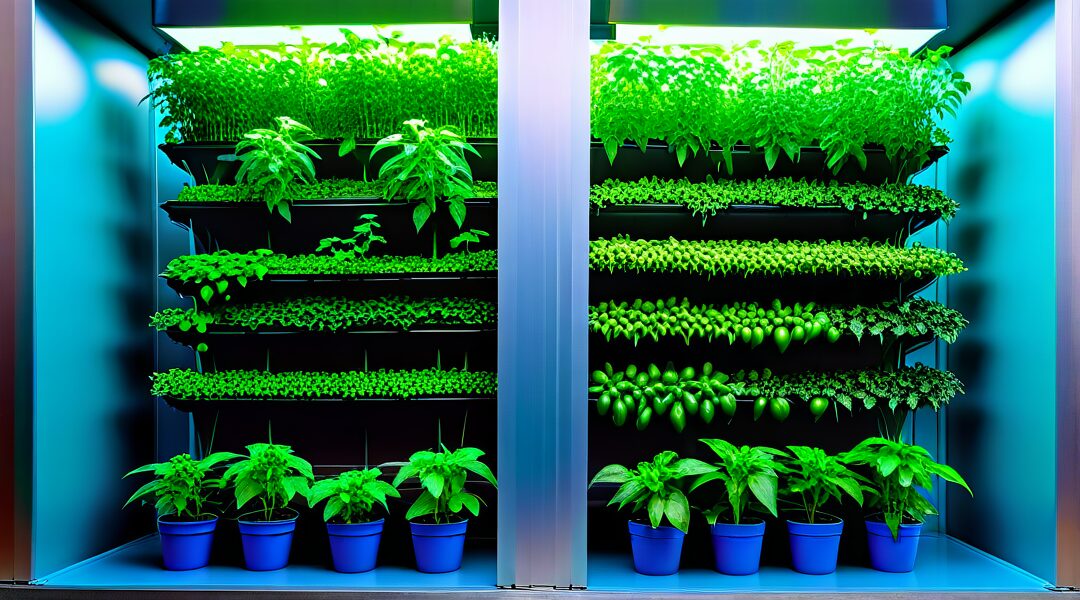
Check the light distance weekly. As cucumbers and zucchini vines expand, raise the fixture to maintain the 12-18 inch gap. This prevents heat stress and ensures the lower leaves also receive adequate illumination.
Configure the irrigation system
Vertical gardens drain quickly because gravity pulls water down through the tiers. You need a system that delivers water evenly to every level without drowning the roots. Drip irrigation is the most reliable method for compact indoor setups, ensuring each plant gets a steady, slow release of moisture.
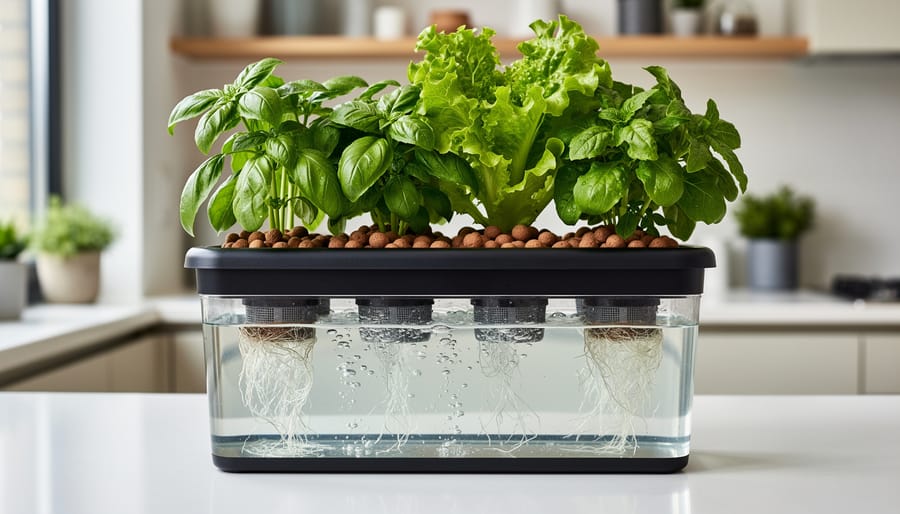
Install a small water pump connected to a reservoir at the base of your vertical tower or wall unit. Use tubing to run water up to the top tier, where it trickles down to the lower levels. Add a timer to the pump to automate watering. Most indoor vegetables prefer shallow, frequent watering rather than one long soak.
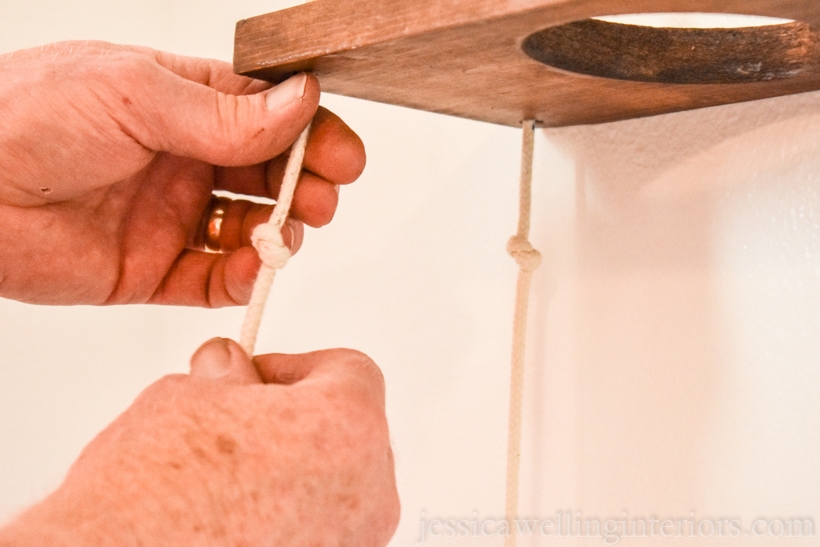
Run drip tubing along each tier of your vertical garden. Attach emitters near the base of each plant pot or pocket. This ensures water reaches the root zone directly, minimizing waste and keeping the surrounding area dry.
Place a water reservoir at the bottom of the unit. Connect the submersible pump to the main supply line. Ensure all connections are tight to prevent leaks, which can damage your floor or walls.
Run the system for 15 minutes and check each tier. Water should moisten the soil evenly but not pool at the bottom. Adjust the emitters if some plants are getting too much or too little water.
Monitor moisture and nutrient levels
Even with automated systems, you must check the soil moisture manually. Insert your finger into the top inch of soil; if it feels dry, the timer interval may need adjustment. Strawberries are particularly sensitive to both drought and waterlogging.
For cucumbers and zucchini, add a balanced liquid fertilizer to the water reservoir every two weeks. These heavy feeders require nitrogen for leaves and phosphorus for fruit. Check the pH of your water periodically, aiming for a slightly acidic range of 5.8 to 6.5 for optimal nutrient uptake.
Plant strawberries in pockets
Strawberries are the workhorse of the vertical garden. Their trailing vines look lush in the pockets, and the fruit hangs free for easy picking. Unlike leafy greens, strawberries need precise orientation to avoid shading their own neighbors.
Place the strawberry crowns in the middle row of the vertical panel. This is the sweet spot where roots get moisture without the crown sitting in standing water. Position the plant so the new leaves face outward, away from the wall. This keeps the foliage exposed to the light and airflow, preventing rot and giving you a clear view of the fruit as it ripens.
Loosen the root ball gently. Fill the pocket with moist potting mix, leaving a small depression in the center for the crown.
Place the plant so the crown sits level with the soil surface. Burying the crown causes rot; leaving it too high dries out the roots.
Tuck the leaves so they point away from the vertical structure. This maximizes light exposure and keeps the fruit hanging freely in the room.
Press the soil gently around the base to remove air pockets. Water thoroughly until it drains from the bottom of the pocket.
Spacing matters more than you might think. If you pack the pockets too tightly, the vines will tangle, creating a humid microclimate that invites powdery mildew. Leave at least one empty pocket between strawberry plants to allow air to circulate through the foliage.
After planting, keep the soil consistently moist but not soggy. Strawberries in vertical systems dry out faster than those in ground beds because the pockets are exposed on all sides. Check the top inch of soil daily; if it feels dry, give the pocket a quick drink.
Train cucumbers and zucchini
Cucumbers and zucchini are heavy lifters in a compact vertical garden. Without support, their vines sprawl and their fruit drags, which can snap the structure or rot against the growing medium. Training them upward keeps the canopy organized, improves airflow, and makes harvesting easier. Treat this as a gentle guiding process rather than a rigid tie-down.
Attach a trellis, netting, or vertical stakes to your shelving unit before the plants outgrow their pots. A 48-inch wide rack with 18-inch depth allows for double-row planting, so ensure your supports are anchored securely to the frame. The structure must hold the weight of mature leaves and fruit without wobbling.
As soon as cucumber or zucchini vines reach the base of your support, gently wrap them around the mesh or stake. Use soft plant ties or twist ties, leaving enough room for the stem to expand. Do not pull or force the vine; let it find its own grip if using a netting system.
Check your plants every few days. Tie new growth to the support structure to keep it climbing vertically rather than sprawling sideways. Remove any yellowing lower leaves to direct energy toward fruit production and reduce humidity around the base, which helps prevent fungal issues in indoor environments.
The goal is to create a living wall that supports itself. By keeping the vines off the ground and organized, you maximize the light each leaf receives and prevent the heavy zucchini fruits from pulling the plant down. Consistent, gentle training is more effective than trying to correct a tangled mess later.
Prune and Feed to Maximize Yield
Healthy vertical gardens require consistent maintenance. Without regular pruning and nutrient management, your strawberries, cucumbers, and zucchini will become overcrowded, leading to poor air circulation and disease. Think of your vertical system as a high-performance engine; pruning is the tune-up that keeps airflow clear, while nutrients are the fuel that drives fruit production.
Prune for Airflow and Light
Start by removing dead or yellowing leaves immediately. These leaves block light from reaching lower foliage and create humid pockets where mold thrives. For cucumbers and zucchini, trim away any side shoots that grow directly from the main stem below the first fruit set. This directs the plant’s energy toward fruit development rather than unnecessary vegetative growth.
For strawberries, remove runners as soon as they appear. Runners drain energy from fruit production and can quickly tangle your vertical pockets. If you see flowers on young plants, pinch them off for the first few weeks. This forces the plant to establish a strong root system before committing energy to fruit. Regularly inspect the undersides of leaves for pests, removing any affected foliage by hand to prevent infestation.
Manage Nutrient Levels
In a vertical hydroponic or aeroponic system, nutrients are delivered directly to the roots, so monitoring levels is critical. Check your Electro Conductivity (EC) levels weekly. Most leafy greens and herbs thrive at an EC of 1.2–1.8, while fruiting plants like strawberries, cucumbers, and zucchini require higher levels, typically between 2.0 and 2.5.
Adjust your nutrient mix based on the plant’s growth stage. During the vegetative phase, use a formula higher in nitrogen. Once flowering begins, switch to a bloom booster with higher phosphorus and potassium. Always use fresh, pH-balanced water when topping off your reservoir. Stale water loses oxygen, which can suffocate roots and halt growth. Keep a simple log of your nutrient changes and plant responses to refine your routine for the next harvest.
Troubleshoot common vertical garden issues
Vertical systems concentrate resources, which means small imbalances in water or light affect plants faster than in ground beds. When strawberries yellow, cucumbers drop flowers, or zucchini stall, the cause is usually one of three things: light intensity, watering rhythm, or nutrient balance. Check these areas first to get your compact indoor vertical garden productive again.
Fix bottom leaf yellowing
Yellowing starts at the base when the plant’s roots stay wet too long or when lower leaves are starved of light. In vertical towers, the bottom tiers receive the least direct illumination. Trim away the oldest, fully yellow leaves to redirect energy upward. If the growing medium feels soggy, pause the watering cycle for 24 hours and ensure the pump isn’t flooding the reservoir. Yellowing is often a sign of nitrogen deficiency, but in vertical setups, it is more frequently a drainage issue. Improve airflow around the base and let the root zone dry slightly between cycles.
Resolve poor fruit set
Strawberries and cucumbers need consistent pollination to set fruit. Indoor vertical gardens lack wind and bees, so manual pollination is necessary. Use a small, soft paintbrush to gently touch the center of each open flower for 10–15 seconds. This transfers pollen from the stamen to the pistil. If flowers drop without fruit, check light duration. These crops need 12–14 hours of full-spectrum light daily. Short days or weak LED intensity cause the plant to abort flowers to conserve energy. Increase light intensity or extend the photoperiod.
Address zucchini stalling
Zucchini grows fast and demands high nutrient levels. If leaves turn pale green and growth slows, the nutrient solution is likely too dilute. Increase the EC (electrical conductivity) of your reservoir by 0.2–0.4 mS/cm. Also, check for root rot. Vertical systems can develop anaerobic zones if water stagnates. Inspect the roots for brown, mushy textures. If rot is present, trim affected roots, rinse the reservoir, and add a hydrogen peroxide treatment to oxygenate the water.
Indoor vertical gardening FAQ
These answers address common questions about growing strawberries, cucumbers, and zucchini in compact indoor vertical setups.
Can you grow strawberries, cucumbers, and zucchini vertically indoors?
Yes, all three thrive in vertical systems, but they have different space requirements. Strawberries are the easiest vertical candidates; their runners drape naturally from pockets or towers. Cucumbers need trellising or hanging vines to keep fruit off the ground. Zucchini is the most challenging because of its broad leaves and heavy fruit, but compact varieties can succeed in wide vertical planters with strong grow lights.
What is the best vertical system for these plants?
Hydroponic towers or stackable planter walls work best for strawberries. For cucumbers and zucchini, a shelving unit with adjustable grow lights and deep containers is more practical. The system must support the weight of mature plants and provide consistent moisture. Avoid shallow vertical pockets for cucumbers and zucchini, as their roots need room to establish.
Do these plants need special lighting indoors?
Yes. Strawberries need at least 12 hours of bright light daily. Cucumbers and zucchini are heavy feeders and require high-intensity light to produce fruit. LED grow lights positioned 6–12 inches above the canopy are ideal. Without sufficient light, these plants will stretch and produce little to no fruit.
How much water do vertical indoor gardens use?
Vertical hydroponic systems use up to 90% less water than traditional soil gardening because water recirculates through the system. You only add water when the reservoir level drops. This makes vertical gardening efficient for small indoor spaces where water conservation matters.
What are the most common mistakes in indoor vertical gardening?
Overwatering is the top mistake. Vertical systems drain quickly, but roots still need oxygen. Another error is placing plants too far from lights, which causes weak growth. Finally, neglecting pollination indoors means cucumbers and zucchini won’t fruit. Use a small brush to transfer pollen between flowers manually.
Checklist for your first harvest
Before you reach for the first strawberry or cucumber, run through this final verification. Indoor vertical systems for strawberries, cucumbers, and zucchini require precise balance. A quick check prevents the most common early-season failures.
- Light hours: Verify your LEDs are set to 12–16 hours daily. Cucumbers and zucchini need high intensity; strawberries need consistent duration.
- Nutrient levels: Check your EC meter. Strawberries prefer 1.2–1.8 EC, while cucumbers and zucchini thrive at 1.8–2.4 EC. Adjust your reservoir accordingly.
- Pruning: Remove lower leaves on cucumbers and zucchini to improve airflow. Pinch off excess strawberry runners to direct energy into fruit production.
- Support structures: Ensure cucumber vines are tied to vertical trellises. Zucchini leaves can block lower lights if left unmanaged.
- Pollination: If your system is indoors, manually pollinate zucchini and cucumber flowers using a small brush or by gently shaking the vines.
No comments yet. Be the first to share your thoughts!