

Get indoor vertical gardening right
Start Vertical Gardening with the constraint that matters most in real life: space, timing, budget, skill level, maintenance, or availability. That first constraint should shape the rest of the plan instead of appearing as an afterthought.

Fix common vertical gardening mistakes
Even with the right setup, three habits will kill your harvest before it starts. Vertical systems for strawberries, cucumbers, and zucchini are less forgiving than soil beds because the root zone is small and the water cycle is fast. Spot these errors early to keep your plants productive through 2026.
Watering too lightly or too heavily
Vertical towers drain quickly, so light misting never reaches the roots. Check the reservoir daily; the water level should stay within the marked range. If the nutrient solution looks cloudy or smells sour, dump it and start fresh. Clear, oxygenated water keeps roots from rotting.
Ignoring humidity and airflow
Indoor cucumbers and zucchini sweat heavily. Stagnant air invites powdery mildew and mold within days. Place a small oscillating fan to move air across the leaves, not directly at the stems. If you run LED grow lights, keep a hygrometer nearby and aim for 40–60% relative humidity.
Skipping pruning and training
Zucchini leaves can shade out fruit, and cucumber vines will tangle the support structure if left alone. Pinch off yellowing lower leaves weekly. Tie cucumber tendrils loosely to vertical strings or trellis mesh. This opens the canopy so light and air reach every part of the plant.
Using the wrong light schedule
Strawberries need 12–14 hours of light to fruit; cucumbers and zucchini thrive on 14–16 hours. Running lights 24/7 stresses the plants and reduces yield. Set a timer to give them a dark period for respiration. Consistency matters more than intensity.
Overfeeding or underfeeding
Vertical systems concentrate nutrients, so salts build up fast. Test your electrical conductivity (EC) weekly. For strawberries, keep EC between 1.2 and 1.8 mS/cm. For cucumbers and zucchini, aim for 1.8 to 2.4 mS/cm. If leaves curl or brown at the edges, flush the system with plain water to reset the balance.
Choosing the wrong variety
Not all strawberries, cucumbers, or zucchini fit vertical growth. Look for compact, bushy, or dwarf varieties labeled "patio" or "vertical." Standard zucchini plants can grow six feet wide and will crush a tower. Selecting the right genetics is the first step to a successful indoor harvest.
Indoor vertical gardening: what to check next
Before investing in a vertical system for strawberries, cucumbers, and zucchini, it helps to understand the physical constraints of growing upward. These crops have specific needs that standard flat gardening doesn't account for, particularly regarding weight distribution and light penetration.
Can I grow zucchini vertically indoors?
Yes, but zucchini requires a robust support structure. Unlike leafy greens, zucchini vines are heavy and produce large, dense fruits that can snap weak trellises. You need a sturdy A-frame or heavy-duty netting anchored securely to the floor. Additionally, zucchini plants are large; ensure your vertical space accommodates a spread of at least three feet per plant to prevent shading out lower crops.
How much light do vertical strawberry plants need?
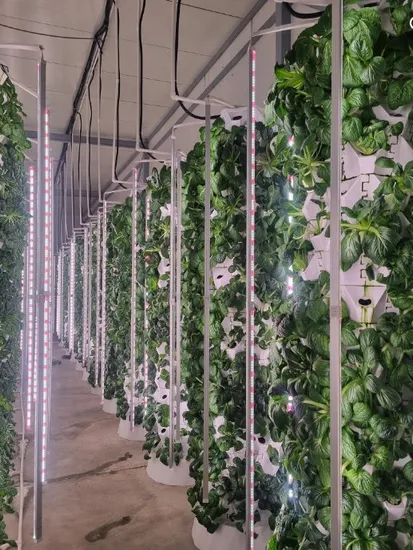
Strawberries grown vertically often receive less light than those in flat beds because upper tiers block the lower ones. You need full-spectrum LED grow lights positioned 6–12 inches above the canopy. If you are using a tower system, rotate the plants weekly or use omnidirectional lighting to ensure all berries get the 12–14 hours of light they need to sweeten and fruit properly.
Do vertical gardens use less water than traditional beds?
Hydroponic vertical systems, which are common for indoor growing, use significantly less water—often up to 90% less than soil-based gardening. The water recirculates through the system, reducing evaporation and runoff. However, this requires consistent monitoring; if the pump fails, plants in vertical towers can dry out much faster than those in soil, which retains moisture longer.
What is the biggest mistake beginners make?
Overcrowding is the most common error. Vertical systems look efficient, but cucumbers and zucchini need airflow to prevent powdery mildew. If you pack too many plants into a small footprint, humidity spikes and disease spreads quickly. Stick to one or two cucumber vines per vertical unit and ensure at least six inches of space between plants for air circulation.
No comments yet. Be the first to share your thoughts!