
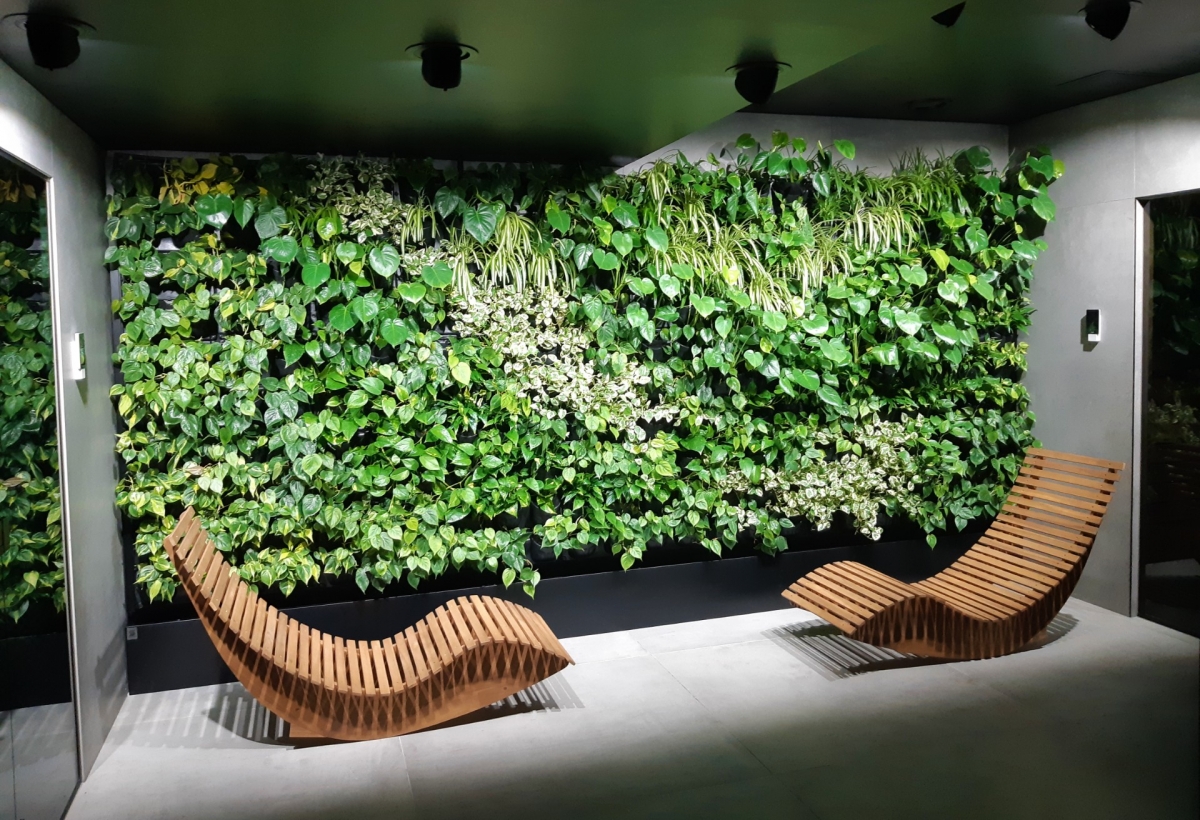

Get indoor vertical gardening right
Start indoor vertical gardening by identifying the single constraint that matters most in your home: space, light availability, budget, or maintenance tolerance. That constraint should shape your system choice rather than appearing as an afterthought. Keep the initial setup simple enough to verify quickly. Compare options against realistic criteria, remove choices that only work in ideal conditions, and save optional upgrades for later.
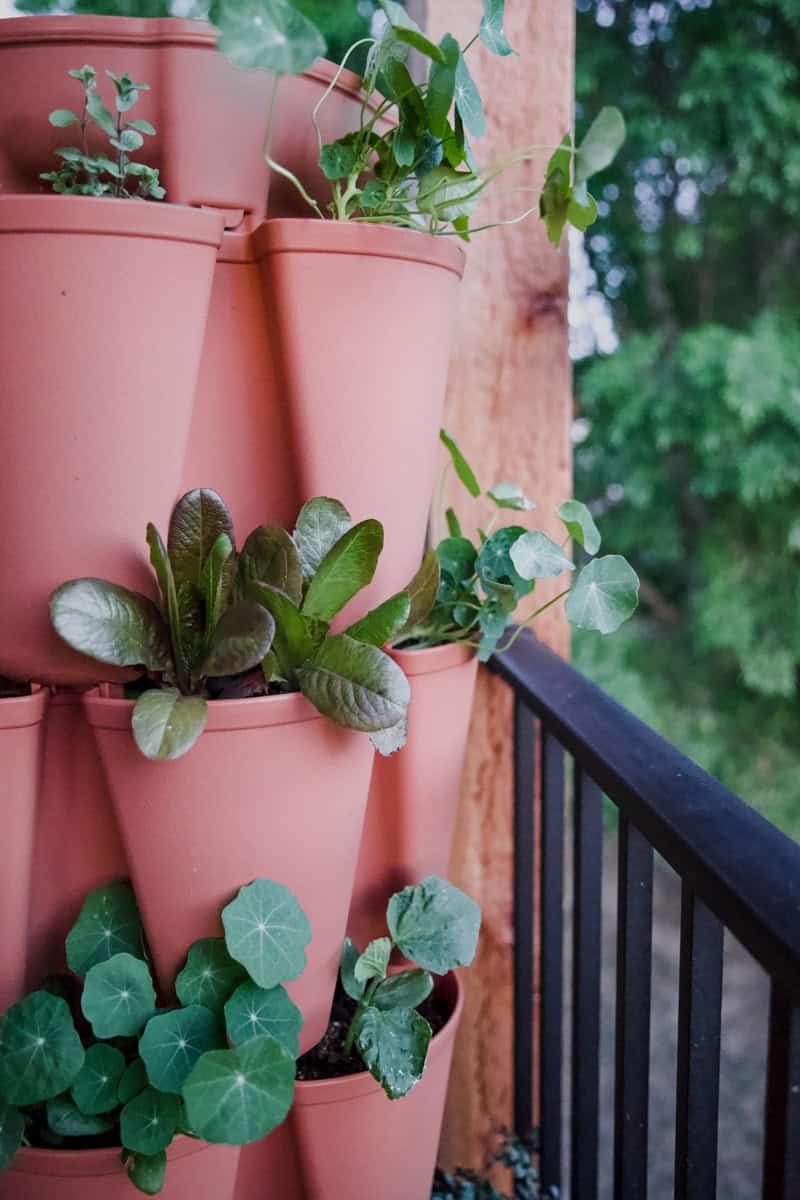
Common indoor vertical gardening mistakes
Even with the right equipment, indoor vertical gardens often fail because growers ignore the specific needs of strawberries, cucumbers, and zucchini. These plants are not just "small vegetables"; they have distinct root depths, light requirements, and pollination needs that a generic tower setup might miss.
Ignoring pollination needs
Indoor environments lack the natural wind and insect vectors found outdoors. Strawberries and cucumbers require pollination to produce fruit. Without bees, you must manually transfer pollen using a small brush or by gently shaking the flowering vines. Skipping this step results in blossoms that drop off without forming any fruit, leaving you with a lush green tower and no harvest.
Overcrowding for space
Vertical systems maximize height, not density. Placing too many plants in a single pocket starves the roots of oxygen and nutrients. Zucchini, in particular, has a massive root system and large leaves that need air circulation. Crowding leads to rapid disease spread and stunted growth. Follow the manufacturer’s plant count limits strictly; it is better to have fewer healthy plants than a tangled mess of struggling ones.
Inconsistent moisture levels
Vertical towers drain faster than traditional pots, but they are also prone to dry spots if the pump fails or the emitter clogs. Strawberries hate having their roots soggy, yet they wilt quickly if dry. Cucumbers need constant moisture to prevent bitter fruit. Check the reservoir daily and ensure the pump is running. A simple timer can help maintain a consistent cycle, preventing the stress that leads to poor yields.
Indoor vertical gardening: what to check next
Vertical gardening transforms small footprints into productive growing zones, but it requires specific conditions to work. The following answers address the most common practical objections before you invest in a system.
Are vertical gardens suitable for indoors?
Yes, vertical gardens are highly suitable for indoor environments. They are particularly effective in apartments or homes with limited floor space, allowing you to grow crops like strawberries, cucumbers, and zucchini without sacrificing living area. Success depends on providing adequate light and managing humidity, but the space efficiency is unmatched.
Do vertical gardens need artificial light?
Indoor vertical gardens almost always require artificial grow lights, especially for fruiting crops like cucumbers and zucchini. While leafy greens can tolerate lower light levels, fruiting plants need 10-14 hours of intense light daily to produce yields. Without proper LED grow lights, your plants will become leggy and fail to fruit.
What is the most common mistake in vertical gardening?
The most common mistake is overwatering or poor drainage. In a vertical setup, water flows downward, so if the lower tiers are not drained properly, roots can rot. Additionally, using standard potting soil is usually a mistake; most vertical systems use soilless media or hydroponic nutrients to prevent clogging the pumps and drip lines.
How much space does a vertical garden take up?
A typical vertical garden footprint is minimal, often occupying less than two square feet of floor space. Systems range from small countertop units for herbs to large tower gardens that fit in a corner. The height can reach six feet or more, utilizing the vertical dimension of a room rather than its horizontal area.
No comments yet. Be the first to share your thoughts!