

Vertical gardens in 2026
Indoor vertical gardening is experiencing a real surge in popularity, and I think it’s going to continue. More and more people are living in urban areas with limited outdoor space, and many are seeking a closer connection to their food sources. A vertical garden, simply put, is a method of growing plants in vertically arranged layers. This can take many forms, from simple stacked planters to complex, technologically advanced systems.
While the idea of growing plants upwards isn't new – think of ancient hanging gardens – it’s becoming increasingly accessible to the average homeowner. What’s changing is the technology and the consumer demand. People want fresh produce, beautiful indoor greenery, and a sustainable lifestyle, and vertical gardens offer a way to achieve all of those things, even in a small apartment. We’re seeing a move away from purely decorative applications toward actively productive systems.
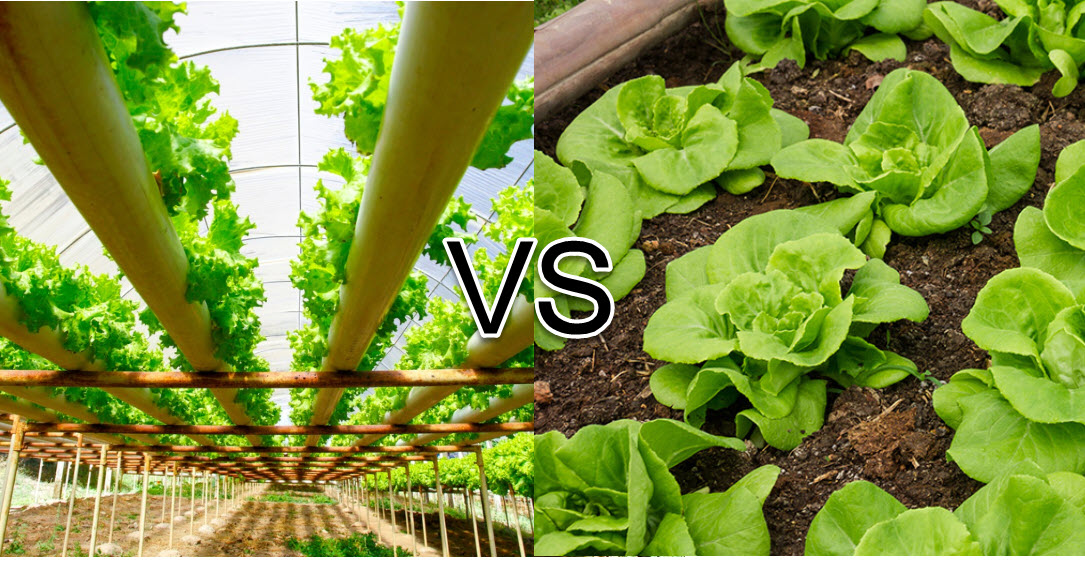
The big question now isn’t if vertical gardening will continue to grow, but how. Specifically, which method will come out on top: traditional soil-based systems or the increasingly sophisticated world of hydroponics? Both have their advantages, and the best choice really depends on your individual needs and resources. I think by 2026, we’ll see a clearer delineation of where each method excels, and a growing hybrid approach as well.
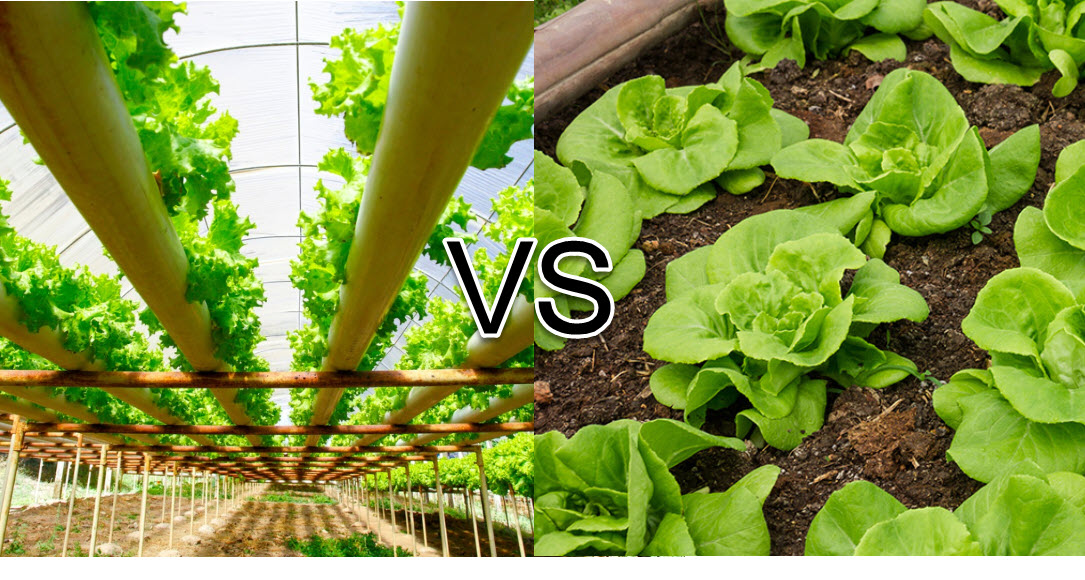
The soil approach
Soil-based vertical gardens are what most people picture when they first think of growing plants vertically. This involves using soil as the growing medium within stacked planters, wall pockets, or tiered systems like those offered by GreenStalk Garden. It’s a straightforward approach, leveraging the gardening knowledge most people already have.
One of the biggest pros is the lower initial cost. You can start small with a few inexpensive planters and some potting mix. Supplies are readily available at any garden center, and the learning curve is relatively gentle. It feels…natural. However, soil-based systems aren’t without their drawbacks. They can be quite heavy, especially when watered, which might be a concern for some walls or structures.
Another issue is the potential for mess. Soil can spill, and it’s prone to attracting pests and diseases. You’ll also need to water and fertilize more frequently, as soil doesn’t retain nutrients as effectively as some other mediums. Maintaining proper drainage is also critical to avoid root rot. I've found that choosing a high-quality potting mix specifically designed for containers can make a big difference in managing these challenges.
Hydroponics and tech
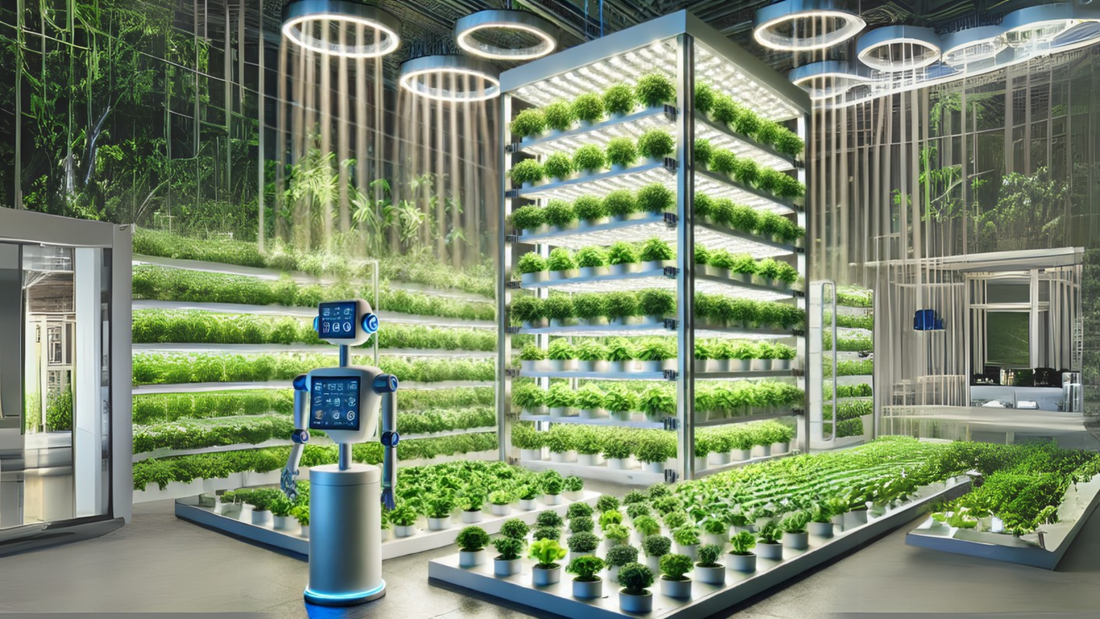
Hydroponic vertical gardening represents a more technologically advanced approach. Instead of soil, plants are grown in nutrient-rich water solutions. There are several different hydroponic systems commonly used in vertical gardens, including Nutrient Film Technique (NFT), where a shallow stream of nutrient solution flows over the roots; deep water culture, where roots are suspended in an aerated nutrient solution; drip systems, which deliver nutrient solution directly to the base of each plant; and wicking systems, which use a wick to draw nutrient solution up to the roots.
Hydroponics saves water by recirculating the same reservoir for weeks. Because roots sit directly in a nutrient solution, growth is faster. A 2023 trial by the University of Arizona's Controlled Environment Agriculture Center showed leafy greens can hit harvest weight 30% faster than in soil.
However, hydroponics isn’t a magic bullet. The initial investment is higher, as you’ll need to purchase pumps, reservoirs, grow lights, and nutrient solutions. It also requires a bit more technical knowledge to set up and maintain. You’ll need to monitor pH levels and nutrient concentrations regularly. A power outage can be a serious issue if your system relies on a pump to oxygenate the nutrient solution. It’s a steeper learning curve, but the potential rewards are substantial.
Different systems also require different levels of attention. NFT systems, for example, need consistent power to keep the nutrient film flowing, while deep water culture systems require regular aeration. Drip systems and wicking systems are generally more passive, but still require monitoring of nutrient levels.
Comparing costs
Let’s talk money. The cost of setting up a vertical garden varies dramatically depending on the size, complexity, and method you choose. A small, soil-based system with a few stacked planters might cost as little as $50-$100 to get started. A larger, more elaborate system could easily reach $300 or more.
Hydroponic systems generally have a higher upfront cost. A basic NFT system for a small wall could range from $200-$500, while a more sophisticated deep water culture system with grow lights and a timer could cost $600 or more. The price continues to climb with system size and automation. Ongoing costs also differ.
Soil systems have low entry costs but high recurring weight and mess. You'll spend about $20 a year on fresh potting mix for a standard 5-tier tower. Hydroponic systems cost more upfront—usually $400 for a reliable vertical NFT setup—and add roughly $5 to your monthly power bill for the pump and basic LED array.
Hydroponic vs. Soil Vertical Gardens: Cost Comparison (Estimated 5-Year Ownership)
| Cost Category | Soil Vertical Garden | Hydroponic Vertical Garden |
|---|---|---|
| Initial Setup | Medium | High |
| Ongoing Maintenance | Medium | Low |
| Electricity Costs | Low | Medium to High |
| Water Usage | Medium | Low |
| Nutrient Costs | Low to Medium | Medium to High |
| Space Requirements | Medium | Low |
| Potential Yield | Medium | Medium to High |
| Total Cost (5-Year Estimate) | Medium | Medium |
Illustrative comparison based on the article research brief. Verify current pricing, limits, and product details in the official docs before relying on it.
Popular Plants for Vertical Gardens
- Strawberries - Requires full sun (or grow lights), well-draining soil, and regular fertilization. Expect approximately 0.5-1 pound of berries per plant annually in a vertical garden setup.
- Lettuce (Leaf Varieties) - Thrives in hydroponic systems with consistent moisture and nutrient supply. Multiple harvests are possible, yielding a continuous supply of leaves.
- Herbs (Basil, Mint, Parsley) - Adaptable to both soil and hydroponic systems. Benefit from ample light and regular pruning to encourage bushy growth. Yield varies greatly based on variety and care.
- Spinach - Prefers cooler temperatures and consistent moisture. Hydroponics allows for precise control of these conditions, leading to faster growth and higher yields. Expect around 1-2 pounds per plant per season.
- Tomatoes (Dwarf/Determinate Varieties) - Best suited for soil-based vertical gardens with strong support structures. Require full sun and regular watering/fertilizing. Yields depend heavily on variety, but expect several pounds per plant.
- Cucumbers (Bush/Compact Varieties) - Can be grown in either system, but benefit from the consistent moisture of hydroponics. Require support for climbing. Expect 5-10 cucumbers per plant.
- Zucchini (Compact Varieties) - Best in soil, needing ample space for root development and a sturdy support system. Requires full sun and consistent watering. Yields can be substantial (several pounds per plant).
- Pothos (Epipremnum aureum) - A low-maintenance houseplant thriving in both soil and hydroponic setups. Tolerates low light and infrequent watering. Primarily grown for foliage, not yield.
Featured Products

Grows up to 30 plants · Hydroponic system · Integrated LED grow lights
This comprehensive hydroponic system offers a high-capacity, automated solution for indoor vertical gardening.
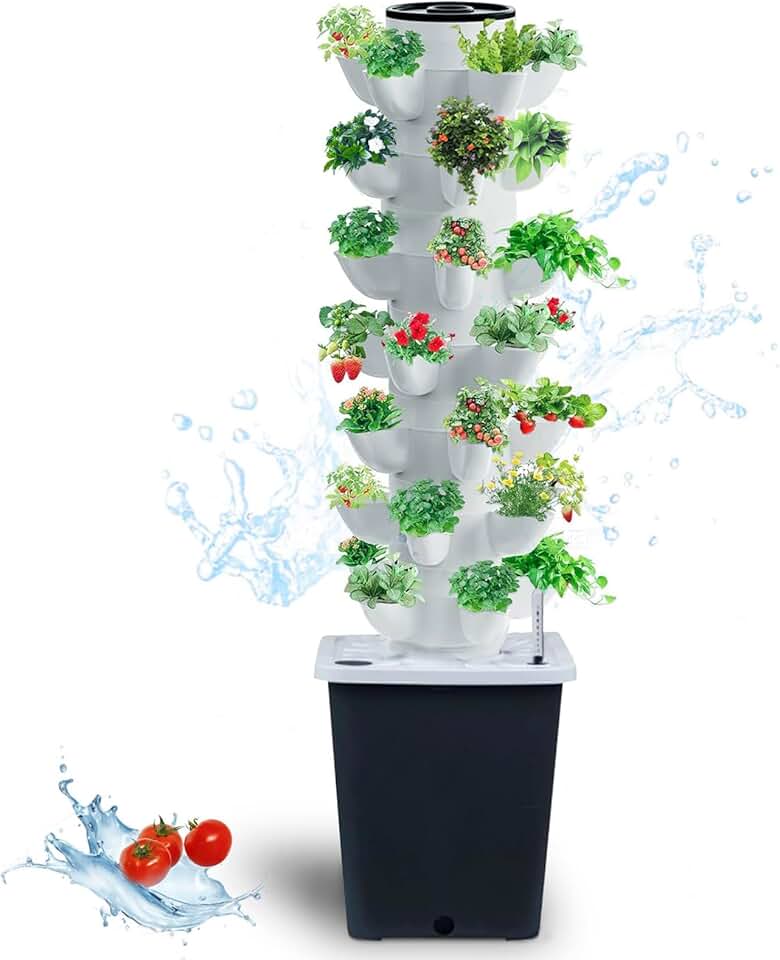
Grows up to 35 plants · Hydroponic system · Includes pump and movable water tank
This affordable hydroponic tower provides a large growing capacity and essential components for indoor vegetable cultivation.
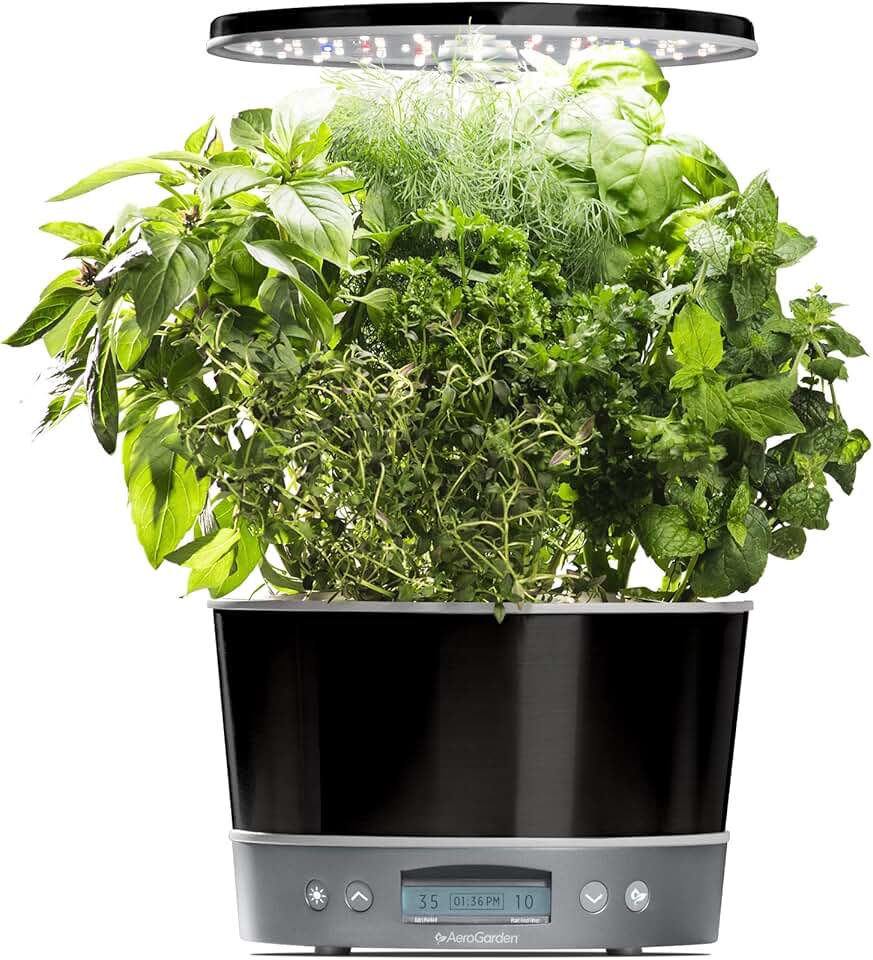
Holds up to 6 pods · Hydroponic system · Integrated LED grow light
An excellent entry-level hydroponic system for beginners looking to grow herbs indoors with minimal effort.
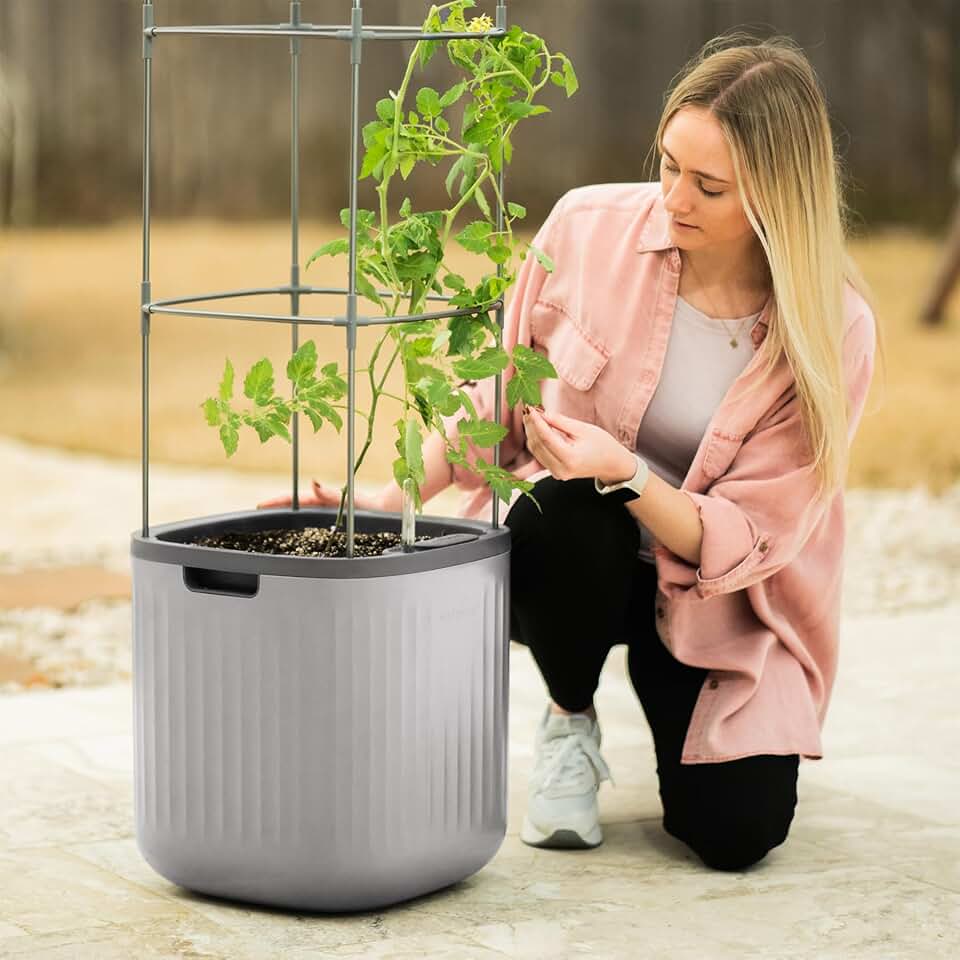
Self-watering system · Suitable for indoor and outdoor use · Includes trellis
These soil-based planters offer a practical self-watering solution for growing a variety of plants, indoors or out.

5-tier vertical design · Patented internal watering system · Suitable for various plants
This soil-based vertical planter is designed for efficient watering and maximizing yield in a compact, multi-tiered structure.
As an Amazon Associate I earn from qualifying purchases. Prices may vary.
No comments yet. Be the first to share your thoughts!