

Indoor gardens are changing
Unpredictable weather makes outdoor gardening a gamble. Between heat waves and weird winters, I've started moving more of my focus inside. It isn't just about decor anymore; it's about keeping plants alive when the local climate won't cooperate.
Indoor gardening isn’t new, of course. But it's shifting from a hobby to a practical response to climate instability. It’s about having access to fresh food, clean air, and a little bit of nature, even when the climate outside isn’t cooperating. And that’s why "low maintenance’ isn"t simply about convenience anymore. It's about choosing plants that can handle a bit of stress, adapt to less-than-ideal conditions, and continue to thrive.
We're moving past the idea of perfectly curated indoor jungles requiring constant attention. The focus now is on resilience – selecting plants that can tolerate fluctuations in temperature, humidity, and light, and that won't demand every spare moment. It's about working with nature, not against it, even within the confines of our homes. It's a different approach, and one I think is really important for the future of gardening.
How to spot a resilient plant
When we talk about "climate resilience’ for indoor plants, we’re really talking about a plant"s ability to cope with variations in its environment. The biggest factors are temperature, humidity, and light, but airflow and even the type of water you use can play a role. A resilient plant isn't necessarily one that loves extremes, but one that can tolerate them without significant stress.
Observing your plant is key. Drooping leaves can indicate both underwatering and overwatering, so you need to consider the context. Brown, crispy edges often signal low humidity or too much direct sunlight. Yellowing leaves are a bit more complicated, and can point to nutrient deficiencies, pests, or improper watering. Learning to read these signals takes time, but it’s the most valuable skill an indoor gardener can develop.
Matching a plant’s needs to your home environment is also crucial. A south-facing window offers bright, direct light, while a north-facing window provides only indirect light. A dry apartment will require more humidity-loving plants or supplemental humidity. Don't try to force a plant to thrive in conditions it isn’t suited for; it’s far better to choose varieties that will naturally do well in your space. This isn’t a rigid science, but a process of observation and adjustment.
15 plants that handle stress
Here are 15 plants that I've found to be remarkably resilient and easy to care for, even with fluctuating indoor conditions. They’re all relatively forgiving, and can tolerate a bit of neglect. I’ve included details on their light, water, and humidity preferences, along with a note on what makes them particularly well-suited for our changing climate.
- Snake plant (Sansevieria trifasciata). These are nearly impossible to kill. They handle low light and you only need to water them when the soil is bone dry. They store water in their leaves, so they don't mind if you forget them for a month.
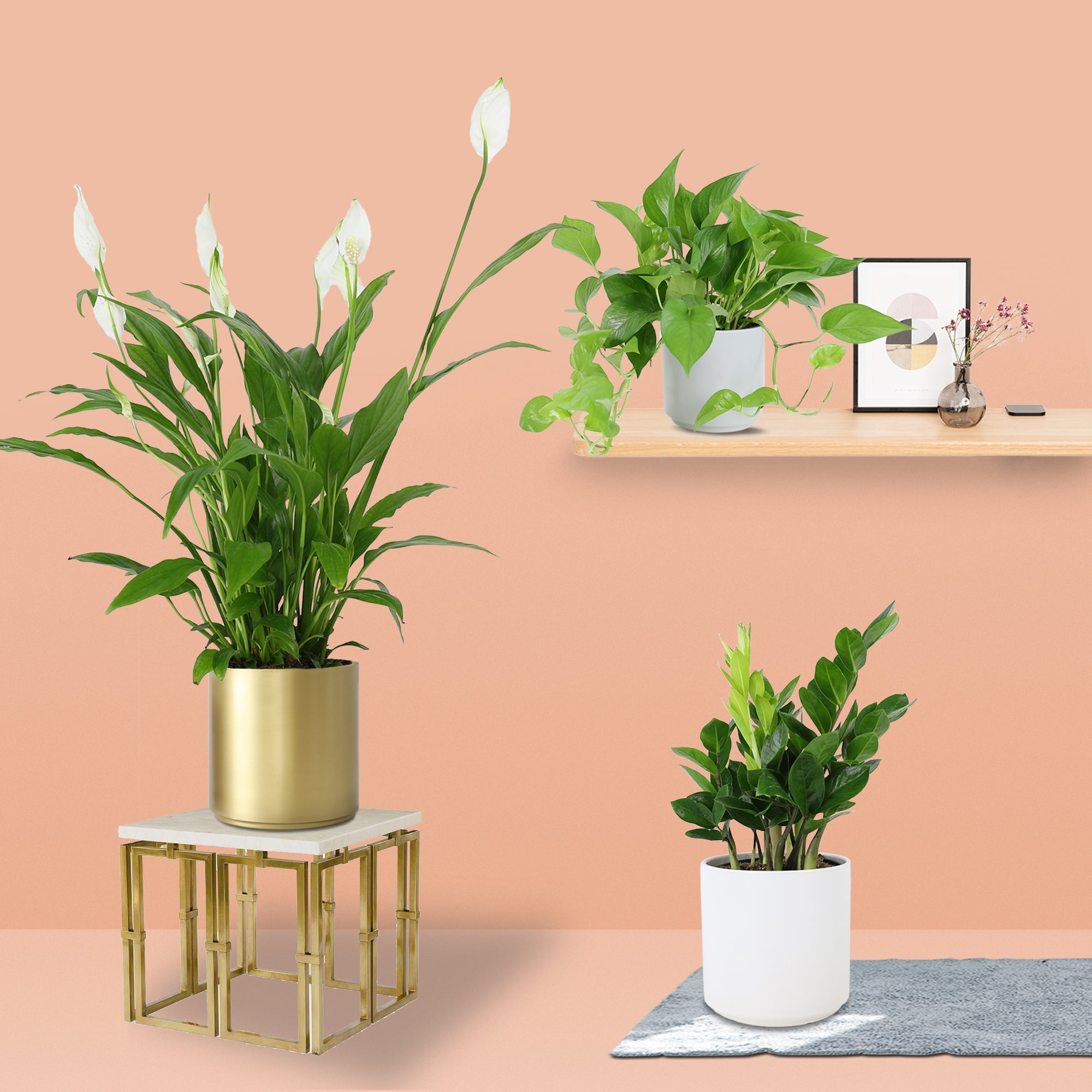
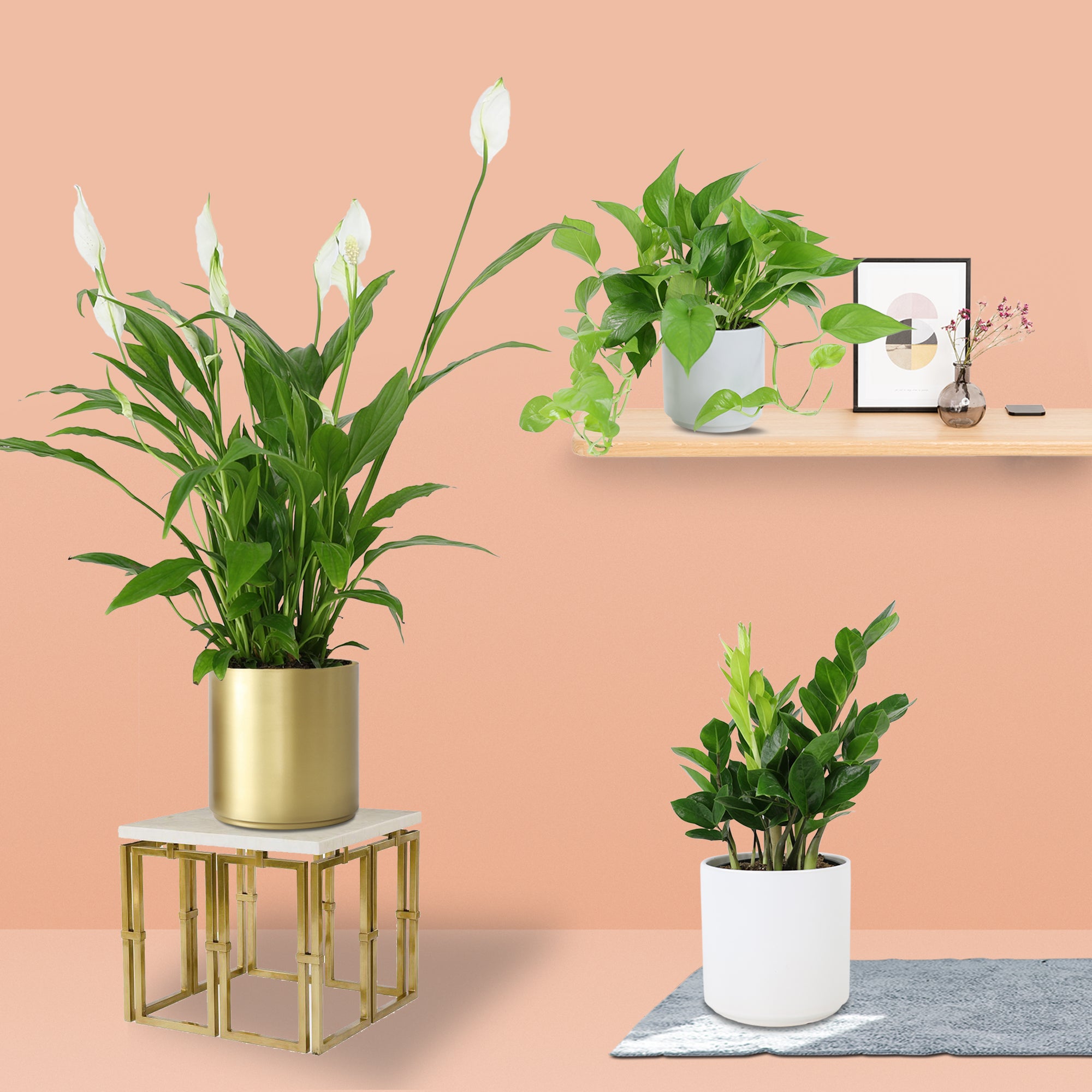
- ZZ Plant (Zamioculcas zamiifolia): Another incredibly tough plant that can handle low light and infrequent watering. It has glossy, dark green leaves that add a touch of elegance to any space. Like the Snake Plant, the ZZ Plant stores water in its rhizomes, making it very drought-resistant.
- Pothos (Epipremnum aureum): A classic for a reason! Pothos is incredibly easy to propagate and grows quickly. It tolerates a wide range of light conditions, although it prefers bright, indirect light. Allow the soil to dry out between waterings. Its adaptability to different environments makes it a reliable choice.
- Spider Plant (Chlorophytum comosum): Known for its "spiderettes’ – baby plants that dangle from the mother plant – the Spider Plant is easy to propagate and adds a playful touch to any room. It prefers bright, indirect light and regular watering, but can tolerate some neglect. It"s a good air purifier, too.
- Peace Lily (Spathiphyllum wallisii): While a bit more demanding than the previous plants, the Peace Lily is still relatively low maintenance. It prefers shade and consistently moist soil, but will dramatically droop when thirsty, letting you know it needs water. It’s also an excellent air purifier.
- Cast Iron Plant (Aspidistra elatior): The name says it all. This plant can tolerate almost anything – low light, infrequent watering, temperature fluctuations. It’s a true survivor! It doesn't need much attention, making it perfect for beginners.
- Aloe Vera (Aloe barbadensis miller): Not only is Aloe Vera easy to grow, but it also has medicinal properties. It prefers bright, indirect light and well-draining soil. Water sparingly, allowing the soil to dry completely between waterings. Its ability to store water in its leaves makes it drought-tolerant, and the gel inside is soothing for burns.
- Chinese Evergreen (Aglaonema): Available in a variety of colors and patterns, the Chinese Evergreen is a beautiful and easy-to-care-for plant. It prefers low to medium light and consistently moist soil. It’s relatively tolerant of neglect.
- Prayer Plant (Maranta leuconeura): Named for the way its leaves fold up at night, resembling praying hands, the Prayer Plant adds a unique touch to any indoor garden. It prefers bright, indirect light and consistently moist soil. It appreciates higher humidity.
- Peperomia (Peperomia spp.): There are hundreds of Peperomia varieties, each with its own unique foliage. They’re generally easy to care for, preferring bright, indirect light and well-draining soil. Water when the soil is dry to the touch.
- Lucky Bamboo (Dracaena sanderiana): Often grown in water, Lucky Bamboo is a symbol of good luck and prosperity. It prefers bright, indirect light and fresh water changes every few weeks. It’s surprisingly adaptable.
- Swedish Ivy (Plectranthus verticillatus): A fast-growing trailing plant that's easy to propagate. It prefers bright, indirect light and regular watering. It adds a lovely cascading effect to hanging baskets or shelves.
- Wax Plant (Hoya carnosa): Known for its beautiful, waxy leaves and fragrant flowers, the Wax Plant is a relatively low-maintenance succulent. It prefers bright, indirect light and well-draining soil. Water sparingly.
- Mint (Mentha spp.): Surprisingly adaptable to indoor growing, mint provides fresh herbs right at your fingertips. It needs bright light and consistently moist soil. Be aware that mint can be invasive, so it's best to keep it contained in a pot.
- Everbearing strawberries. These are harder than the others on this list because they need 12+ hours of light. I use a cheap LED shop light to keep mine producing fruit. It's a bit of a project, but worth it for the harvest.
Climate-Resilient Indoor Plants: 15 Low Maintenance Varieties
| Plant Name | Light Needs | Water Needs | Humidity Preference | Resilience Notes |
|---|---|---|---|---|
| Snake Plant (Sansevieria trifasciata) | Low | Low | Low | Tolerates drought and a wide range of conditions; air purifying. |
| Spider Plant (Chlorophytum comosum) | Med | Med | Med | Adaptable to various environments; propagates easily from 'spiderettes'. |
| ZZ Plant (Zamioculcas zamiifolia) | Low | Low | Low | Extremely drought tolerant; thrives on neglect. |
| Pothos (Epipremnum aureum) | Low to Med | Med | Med | Versatile trailing plant; tolerates low light but grows best with moderate light. |
| Peace Lily (Spathiphyllum) | Med | Med to High | High | Indicates water needs by drooping leaves; prefers consistent moisture. |
| Cast Iron Plant (Aspidistra elatior) | Low | Low | Low | Extremely tolerant of neglect, low light, and temperature fluctuations. |
| Aloe Vera | High | Low | Low | Succulent with medicinal properties; requires bright, indirect light and infrequent watering. |
| Chinese Evergreen (Aglaonema) | Low to Med | Med | Med to High | Attractive foliage; tolerant of low light and humidity. |
Illustrative comparison based on the article research brief. Verify current pricing, limits, and product details in the official docs before relying on it.
Fixing common problems
Even the most resilient plants can encounter problems. Pests like spider mites and mealybugs are common, but usually manageable with insecticidal soap or neem oil. Overwatering is a much more frequent issue, often leading to root rot. Ensure your pots have drainage holes and allow the soil to dry out between waterings. Yellowing leaves can be a sign of nutrient deficiency, and a balanced liquid fertilizer can often help.
I’ve had my share of struggles. I once battled a particularly stubborn spider mite infestation on my Pothos. I tried everything – neem oil, insecticidal soap, even hand-picking them off! Eventually, a combination of diligent cleaning and increased humidity did the trick. Root rot is something I’ve dealt with more than once, and the lesson I’ve learned is to err on the side of underwatering.
Prevention is always better than cure. Regularly inspect your plants for pests and diseases. Provide adequate light and ventilation. And don’t be afraid to experiment. Every plant is different, and what works for one may not work for another. The key is to observe, adjust, and learn from your mistakes.
Using vertical space
Vertical gardening systems can actually enhance a plant’s resilience. By increasing air circulation around the leaves, you reduce the risk of fungal diseases. Better light exposure, especially for plants lower down, ensures they receive enough energy for growth. And many systems promote efficient water usage, reducing the risk of overwatering.
There are many options available, from simple wall planters to more elaborate stacked planters and hanging baskets. Living walls are stunning, but require a more significant investment and maintenance. For beginners, I recommend starting with a simple hanging basket or a small wall planter. These are easy to set up and maintain.
Consider the plant’s growth habit when choosing a vertical system. Trailing plants like Pothos and Swedish Ivy are perfect for hanging baskets, while smaller plants like Peperomia can thrive in wall planters. The goal is to create a system that supports the plant’s natural growth pattern.
Light & Humidity: Indoor Microclimates
Controlling the indoor environment is crucial for plant health. Supplemental lighting, particularly LED grow lights, can be a game-changer, especially during the darker months. They provide the spectrum of light plants need for photosynthesis, even in low-light conditions. Humidity is another key factor. Many indoor plants prefer higher humidity than most homes provide.
Creating microclimates within your home is a simple way to cater to different plant needs. Grouping plants together increases humidity. Placing plants on pebble trays filled with water provides a localized boost in humidity. A humidifier can be used to increase humidity levels throughout the room. You can even create a "humidity dome" by covering plants with plastic wrap for a short period.
Misting your plants feels productive, but the effect vanishes in minutes. I prefer grouping plants together or using a pebble tray. If your air is truly dry, a small humidifier is the only thing that actually works.
Beyond the Basics: Standout Varieties
While all 15 plants are excellent choices, a few really stand out for their adaptability and benefits. Strawberries, surprisingly, can thrive indoors with enough light and consistent care. The reward of fresh, homegrown strawberries is well worth the effort. Aloe Vera is another standout, offering both easy care and medicinal properties. Its gel is incredibly soothing for burns and skin irritations. Finally, certain Peperomia varieties, like the Ripple Peperomia, are exceptionally tolerant of low light and dry conditions.

No comments yet. Be the first to share your thoughts!