

Choose the right vertical system
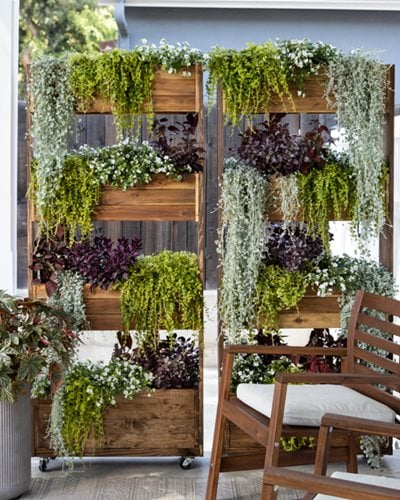
Selecting the right structure for indoor vertical gardening is the foundation of a successful harvest. Not all systems handle the weight and root volume of heavy fruiting plants like cucumbers and zucchini equally well. A hydroponic tower maximizes density but requires careful nutrient management, while wall-mounted systems save floor space but may lack the structural support for large vines. Stackable planters offer a middle ground, providing stability and soil depth that many fruiting plants prefer.
The following comparison breaks down the three most common indoor vertical gardening setups. Use this data to match your available space and the specific needs of your crops.
| System Type | Footprint | Setup Cost | Best for Cucumbers/Zucchini |
|---|---|---|---|
| Hydroponic Tower | Minimal (vertical only) | High | Challenging (needs large net pots) |
| Wall-Mounted | Zero (uses vertical wall) | Medium | Difficult (shallow depth) |
| Stackable Planter | Moderate (stacked footprint) | Low-Medium | Excellent (deep soil layers) |
Stackable systems, such as the popular Greenstalk model, are often the most forgiving choice for beginners growing heavy crops. The vertical columns provide ample soil volume for root development, which is critical for zucchini and cucumber yield. They also distribute weight more evenly across the floor than tall, narrow towers.
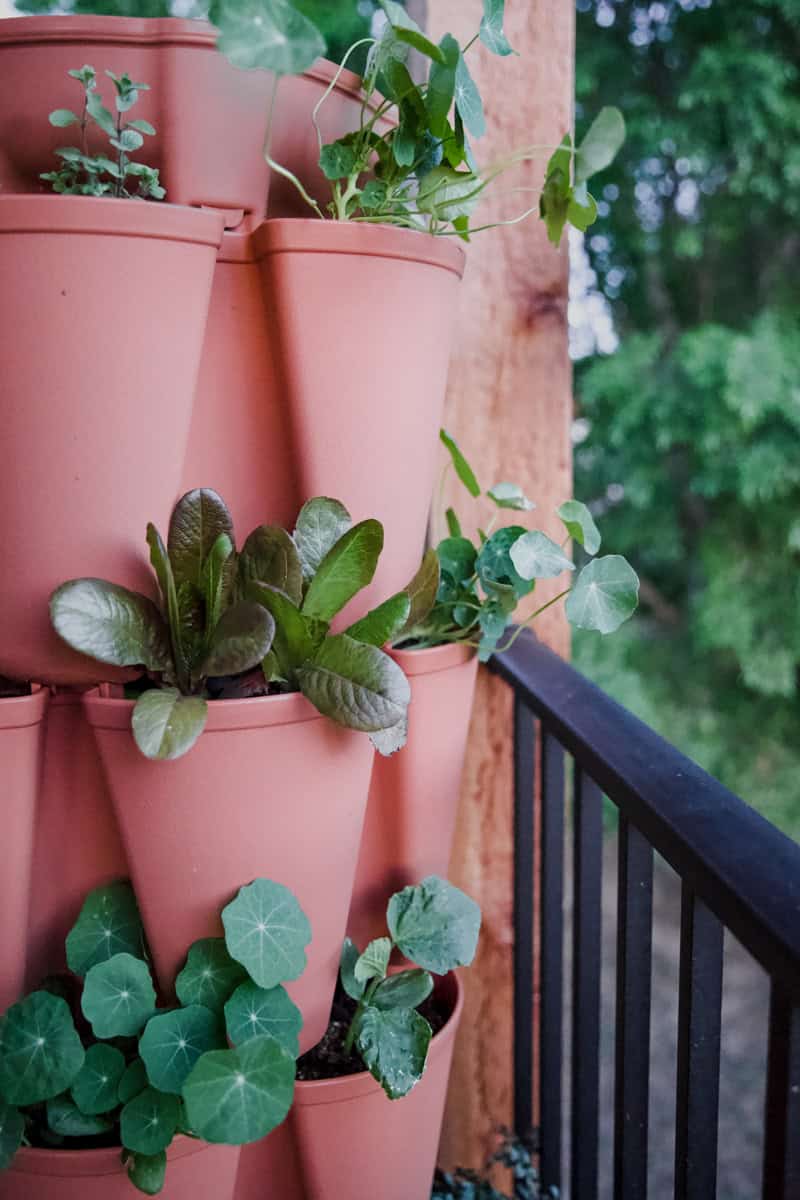
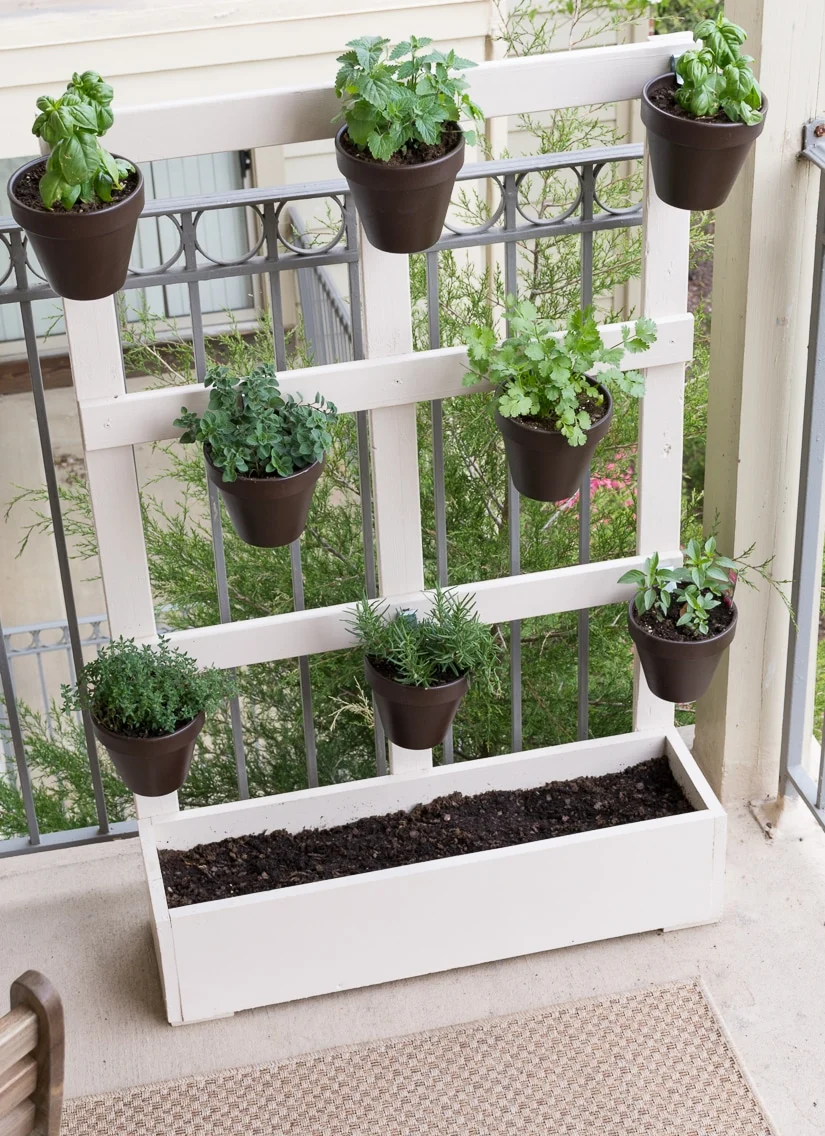
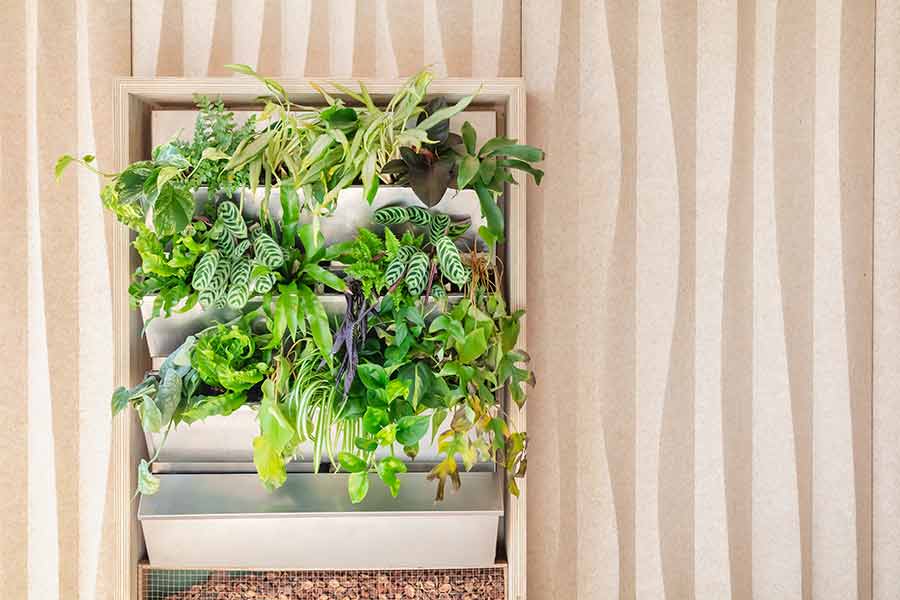
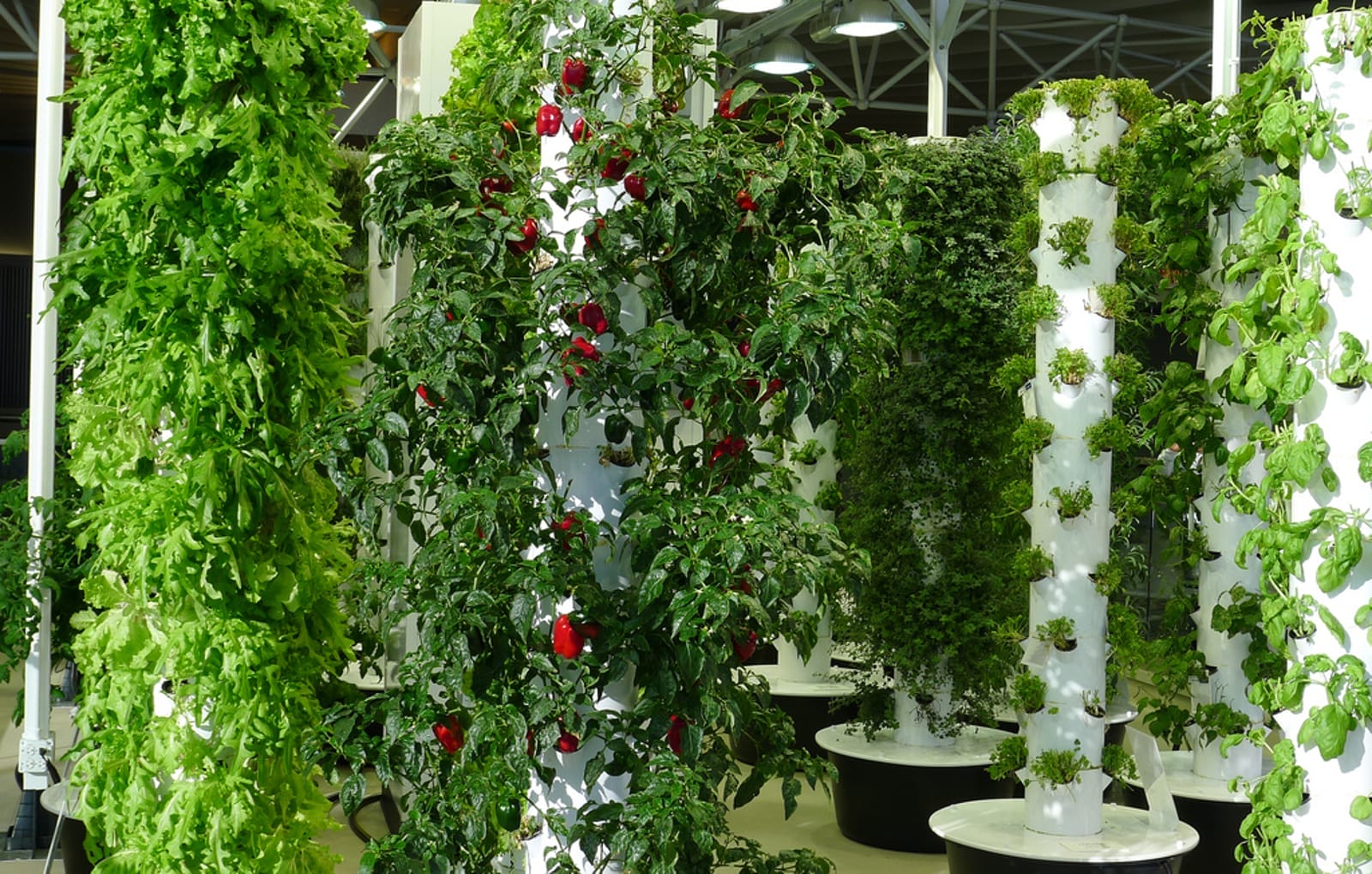
If you are constrained by floor space, wall-mounted hydroponic units can work, but they typically require supplemental trellising for vining plants. Hydroponic towers offer the highest plant count per square foot, but the shallow root zones can struggle to support the heavy biomass of mature fruiting plants without frequent pruning and nutrient adjustments. Choose the system that matches your crop's root depth requirements first, then optimize for space.
Set up lighting and nutrients
Fruiting plants like cucumbers, zucchini, and strawberries need more than just a sunny window when you practice indoor vertical gardening. These crops demand high-intensity light and precise nutrition to switch from leafy growth to heavy fruit production. Without the right setup, your plants will stretch weakly and produce little to no harvest.
Position full-spectrum LED lights
Full-spectrum LEDs mimic natural sunlight, providing the blue and red wavelengths fruiting plants need most. Unlike older HID bulbs, LEDs run cool and efficient, allowing you to keep them close to the canopy without burning the leaves.
- Hang your LED panel directly above the top tier of your vertical tower or wall system.
- Adjust the height so the light sits 12 to 24 inches above the tallest leaves.
- Run the lights for 14 to 16 hours a day to simulate long summer days.
Secure the LED grow light to the top of your vertical structure. Ensure the fixture covers the entire width of the growing tiers so every plant receives equal energy.
Measure the gap between the light and the plant leaves. For cucumbers and zucchini, maintain a 12-18 inch gap initially. Move the light higher if leaves show bleaching or curling.
Connect the light to a digital timer. Set a consistent 14-16 hour on cycle. Plants need a dark period to rest and process the energy they have stored.
Mix and monitor nutrient solutions
Soil holds nutrients, but vertical hydroponic or aeroponic systems rely on water-soluble food. Fruiting plants are heavy feeders, requiring higher levels of potassium and phosphorus compared to leafy greens.
Use a balanced liquid fertilizer during the vegetative stage, then switch to a "bloom" formula once flowers appear. Check the electrical conductivity (EC) of your reservoir weekly. If the EC is too high, the salts will burn the roots; if too low, the plants will starve. Maintain a pH between 5.5 and 6.5 for optimal nutrient uptake.
Maintain the system
Consistency is the engine of indoor vertical gardening. Check your water levels daily and top off with fresh water as needed. Flush the reservoir with pH-balanced water every two weeks to prevent salt buildup from old fertilizer residues. This simple maintenance ensures your cucumbers and zucchini stay healthy and productive.
Plant strawberries and cucumbers
Start with the plants that benefit most from vertical positioning. Strawberries naturally trail, making them ideal for pocket systems, while cucumbers require upward support to keep fruit off the soil and prevent rot. Planting these two crops together in your indoor vertical gardening setup maximizes space and simplifies maintenance.
Prepare the strawberry layer
Begin by filling the bottom and middle tiers of your vertical planter with a lightweight, well-draining potting mix. Plant strawberry runners or young plants in the side pockets. Space them so the roots have room to expand without crowding. Ensure the crown of the plant sits level with the soil surface; burying it too deep can cause rot, while leaving it too high dries out the roots.
Gently loosen the root ball of each strawberry plant. Insert it into a pocket, ensuring the roots are spread out and covered with soil. Press the soil firmly around the base to eliminate air pockets. Water immediately to settle the soil.
Cucumbers are vigorous climbers. Before planting, install a trellis, netting, or twine system inside or around your vertical planter. Secure the top of the support structure firmly. This framework will guide the vines upward, keeping foliage away from the strawberries below.
Plant cucumber seedlings in the bottom pots or lower tiers where they have access to more soil volume. Water thoroughly. As the vines grow, gently tie them to the support structure using soft plant ties. Guide them upward daily to ensure even growth and prevent tangling.
Manage light and spacing
Strawberries need consistent moisture, while cucumbers prefer slightly more water but still require drainage. Place your vertical garden in a location with bright, indirect light or under full-spectrum grow lights for 12-14 hours a day. Ensure air circulation to prevent fungal issues, especially around the dense foliage of the cucumbers.
By following this sequence, you create a balanced ecosystem. The strawberries occupy the mid-levels, benefiting from the shade of the cucumbers above, while the cucumbers reach for the light. This layering is the core advantage of indoor vertical gardening.
Maintain humidity and prune vines
Indoor vertical gardening creates a microclimate that can quickly turn stagnant. Without natural wind, humidity pools around the canopy, inviting powdery mildew and root rot. Your maintenance routine must focus on airflow and canopy management to keep strawberries, cucumbers, and zucchini healthy.
Step 1: Monitor and Control Humidity
Strawberries and cucumbers thrive when relative humidity stays between 50% and 60%. In a closed indoor vertical gardening setup, transpiration from dense foliage often pushes levels higher. Use a hygrometer to track daily fluctuations. If humidity exceeds 65%, increase fan speed or run a dehumidifier nearby. For zucchini, which prefers slightly drier air, ensure the lower pods do not sit in condensation.
Place a digital hygrometer near the canopy. If levels are high, turn on fans immediately. Aim for a gentle breeze that moves air through the leaves without drying out the soil.
Remove yellowing or dead leaves from the bottom of cucumber and zucchini vines. This improves airflow and reduces mold risk. Trim any shoots that block light from reaching the fruiting sites.
Indoor vertical gardening lacks bees. Use a small, soft paintbrush to transfer pollen from male flowers to female flowers on cucumbers and zucchini. Do this in the morning when pollen is most viable.
Step 2: Prune for Airflow
Cucumbers and zucchini grow aggressively. In a vertical tower, unpruned vines can shade out the strawberries below. Prune lateral shoots that grow backward into the tower core. Remove leaves that touch the soil or water reservoir to prevent splash-back diseases. This keeps the "garden" in vertical gardening truly vertical and accessible.
Step 3: Hand-Pollinate Indoor Fruit
Without wind or insects, your zucchini and cucumber flowers will drop before setting fruit. Identify male flowers (thin stem behind the bloom) and female flowers (small fruit bulge behind the bloom). Gently brush the male flower against the center of the female flower. Repeat this daily during peak flowering. Strawberries self-pollinate, but tapping the flower cluster helps distribute pollen evenly.
Step 4: Inspect for Pests
Check the undersides of leaves weekly. Spider mites and aphids thrive in warm, humid indoor vertical gardening environments. If you spot pests, wipe leaves with a damp cloth or use neem oil spray. Isolate affected plants if possible to prevent spread to your strawberries.
Harvest and reset for the next cycle
Indoor vertical gardening requires a disciplined harvest rhythm to keep your system productive. Strawberries, cucumbers, and zucchini have different maturity windows, but they all benefit from regular picking to encourage new growth. Once you clear the mature plants, you prepare the reservoir and media for the next planting wave.
Harvest strawberries only when the entire fruit is deep red. Green or white tips mean the sugar content is still developing. Pick them in the morning when temperatures are cooler to maintain crispness. Cut the stem just above the calyx (the green leafy cap) to avoid damaging the plant.
Cucumbers grow rapidly in vertical setups. Pick them when they reach the desired size for your variety, usually before the skin turns a dull yellow. Use pruning shears to snip the stem, leaving a small bit of stem attached to the fruit. Frequent harvesting signals the plant to produce more flowers and fruit.
Zucchini can become massive in just a few days. Harvest them when they are 6 to 8 inches long and the skin is still tender enough to be pierced with a fingernail. Larger zucchini develop tough seeds and dilute the flavor. Cut the fruit from the main stem, being careful not to tear the large leaves.
After clearing the plants, drain the nutrient reservoir. Rinse it with clean water to remove salt buildup and algae. Refill with fresh water and adjust the pH to 5.5–6.5, the ideal range for most hydroponic crops. This reset prevents nutrient lockout for the next crop.
Remove any yellowing or dead leaves from the vertical tower to improve air circulation. If your growing medium (like clay pebbles or coco coir) is compacted or shows signs of root rot, replace it entirely. Sterilize any reusable tools and components before introducing new seedlings.
Common indoor vertical gardening: what to check next
Growing fruiting plants like strawberries, cucumbers, and zucchini indoors requires specific attention to light intensity and pollination. Unlike leafy greens, these crops demand high energy and manual intervention to produce a harvest.
Do I need to pollinate indoor plants by hand?
Yes. Without outdoor insects, you must assist pollination. For cucumbers and zucchini, gently brush the male flower’s stamen against the female flower’s stigma using a small paintbrush or cotton swab. Strawberries benefit from similar manual assistance or a small oscillating fan to mimic wind. Just Vertical notes that consistent pollination is the difference between a few fruits and a full harvest.
How many hours of light do fruiting plants need?
Fruiting plants require more light than herbs. Aim for 12 to 16 hours of full-spectrum light daily. Cucumbers and zucchini, being heavy feeders, need intense light to support fruit development. Use a light timer to maintain a consistent cycle, ensuring your indoor vertical gardening setup mimics natural seasonal shifts.
Which strawberries grow best vertically?
Choose day-neutral or everbearing varieties that produce fruit continuously rather than just once. Alpine strawberries are compact and ideal for tight vertical spaces. Ensure the root zone is well-aerated; vertical systems often dry out faster, so monitor moisture levels closely to prevent root rot while maintaining the humidity these plants prefer.
No comments yet. Be the first to share your thoughts!