

Get indoor vertical gardening right
Start indoor vertical gardening by identifying your primary constraint: space, budget, skill level, or maintenance tolerance. This constraint should dictate your system choice rather than appearing as an afterthought. Keep the initial setup simple to verify functionality, comparing options against your specific limits before adding optional upgrades.
Walk through the steps
Setting up an indoor vertical garden for strawberries, cucumbers, and zucchini requires careful planning. Unlike traditional soil beds, vertical systems pack roots into a small footprint, meaning water and nutrients must reach every plant consistently. Follow this sequence to build a system that supports heavy, fruiting crops.
Pick a spot with strong structural support. Vertical towers filled with wet soil and mature zucchini plants can weigh over 100 pounds. Avoid thin shelves or weak tables. A concrete floor or reinforced wall mount is ideal. Ensure the location has access to a power outlet for pumps and lights.
Connect the tower sections according to the manufacturer's instructions. For hydroponic systems, ensure the reservoir sits securely at the base. If using a soil-based tower, line the inner core with landscape fabric to prevent soil from washing out while allowing drainage. Tighten all connections firmly to prevent leaks during watering cycles.
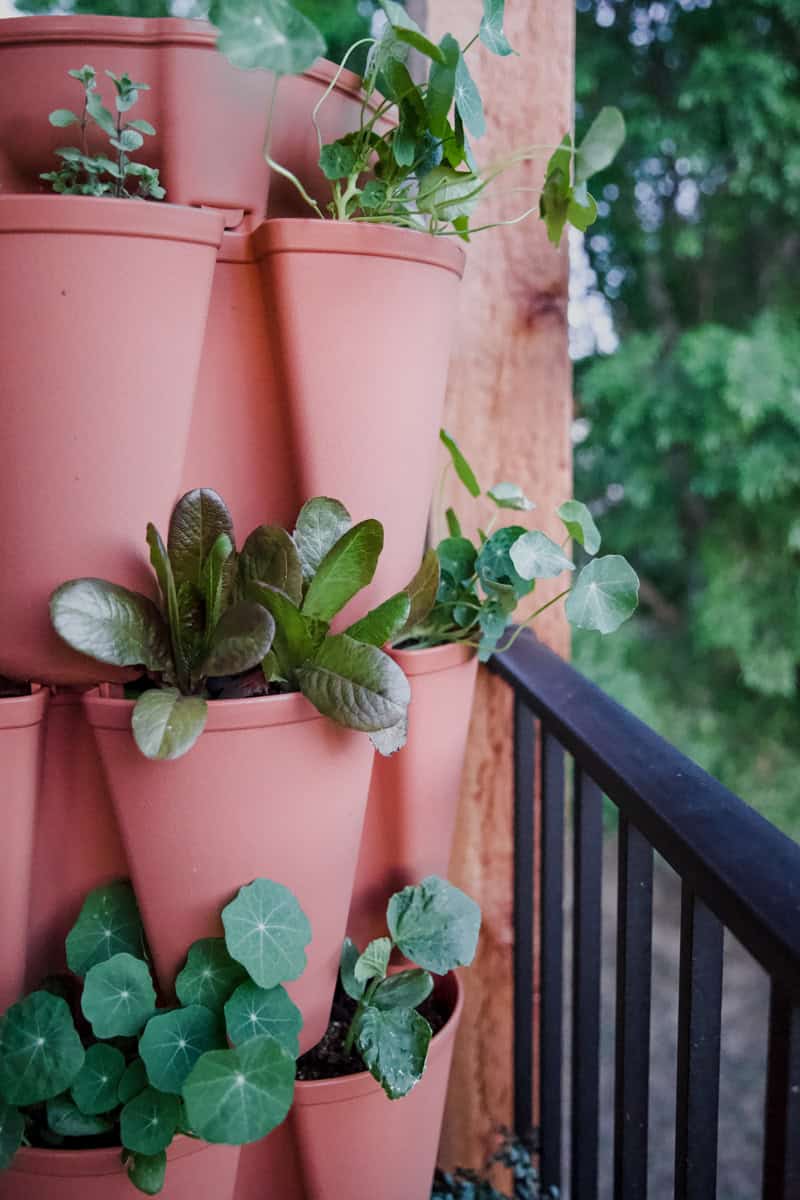
Position LED grow lights above the tower, keeping them 6-12 inches from the top leaves. Cucumbers and zucchini need 12-14 hours of light daily. Connect the drip irrigation or nutrient pump system, ensuring every nozzle is aimed at a planting pocket. Test the flow rate before adding plants; water should trickle evenly down the entire column.
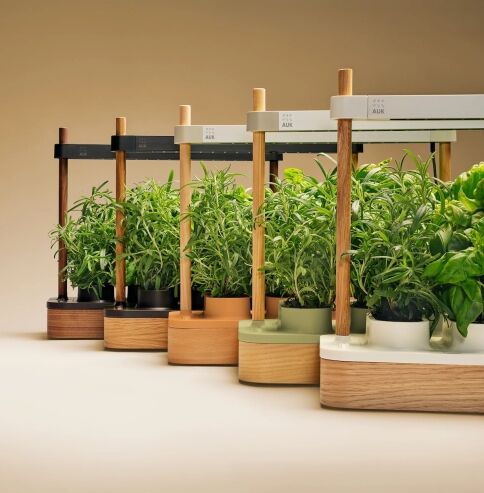
Start with strawberries in the lower and middle pockets. They are lighter and establish quickly. Plant cucumber seedlings in the middle to upper sections. Use a lightweight, soilless mix designed for containers. Firm the soil gently around the stems, leaving the crown exposed to prevent rot. Water immediately to settle the roots.
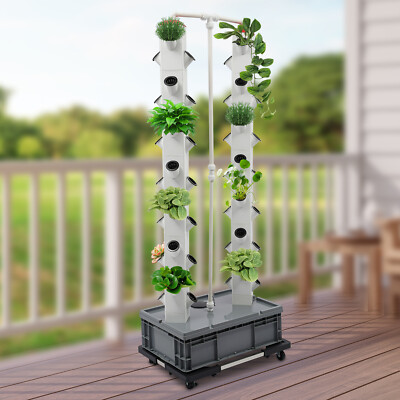
Zucchini plants grow large and heavy. Plant them in the lowest pockets where the structure is strongest. Use compact varieties like 'Patio Baby' or 'Bush Gold' to minimize stress on the tower. Support the developing fruit with slings made from mesh or fabric to prevent the heavy squash from pulling the plant out of the pocket.
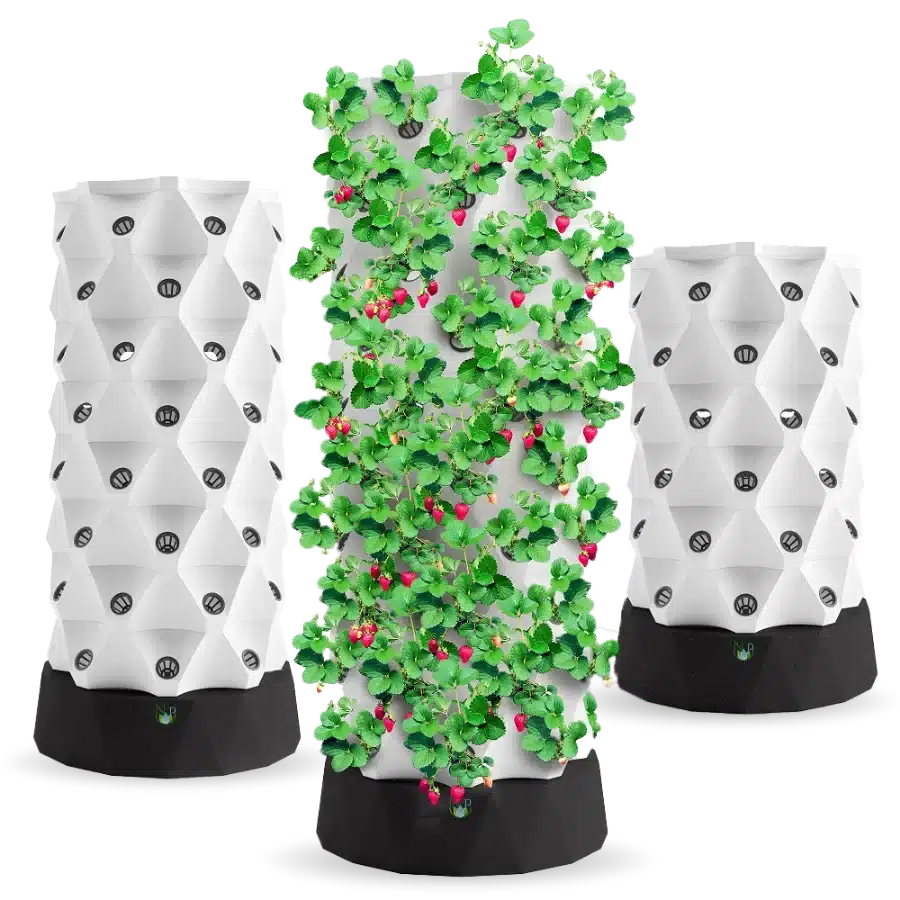
Check moisture levels twice daily. Vertical systems dry out faster than ground beds. Adjust the light timer if leaves show signs of stretching or bleaching. Prune excess cucumber vines to direct energy toward fruit production. Rotate the tower slightly every few days to ensure even light distribution for all pockets.
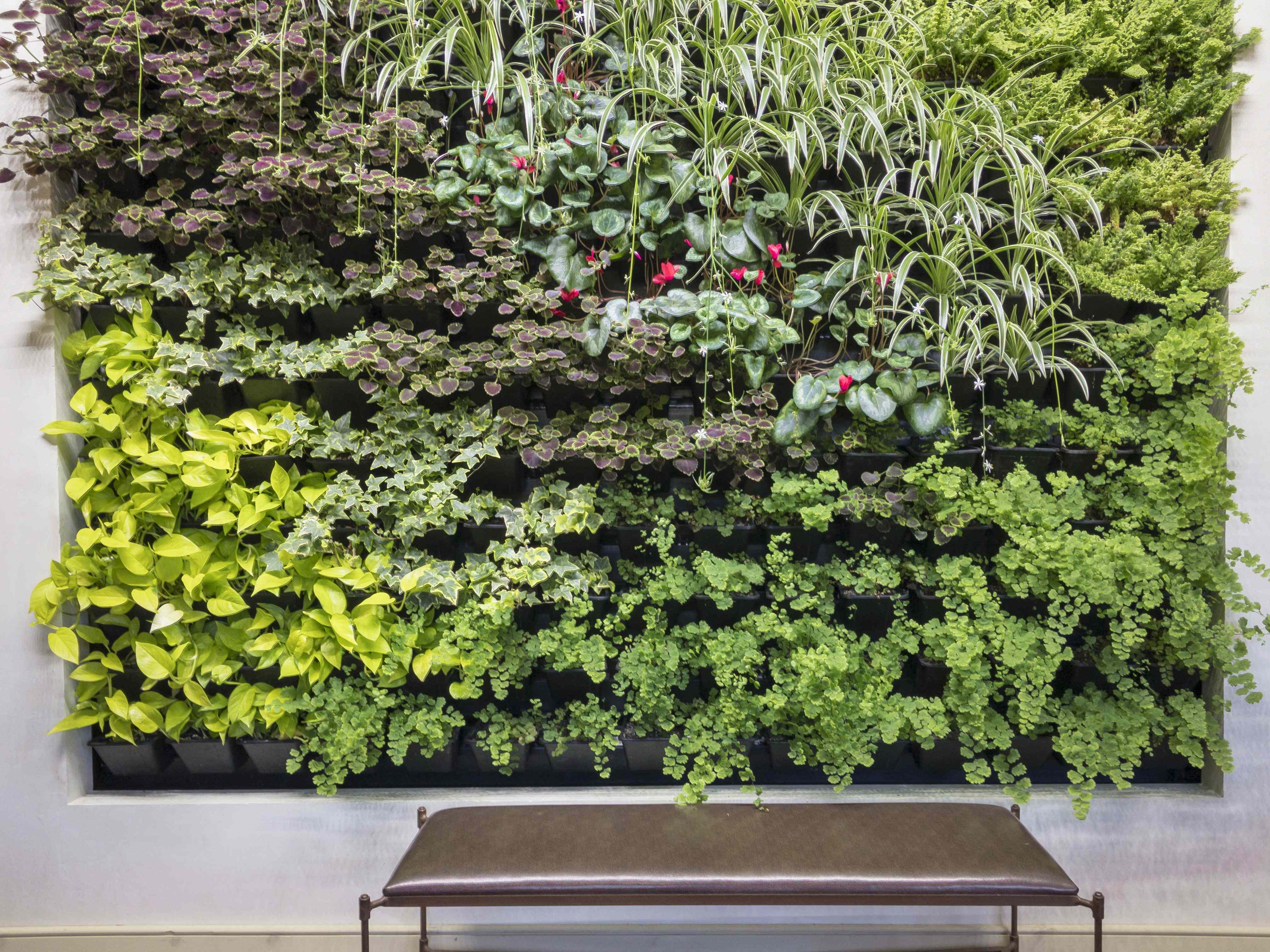
-
Verify tower stability and weight capacity
-
Test irrigation flow before planting
-
Set LED lights to 12-14 hour cycle
-
Plant strawberries in lower pockets
-
Place zucchini in lowest, strongest pockets
-
Install fruit support slings for heavy squash
Common mistakes that ruin indoor vertical gardens
Vertical gardening looks simple on paper, but the margin for error is smaller than in traditional beds. When you stack plants, you stack problems. A minor oversight in one layer can starve the roots below or drown the leaves above. These are the three errors that most often turn a thriving system into a maintenance nightmare.
1. Ignoring light distribution and plant height
The biggest mistake is treating light as a single value for the whole tower. In a vertical setup, the top pockets receive full intensity, while the bottom pockets may only get a fraction. If you plant tall, heavy feeders like zucchini or full-size cucumbers at the bottom, they will shade out the smaller crops above or struggle to fruit in the dimmer light.
The Fix: Place light-demanding, tall plants (like determinate cucumbers or compact zucchini) in the top third of the system. Keep low-light, slow-growing crops (like strawberries or lettuce) in the middle and bottom. Ensure your LED grow lights are positioned close enough to penetrate the canopy, not just illuminate the top.
2. Overcrowding and poor airflow
Vertical systems have limited root volume. Stuffing every pocket with a full-grown plant restricts airflow and creates a humid microclimate perfect for mold and powdery mildew. Strawberries, in particular, need space to send out runners; cucumbers need room for their vines to climb or drape without tangling.
The Fix: Follow the "one plant per pocket" rule strictly. If a plant is listed as "bushy" or "vining," give it extra space or prune aggressively. Use a small oscillating fan to keep air moving around the tower. This prevents stagnant air pockets where fungus spores can settle and destroy your harvest.
3. Neglecting nutrient balance and pH drift
In hydroponic vertical gardens, water circulates from top to bottom. The plants at the top consume the most nutrients first, often leaving the bottom plants with depleted water. Additionally, pH levels can drift rapidly in small reservoirs, locking out essential nutrients like calcium and magnesium.
The Fix: Check your reservoir levels and pH every three days. Aim for a pH between 5.5 and 6.5, which is ideal for both strawberries and cucumbers. Top off with fresh, pH-balanced nutrient solution more frequently than you might think. If the bottom plants look yellow or stunted, the top plants are likely hogging the nutrients. Adjust your feeding schedule to ensure consistent delivery throughout the column.
Indoor vertical gardening: what to check next
You might hesitate to start an indoor vertical garden because of concerns about electricity costs, plant compatibility, or space constraints. These objections are common, but the trade-offs are often manageable with the right system and planning.
No comments yet. Be the first to share your thoughts!