

Why vertical gardening works indoors
Vertical gardening transforms blank walls into high-yield production zones, making it possible to grow strawberries, cucumbers, and zucchini indoors without a greenhouse. This approach stacks plants upward, keeping fruit off the ground to reduce pest damage and improve air circulation. For crops like strawberries, tiered pockets allow natural draping, while cucumbers and zucchini can be trained on trellises to maximize limited square footage.
Efficiency gains extend beyond space. Vertical hydroponic systems, such as the Tower Garden, use up to 98% less water than traditional soil gardening by recirculating nutrients directly to the roots. This closed-loop method reduces maintenance and conserves resources, offering a low-maintenance path to fresh produce even in apartments.
Best overall smart vertical garden
For growers seeking high yields with minimal manual labor, automated hydroponic systems are the clear winner. Unlike soil-based setups requiring constant monitoring, smart vertical gardens handle heavy lifting using precise LED lighting and automated water pumps. The Gardyn system stands out as the top choice, combining a sleek vertical tower with an AI-powered app that tracks plant health and adjusts care routines automatically. This automation makes it ideal for busy households or beginners intimidated by hydroponic technicalities.
When choosing a smart garden, prioritize models with comprehensive lighting spectra and easy-to-replace seed pods. While the upfront cost exceeds basic soil kits, the convenience and consistent harvests often justify the investment. Below, we compare key features of leading automated options.
| Product | System Type | Automation Level | Best For |
|---|---|---|---|
| Gardyn | Hydroponic Tower | High (AI-driven app) | Zero-maintenance growers |
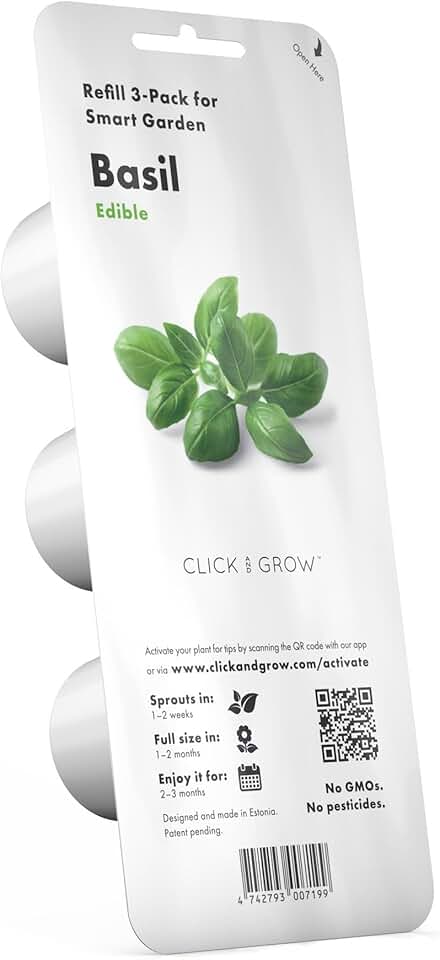
| Click & Grow | Smart Soil | Medium (Light & Water) | Beginners & herbs |
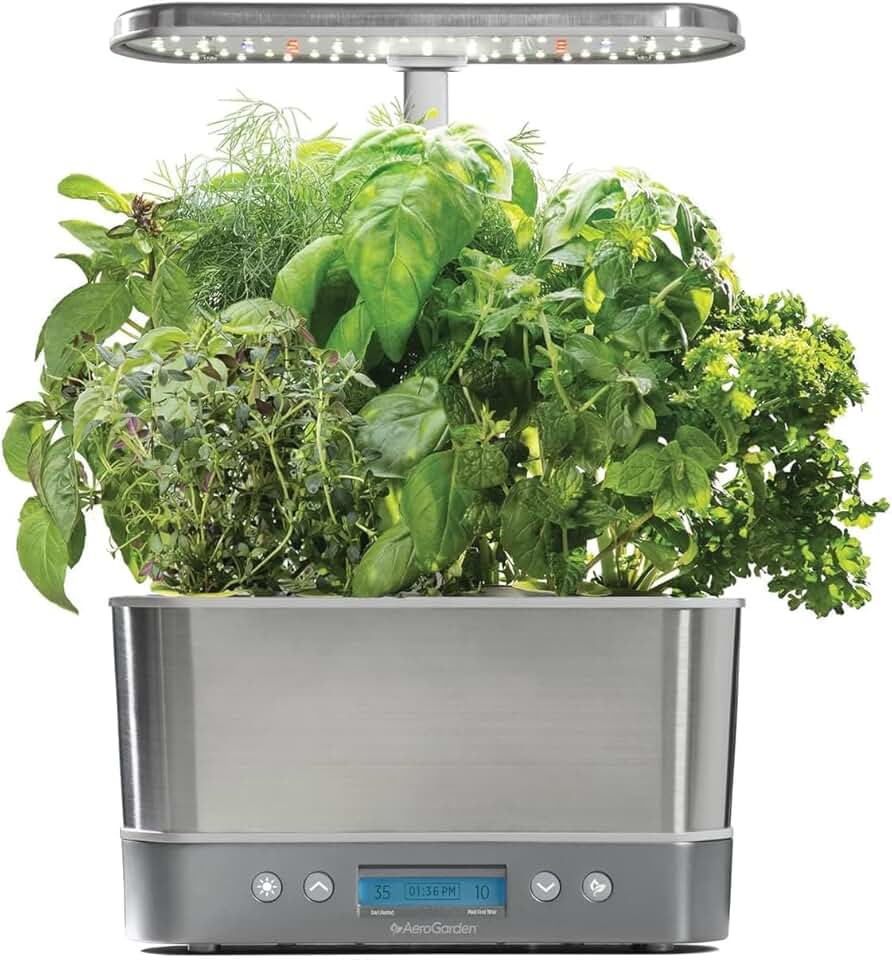
| AeroGarden | Hydroponic Bowl | Medium (Auto-light) | Small kitchens & herbs |

As an Amazon Associate, we may earn from qualifying purchases.
Best hydroponic tower for strawberries
Strawberries are ideal for vertical hydroponic towers because they grow compactly and thrive with roots hanging freely in nutrient-rich water. This setup keeps fruit elevated, improving air circulation and reducing rot or pest risks compared to ground planting. Harvesting is effortless; you simply pick ripe berries without bending over.
When selecting a tower, look for systems with deep pockets or wide openings to accommodate strawberries' larger root systems. A reservoir large enough to sustain plants between waterings minimizes daily maintenance. Here is a comparison of popular vertical tower options suited for indoor strawberry cultivation.
| Product | Plant Capacity | Integrated Light | Reservoir Type |
|---|---|---|---|
| Elfsys Hydroponic Garden Tower | 12-16 plants | LED Grow Light | Bottom Tank |
| AeroGarden Harvest Elite | 6 plants | LED Grow Light | Integrated Basin |
| GreenStalk Vertical Planter | 20+ plants | None (Sun/Artificial) | Self-Wicking Pockets |
| Miracle-Gro AeroGarden | 6 plants | LED Grow Light | Integrated Basin |
The Elfsys tower offers high plant count with a dedicated bottom tank, while AeroGarden models are compact and fully automated. The GreenStalk is a passive option relying on wicking action, making it quiet and energy-efficient.


As an Amazon Associate, we may earn from qualifying purchases.
Best systems for cucumbers and zucchini
Cucumbers and zucchini demand more physical support and light than leafy greens. Cucumbers are vigorous climbers needing tall, sturdy structures, while zucchini plants are bushier and require wider footprints to prevent shading. Choosing the right vertical architecture prevents overcrowding and ensures proper airflow.
Tall towers for cucumbers
Cucumber vines can reach 6 to 8 feet, making tall vertical towers the most space-efficient option. These systems stack planting pockets vertically, allowing vines to climb while keeping the base footprint small. Look for durable, food-grade plastic towers that support the weight of mature vines. Consistent watering is critical, as top pockets dry out faster than bottom ones.
Wide racks for zucchini
Zucchini plants spread 2 to 3 feet wide. Instead of climbing, they grow out, so wide shelving racks or tiered plant stands are ideal. These setups allow plants to expand on lower, wider shelves. Ensure the rack is stable and level, as heavy zucchini plants become top-heavy when fruiting. This approach keeps plants accessible and manageable.
Comparison of support structures
The table below compares the two primary vertical structures for these crops. Tall towers maximize height but limit spread, while wide racks prioritize horizontal space for bushier growth.
| Crop | Best Structure | Max Height | Footprint |
|---|---|---|---|
| Cucumber | Tall Tower | 6-8 feet | Small (1-2 sq ft) |
| Zucchini | Wide Rack | 2-3 feet | Large (4-6 sq ft) |
Product recommendations
Here are some popular vertical gardening systems that work well for cucumbers and zucchini, depending on your available space and light setup.


As an Amazon Associate, we may earn from qualifying purchases.
How to set up your indoor vertical garden
Setting up an indoor vertical garden for strawberries, cucumbers, and zucchini requires more than just hanging a pot. These crops are heavy feeders needing consistent moisture and strong light. Follow this checklist to build a system that produces fruit.
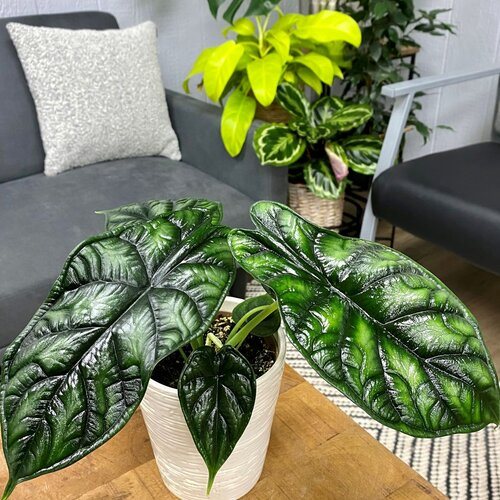
Pick a spot with at least six hours of direct sunlight or plan for artificial lighting. Cucumbers and zucchini are heat-loving plants, so avoid cold drafts. A kitchen corner or sunroom works best because these plants thrive in stable temperatures between 65°F and 75°F.
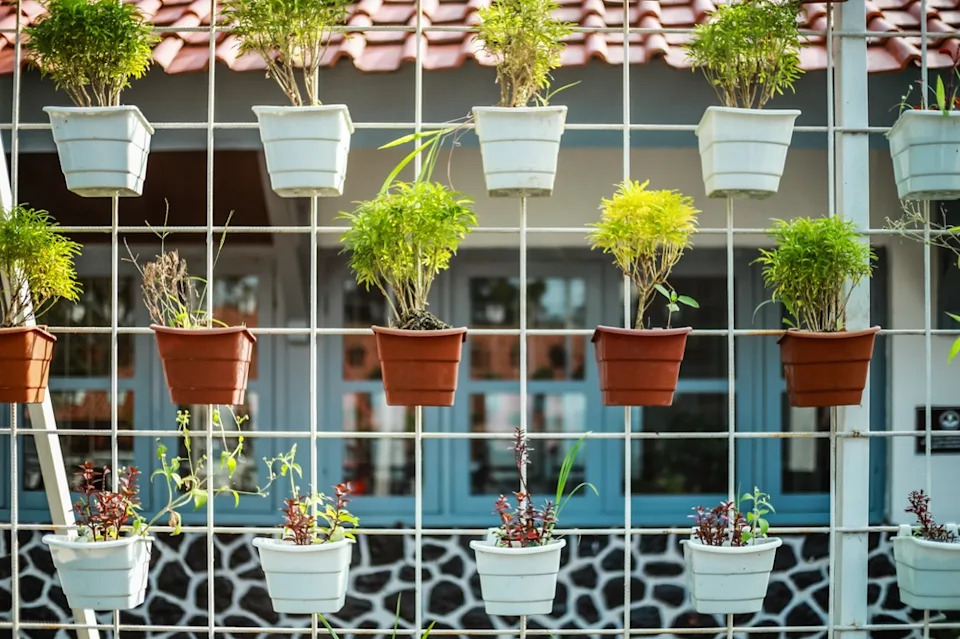
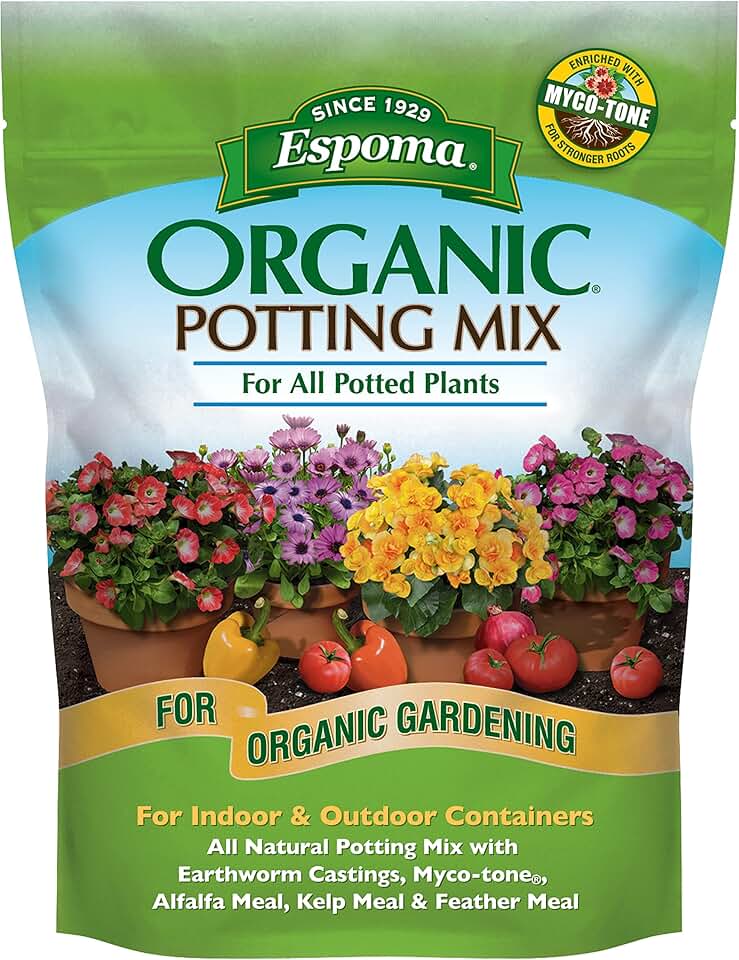
For strawberries and cucumbers, hydroponic systems like vertical towers or pocket walls are often easier to manage indoors because they deliver nutrients directly to the roots. If you prefer soil, use a lightweight, well-draining potting mix designed for containers. Avoid garden soil, which compacts in vertical pockets and causes root rot.
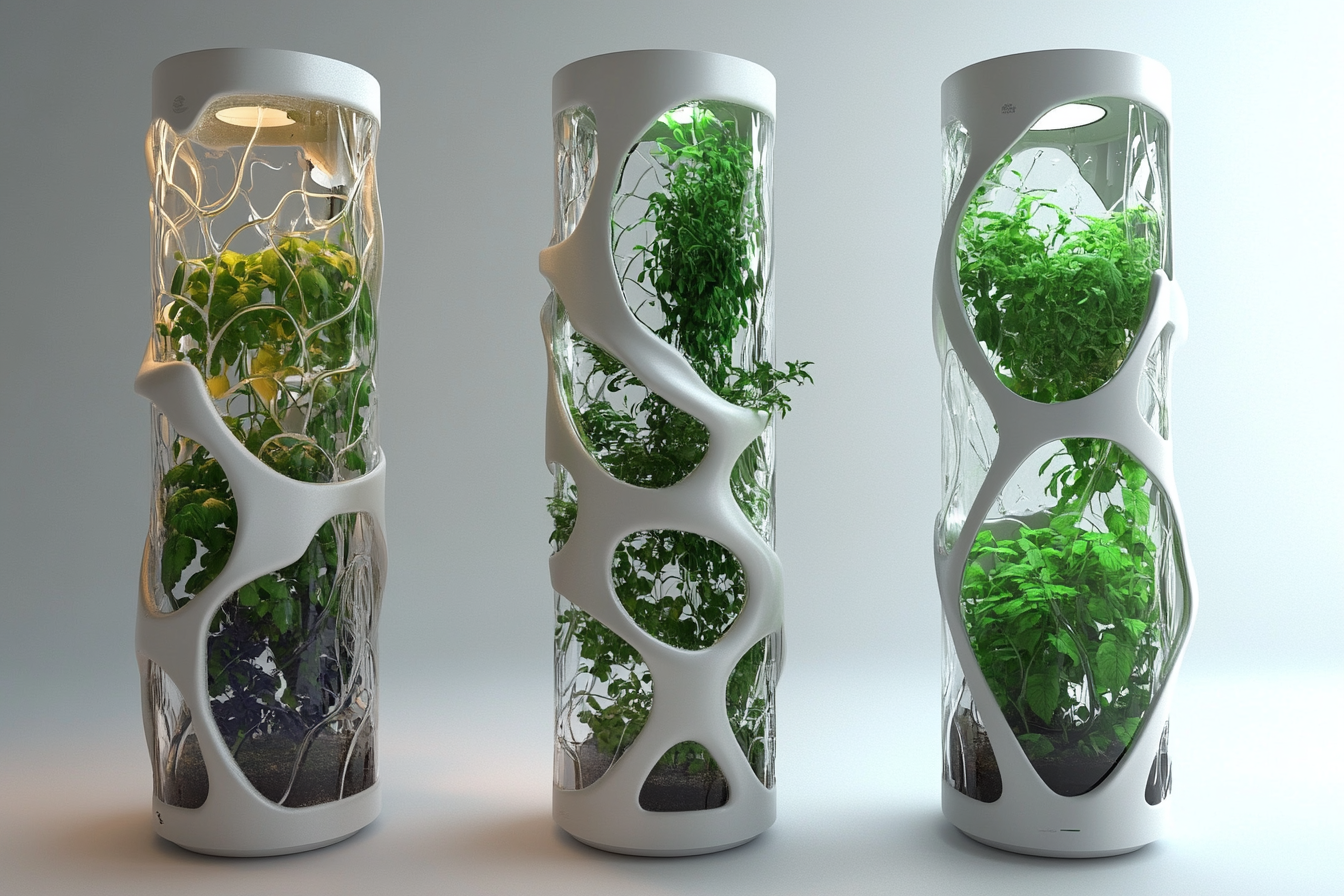
Natural light is rarely enough for fruiting crops like zucchini indoors. Install full-spectrum LED grow lights positioned 6-12 inches above the foliage. Aim for 12-14 hours of light per day. This mimics summer daylight and triggers flowering, which is essential for cucumber and zucchini yields.
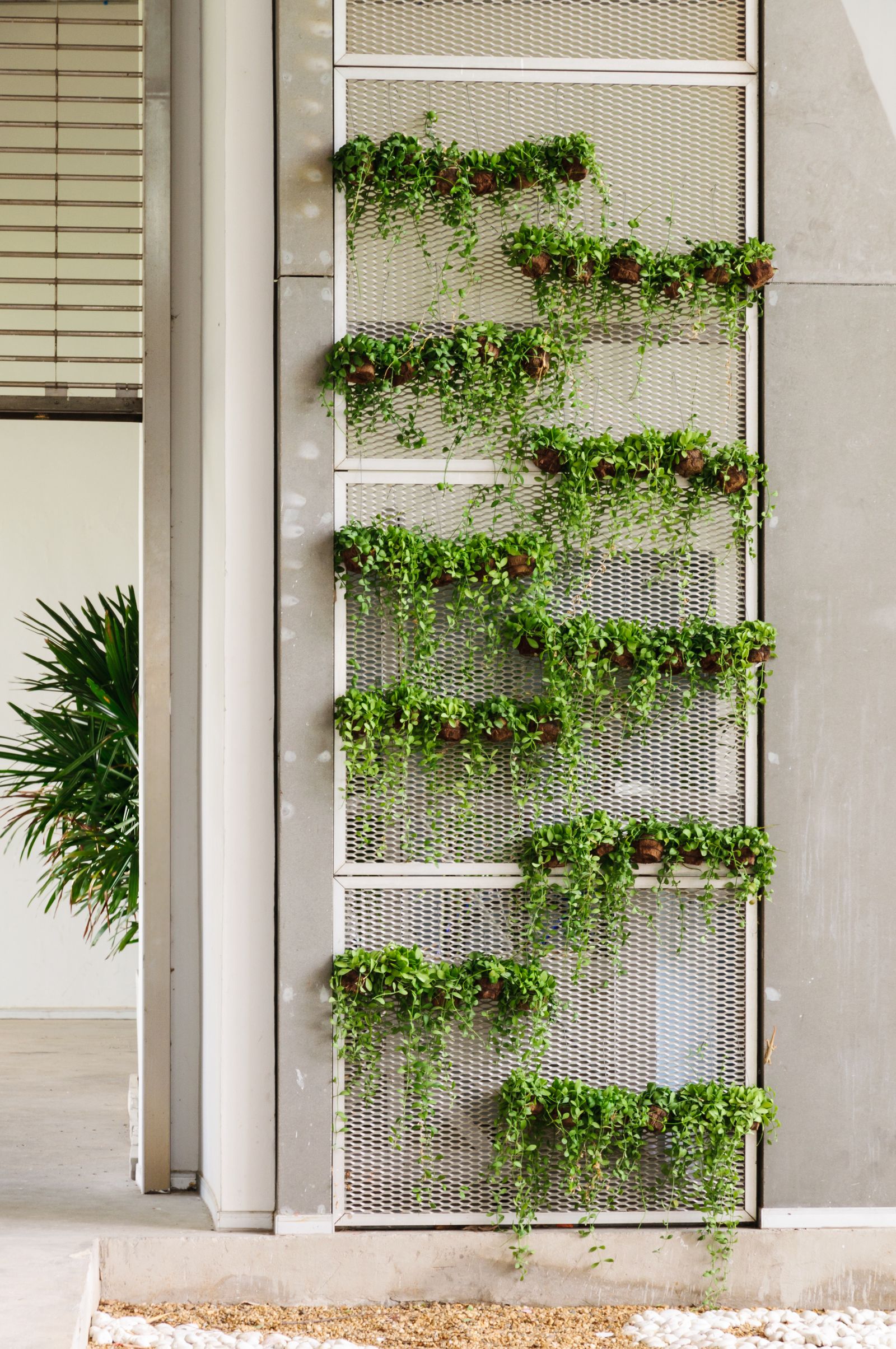
Strawberries need about 8-10 inches of horizontal space per plant. Cucumbers require a trellis or strong support structure to climb vertically; start them at the bottom or middle of the tower and train the vines upward. Zucchini is large and bushy; choose a compact "bush" variety and give it the most room at the base of your setup.
Fruiting plants consume significant nutrients. Use a balanced liquid fertilizer high in potassium and phosphorus to support flower and fruit development. In hydroponic systems, check the pH weekly, keeping it between 5.5 and 6.5. In soil, feed every two weeks during the active growing season.


As an Amazon Associate, we may earn from qualifying purchases.
Common questions about indoor vertical gardening
Vertical gardens work well indoors if you match the system to your light conditions. Hydroponic towers and stackable planters save floor space while keeping soil out of the apartment. The key is choosing a setup that fits your ceiling height and provides adequate airflow for crops like strawberries and cucumbers.
What is the best vertical plant for indoors?
For fruiting crops, strawberries and cherry tomatoes thrive in hydroponic vertical systems with strong LED grow lights. Leafy greens and herbs are the easiest entry points, but cucumbers need sturdy trellising and consistent pollination. Avoid heavy vines unless your structure is rated for significant weight.
Are vertical gardens suitable for small apartments?
Yes, vertical gardens are ideal for small spaces because they utilize wall area rather than floor space. A slim hydroponic tower can fit in a corner or beside a kitchen counter. Just ensure you have access to an outlet for pumps and lights, and leave a few inches of clearance for air circulation.
What are the pros and cons of indoor vertical farms?
The main advantage is high yield in a small footprint, allowing you to grow food year-round regardless of weather. The downside is the upfront cost of equipment and the ongoing expense of electricity for lights and pumps. Maintenance can also be tricky if you don't choose a self-contained system, as leaks or pump failures can ruin the crop quickly.
How much light do vertical gardens need?
Most edible crops need 12-16 hours of bright light daily. Natural window light is rarely enough for fruiting plants like zucchini or cucumbers. You will likely need full-spectrum LED grow lights positioned 6-12 inches above the foliage to prevent stretching and encourage fruit set.
No comments yet. Be the first to share your thoughts!