
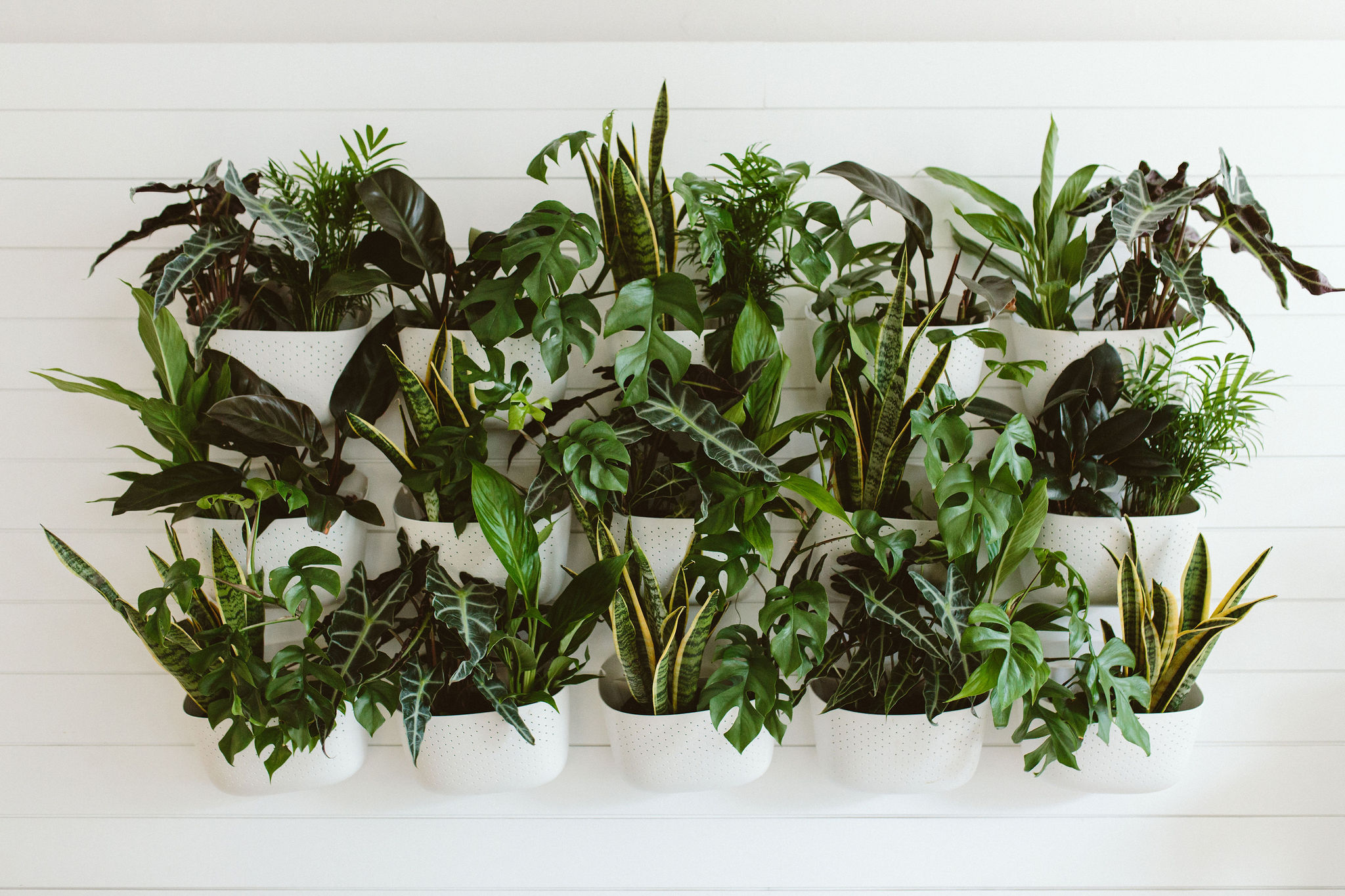

7 Best Low Maintenance Indoor Plants for Vertical Gardens in 2024 - Part 1
Indoor vertical gardening has revolutionized how we bring nature into our homes, especially when space is limited. The key to a successful vertical garden lies in selecting the right low maintenance indoor plants that can thrive in these unique growing conditions while requiring minimal care from busy plant parents.
When designing a vertical garden, you need plants that can adapt to different light levels, handle occasional watering lapses, and maintain their beauty without constant attention. The following four plants represent the perfect starting point for anyone looking to create a stunning indoor vertical gardening display.

1. Pothos (Golden Pothos)
The Pothos, scientifically known as Epipremnum aureum, stands as the undisputed champion of low maintenance indoor plants for vertical gardens. This trailing beauty features heart-shaped leaves with stunning golden variegation that adds visual interest to any vertical arrangement.
What makes Pothos exceptional for vertical gardening is its incredible adaptability. It thrives in low to bright indirect light conditions, making it perfect for various locations in your home. The plant only requires watering when the top inch of soil feels dry, typically every 7-10 days depending on your home's humidity and temperature.
For vertical gardens, Pothos excels because its trailing vines can cascade beautifully from upper tiers while its aerial roots help it climb support structures naturally. The plant is also remarkably forgiving of neglect, bouncing back quickly even if you forget to water it occasionally.
2. Snake Plant (Sansevieria trifasciata)
The Snake Plant, or Sansevieria trifasciata, brings architectural elegance to vertical gardens with its striking upright sword-like leaves. This succulent-type plant features dark green foliage with lighter green horizontal stripes and yellow margins, creating a bold visual statement in any vertical arrangement.
Snake Plants are virtually indestructible, earning their reputation as one of the most low maintenance indoor plants available. They can survive in extremely low light conditions and prefer infrequent watering - typically every 2-3 weeks or when the soil is completely dry. This makes them ideal for vertical garden systems where consistent watering schedules might be challenging.
In vertical gardens, Snake Plants work exceptionally well as anchor plants in the middle or lower sections, providing structure and contrast to trailing varieties. Their upright growth habit maximizes vertical space utilization while their thick, fleshy leaves store water efficiently.
3. ZZ Plant (Zamioculcas zamiifolia)
The ZZ Plant, scientifically known as Zamioculcas zamiifolia, has gained tremendous popularity among indoor gardening enthusiasts for its glossy, dark green leaves and exceptional drought tolerance. This plant features thick, waxy leaflets arranged on sturdy stems that create an attractive, full appearance perfect for vertical displays.
What sets the ZZ Plant apart in vertical gardening is its ability to thrive in low light conditions while requiring minimal water. The plant stores water in its rhizomes and thick stems, allowing it to survive weeks without watering. This characteristic makes it ideal for vertical garden systems where drainage and watering access might be limited.
ZZ Plants maintain a compact, upright growth habit that works beautifully in vertical arrangements without overwhelming neighboring plants. Their slow growth rate means less pruning and maintenance, while their natural resistance to pests reduces the need for treatments.
Content is being updated. Check back soon.
4. Spider Plant (Chlorophytum comosum)
The Spider Plant, or Chlorophytum comosum, brings a unique cascading element to vertical gardens with its arching, ribbon-like leaves and distinctive plantlets that dangle from the mother plant. The classic green and white striped foliage adds texture and movement to vertical arrangements.
Spider Plants excel in indoor vertical gardening because they adapt well to various light conditions, from bright indirect light to partial shade. They prefer moderate watering, typically when the top inch of soil dries out, and they're quite forgiving if you occasionally miss a watering session.
One of the most exciting features of Spider Plants in vertical gardens is their ability to produce baby plants or 'spiderettes' that can be propagated easily. This natural reproduction creates a fuller, more dynamic vertical display over time while providing new plants for expansion or sharing.
These four low maintenance indoor plants form the foundation of any successful vertical garden, offering beauty, resilience, and minimal care requirements that make indoor vertical gardening accessible to everyone.
Caring for Your Low Maintenance Vertical Garden Plants
Successfully maintaining these seven low maintenance indoor plants in your vertical garden requires understanding their specific care requirements and implementing efficient watering and lighting strategies. Each plant brings unique characteristics that make them perfect for indoor vertical gardening systems.
Essential Care Requirements for Vertical Garden Success
The Peace Lily (Spathiphyllum) stands out for its elegant white blooms and glossy green foliage. This plant thrives in low to medium light conditions and actually prefers slightly moist soil, making it an exception among drought-tolerant plants. Peace Lilies will droop dramatically when thirsty, providing a clear visual cue for watering needs. In vertical gardens, position them in middle to lower sections where they receive filtered light.
The Rubber Plant (Ficus elastica) offers broad, glossy leaves that make a bold statement in any vertical arrangement. These plants prefer bright, indirect light and well-draining soil. Water when the top inch of soil feels dry, typically every 7-10 days. Their upright growth habit makes them excellent anchor plants for the top or center positions in vertical garden structures.
Proper placement within your vertical garden system significantly impacts plant health and growth patterns. Trailing plants like Pothos and Philodendron Heartleaf work best in upper positions where their vines can cascade downward. The ZZ Plant and Snake Plant, with their upright growth habits, serve as excellent structural elements in middle sections. Spider Plants create beautiful focal points with their arching leaves and dangling plantlets.
Watering Strategies for Vertical Gardens
Implementing an efficient watering system prevents overwatering while ensuring adequate moisture reaches all plants. Most of these low maintenance indoor plants prefer the soil to dry out between waterings. Check soil moisture by inserting your finger about an inch deep into the growing medium. If it feels dry, it's time to water.
For vertical garden systems, consider installing a drip irrigation setup or self-watering planters to maintain consistent moisture levels. This approach works particularly well for Peace Lilies, which prefer slightly more consistent moisture than other plants on this list.
Light management becomes crucial in vertical garden setups since plants at different levels receive varying amounts of illumination. Rotate plants periodically to ensure even growth and prevent leaning toward light sources. Most of these plants tolerate artificial grow lights, making them suitable for rooms with limited natural light.
Troubleshooting Common Issues
Even low maintenance indoor plants can experience problems when care requirements aren't met properly. Yellow leaves typically indicate overwatering, while brown, crispy edges suggest underwatering or low humidity. Snake Plants and ZZ Plants are particularly susceptible to root rot from excessive moisture, so ensure proper drainage in your vertical garden containers.
Spider Plants may develop brown leaf tips in dry environments. Increase humidity around these plants by grouping them together or using a humidity tray. Pothos and Philodendron Heartleaf rarely experience serious issues but may lose their variegation in low light conditions.
Fertilizing requirements remain minimal for these resilient plants. Apply a balanced, diluted liquid fertilizer monthly during spring and summer growing seasons. Reduce feeding frequency during fall and winter when growth naturally slows. Overfertilizing can cause more problems than benefits, particularly with ZZ Plants and Snake Plants that prefer nutrient-poor conditions.
Maximizing Your Vertical Garden's Potential
These seven low maintenance indoor plants offer endless possibilities for creating stunning vertical garden displays. Mix different textures and growth habits to create visual interest while maintaining the easy-care characteristics that make vertical gardening accessible to everyone. The combination of trailing Pothos, architectural Snake Plants, and flowering Peace Lilies creates a dynamic, living wall that requires minimal intervention.
Regular monitoring and basic maintenance keep your indoor vertical gardening project thriving year-round. With proper plant selection and care techniques, your vertical garden becomes a beautiful, low-stress addition to your home that purifies air while adding natural beauty to your living space.
No comments yet. Be the first to share your thoughts!